
A diagnosis of muscle-invasive bladder cancer (MIBC) sets a lot in motion quickly. As a patient, you’ll be immersed in imaging scans, staging conversations, and a treatment timeline that typically leads toward chemotherapy and a major surgery called radical cystectomy. In the middle of that whirlwind, one of the most useful things a patient can do is often overlooked: get physically ready for it. This is called prehabilitation, and it’s becoming a bigger part of how bladder cancer teams think about care.
What is MIBC, and why does the body need to be ready?
MIBC means the tumor has grown into the muscle layer of the bladder wall, which raises the stakes compared with earlier-stage disease. Standard treatment typically combines chemotherapy before surgery (called neoadjuvant chemotherapy) with removal of the bladder. Both steps are demanding on the body, and recovery afterward can be complicated by low muscle mass, poor nutrition, and general frailty going into the operation.
The average age of patients with MIBC is 73 years old; patients may have other health conditions, and are already at higher surgical risk due to their age. Chemotherapy itself can further erode muscle and appetite in the weeks before surgery right when the body most needs reserves to draw on. That’s the gap prehabilitation is designed to close.
Evidence-based guidance powered by NCCN Guidelines®
Personalized treatment plans shaped by the latest oncology standards—tailored to your diagnosis.
Get started
View your personalized treatment plan in the Outcomes4Me app
Use your diagnosis to unlock personalized NCCN Guidelines®-aligned recommendations.
Continue in app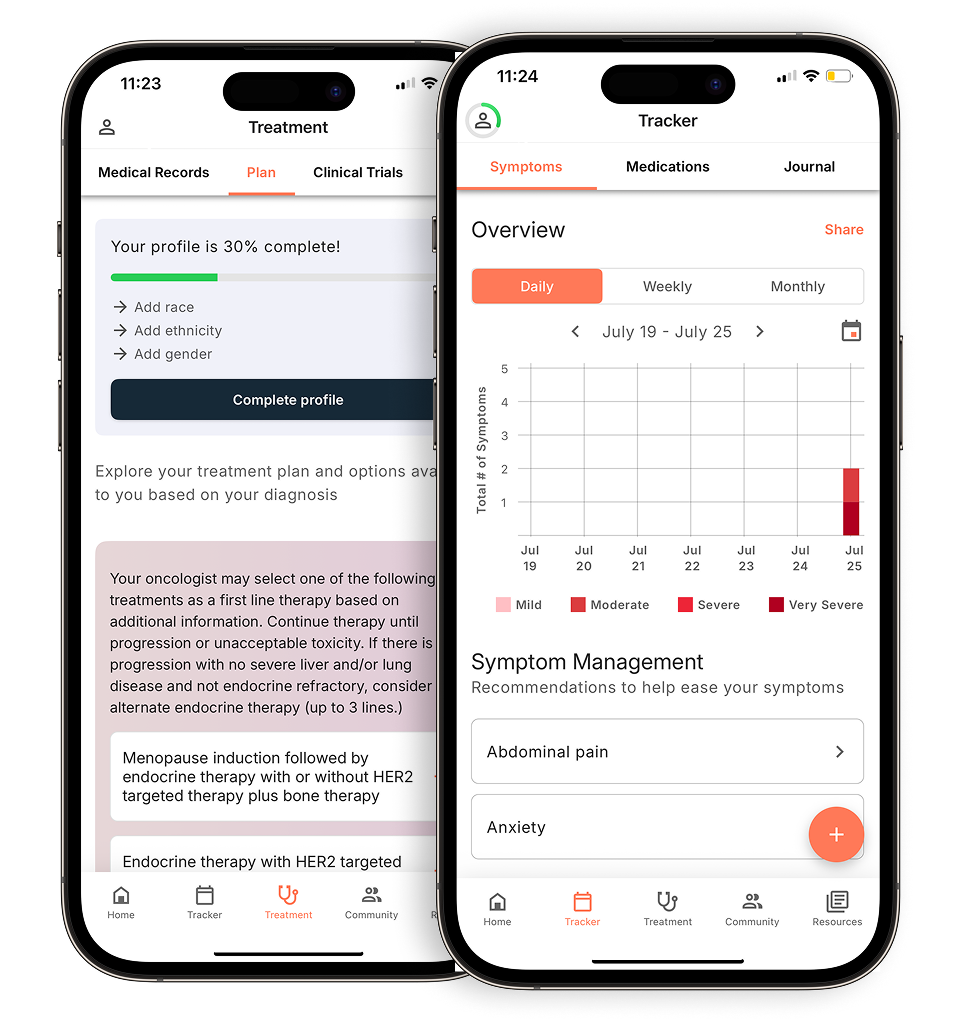
The lifestyle piece: exercise and nutrition as medicine
Guidelines from major urology and oncology groups (AUA/ASCO/ASTRO/SUO) now explicitly encourage bladder cancer patients to build healthy habits including quitting smoking, staying active, and eating well to support both long-term health and quality of life. This reflects a growing body of research on two specific, modifiable factors.
Exercise. Structured physical activity in the weeks before and after cystectomy has been studied for its effect on recovery. A systematic review and meta-analysis of programs combining pre- and post-operative exercise found they were linked to better functional recovery and improved quality of life following surgery. Even short prehabilitation windows such as walking programs, light resistance training, and breathing exercises can help patients tolerate anesthesia better and get back on their feet sooner after a procedure that removes the bladder and reconstructs the urinary tract.
Nutrition. Malnutrition and sarcopenia (age- or illness-related muscle loss) are common in MIBC patients and are linked to worse surgical outcomes, more complications, and higher readmission rates. Oral nutrition support has been shown in research to help preserve muscle mass through the perioperative period. A narrative review of prehabilitation programs pairing nutrition counseling with exercise found they appear to speed functional recovery more than either approach alone.
What this looks like in practice
For someone newly diagnosed with MIBC, a prehabilitation plan might include:
- A nutrition screening early on, ideally by a registered dietitian familiar with cancer care, to catch weight loss or low protein intake before it becomes a bigger problem.
- A walking or light cardio routine, built up gradually, aimed at maintaining cardiovascular fitness through chemotherapy.
- Simple resistance exercises such as bands, bodyweight movements, or light weights can help to protect muscle mass.
- Protein-focused meals and snacks, since protein needs often rise during cancer treatment even as appetite drops.
- Smoking cessation support, since continued smoking is tied to worse surgical healing and cancer outcomes.
- A plan for the days right after surgery, since early, gentle movement after cystectomy is associated with fewer complications like blood clots and pneumonia.
The goal is to give the body the best possible starting position for a hard stretch of treatment.
Talk to your care team early
The window for prehabilitation is often short, sometimes just a few weeks between diagnosis and the start of chemotherapy or surgery, so earlier is better. Patients can ask their urologic oncology team directly about:
- Referral to a dietitian experienced with cancer patients
- Physical therapy or exercise oncology programs
- Local or virtual bladder cancer support resources, such as those offered by the Bladder Cancer Advocacy Network (BCAN)
The takeaway
Muscle-invasive bladder cancer is a serious diagnosis, but the weeks before treatment are an opportunity. Building strength and nutritional reserves through targeted exercise and diet changes gives patients a real, evidence-backed way to influence their own recovery, turning an anxious lead-up to surgery into productive preparation.
Disclaimer: The information provided in this article is for informational purposes only and is not intended to be a substitute for professional medical advice, diagnosis, or treatment. Outcomes4Me is not acting as your caregiver, and any suggestions or guidance offered should not replace the advice of your healthcare provider or qualified medical professional. Always seek the guidance of your physician or other qualified health provider with any questions you may have regarding a medical condition.
Personalized support for real care decisions
Understand your diagnosis, explore clinical trials, and track symptoms--all in one place.
Get started
Compare treatments, prepare for appointments, and track side effects—all in the app
Built for your diagnosis, Outcomes4Me gives you the tools to make confident, informed decisions—right when you need them.
Continue in app