
With small cell lung cancer (SCLC), one complication you’ll likely hear about is chemotherapy-induced myelosuppression. It’s a condition where chemotherapy drugs suppress your bone marrow’s ability to produce healthy blood cells.
This matters because blood cells are essential. Red blood cells carry oxygen, white blood cells fight infection, and platelets help blood clot. When chemotherapy disrupts their production, you become vulnerable to anemia, serious infections, and dangerous bleeding. Real-world data confirms that myelosuppression is especially burdensome for patients with extensive-stage SCLC (ES-SCLC), frequently causing treatment delays, dose reductions, and hospitalizations that affect overall outcomes.
Understanding what’s happening in your body, and why your care team monitors your blood counts so closely, is the first step toward active participation in your own care.
Framework of management strategies for myelosuppression
Managing myelosuppression in SCLC treatment comes down to a few core strategies your care team may use together. Understanding these approaches can help you feel more prepared and less blindsided when side effects arise.
The main pillars typically include:
Evidence-based guidance powered by NCCN Guidelines®
Personalized treatment plans shaped by the latest oncology standards—tailored to your diagnosis.
Get started
View your personalized treatment plan in the Outcomes4Me app
Use your diagnosis to unlock personalized NCCN Guidelines®-aligned recommendations.
Continue in app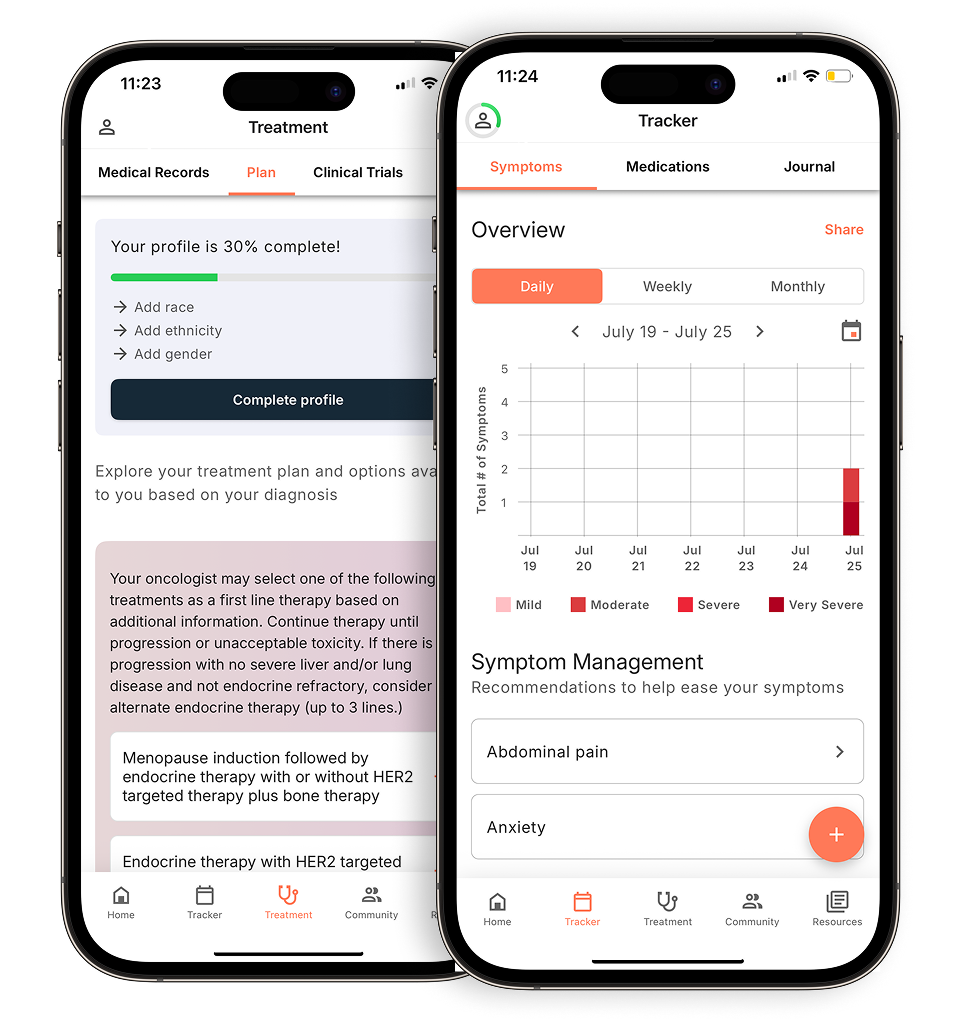
- Monitoring blood counts regularly throughout treatment cycles
- Growth factor support, such as G-CSF injections, to stimulate white blood cell production
- Dose modifications — adjusting chemotherapy timing or amounts when counts drop too low
- Prophylactic antibiotics or antifungals to reduce infection risk during vulnerable periods
According to research from community oncology practices, a significant proportion of patients experience dose delays or reductions due to myelosuppression, underscoring why a structured management plan matters from day one. Catching blood count changes early gives your team the best window to act before complications escalate.
Proactive care: Preventing treatment delays
Staying ahead of myelosuppression rather than reacting to it after complications arise can make a real difference in keeping your SCLC treatment on track. Research found that myelosuppression frequently leads to dose reductions and treatment delays that can affect long-term results.
Proactive monitoring, open communication with your care team, and early intervention are the most effective tools you have. Patients who flag symptoms early can give their providers more options to respond. Understanding your lung cancer prognosis and what affects it can also motivate more active participation in your own care.
Lifestyle adjustments for better outcomes
For patients with ES-SCLC, day-to-day habits can support how well your body tolerates chemotherapy. While medical interventions do the heavy lifting, small but consistent lifestyle choices help protect your energy, immune function, and overall resilience between treatment cycles. Simple habits like thorough handwashing, avoiding crowded spaces during nadir periods, and limiting your exposure to people who are sick can help reduce your risk of serious complications when white blood cell counts are at their lowest.
One practical approach is keeping a simple symptom log: tracking fatigue levels, bruising, or unusual bleeding gives your care team actionable data at every visit. Use the Outcomes4Me symptom tracker to keep an organized, digital record of your symptoms.
The role of caregivers in managing myelosuppression
Behind every patient navigating chemotherapy, there’s often a caregiver who’s helping with appointments and day-to-day tasks.When it comes to myelosuppression, that support role becomes especially important.
Caregivers can help by:
- Monitoring for warning signs (fever, unusual bruising, or extreme fatigue) and knowing when to call the care team
- Keeping a symptom log between appointments to share accurate, timely information with providers
- Encouraging consistent rest and health habits like consistent handwashing
An informed caregiver ultimately means a better-supported patient.
Impact of myelosuppression on SCLC prognosis
Myelosuppression can directly affect treatment outcomes. When blood counts drop too low, providers may need to reduce chemotherapy doses or delay treatment cycles.
A real-world study of ES-SCLC patients found that myelosuppression-related complications frequently led to hospitalizations and disruptions in planned treatment schedules. Dose delays and reductions are among the most clinically significant consequences of myelosuppression, particularly in a disease where timely, consistent treatment matters.
Latest research and developments
Research into myelosuppression management is moving quickly. For patients with recently diagnosed with ES-SCLC, ask your doctor if trilaciclib is right for you. Approved by the FDA in 2021, trilaciclib works proactively by temporarily pausing bone marrow cell division before chemotherapy is administered, helping protect blood cell production from the outset.
Researchers are also exploring immunotherapy combinations and refined dosing schedules to reduce myelosuppression risk without compromising tumor response.
Key takeaways
Chemotherapy-induced myelosuppression is one of the most significant challenges in treating SCLC. Here’s what’s to remember:
- Myelosuppression is common, not incidental. The majority of patients with ES-SCLC experience at least one form of it during treatment.
- It affects three blood cell types: neutrophils (infection risk), platelets (bleeding risk), and red blood cells — making anemia a frequent and fatigue-driving complication.
- Early communication is your strongest tool. Reporting symptoms promptly helps your care team adjust before complications escalate.
- Treatment options are expanding. From growth factors to newer protective agents, you have more support available than ever before.
Talk openly with your care team, track how you’re feeling between appointments, and lean on trustworthy resources like Outcomes4Me to stay empowered.
Personalized support for real care decisions
Understand your diagnosis, explore clinical trials, and track symptoms--all in one place.
Get started
Compare treatments, prepare for appointments, and track side effects—all in the app
Built for your diagnosis, Outcomes4Me gives you the tools to make confident, informed decisions—right when you need them.
Continue in app