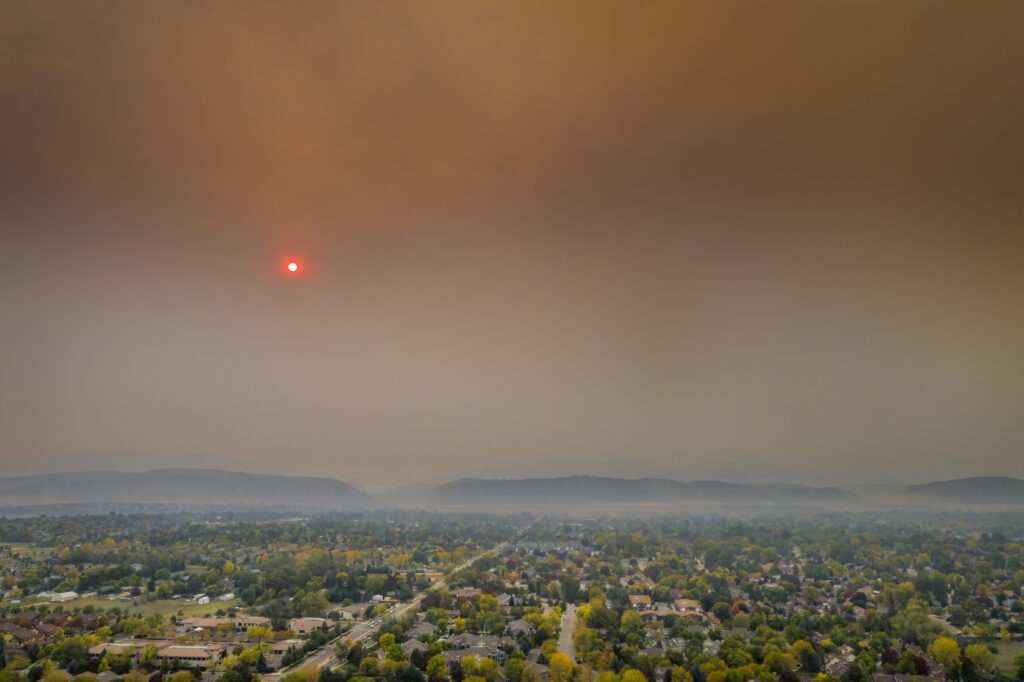
As wildfire season becomes longer and more intense, smoke is affecting communities far beyond the areas where fires are burning. In recent weeks, smoke from Canadian wildfires has triggered air quality alerts across much of the United States, reminding many people that wildfire smoke can travel hundreds or even thousands of miles.
Breathing smoky air isn’t ideal for anyone. For people living with lung cancer or in survivorship, wildfire smoke can be especially dangerous because it puts additional stress on lungs that may already be affected by cancer, surgery, radiation, or other treatments.
Here’s what you need to know about the health risks and how to protect yourself when air quality declines.
Why is wildfire smoke harmful?
Wildfire smoke is made up of a complex mixture of gases, chemicals, and tiny particles called PM2.5 (fine particulate matter). These particles are about 30 times smaller than the width of a human hair, allowing them to travel deep into the lungs and even enter the bloodstream.
Exposure to wildfire smoke can cause:
- Coughing or wheezing
- Shortness of breath
- Chest tightness
- Sore throat
- Burning or watery eyes
- Fatigue
- Worsening of asthma, COPD, or other lung conditions
Research also shows that wildfire smoke can increase the risk of emergency room visits and hospitalizations for respiratory and cardiovascular conditions, especially during periods of poor air quality.
Evidence-based guidance powered by NCCN Guidelines®
Personalized treatment plans shaped by the latest oncology standards—tailored to your diagnosis.
Get started
View your personalized treatment plan in the Outcomes4Me app
Use your diagnosis to unlock personalized NCCN Guidelines®-aligned recommendations.
Continue in app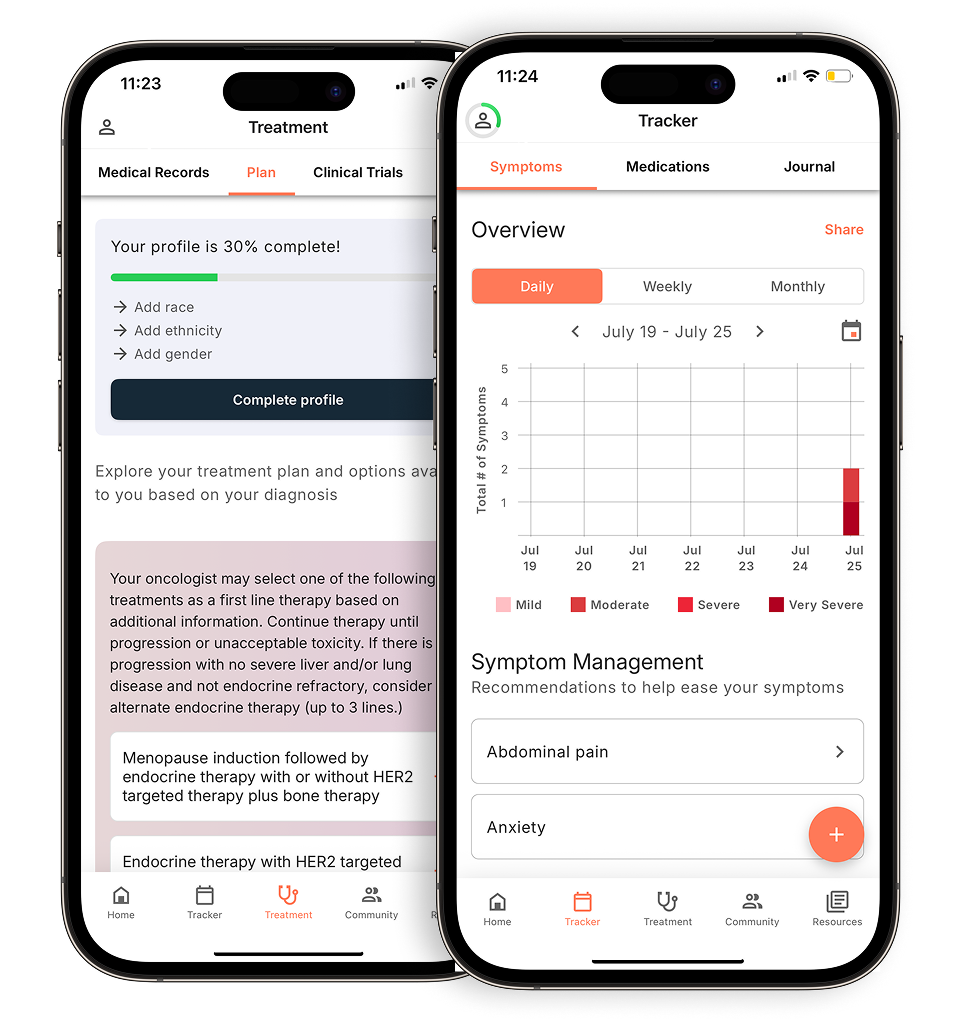
Why people with lung cancer should be extra careful
If you have lung cancer, your lungs may already have reduced reserve because of the cancer itself or treatments such as surgery, radiation therapy, chemotherapy, immunotherapy, or targeted therapy.
Wildfire smoke can make it harder to breathe and may worsen symptoms you already experience, including:
- Persistent cough
- Shortness of breath
- Fatigue
- Chest discomfort
Although wildfire smoke doesn’t make cancer grow or spread after a single exposure, it can trigger inflammation in the lungs and make breathing more difficult. Avoiding unnecessary exposure can help reduce symptom flare-ups and may lower the chance of needing urgent medical care during smoke events.
How to check if the air is safe
Before spending time outdoors, check your local Air Quality Index (AQI).
The AQI measures how clean or polluted the air is.
- 0–50 (Green): Good
- 51–100 (Yellow): Moderate
- 101–150 (Orange): Unhealthy for sensitive groups, including people with lung disease
- 151–200 (Red): Unhealthy for everyone
- 201+: Very unhealthy to hazardous
If you have lung cancer, it’s a good idea to begin limiting outdoor exposure once the AQI reaches the orange category or higher.
The AirNow website and mobile app provide real-time air quality information and wildfire smoke maps.
8 ways to protect yourself from wildfire smoke
Here are some proactive ways you can reduce the harm of wildfire smoke.
1. Stay indoors when air quality is poor
Keep windows and doors closed whenever possible.
If your home has central air conditioning, set it to recirculate so it doesn’t pull smoky air indoors.
2. Create a “clean air room”
Choose one room in your home where you spend most of your time.
Use a portable HEPA air purifier or high-efficiency filtration system to reduce fine particles in the air. Even one well-filtered room can significantly reduce smoke exposure.
3. Wear a well-fitting N95 or KN95 mask outdoors
If you must go outside, wear a properly fitted N95 or KN95 respirator. Cloth masks and standard surgical masks don’t effectively filter the tiny PM2.5 particles found in wildfire smoke.
4. Avoid strenuous outdoor activity
Exercise causes you to breathe faster and more deeply, allowing more smoke particles into your lungs. Consider moving walks or workouts indoors until air quality improves.
5. Keep your medications nearby
If you use inhalers, oxygen, or other medications for breathing problems, make sure they’re readily available.
Talk with your healthcare team about what symptoms should prompt you to call the office or seek urgent medical care during smoke events.
6. Don’t create more indoor pollution
When smoke levels are high:
- Avoid burning candles.
- Skip fireplaces and wood stoves.
- Don’t vacuum unless it has a HEPA filter.
- Limit frying foods that produce smoke.
These activities can further reduce indoor air quality.
7. Stay hydrated
Drinking plenty of water won’t remove smoke particles from your lungs, but staying hydrated may help soothe throat irritation and support your body’s normal mucus clearance.
8. Have a plan before wildfire season
If you live in an area where wildfire smoke is common, consider preparing ahead by:
- Purchasing replacement HEPA filters
- Keeping several N95 masks at home
- Downloading an air quality app
- Planning indoor exercise alternatives
- Knowing where nearby clean-air shelters are located
When should you call your healthcare team?
Contact your oncology team if you notice:
- Shortness of breath that’s worse than usual
- Persistent wheezing
- New or worsening cough
- Chest pain
- Fever or signs of infection
- Trouble performing normal daily activities because of breathing
Seek emergency medical care immediately if you have severe difficulty breathing, blue lips or fingertips, confusion, or chest pain.
If wildfire smoke is affecting your area and you’re unsure how it may impact your treatment or symptoms, don’t hesitate to reach out to your oncology team. They can help you develop a plan to stay safe while maintaining your cancer care.
Connect with an Outcomes4Me oncology nurse practitioner at no charge through the Outcomes4Me app, using the “Ask Outcomes4Me” button.
Personalized support for real care decisions
Understand your diagnosis, explore clinical trials, and track symptoms--all in one place.
Get started
Compare treatments, prepare for appointments, and track side effects—all in the app
Built for your diagnosis, Outcomes4Me gives you the tools to make confident, informed decisions—right when you need them.
Continue in app