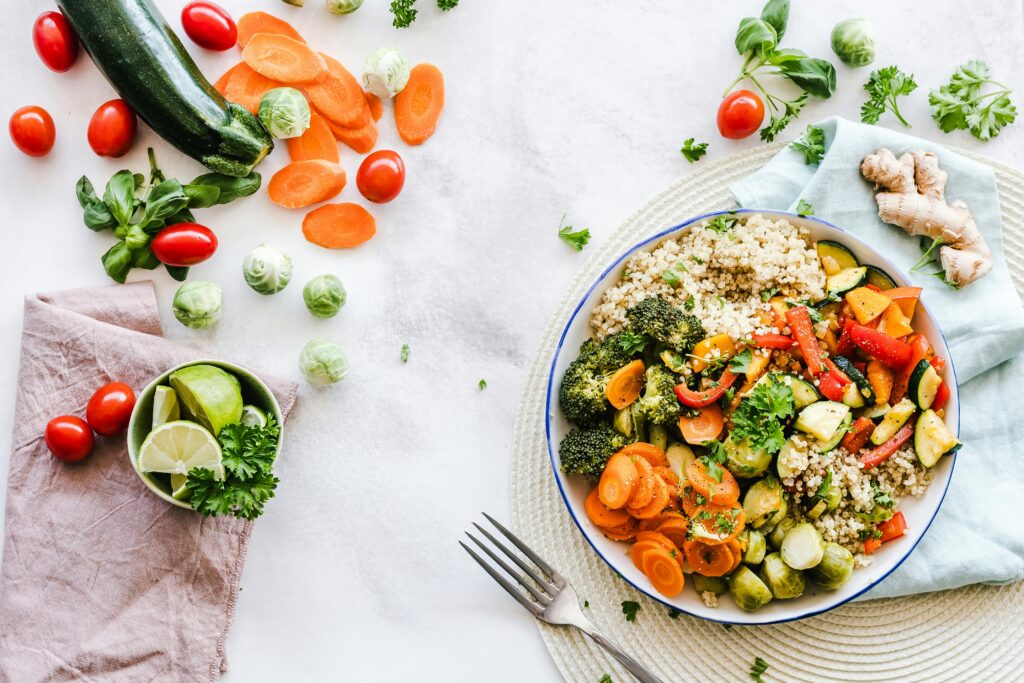
A cancer diagnosis can change many parts of daily life, including your relationship with food. During and after treatment, nutrition plays an important role in helping your body heal, maintain strength, manage side effects, and support your overall well-being.
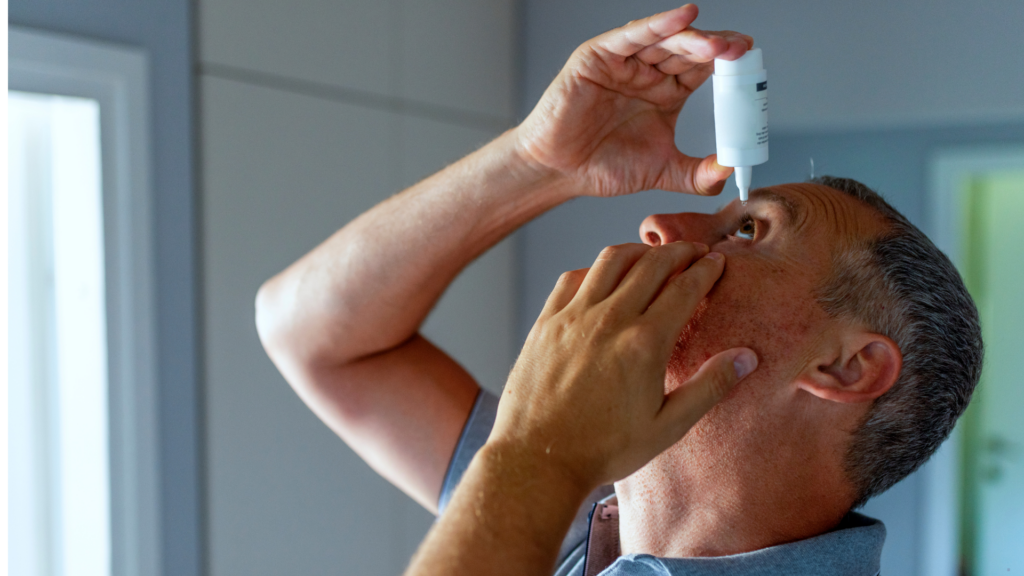
Eating isn’t always simple. Chemotherapy, immunotherapy, radiation, and surgery can all affect how food tastes and smells. Some people experience a metallic taste, dry mouth, nausea, mouth sores, or early fullness. Others may struggle with appetite loss or unexpected weight changes. Beyond the physical effects, eating can also feel emotionally complicated, especially when mealtime no longer brings comfort and feels more like a burden.
This is where an oncology nutritionist (dietitian) can make a meaningful difference. Having expert, personalized guidance can help you make sense of these changes.
What is an oncology nutritionist?
An oncology nutritionist is a registered dietitian who has specialized training and experience in working with people who have cancer. Oncology nutrition care is tailored specifically to cancer type, treatment plan, side effects, and personal preferences.
Evidence-based guidance powered by NCCN Guidelines®
Personalized treatment plans shaped by the latest oncology standards—tailored to your diagnosis.
Get started
View your personalized treatment plan in the Outcomes4Me app
Use your diagnosis to unlock personalized NCCN Guidelines®-aligned recommendations.
Continue in app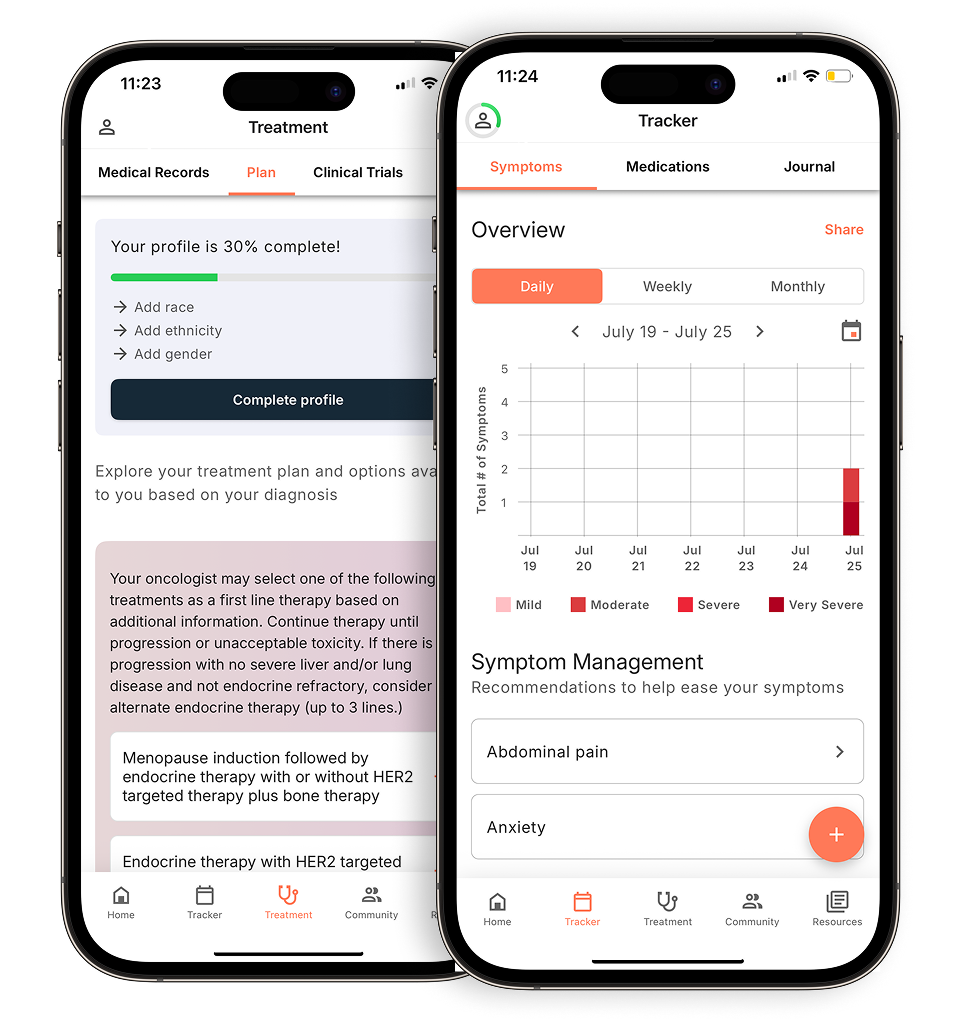
They understand how different treatments impact digestion, taste, appetite, and nutrient needs. For example, someone receiving chemotherapy may need strategies to manage nausea or taste changes, while someone recovering from surgery may need guidance on rebuilding strength. Georgetown University’s Dr. Stephen Liu shares, “ Diet is very important, not just to maintain energy and make sure we’re getting the right amount of calories or the right balance of protein, but also to avoid certain foods or supplements that might interact with cancer medicines. Because of those important drug interactions, we really see diet as part of the overall care plan.”
How can you find an oncology nutritionist?
If you’re interested in working with an oncology nutritionist, a good first step is to ask your oncology care team. Your cancer center may have dietitians on staff, and your doctor or nurse could refer you directly. Dr. Liu says, “Many cancer centers are well-equipped to provide these services. Very often they are available if patients ask.”
If that’s an option at your treatment center, you can search through professional organizations such as the Academy of Nutrition and Dietetics. You can use the “Find a Nutrition Expert” directory on their website. You can also look into platforms like Nourish and filter through dietitians who specialize in cancer care. Remember that telehealth appointments are always available if you’re unable to find an oncology nutritionist nearby.
Does insurance cover oncology nutrition services?
Insurance coverage for nutrition counseling varies depending on your plan. If you are being treated at a hospital-based cancer center, nutrition visits may be included as part of your comprehensive care. Check in with your care team and see what supportive services are available to you.
It’s always a good idea to call your insurance provider and ask whether outpatient nutrition counseling with a registered dietitian is covered under your plan and whether or not you need a referral. You can also ask the nutritionist’s office if they verify benefits before your appointment. If coverage is limited, some dietitians offer sliding-scale fees or package pricing.
What questions should you bring to your first appointment?
Your first visit is a chance to share what you’ve been experiencing and what feels most challenging. You might consider talking about any side effects that are affecting your ability to eat, such as nausea, constipation, diarrhea, taste changes, or fatigue. It can also be helpful to discuss recent weight changes, appetite shifts, or concerns about muscle loss or weight gain.
Many people also have questions about supplements, special diets, protein needs, or whether certain foods should be avoided during treatment. Bringing a list of medications and supplements you’re currently taking can help your nutritionist give safe, personalized advice.
Remember that no question is too small. Whether you’re wondering how to get enough calories when nothing tastes good, how to manage a loss of taste, or how to rebuild strength after treatment ends, an oncology nutritionist is there to support you.
We’re here to help you find answers. Connect with an oncology nurse practitioner directly using the Ask Outcomes4Me button in the Outcomes4Me app.
Personalized support for real care decisions
Understand your diagnosis, explore clinical trials, and track symptoms--all in one place.
Get started
Compare treatments, prepare for appointments, and track side effects—all in the app
Built for your diagnosis, Outcomes4Me gives you the tools to make confident, informed decisions—right when you need them.
Continue in app