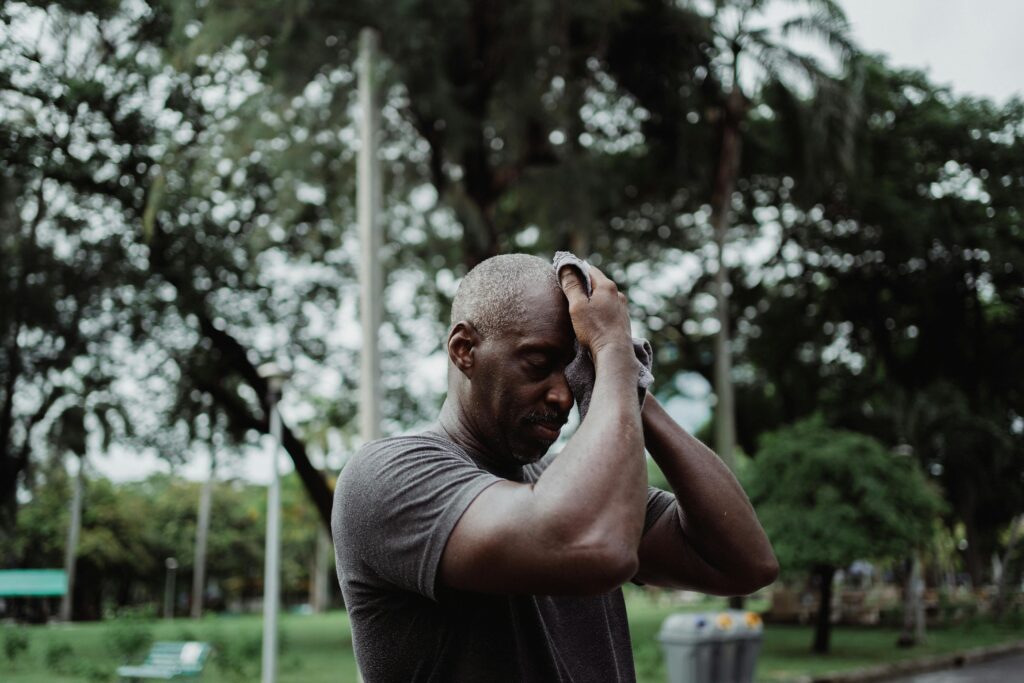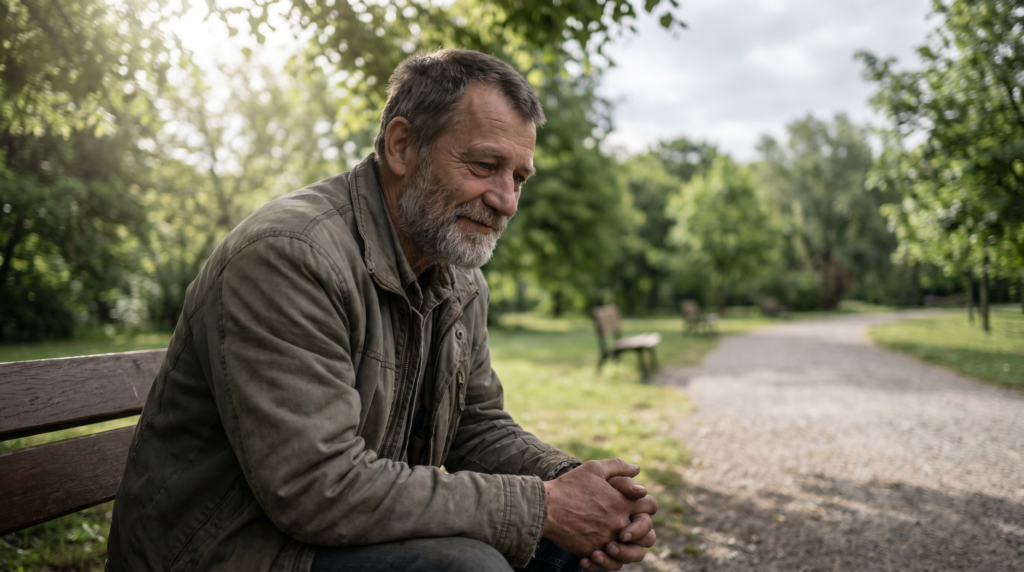
This isn’t the kind of tiredness that a good night’s sleep fixes. Prostate cancer fatigue can feel bone-deep. It can feel like a relentless heaviness that doesn’t lift after rest, makes concentration feel impossible, and can quietly erode your quality of life. According to a roundtable analysis published in PMC, up to 90% of patients with advanced prostate cancer experience fatigue, compared to roughly 40% in patients with other types of cancer.
A major driver is androgen deprivation therapy (ADT), one of the most common treatments for prostate cancer. ADT works by dramatically reducing testosterone, but that same testosterone plays a critical role in maintaining muscle mass and the body’s ability to store glycogen (its primary energy fuel). When testosterone drops, muscles atrophy, glycogen reserves shrink, and the body simply has less capacity to generate energy.
Fatigue is a clinical symptom, and there are evidence-backed strategies that can genuinely help.
9 science-backed ways to manage prostate cancer fatigue
These nine strategies draw on current clinical guidance and address the unique demands of prostate cancer treatment side effects, from hormonal shifts to treatment-related anemia.
1. Practice energy conservation
What it is: Treat your daily energy like a limited budget. Prioritize essential tasks, delegate where possible, and schedule demanding activities during your peak energy window (often mid-morning for most patients).
Why it works: Pacing prevents the “boom and bust” cycle that deepens fatigue over time. UCLA Health recommends planning rest periods before and after strenuous activities.
2. Build a sleep hygiene routine that accounts for night sweats
How to do it: Keep your bedroom cool (around 65–68°F), use moisture-wicking bedding, and maintain a consistent sleep-wake schedule. A fan or cooling mattress pad can reduce night sweat disruption significantly.
Why it works: ADT-induced night sweats and hot flashes fragment sleep architecture, preventing restorative deep sleep. Addressing the environment directly targets one of the most disruptive physical barriers to rest. Researchers are actively examining therapies that can help reduce hot flashes. Ask your care team if you’re eligible for clinical trials.
Evidence-based guidance powered by NCCN Guidelines®
Personalized treatment plans shaped by the latest oncology standards—tailored to your diagnosis.
Get started
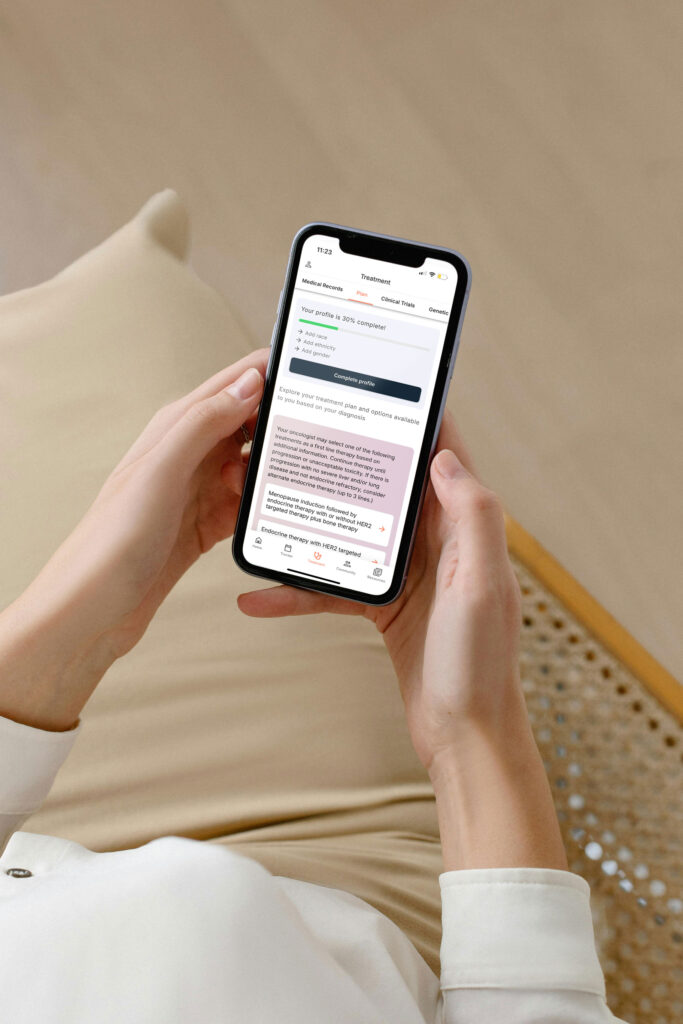
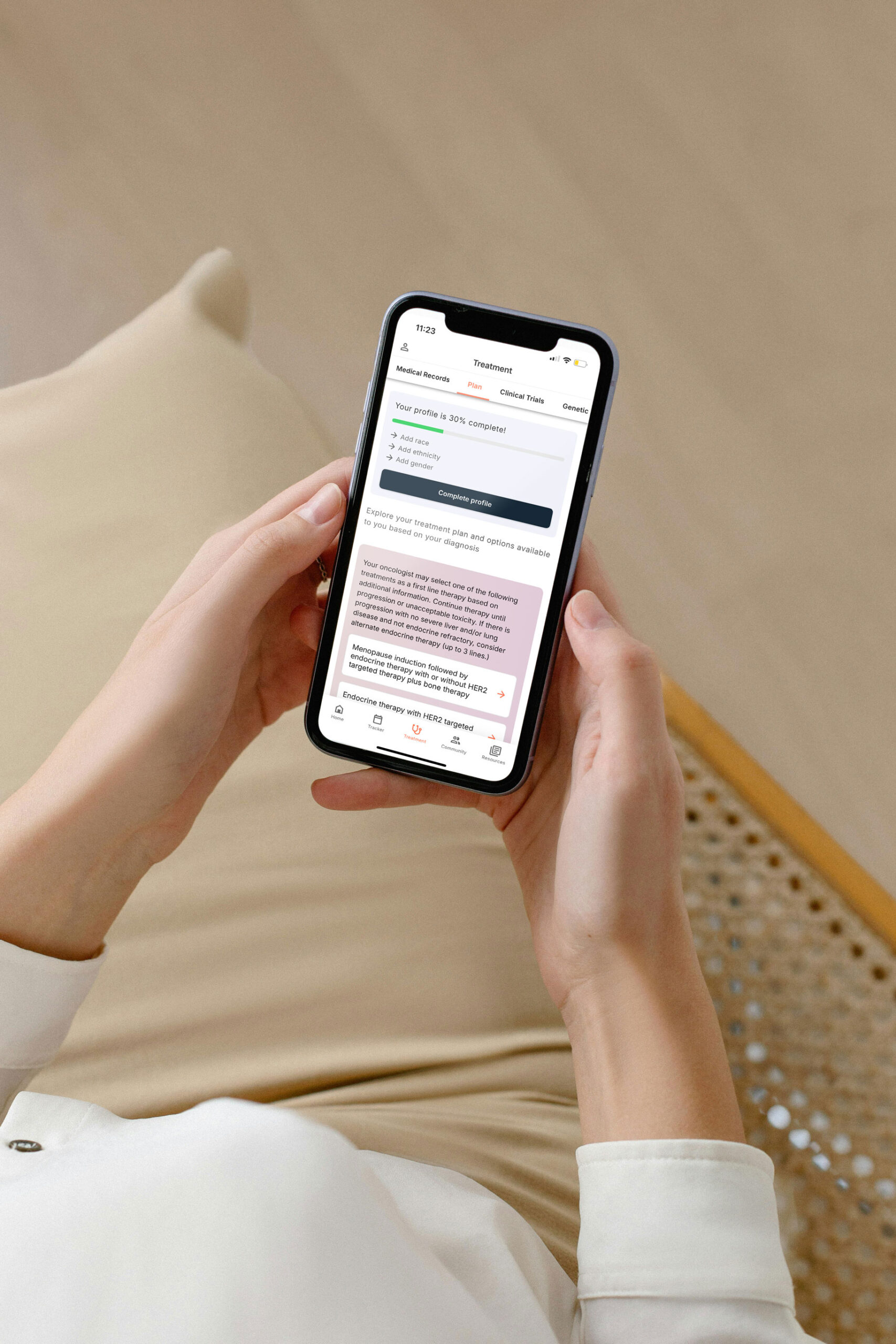
View your personalized treatment plan in the Outcomes4Me app
Use your diagnosis to unlock personalized NCCN Guidelines®-aligned recommendations.
Continue in app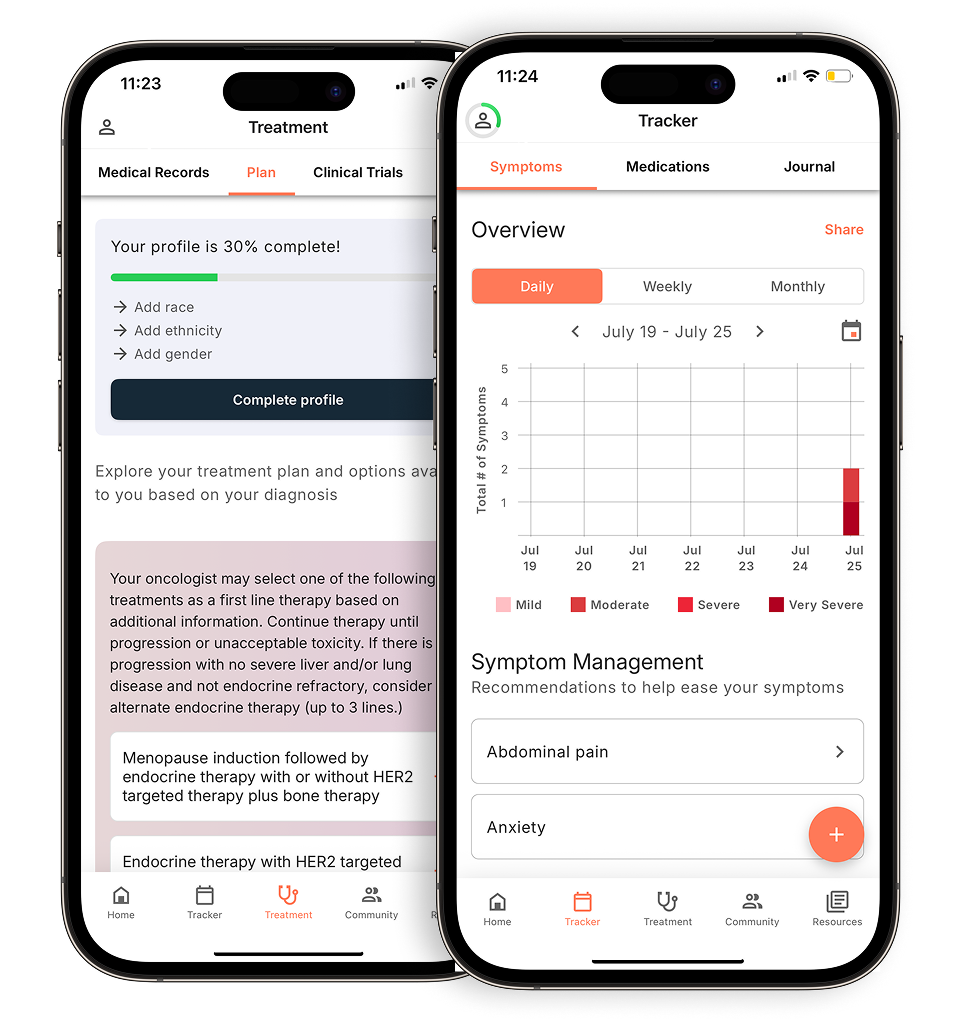
3. Stabilize blood sugar through diet
How to do it: Favor whole grains, lean proteins, and healthy fats over refined carbohydrates. Eating smaller, balanced meals every 3–4 hours avoids the energy crashes that amplify fatigue.
Why it works: Blood sugar spikes and dips create a cycle of false energy followed by crashes, a pattern particularly pronounced during hormonal therapy.
4. Take short, frequent walks
How to do it: Start with 10-minute walks twice a day. Consistency matters far more than intensity — flat terrain, comfortable shoes, same time each day.
Why it works: Light walking preserves muscle mass and cardiovascular function without overtaxing the body. Even gentle movement helps counter the physical deconditioning that makes fatigue worse.
5. Explore psychological support
How to do it: Ask your care team for a referral to an oncology psychologist or a therapist trained in Cognitive Behavioral Therapy for cancer-related fatigue.
Why it works: CBT-F directly targets unhelpful thought patterns — like catastrophizing fatigue — that worsen the experience and reduce activity levels.
6. Review medications for anemia
How to do it: Request a complete blood count (CBC) at your next oncology appointment and ask specifically whether anemia could be contributing to your fatigue levels.
Why it works: Anemia is a common and treatable contributor to cancer-related fatigue. Identifying it early opens the door to targeted interventions.
7. Stay consistently hydrated
How to do it: Aim for 8–10 cups of water daily. Set phone reminders if needed, and monitor urine color — pale yellow is the target.
Why it works: Even mild dehydration impairs cognitive function and compounds the mental fog (“chemo brain”) that frequently accompanies treatment fatigue.
8. Use mindfulness and stress reduction
How to do it: Dedicate 10 minutes daily to a guided breathing exercise, body scan meditation, or an activity that allows you to focus on the present moment.
Why it works: Chronic stress from a cancer diagnosis elevates cortisol, which disrupts sleep and amplifies physical fatigue. Mindfulness can help combat stress while promoting more restful sleep.
Cancer care guidance for every step of your journey
Get treatment options, clinical trials, and support tailored to your diagnosis--all in one place.
Get started
See treatment options, manage symptoms, and stay informed—all in the app
View treatment options and trials personalized to your diagnosis—plus track progress in real time.
Continue in app9. Nap strategically
How to do it: If you nap, keep it to 20–30 minutes and schedule it before 3:00 PM. Set an alarm to prevent drifting into deeper sleep cycles.
Why it works: Short naps can help restore alertness without undermining nighttime sleep quality. Longer or later naps shift your circadian rhythm, creating a feedback loop that makes nighttime fatigue worse.
Breaking the fatigue cycle
Here’s the counterintuitive truth: doing less often makes prostate cancer fatigue worse. When exhaustion drives you to the couch, your muscles weaken, your cardiovascular fitness drops, and everyday tasks demand even more effort, which makes you more tired. It’s a self-reinforcing loop. Dr. Cackowski says, “I sometimes tell patients that ‘fatigue begets fatigue,’ meaning that the treatment could make you tired and that you might subsequently get more tired because of decreased activity level.”
Start here: 3 low-bar entry points
Exercise doesn’t have to be done at a gym. Below are some simple exercises you can do at home to help you incorporate more movement into your routine.
- Chair squats: Stand and sit from a sturdy chair, 8–10 reps. Builds leg strength with zero equipment.
- Resistance band rows (or use light weights): Seated, pulling a band or light weights toward your chest.
- 10-minute walks: Get outside and walk on a flat surface at a comfortable pace.
Small, consistent movement signals to your body that it’s safe to rebuild. These modest steps can help you establish a routine that allows for more momentum as you feel better. matters more than most people realize. Communicating your fatigue clearly to your care team also unlocks personalized guidance, and that conversation is easier than many patients expect.
How to talk to your care team about fatigue
Your care team can only address what they know about, and vague descriptions like “I’m tired” often don’t trigger the right clinical response. Tracking your symptoms over time and clearly communicating how they’re affecting your quality of life matters.
Turn vague feelings into clinical language
What you might feel | How to describe it to your doctor
|
|---|---|
“I can’t get off the couch.” | “My fatigue limits basic daily activities.” |
“My brain feels foggy.” | “I’m having difficulty concentrating.” |
“My arms and legs feel like lead.” | “I have physical heaviness affecting mobility.” |
“I’m not sleeping well. “ | “My sleep isn’t restorative. I still have fatigue regardless of rest.” |
“I have some good days and some bad days.” | “My energy levels are unpredictable, and it affects my daily routine.” |
Consider keeping a fatigue diary and logging severity (1–10), time of day, and triggers. This transforms a subjective complaint into objective data your provider can act on.
Don’t hesitate to ask specifically about palliative care or symptom management specialists. Palliative care isn’t end-of-life care. It’s expert support for quality of life, available at any stage of treatment.
Standard care protocols continue to evolve, and in the next section, we’ll explore how clinical trials are expanding access to tomorrow’s supportive care today.
The role of clinical trials in managing side effects
Not all clinical trials focus on treatments and therapies. Many are designed specifically around quality of life and side effect mitigation. This includes testing interventions like structured exercise protocols, sleep therapies, and psychological support programs. Others use genetic and clinical data to match patients to treatments their bodies are more likely to tolerate, reducing the severity of fatigue before it starts.
Questions to ask your care team about trials:
- Are there open trials focused on fatigue or quality of life at this stage?
- Does my genetic profile qualify me for any targeted, better-tolerated treatment options?
- Where can I find what clinical trials are open for enrollment?
Outcomes4Me is here to help you better understand your diagnosis and treatment options. You deserve clear, trustworthy information at every step.
Personalized support for real care decisions
Understand your diagnosis, explore clinical trials, and track symptoms--all in one place.
Get started
Compare treatments, prepare for appointments, and track side effects—all in the app
Built for your diagnosis, Outcomes4Me gives you the tools to make confident, informed decisions—right when you need them.
Continue in app