
A prostate cancer diagnosis often brings a new focus to health and well-being. A new study offers some insight into one area patients can discuss with their care teams: diet and nutrition.
Researchers found that men who consumed higher amounts of saturated fat after their nonmetastatic prostate cancer diagnosis had a higher risk of dying during long-term follow-up, particularly from cardiovascular disease and other cancers. In contrast, replacing some saturated or animal-based fats with plant-based or monounsaturated fats was associated with a lower risk of death from any cause.
It’s important to note that the study didn’t find an association between dietary fat intake and death from prostate cancer itself. Instead, the findings point to the potential importance of diet as part of overall survivorship and long-term health.
What did the study find?
Researchers analyzed data from nearly 5,000 men with nonmetastatic prostate cancer. Participants had been diagnosed with prostate cancer between 1986 and January 2019 and were followed through December 2022.
Dietary information was collected every four years using food questionnaires. Researchers looked at participants’ intake of several types of fat, including:
- Saturated fats, which are commonly found in foods such as fatty meats, butter, cheese and other full-fat dairy products
- Animal fats
- Monounsaturated fats, found in foods such as olive oil, avocados and many nuts
- Polyunsaturated fats, found in foods such as fatty fish, nuts, seeds and some plant oils
- Plant-based fats
During a median follow-up of 12.8 years, more than 3,000 deaths occurred among the participants.
Evidence-based guidance powered by NCCN Guidelines®
Personalized treatment plans shaped by the latest oncology standards—tailored to your diagnosis.
Get started
View your personalized treatment plan in the Outcomes4Me app
Use your diagnosis to unlock personalized NCCN Guidelines®-aligned recommendations.
Continue in app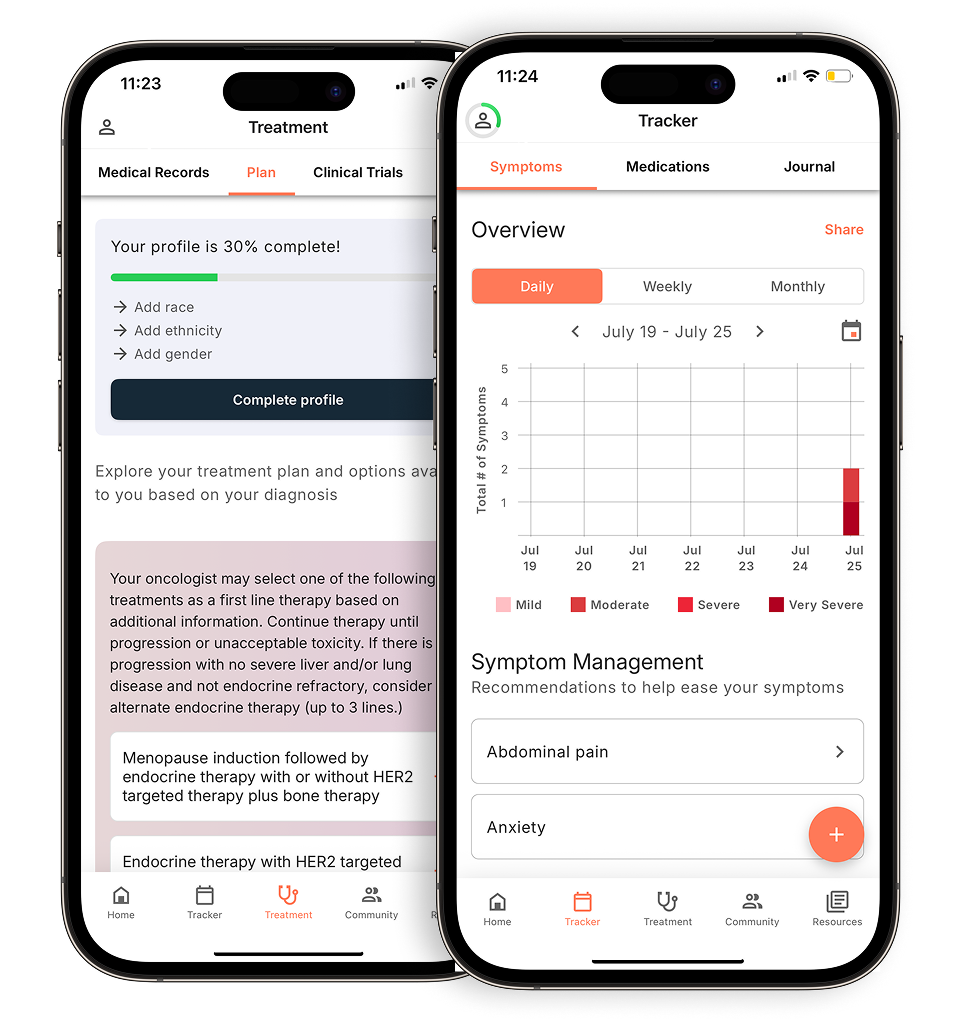
Men with the highest intake of saturated fat after their prostate cancer diagnosis had a 24% higher risk of death from any cause compared with those with the lowest intake.
The higher saturated-fat intake was particularly associated with deaths from cardiovascular disease, as well as deaths from other cancers.
Why does this matter for people living with prostate cancer?
Prostate cancer survivorship is about more than monitoring the cancer itself.
Many people with nonmetastatic prostate cancer live for years after diagnosis, making long-term health an important part of care. Cardiovascular disease is already a major health concern for many adults, and some prostate cancer treatments can also affect cardiovascular and metabolic health.
That means lifestyle factors such as nutrition, physical activity, maintaining a healthy weight, and managing conditions such as high blood pressure and cholesterol should be included in a holistic survivorship plan.
This study adds to the evidence that the type of fat in your diet may be worth paying attention to, not simply the total amount of fat you eat.
Could changing the type of fat make a difference?
One of the most interesting findings was what happened when researchers modeled replacing certain types of fat with healthier alternatives.
Replacing 10% of calories from animal fats with plant-based fats was associated with a 16% lower risk of death from any cause.
Similarly, replacing 5% of calories from saturated fats with monounsaturated fats was associated with a 20% lower risk of death from any cause.
These findings don’t mean that changing your diet will prevent prostate cancer from returning or guarantee a longer life. This was an observational study, meaning researchers identified associations rather than proving that one dietary change directly caused the difference in survival.
Still, the results suggest a practical approach: rather than focusing only on cutting out fat, consider which sources of fat you are choosing.
For example, you might consider:
- Using olive or other plant-based oils instead of butter when appropriate
- Choosing nuts, seeds and avocados as sources of healthy fats
- Eating fish and other foods rich in unsaturated fats
- Choosing leaner cuts of meat and limiting fatty or processed meats
- Reducing foods that are particularly high in saturated fats, such as butter and full-fat dairy products
Small changes can add up over time, and you don’t necessarily need to completely eliminate a particular food to make your overall eating pattern healthier.
What about prostate cancer itself?
An important detail from this study is that researchers didn’t find an association between dietary fat intake and death from prostate cancer.
In other words, the findings shouldn’t be interpreted as showing that eating less saturated fat can treat prostate cancer or prevent it from progressing.
Your prostate cancer treatment and follow-up plan should continue to be based on factors such as your cancer’s stage, grade, PSA level, overall health, and other characteristics of your cancer.
Nutrition is best viewed as one part of a broader approach to survivorship, rather than a replacement for cancer treatment.
A healthy diet can be part of your survivorship plan
After prostate cancer treatment, it can be easy to focus solely on whether the cancer is gone or stable. But survivorship also means taking care of the rest of your health.
This study suggests that choosing more plant-based and unsaturated sources of fat may be one way to support long-term health, particularly cardiovascular health.
If you’re unsure where to start, consider talking with your oncologist, urologist, primary care clinician, or a registered dietitian. They can help you create an eating pattern that takes into account your cancer history, treatment, other health conditions, medications, and personal preferences.
Disclaimer: The information provided in this article is for informational purposes only and is not intended to be a substitute for professional medical advice, diagnosis, or treatment. Outcomes4Me is not acting as your caregiver, and any suggestions or guidance offered should not replace the advice of your healthcare provider or qualified medical professional. Always seek the guidance of your physician or other qualified health provider with any questions you may have regarding a medical condition.
Personalized support for real care decisions
Understand your diagnosis, explore clinical trials, and track symptoms--all in one place.
Get started
Compare treatments, prepare for appointments, and track side effects—all in the app
Built for your diagnosis, Outcomes4Me gives you the tools to make confident, informed decisions—right when you need them.
Continue in app