
Treatment for non-small cell lung cancer touches every part of your life. While we often focus on physical symptoms, the emotional and cognitive changes are just as real. Managing the side effects of metastatic nsclc treatment means caring for your whole self—mind and body. This guide offers practical strategies for the common challenges of advanced nsclc treatment side effects, from fatigue and diet changes to anxiety and mental fog. Think of this as a starting point for your nsclc care plan, filled with simple, actionable tips to help you feel more in control.
View your personalized treatment plan in the Outcomes4Me app
Use your diagnosis to unlock personalized NCCN Guidelines®-aligned recommendations.
Key Takeaways
- Speak up about your side effects: Open and honest communication with your care team is the first step to feeling better. Tracking your symptoms in a simple log and describing them specifically helps your doctor find the most effective solutions for you.
- Go beyond medication for daily comfort: Simple, practical steps can make a huge difference in managing side effects like fatigue and nausea. Try incorporating gentle movement, adjusting your diet, and creating a restful environment to support your well-being during treatment.
- Create a complete support plan: Your care extends beyond your medical treatment. Don’t hesitate to lean on friends, family, and support groups, and ask your doctor about palliative care as an extra layer of support focused on your quality of life.
Understanding metastatic non-small cell lung cancer (NSCLC)
What is NSCLC?
Non-small cell lung cancer, or NSCLC, is the most common type of lung cancer, accounting for about 80% to 85% of all cases. When you hear the term “metastatic,” it simply means the cancer has spread from its original location in the lung to other parts of the body. Getting this diagnosis can feel overwhelming, but understanding the basics is a helpful first step. It allows you to have more informed conversations with your care team and feel more in control of your treatment journey. Knowing exactly what you’re facing is key to finding the right path forward for you.
Key statistics about NSCLC
When looking at statistics, it’s important to remember they represent large groups of people and can’t predict any single person’s outcome. According to the Cleveland Clinic, the five-year survival rate for NSCLC that has spread to distant parts of the body is 9%. While this number can be intimidating, it’s a snapshot in time. It doesn’t account for the latest treatment advancements or your individual health circumstances. New therapies are constantly being developed, and these statistics are always evolving. Your care team will have the most current information and can provide context based on your specific situation.
Types of NSCLC
NSCLC isn’t just one disease; it’s a category that includes a few different types of cancer. The three main ones are adenocarcinoma, squamous cell carcinoma, and large cell carcinoma. Adenocarcinoma is the most common form, especially among non-smokers, and it starts in the cells that produce mucus. Squamous cell carcinoma develops in the flat cells that line the airways. Large cell carcinoma can appear anywhere in the lung and tends to grow more quickly. Identifying the specific type of NSCLC you have is a crucial piece of the puzzle, as it helps your doctors choose the most effective treatments.
Common risk factors
While smoking is the biggest risk factor for developing NSCLC, it’s not the only one. It’s important to know that anyone can get lung cancer. Other factors that can increase risk include having a family history of the disease, long-term exposure to substances like asbestos or radon, and having certain lung conditions like chronic obstructive pulmonary disease (COPD). Understanding these risk factors can provide context, but it’s more important to focus on the present and the steps you can take now to manage your health with the support of your care team.
How NSCLC is staged
Staging is how doctors determine the extent of the cancer in your body. For NSCLC, Stage 4 is the most advanced stage, which means the cancer has spread beyond the lungs to other areas. This information is vital because it guides your entire treatment plan. Your oncology team uses your specific diagnosis and stage to recommend the best course of action. At Outcomes4Me, our app uses this same information—your unique diagnosis and disease stage—to provide personalized guidance based on the latest NCCN Guidelines®, helping you understand your options more clearly.
Symptoms of metastasis
When NSCLC reaches Stage 4, you may experience more noticeable symptoms. These can include a persistent cough, chest pain that doesn’t go away, shortness of breath, feeling very tired, or unexplained weight loss. You might also notice a loss of appetite or even cough up blood. It’s essential to keep track of any new or changing symptoms and communicate them to your doctor or nurse. They need this information to help manage your side effects and adjust your treatment plan if necessary, ensuring you get the best possible care and maintain your quality of life.
What are the common side effects of metastatic NSCLC treatment?
Going through treatment for non-small cell lung cancer (NSCLC) is a major step, and it’s completely normal to wonder about side effects. Treatments like chemotherapy and radiation are designed to attack fast-growing cancer cells. The challenge is that they can sometimes affect healthy, fast-growing cells in your body, too. This is what causes many of the side effects you might experience.
It’s helpful to remember that everyone’s experience is different, and your care team is there to help you manage any challenges that come up. Understanding what to expect can make the process feel more manageable.
How treatment can affect your body
The physical side effects of NSCLC treatment can vary widely from person to person. Some of the most common ones include deep tiredness known as fatigue, nausea, hair loss, a sore mouth, and changes in appetite. You might also experience anemia (low red blood cells), easier bruising, or a tingling sensation in your hands and feet. Fatigue is often described as more than just being tired; it’s a profound exhaustion that rest doesn’t always relieve. Nausea and vomiting are also very common, particularly with chemotherapy. The good news is that there are many ways to manage these symptoms and side effects, and your doctor can prescribe medications to help you feel better.
The emotional and mental side of treatment
Your well-being goes beyond the physical, and it’s just as important to pay attention to your emotional and mental health during treatment. It’s common to feel anxious or down, and these feelings are a valid part of the experience. Talking with a mental health professional or leaning on friends and family can make a real difference. Some people also notice changes in their thinking, sometimes called “chemobrain.” This might feel like a mental fog, making it harder to remember things or focus. Simple strategies like getting enough sleep and keeping your mind active can help. Taking care of your mental health is a key part of your overall treatment plan.
Side effects of immunotherapy
Immunotherapy works differently than chemotherapy by using your body’s own immune system to fight cancer. While it’s often associated with fewer side effects, it’s important to know that it can cause your immune system to become overactive and affect healthy parts of your body. This can lead to a range of issues, often related to inflammation. You might experience skin conditions like rashes, diarrhea, or fatigue. In some cases, more serious side effects can occur, such as inflammation of the lungs (pneumonitis) or heart (pericarditis). The most important thing you can do is report any new or unusual symptoms to your care team right away. They are prepared to manage these reactions, but they need to know what’s going on to help you feel your best.
Simple ways to manage nausea and vomiting
Nausea and vomiting are some of the most well-known side effects of cancer treatment, but that doesn’t make them any easier to deal with. Feeling sick can affect your appetite, your energy, and your overall quality of life. The good news is that there are many effective ways to manage these symptoms, and you don’t have to just push through it. Your care team has a lot of experience helping people through this, and they will work with you to find a solution that fits your specific situation.
Managing nausea often involves a combination of strategies, including medication, simple changes to your diet, and creating a more comfortable environment for yourself. It might take a little trial and error to figure out what works best for you, so be patient with yourself and your body. The most important step is to keep your doctor or nurse informed about how you’re feeling. They can’t help if they don’t know what you’re experiencing, so don’t hesitate to speak up. Together, you can create a plan to keep you feeling as good as possible during your treatment. This proactive approach can make a significant difference in your day-to-day comfort and ability to stick with your treatment schedule.
Using medication to ease nausea
Your doctor will likely prescribe anti-nausea medicine, also called antiemetics, to help prevent or reduce nausea and vomiting. It’s really important to take this medicine exactly as prescribed. Sometimes, your doctor will want you to take it before a treatment session to stop nausea before it even starts.
There are many different types of anti-nausea drugs, and the one your doctor chooses will depend on your specific cancer treatment. If you find that the first medication you try isn’t working well, let your care team know. They can often adjust the dose or switch you to a different one that might be more effective for you.
What to eat when you feel nauseous
What you eat—and how you eat it—can make a big difference when you’re feeling nauseous. You may need to experiment a bit to find what settles best with your stomach. Many people find it helpful to avoid foods that can trigger nausea, such as anything too greasy, salty, sweet, or spicy.
Try eating smaller meals more often throughout the day instead of three large ones. Some people also find that cold meals are easier to tolerate because they don’t have a strong smell. After a treatment session, it can be a good idea to wait at least an hour before you eat or drink anything. The American Cancer Society offers more helpful tips for managing your diet during treatment.
Simple ways to make your space more comfortable
Simple adjustments to your surroundings and daily habits can also help ease nausea. After you eat, try to rest for a bit while sitting upright, as lying down flat can make you feel worse. It’s also a good idea to drink fluids between your meals rather than during them, which can help prevent you from feeling overly full. Cold, clear drinks like water, flat ginger ale, or diluted juice are often good options.
Pay attention to your environment, too. Strong smells from cooking, perfumes, or smoke can sometimes trigger nausea, so try to get fresh air when you can. Wearing loose, comfortable clothing that doesn’t put pressure on your stomach can also provide some relief.
When to call your doctor about nausea
It’s essential to remember that your care team is your partner in managing side effects. They expect and want you to call if you’re struggling. You should reach out to your doctor or nurse if the anti-nausea medication they prescribed isn’t providing relief, or if you find yourself vomiting several times a day. It’s especially important to call if you’re unable to keep any liquids down for more than a day. Don’t feel like you have to tough it out; letting them know what’s happening is the first step toward finding a better solution, whether that’s adjusting your medication or trying a new approach.
Beyond frequent vomiting, there are other signs that mean it’s time to check in with your medical team. Pay close attention to the symptoms of dehydration, which can happen if you’re not able to keep fluids down. These can include feeling dizzy or lightheaded, having a dry mouth, or noticing that your urine is dark yellow. Unmanaged nausea can also lead to weight loss and weakness, which can interfere with your treatment plan. Calling your doctor isn’t a bother—it’s a crucial part of taking care of yourself and staying on track with your treatment. They are there to help you manage these issues effectively.
How to cope with treatment-related fatigue
Feeling tired is one thing, but the deep, persistent exhaustion that can come with cancer treatment is on a different level. It’s more than just sleepiness—it can affect your daily life, mood, and ability to keep up with your treatment plan. This kind of fatigue is a very real and common side effect for people with non-small cell lung cancer (NSCLC). While it can feel overwhelming, it’s important to know that you’re not alone and there are practical steps you can take to manage it.
The key is to find a new rhythm that works for your body as it goes through treatment. This often involves being more intentional with how you use your energy, finding a gentle balance between moving and resting, and not being afraid to ask for the help you need. By focusing on these strategies, you can find ways to get through your day with a little more ease and focus on what matters most: your health and well-being.
How to save your energy for what matters
Think of your energy as a bank account. During treatment, you have fewer deposits and more withdrawals, so you need to be mindful of your spending. Start by prioritizing your daily tasks. What absolutely has to get done today, and what can wait or be delegated? Focus on the activities that are most important to you. It’s okay to let some things go, like keeping the house perfectly tidy. Asking for and accepting help from friends and family is a sign of strength, not weakness. Let someone else pick up groceries or cook a meal. Also, pay attention to your body’s basic needs; getting enough nutrition and hydration is fundamental to maintaining your energy levels.
Finding your balance between movement and rest
It might sound counterintuitive, but sometimes the best thing for fatigue is a little bit of gentle movement. You don’t need to run a marathon; a short walk, some light stretching, or a gentle yoga session can make a surprising difference in your energy levels. The goal is to listen to your body. On days you feel up to it, try to incorporate some light activity. On days you don’t, allow yourself to rest. Short naps (around 20-30 minutes) can be very restorative, but try to avoid long naps that might interfere with your sleep at night. Finding this balance between light exercise and rest is a personal process, so be patient with yourself as you figure out what feels right.
Leaning on your support system
You don’t have to manage treatment fatigue on your own. Your care team is your best resource for medical advice. Be sure to tell them about your fatigue, as they can check for other contributing causes, like anemia, and suggest specific strategies to help. Beyond your medical team, your emotional support network is crucial. Friends and family can offer practical help, but connecting with others who truly understand what you’re going through can be incredibly validating. Consider joining a support group, either in person or online. The American Lung Association and other organizations offer resources to help you find a community of people who can share their own experiences and wisdom.
When to call your doctor about fatigue
While some level of fatigue is expected during treatment, it’s important to know when it might be a sign of something more serious. You should reach out to your care team if your fatigue becomes severe. For example, if you find you can’t get out of bed for more than 24 hours, feel dizzy, have trouble waking up, or notice that the exhaustion is getting progressively worse, it’s time to make that call. These symptoms are your body’s way of signaling that it needs extra support. Letting your doctor know allows them to rule out other medical causes, like anemia, and make sure you have the right plan in place to keep you safe and as comfortable as possible. Don’t hesitate to speak up; your team is there to help you through these challenges.
How to manage pain during treatment
Pain can be a difficult and draining side effect of NSCLC treatment, but it’s important to remember that you don’t have to simply endure it. Managing pain is a key part of your overall care, and there are many effective strategies you and your care team can use. Open communication is the first step. Your doctors can’t help with a problem they don’t know about, so letting them know exactly how you’re feeling is crucial.
A good approach to pain management often involves a combination of medication, other supportive therapies, and a clear plan. By working closely with your care team, you can find a routine that helps you feel more comfortable and in control. Remember, your comfort is a priority, and there are always options to explore if your current plan isn’t providing enough relief.
How medication can help manage pain
You should never feel like you just have to “put up with” pain. Talk to your doctor about what you’re experiencing so they can recommend the right pain medicine for your situation. To help them, it can be useful to keep a journal to track your pain. Note when it happens, what you were doing, how intense it was, and what it felt like—was it sharp, dull, aching, or burning? This information gives your doctor a clearer picture, allowing them to work with you to adjust medicines and find the right dosage to bring you relief.
Non-medication options for pain relief
In addition to medication, some people find relief through complementary therapies. These are treatments used alongside standard medical care. Methods like acupuncture, massage, or meditation may help ease pain and reduce stress. It’s essential to discuss these options with your doctor before trying them. Your care team can help you understand the potential benefits and ensure that any therapy you choose is safe and won’t interfere with your cancer treatment. They may also be able to recommend qualified practitioners who have experience working with people undergoing cancer treatment.
Creating your personal pain management plan
Creating a pain management plan with your care team is a proactive way to stay on top of this side effect. This plan isn’t just about what to do when pain strikes; it’s about preventing it when possible and managing it effectively when it does. Always tell your cancer treatment team about any pain or other concerns you have. Don’t be afraid to speak up if a certain approach isn’t working. Your feedback is the most important tool your team has for adjusting your plan and ensuring you get the best possible care.
Managing skin, hair, and eye changes
Your skin, hair, and eyes are often some of the first places to show the effects of cancer treatment. While changes like rashes or hair loss can be frustrating and affect how you feel about yourself, they are typically manageable. The key is to be gentle with your body and proactive in your care. Simple adjustments to your daily routine can make a big difference in your comfort. It’s also important to keep your care team in the loop about any new or bothersome changes you notice. They can offer specific advice and treatments to help you feel more like yourself.
Tips for rashes and dry skin
Your skin might become dry, itchy, or develop a rash during treatment. To keep it as comfortable as possible, be gentle. Wash with a soft cloth and a mild, fragrance-free soap, and pat your skin dry instead of rubbing. Applying a thick, alcohol-free moisturizer frequently throughout the day can help lock in moisture and soothe irritation. When you get dressed, choose soft, loose-fitting clothing to avoid friction. Since your skin may be more sensitive to the sun, it’s a good idea to protect yourself with a wide-brimmed hat, sunglasses, and by seeking shade when you’re outside.
Coping with hair loss
Hair loss can be one of the more emotionally challenging side effects of treatment. If your doctor expects you might lose your hair, you can take steps to feel more prepared. Some people choose to cut their hair short ahead of time, which can make the transition feel less dramatic. Others find comfort and style in wigs, scarves, or turbans. While your hair is thinning or growing back, treat it with extra care. Use a mild shampoo and be gentle when brushing. You may have heard about cooling caps, which can sometimes help reduce hair loss, but they don’t work for everyone and can be uncomfortable. It’s a personal choice, and it’s all about finding what makes you feel most comfortable.
What to do for eye problems
Some treatments can cause eye-related side effects like dryness, blurry vision, or watery eyes. Your eyes are sensitive, so it’s important not to ignore any changes you notice. If you experience any new eye symptoms, call your doctor right away. They need to know what’s happening so they can determine the cause and the best course of action. In some cases, they might recommend adjusting your medication dose or pausing treatment for a short time to let your eyes recover. Don’t hesitate to speak up—protecting your vision is a priority.
Addressing mouth and digestive issues
Cancer treatment can sometimes throw your digestive system for a loop, leading to issues like a strange taste in your mouth, constipation, or diarrhea. These side effects can be more than just an inconvenience; they can affect your appetite and your ability to get the nutrition you need to stay strong. Fortunately, there are many simple, practical strategies you can try at home to manage these symptoms. Small changes to what and how you eat can often provide significant relief. As always, keeping your care team informed about your digestive health is important so they can offer support and medical advice when needed.
How to handle a metallic taste
A common complaint during treatment is a metallic or bitter taste that can make food seem unappetizing. To combat this, try drinking plenty of fluids throughout the day to help rinse your mouth. Sucking on sugar-free lemon drops, mints, or chewing sugar-free gum can also help mask the unpleasant taste. When it comes to meals, don’t be afraid to experiment with new seasonings. If you don’t have a sore mouth or throat, adding tart flavors from citrus fruits like lemon or lime can help cut through the metallic taste and make your food more enjoyable.
Tips for managing constipation
If you’re feeling backed up, a few simple adjustments can help get things moving again. Staying hydrated is key, so focus on drinking plenty of water and other clear liquids. Increasing your fiber intake can also help. Try adding more raw fruits and vegetables to your diet, or talk to your doctor about whether a fiber supplement is a good option for you. Even a little bit of light exercise, like a short walk, can stimulate your digestive system. If constipation continues to be an issue, let your care team know so they can recommend other solutions.
What to do for diarrhea
When dealing with diarrhea, the first priority is to stay hydrated, as you can lose a lot of fluids quickly. Stick to clear liquids like water, salty broths, apple juice, and gelatin to replenish your body. Once you start to feel a bit better, you can gradually reintroduce gentle, easy-to-digest foods. Good options include bananas, plain yogurt, dry toast, and mashed potatoes. These foods are part of what’s sometimes called the BRAT diet (bananas, rice, applesauce, toast), which can help firm up your stool. Avoid greasy, spicy, or high-fiber foods until your system is back to normal.
Coping with “chemo brain”
If you’ve been feeling forgetful, having trouble concentrating, or just feel like your mind is in a fog, you’re not imagining it. This experience is often called “chemo brain,” and it’s a very real side effect of cancer treatment that can affect your thinking and memory. It can be frustrating when you can’t find the right word or remember an appointment, but it’s important to be patient with yourself. This mental cloudiness is a result of your treatment, not a personal failing. There are practical strategies you can use to help manage these cognitive changes and feel more organized and in control of your day.
Tips for managing cognitive changes
To help clear the mental fog, try incorporating gentle exercise and meditation into your routine, as both can support brain health. Staying organized is also a huge help. Use a planner, your smartphone calendar, or an app to keep track of appointments, to-do lists, and important information. Try to tackle your most mentally demanding tasks during the time of day when you feel your mind is sharpest. Keeping a log of when you feel foggy can also be useful information to share with your doctor. Most importantly, give yourself grace. Your body and mind are going through a lot, and it’s okay to take things one step at a time.
Why talking with your care team is so important
Going through treatment for non-small cell lung cancer is a team effort, and you are the most important member of that team. Your doctors, nurses, and other specialists are there to support you, but they can only help with the side effects they know about. That’s why open and honest communication is one of the most powerful tools you have. It’s essential to tell your cancer care team about any symptoms you’re having, no matter how small they might seem. Many people worry about being a bother, but your team expects and needs to hear from you.
Many side effects can be managed with medications, exercises, or other therapies that can help you feel much better. But the first step is always speaking up. Think of it as a partnership. You provide the crucial information about what you’re experiencing day-to-day, and your team uses their expertise to find solutions that work for you. This ongoing conversation ensures your treatment plan is not just fighting the cancer, but also supporting your overall quality of life. Sharing this information is a vital part of your care, allowing your team to make adjustments that can improve your comfort and well-being throughout the process.
How to track and report symptoms
It can be hard to remember every detail about your side effects, especially when you’re not feeling your best. Keeping a simple log or diary can make a huge difference. Each day, try to jot down any symptoms you experience. Note what the symptom feels like, when it started, how long it lasted, and what, if anything, made it better or worse. It can also be helpful to rate the severity on a scale of 1 to 10. You can use a simple notebook or a symptom-tracking app to keep everything in one place. This detailed record gives your care team a clear picture of what’s going on between appointments.
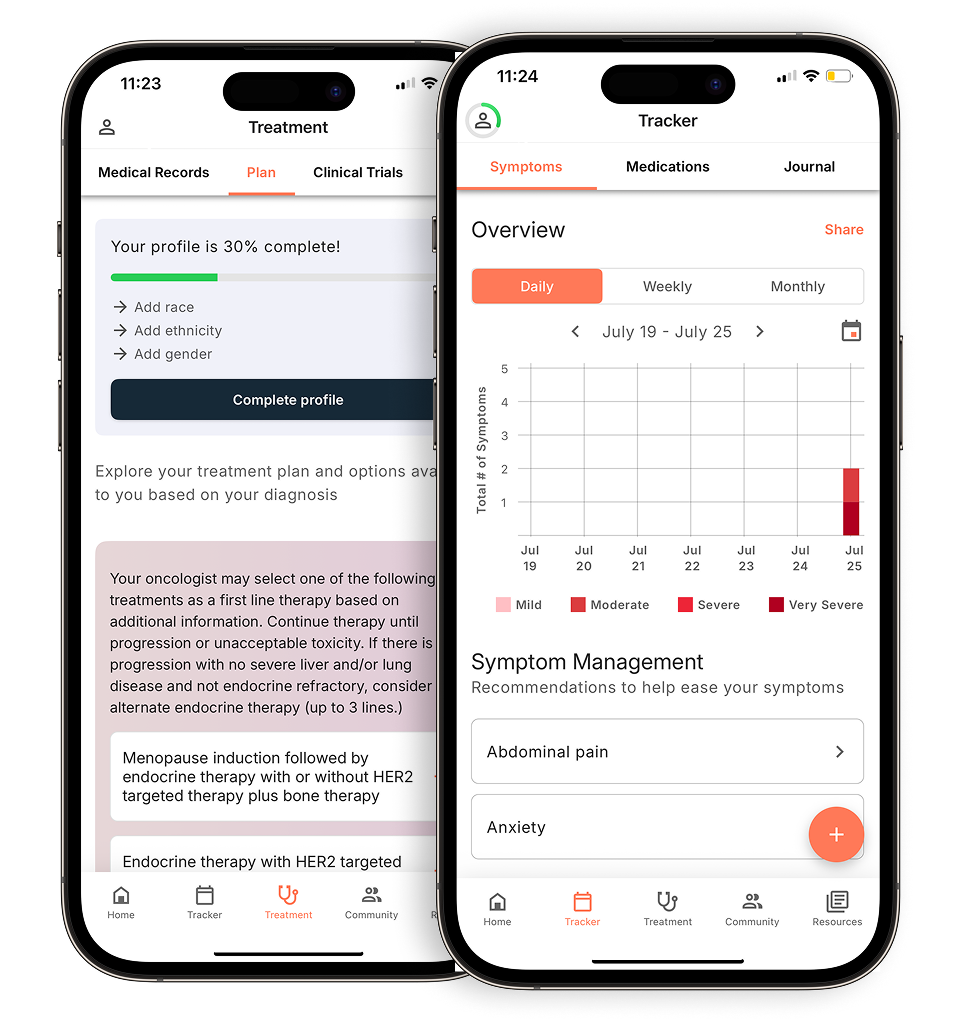
The Outcomes4Me app can help you track symptoms and medications to share with your doctor.
We know that adding another task to your plate, like keeping a detailed symptom diary, can feel overwhelming. That’s why we created the Outcomes4Me app—to help simplify the process. The app provides an easy way to log your symptoms and medications, keeping all of your important health information in one secure place. Instead of trying to remember everything on the spot, you can pull up a clear, organized record during your appointments. This helps you and your doctor have more productive conversations about how you’re feeling, making it easier for them to adjust your care plan and help you feel your best.
Tips for describing your side effects clearly
When you talk to your doctor or nurse, being specific can help them pinpoint the problem and find the right solution faster. Instead of saying you feel “bad,” try to use more descriptive words. For example, instead of “I have pain,” you could say, “I have a sharp, stabbing pain in my lower right side that gets worse when I cough.” Instead of “I’m tired,” you could say, “I feel completely drained of energy by the afternoon and have to lie down.” This kind of clear communication helps ensure your concerns are fully heard and understood, leading to more effective management of your side effects.
What to ask your doctor about treatment side effects
Appointments can sometimes feel rushed, and it’s easy to forget what you wanted to ask in the moment. Before each visit, take a few minutes to write down a list of your most important questions. You can bring this list with you to make sure you cover everything. You might ask about specific side effects, what to expect next, or what supportive care is available to you. It can also be helpful to bring a trusted friend or family member along. They can help you listen, take notes, and remember to ask all your questions.
Why it’s okay to speak up about your care
You are your own best advocate. If a medication for a side effect isn’t working, or if a new symptom appears, let your team know right away. Don’t wait for your next scheduled appointment. It’s also okay to ask questions about your treatment plan or to voice any concerns you have. If you’re still in pain or a side effect is making it hard to get through your day, it’s important to speak up. Your care team wants to help you feel as good as possible during treatment, and your feedback is essential for them to make that happen.
Building your complete NSCLC care plan
Managing treatment side effects goes beyond just medication and appointments. It’s also about building a strong support system and daily practices that help you feel your best. Creating a comprehensive plan can make you feel more in control and prepared for the road ahead. This involves learning about all your care options, connecting with others, establishing helpful routines, and knowing when to reach out for urgent medical help.
What is palliative and supportive care?
When you hear the term “palliative care,” it’s easy to misunderstand its purpose. Many people think it’s only for end-of-life situations, but that’s not the case. Palliative care is for anyone with a long-term illness, and its main goal is to improve your quality of life. It focuses on providing relief from the symptoms and stress of your illness. This type of care can help reduce how bad and how long side effects last, and some evidence even suggests it may help patients live longer. Think of it as an extra layer of support that works alongside your cancer treatment.
Where to find counseling and support groups
You don’t have to go through this experience alone. Connecting with other people who have lung cancer can offer a unique kind of understanding and wisdom that’s hard to find anywhere else. Whether it’s an in-person group or an online community, sharing your story and hearing from others can be incredibly validating and comforting. If you’re not sure where to start, talk to your medical team. Your doctors, nurses, or a hospital social worker can often recommend trusted counseling services and support groups in your area or online. They are your best resource for finding personalized help.
Creating a daily routine that supports you
When you’re dealing with fatigue and other side effects, a gentle routine can provide structure and a sense of normalcy. Focus on what’s most important each day and don’t be afraid to ask friends and family for help with other tasks. Getting plenty of rest is key, so try to build a relaxing bedtime routine—like taking a warm bath, listening to calming music, or reading—to help you get a full eight hours of sleep. During the day, light exercise like gentle stretching, yoga, or a short walk can actually give you more energy. It’s all about finding a balance that works for you.
The importance of quitting smoking
If you smoke, one of the most powerful things you can do for your health during treatment is to quit. This is often easier said than done, but the benefits are significant. Continuing to smoke can make your cancer symptoms feel worse and can actually make your treatments less effective. It can also slow down your body’s ability to heal, especially after surgery. By quitting, you’re not just improving your overall health; you’re giving your treatment the best possible chance to work. Your care team can be a great resource here. They can connect you with tools and support to help you succeed, so don’t hesitate to ask them for help with this important step.
Considering advance care planning
Thinking about the future can feel overwhelming, but advance care planning is a practical step that puts you in control of your medical care. It’s simply a way to make sure your doctors and family know what kind of care you want if you ever reach a point where you can’t speak for yourself. This involves creating a plan that outlines your wishes, which can bring peace of mind to both you and your loved ones. It’s a conversation to have with the people who matter most, ensuring your values guide your care journey. Your doctor or a hospital social worker can provide you with the forms and guidance you need to get started.
When to call your doctor or seek urgent care
While many side effects can be managed at home, some require immediate medical attention. It’s important to know the warning signs so you can act quickly. Call your doctor or care team right away if you experience shortness of breath that comes with chest tightness, pain, or fever. You should also seek immediate help for any signs of an infection, bleeding that won’t stop, or if you have thoughts of harming yourself. Having this information on hand helps you stay prepared and ensures you get the urgent care you need, exactly when you need it.
When to call 911 immediately
Knowing when to call your doctor versus when to seek emergency help is a crucial part of your safety plan. While your care team can manage most side effects, some situations are true emergencies that require immediate attention. According to guidance from health experts, you should call 911 right away if you pass out (lose consciousness), have very bad trouble breathing, or if you cough up a lot of blood. These symptoms can signal a serious problem that needs to be addressed in a hospital setting. Don’t hesitate to make the call if you experience any of these signs. It’s always better to be cautious and get the help you need as quickly as possible.
Important safety tips for using oxygen
If your treatment plan includes using oxygen at home to help with your breathing, it’s essential to handle it safely. Oxygen is highly flammable, which means it can easily catch fire. The most important rule is to never smoke or allow anyone else to smoke near your oxygen equipment. You also need to avoid any open flames, such as candles, gas stoves, or fireplaces. As health authorities advise, using a flame nearby can cause a fire or an explosion. Make sure to store your oxygen tanks securely in an upright position and away from any heat sources to keep yourself and your home safe.
Related Articles
- First-line treatment for NSCLC: a patient’s guide
- What to know during radiation for NSCLC
- Managing the side effects of lung cancer treatment
View your personalized treatment plan in the Outcomes4Me app
Use your diagnosis to unlock personalized NCCN Guidelines®-aligned recommendations.
Frequently asked questions
Will I experience every side effect mentioned in this post? Not at all. It’s important to remember that everyone’s body responds to treatment differently. This guide covers common possibilities so you can feel prepared, but it is not a checklist of what will definitely happen. Your specific side effects will depend on your type of treatment, your dose, and your overall health. Your care team works to prevent and manage these issues, so many people experience fewer side effects than they expect.
What’s the single most important thing I can do to manage my side effects? The most powerful step you can take is to maintain an open and honest conversation with your care team. They can’t help you with a symptom they don’t know about. Keeping them informed about how you’re feeling—physically and emotionally—allows them to adjust your care plan, prescribe medications, or suggest strategies to help you feel better right away. You are the expert on your own body, and your input is essential.
Besides medication, what are some simple things I can try at home for nausea or fatigue? For nausea, many people find relief by eating smaller, more frequent meals throughout the day instead of three large ones. Sticking to bland foods and avoiding anything too greasy or spicy can also help settle your stomach. For fatigue, it might sound strange, but a little bit of gentle movement, like a short walk, can actually boost your energy. It’s also wise to prioritize your daily tasks and give yourself permission to rest when you need it.
You mentioned palliative care. Isn’t that just for the end of life? That’s a very common misconception, but palliative care is actually quite different. Its goal is to improve your quality of life by focusing on relief from the symptoms and stress of a serious illness, and it can be started at any point during your treatment. Think of it as an extra layer of support that works right alongside your cancer-fighting treatments to help you feel as good as possible.
How do I know if a side effect is serious enough to call my doctor right away? Your care team should give you specific guidelines, but a good rule of thumb is to call them immediately if you experience anything that feels sudden or severe. This includes symptoms like a fever, shortness of breath, chest pain, or any signs of an infection. Don’t ever feel like you’re being a bother. It’s always better to call and get guidance than to wait and worry.