
Facing cancer treatment is tough, and the thought of side effects like nausea can add to the anxiety. But you can take back a sense of control by being prepared. Having a plan for chemo nausea remedies before you even start treatment can make a world of difference. This means knowing what foods help with nausea from chemo and even exploring options like a natural juice for chemo nausea. It also means learning how to use meditation to overcome chemo nausea—a simple yet powerful tool. This guide provides clear, actionable steps to help you feel ready.
View your personalized treatment plan in the Outcomes4Me app
Use your diagnosis to unlock personalized NCCN Guidelines®-aligned recommendations.
Key Takeaways
- Layer Your Strategies for Better Relief: The most effective approach to managing nausea involves combining different methods. Pair your prescribed anti-nausea medications with dietary adjustments and simple relaxation techniques like deep breathing for more comprehensive comfort.
- Make Simple Changes to Your Diet and Surroundings: Small, practical adjustments can have a big impact on how you feel. Focus on eating small, frequent meals of bland foods, staying hydrated with clear liquids, and avoiding strong cooking smells by using a fan or opening a window.
- Keep an Open Dialogue with Your Oncology Team: Your care team is your best resource. Track your symptoms to identify patterns, be honest about what is and isn’t working, and always call them if your nausea becomes severe or you show signs of dehydration.
Why does cancer treatment cause nausea?
If you’re feeling nauseous during cancer treatment, you are far from alone. It’s one of the most common side effects, but understanding what’s causing it is the first step toward finding relief. While chemotherapy and radiation are often the primary culprits, other factors related to your treatment and overall health can also play a significant role. Pinpointing the source can help you and your care team create a more effective plan to manage it.
The link between chemo, radiation, and nausea
Chemotherapy and radiation are powerful treatments designed to attack cancer cells, but they can also affect healthy cells in the process. Nausea from chemotherapy often happens because the drugs target rapidly dividing cells. This includes cancer cells, but also the healthy cells lining your stomach and intestines, which can trigger feelings of sickness.
Radiation therapy can also cause nausea, especially if the treatment is aimed at or near your brain, spine, or digestive tract. It’s important to get these common side effects under control, because if left unmanaged, persistent nausea and vomiting can lead to more serious issues like dehydration, electrolyte imbalances, and unwanted weight loss.
What else can trigger nausea during treatment?
Sometimes, the cause of nausea isn’t the treatment itself but other related factors. Anesthesia from a recent surgery, for example, can leave you feeling queasy. Dehydration and constipation are also major contributors; when your digestive system slows down, it can worsen nausea.
Other potential triggers include anxiety about your health, certain pain medications, or even taking your medicine on an empty stomach. Paying attention to when your nausea strikes can help you and your doctor identify patterns and find connections you might have missed. Keeping a simple log of your symptoms, meals, and medications can be a really helpful tool in this process.
Who is more likely to experience nausea?
Nausea doesn’t affect everyone in the same way, and certain factors can make you more susceptible. Research shows that your age and gender can play a part. For instance, younger patients often report more nausea during chemotherapy than older patients. Studies also suggest that female patients may experience more treatment-related nausea. Beyond demographics, your personal history matters, too. If you’ve had issues with motion sickness, experienced severe morning sickness during pregnancy, or tend to feel anxious, you might be more prone to nausea during treatment. Knowing these risk factors can help you and your care team be extra proactive in your management plan.
What foods help with nausea from chemo?
When you’re feeling nauseous, the last thing you want to think about is food. But what you eat—and when you eat—can make a significant difference in managing this challenging side effect. Making a few simple adjustments to your diet and meal routine can help settle your stomach and get you through the tougher days of treatment. Think of food as a tool you can use to feel more comfortable and in control.
How to time your meals and stay hydrated
It might sound strange, but an empty stomach can actually make nausea worse. Instead of three large meals, try eating smaller, snack-sized portions every few hours throughout the day. This keeps your stomach from being completely empty or overly full, both of which can trigger queasiness. Just as important is staying hydrated. Sipping on fluids all day is crucial, as dehydration can lead to constipation and intensify feelings of nausea. Try clear liquids like water, light broths, or diluted juices. Keeping a water bottle nearby can be a helpful reminder to drink plenty of fluids consistently.
Your go-to list of stomach-friendly foods
When your stomach feels unsettled, stick with bland, simple foods that are easy to digest. Things like plain crackers, toast, pretzels, and clear broths are often good choices. Cold foods may also be more appealing than hot ones since they have less of an aroma. Try plain yogurt, sherbet, or a fruit smoothie. For some people, sour flavors like those in lemons or pickles can help cut through the nausea, especially if treatment has altered your sense of taste. And don’t forget about ginger—it’s a well-known natural remedy for upset stomachs. You can try sipping ginger tea, chewing on candied ginger, or adding fresh ginger to your food for relief.
Foods to put on pause while you’re feeling nauseous
Just as some foods can help, others can make nausea worse. It’s best to steer clear of anything heavy, greasy, fried, or very spicy, as these can be hard on your digestive system. Strong smells are another common trigger, so you might want to avoid foods with powerful aromas like coffee, fish, onions, and garlic. If possible, ask a friend or family member to help with cooking to minimize your exposure to food smells. When it comes to drinks, it’s a good idea to skip dark colas, which often contain caffeine that can irritate your stomach. The goal is to manage nausea and vomiting by keeping your food choices simple and gentle.
A note on your favorite foods
It can be really tough to hear that you should avoid some of your go-to comfort foods, especially when you need that comfort the most. There’s a good reason for this advice, though. If you eat something you love right before or after feeling sick, your brain can form a negative association with it, a phenomenon known as taste aversion. This can cause you to dislike that food long after treatment is over. Think of it as protecting your favorite meals for the future. On days when you’re feeling particularly nauseous, stick to the bland, simple options. Save that special lasagna or your favorite spicy curry for a day when you’re feeling stronger and can truly enjoy it. This simple strategy helps ensure that your comfort foods remain a source of pleasure, not a reminder of difficult treatment days.
Natural chemo nausea remedies to try
While anti-nausea medication is often a cornerstone of managing treatment side effects, it’s not the only tool you have. Several non-medication strategies can work alongside your prescribed treatment to provide extra comfort and give you a greater sense of control. These complementary therapies focus on using natural remedies, mind-body techniques, and gentle physical pressure to help calm your stomach and ease discomfort. Exploring these options can help you build a more comprehensive plan for feeling your best during treatment.
Using ginger and peppermint for nausea relief
For centuries, people have turned to ginger as a natural remedy for upset stomachs. It’s a simple and accessible option you can try in a few different ways. Chewing on candied ginger, grating fresh ginger into your food, or sipping on a warm cup of ginger tea are all great ways to see if it works for you.
Peppermint is another go-to for soothing an unsettled stomach. Some people find that sucking on a peppermint candy or drinking peppermint tea can help ease feelings of nausea. The thought is that peppermint helps with sickness by gently slowing down gut activity, which can bring welcome relief.
Aromatherapy with peppermint oil
Aromatherapy can be a soothing addition to your toolkit for managing nausea, and peppermint oil is one of the most popular choices. Many people find relief by simply inhaling the scent from a tissue or using peppermint oil in a diffuser to help ease feelings of queasiness. The calming aroma is thought to work by gently slowing down gut activity, which can help settle your stomach. Beyond just the scent, you can also apply it topically. Try rubbing a small amount of diluted peppermint oil on your skin or placing a few drops on a cool cloth for your forehead or neck. This method offers both the pleasant aroma and a cooling sensation that can be very comforting, making it another simple, gentle option to have on hand.
Can acupressure and acupuncture help?
Acupressure and acupuncture are therapies rooted in traditional medicine that focus on stimulating specific points on the body to relieve symptoms. Acupuncture, which involves thin needles and is performed by a trained practitioner, can be effective in reducing nausea.
If you’re looking for something you can try on your own, acupressure might be a good fit. This technique involves applying firm pressure to certain points on the body. For nausea, acupressure can be done on your wrist, often with wearable products like Sea-Band wristbands. Some studies suggest these bands can help with chemotherapy-induced nausea when used with anti-sickness medication.
How to find the P6 acupressure point on your wrist
The key to acupressure for nausea is finding the right spot, known as the P6 or Neiguan point. It’s located on your inner arm, just below your wrist. To find it, hold one hand out with your palm facing up. Place the first three fingers of your other hand across your wrist, starting at the base of your palm. The P6 point is just below your index finger, in the slight dip between the two large tendons. Once you’ve found it, use your thumb or forefinger to apply firm, steady pressure for two to three minutes. You can repeat this on your other wrist or as often as you need to. This is the same principle behind the popular Sea-Band wristbands, which have a small plastic stud that continuously applies pressure to this point.
Acupressure vs. acupuncture: what the research says
While both acupressure and acupuncture target the same points on the body, they work a bit differently. Think of acupressure as the DIY version—you apply firm, steady pressure yourself. Acupuncture, on the other hand, involves a trained practitioner using very thin needles to stimulate those points. Research suggests that both can be helpful for managing nausea. Some studies have found that acupuncture can be an effective way to reduce chemotherapy-induced nausea. Acupressure, especially when used alongside anti-sickness medications, has also been shown to provide relief. If you’re interested in trying either of these therapies, it’s always a good idea to talk with your oncology team first. They can help you decide if it’s a safe and appropriate option for you.
Using meditation and breathing to ease nausea
The connection between your mind and body is powerful, and tapping into it can be a great way to manage nausea. When you feel a wave of sickness coming on, focusing on your breath and calming your mind can make a real difference.
There are many relaxation techniques you can try, so it’s all about finding what feels right for you. Simple deep breathing exercises, guided imagery, or listening to calming music can help distract you and reduce stress. Some people also find that meditation or visualization practices help them regain a sense of calm and control when nausea strikes.
Deep breathing for calm
One of the simplest yet most effective tools you can use is your own breath. When you feel nauseous, your body often tenses up, which can make the feeling worse. Deep breathing helps interrupt this cycle by calming your nervous system. The next time you feel a wave of nausea, try this: find a comfortable position, close your eyes if you’d like, and inhale slowly through your nose for four counts. Feel your belly expand. Hold the breath for a moment, and then exhale slowly through your mouth for six counts. Repeating this simple exercise for a few minutes can help shift your focus away from the nausea and bring a sense of calm. According to the American Cancer Society, breathing exercises are a proven way to help decrease nausea and vomiting.
Guided imagery and visualization
Guided imagery is like taking a mini-vacation in your mind. This technique involves using your imagination to transport yourself to a peaceful, relaxing place. By focusing on the sights, sounds, and smells of this serene environment, you can mentally block out the physical sensation of nausea. You might picture yourself on a quiet beach, feeling the warm sun and hearing the gentle waves, or walking through a cool, quiet forest. You can do this on your own or use a recording to guide you. The goal is to create a mental escape so vivid that it distracts your brain from the feelings of sickness, giving you a much-needed break.
Progressive muscle relaxation
Progressive muscle relaxation is a technique that helps you release physical tension you might not even realize you’re holding. The process is straightforward: you systematically tense one muscle group at a time, hold for a few seconds, and then release the tension completely. You might start with your feet, curling your toes tightly for five seconds before letting go. Then, you can move up to your calves, thighs, and so on, all the way up to your face. This practice helps you become more aware of the difference between tension and relaxation, and it can be incredibly effective for reducing the stress that often comes with nausea.
What the research says about mind-body techniques
These mind-body techniques aren’t just nice ideas; they’re backed by research. Studies have shown that practices like meditation and acupressure can be genuinely helpful for people going through chemotherapy. For example, one study explored using a technology-assisted app to teach these skills to patients in waiting rooms, showing how accessible these tools can be. While these methods are not a replacement for anti-nausea medication, they are powerful complementary tools. They can work alongside your medical treatment to give you more ways to improve your experience and feel more in control of your body.
Other complementary therapies to consider
Beyond the techniques you can practice on your own, there are other therapies that involve working with a trained professional. These options can also help you relax, provide a welcome distraction, and give you a greater sense of control over your symptoms. If you’re interested in exploring them, it’s a good idea to talk with your oncology team. They can often provide recommendations for qualified practitioners who have experience working with people undergoing cancer treatment. These non-medicine treatments can be a valuable part of your overall strategy for managing nausea.
Hypnosis
When some people hear the word “hypnosis,” they might think of stage shows, but clinical hypnosis is a legitimate therapeutic tool. It involves working with a trained specialist who guides you into a state of deep focus and relaxation. In this state, you may be more open to suggestions that can help you manage your body’s response to nausea. The goal is to help you gain more control over the automatic reactions that trigger feelings of sickness. It’s a safe and structured process that can be a powerful addition to your symptom management plan.
Music therapy
Music therapy is more than just putting on your favorite playlist. It’s a clinical practice where a trained therapist uses music to help you achieve specific health goals, including nausea relief. A therapist might guide you through listening exercises, songwriting, or playing simple instruments to help reduce stress and distract from discomfort. Some studies suggest that when used with other treatments, music therapy can help reduce nausea and vomiting from chemotherapy. It’s a creative and engaging way to address the emotional and physical challenges of treatment.
What are the medication options for nausea?
When home remedies and dietary changes aren’t enough, medication can be a game-changer for managing treatment-related nausea. Your oncology team has a whole toolkit of anti-nausea medications, also known as antiemetics, to help you feel better. The right one for you depends on your specific cancer treatment and personal health history. It’s common to try a few different options or even a combination to find what works best. Open communication with your doctor is key—they are your best partner in finding effective relief.
Prevention is the best defense
When it comes to managing nausea, the best strategy is to get ahead of it. It’s much easier to prevent nausea and vomiting than to try and control it once it’s already happening. This often means taking anti-nausea medication as prescribed by your doctor, even before you feel sick—like on the morning of a treatment session. Think of it as building a shield. The most effective approach is to layer different methods. By pairing your prescribed medications with simple dietary adjustments and relaxation techniques like deep breathing, you create a more comprehensive plan for comfort. This proactive mindset helps you stay in the driver’s seat and feel more prepared for your treatment days.
How serotonin antagonists and dopamine blockers work
These medications work by blocking chemical messengers in your brain and gut that trigger feelings of nausea. Serotonin (5-HT3) antagonists are a common first line of defense against chemotherapy-induced nausea, with well-known options like ondansetron (Zofran). Dopamine blockers, such as prochlorperazine (Compazine), target a different pathway to achieve the same goal: stopping the nausea signal before it starts. Your doctor will determine the best approach based on your treatment plan. The National Cancer Institute provides a great overview of these different drug classes.
Learning about NK-1 receptor antagonists and corticosteroids
For delayed nausea that can occur days after treatment, your doctor might prescribe an NK-1 receptor antagonist. This type of drug targets a substance in the brain that plays a key role in the vomiting reflex. Corticosteroids, like dexamethasone, are another powerful tool. While known for reducing inflammation, they are also very effective at controlling nausea, especially when used in combination with other antiemetics. Your care team may prescribe several medications together to cover both immediate and delayed symptoms, giving you more comprehensive protection.
What to know about cannabinoids and combination therapies
When standard anti-nausea medications aren’t providing enough relief, cannabinoids may be an option. These are lab-created, FDA-approved medications like dronabinol and nabilone, which are related to the active ingredients in cannabis. They can be prescribed for chemotherapy-induced nausea when other treatments haven’t worked. It’s important to distinguish these from medical marijuana, which has a different legal and medical status. Always have an open conversation with your oncologist to determine if a prescribed cannabinoid is a safe and appropriate choice for your situation.
Asking about different forms of anti-nausea medication
It’s also important to remember that anti-nausea medication doesn’t just come in pill form. If you’re already struggling with nausea, the last thing you want to do is swallow another pill, especially if you’re having trouble keeping things down. Don’t hesitate to tell your doctor if this is a problem for you. There are many different ways to take these medications, including dissolvable tablets that melt on your tongue, skin patches, suppositories, or even through an IV when you’re at the clinic for treatment. The goal is to find a method that works for your body and ensures you’re getting the relief you need. Being open with your care team about what is and isn’t working is a key part of managing your side effects effectively.
How to create your own nausea management plan
Finding what works to manage your nausea is a personal process. Your needs can change daily, so the goal is to build a flexible toolkit of strategies you can turn to when you need them. This isn’t about finding one perfect solution, but about creating a comprehensive plan that puts you in control. By working with your care team, listening to your body, and combining different approaches, you can develop a routine that helps you feel more comfortable throughout your treatment.
Working with your care team to manage nausea
Your oncology team is your most important resource. They understand the specifics of your cancer and treatment, so they can offer the most personalized advice. Be open with them about what you’re experiencing. There are many effective anti-nausea medications, and your doctor can help find the right one for you. Always talk to them before trying new supplements or home remedies to make sure they’re safe and won’t interfere with your treatment. The more you share, the better they can support you.
Why tracking your symptoms can help
Keeping a simple log of your symptoms can help you see patterns you might otherwise miss. Note when you feel nauseous, how intense it is, and what was going on at the time. What did you eat? What smells were in the air? You can use a notebook or a health-tracking app to jot down these details. This record provides valuable information that helps your care team fine-tune your nausea management plan. It empowers you both to make more informed decisions about your care.
Using an app to log your symptoms
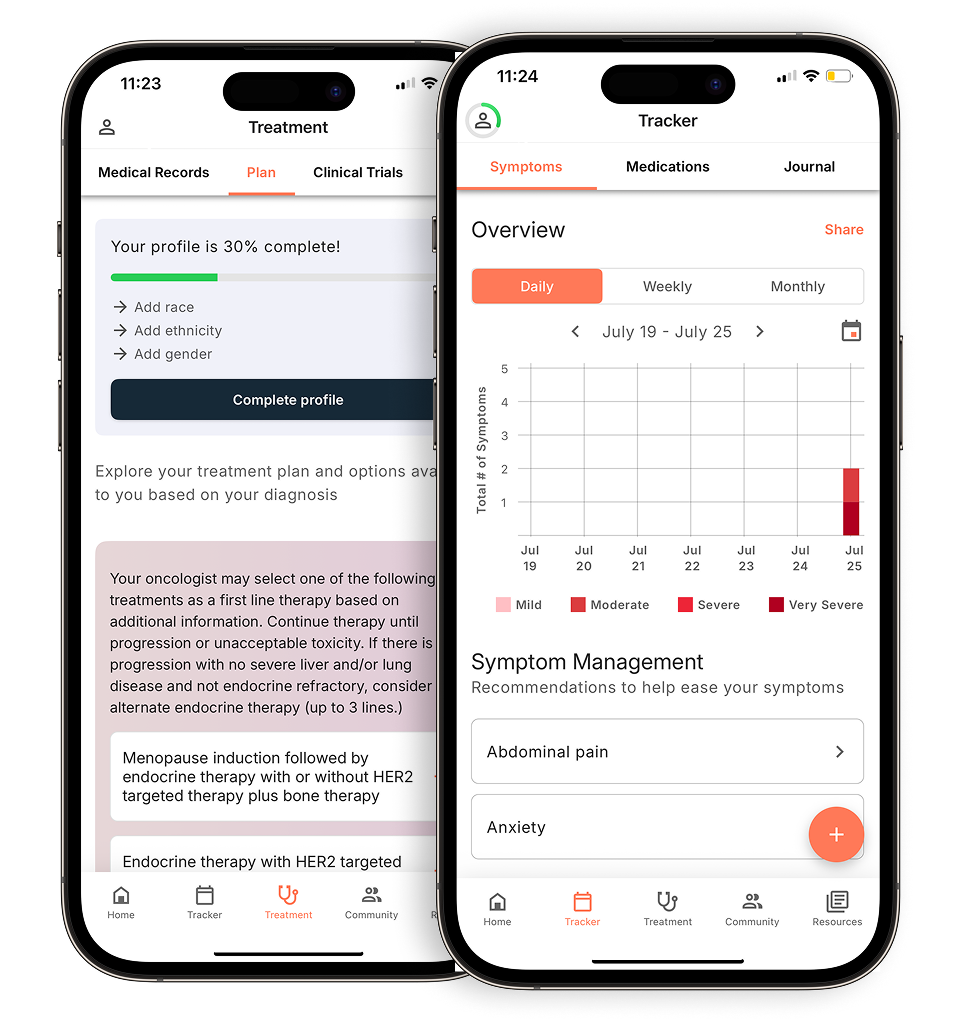
A notebook is a great start, but a dedicated app on your phone can make symptom tracking even easier and more effective. Since your phone is usually with you, you can log feelings of nausea the moment they start, noting the intensity, time of day, and any potential triggers. Dedicated cancer support apps, including the Outcomes4Me app, often have built-in tools for this, creating a clear and organized report you can share with your doctor. This detailed record helps your care team see the full picture, making it easier to adjust your plan. Research has even shown that using a health app can improve the treatment experience for patients, helping them feel more prepared and in control of their care.
Putting it all together for better relief
Medication is often a cornerstone of nausea management, but it doesn’t have to be your only tool. Combining medical treatments with other approaches can provide more complete relief, especially for milder or “anticipatory” nausea that can happen before a treatment session. Non-medicine therapies like relaxation techniques, deep breathing, or distracting yourself with a favorite hobby can help calm your mind and body. By layering these strategies with dietary adjustments and your prescribed medications, you create a more robust defense against nausea and gain a greater sense of control.
Simple lifestyle changes that can make a difference
Sometimes the biggest sources of relief are the small, simple changes you can make in your daily life. When you’re dealing with nausea from cancer treatment, adjusting your surroundings and daily habits can make a significant difference in how you feel. These aren’t complex medical interventions, but rather practical, actionable steps you can take right now to gain a sense of control and find more comfort throughout your day. By focusing on your environment, stress levels, and rest, you can create a more supportive routine that helps keep nausea at bay.
Creating a comfortable, nausea-friendly space
Your senses can play a huge role in triggering nausea, especially your sense of smell. Strong odors from cooking can be particularly challenging. If possible, ask a friend or family member to help with meal prep, or try eating in a well-ventilated room away from the kitchen. You might also find that eating foods that are cool or at room temperature is easier, as they tend to have less of an aroma. Simple actions like opening a window or using a fan can help clear the air and create a more comfortable space for you to eat and rest, which is a key part of managing nausea and vomiting at home.
How gentle movement can ease stress and nausea
The connection between your mind and your gut is powerful, and feeling anxious or stressed can definitely make nausea worse. Incorporating gentle relaxation techniques into your day can help calm your nervous system and, in turn, your stomach. You don’t need any special equipment for this. Simple deep breathing exercises—inhaling slowly through your nose, holding for a few seconds, and exhaling slowly through your mouth—can be done anywhere. Other helpful relaxation techniques include guided imagery, listening to calming music, or trying a short meditation. The goal is to give your mind a brief rest, which can provide surprising physical relief.
The importance of rest for managing nausea
Fighting cancer is exhausting work, and fatigue can make every side effect, including nausea, feel more intense. Listening to your body and giving it the rest it needs is not a luxury—it’s a crucial part of your treatment plan. Try to rest quietly for about an hour after you eat, making sure to sit upright rather than lying down flat to aid digestion. It’s also important to avoid becoming overtired, as this can make it harder to cope with feeling sick. Don’t be afraid to schedule short naps or quiet periods throughout your day. Learning different ways of controlling sickness often starts with simply giving your body a break.
Know when to call your doctor
You’re doing everything you can to manage nausea at home, and that’s a huge part of taking control of your well-being during treatment. But it’s just as important to recognize when your body needs more support. Some symptoms are more than just uncomfortable—they’re signals that you should connect with your oncology team. Think of your doctor or nurse as your partner in this process. They have tools and treatments that can help when home remedies aren’t enough. It’s easy to feel like you should be able to handle it all on your own, but cancer treatment is a team effort. Reaching out isn’t a sign of failure; it’s a proactive step toward feeling better and staying safe. Your care team wants to hear from you and can provide the guidance you need to get back on track, whether that means adjusting your medication, suggesting a different strategy, or bringing you in for a check-up. Don’t hesitate to make that call if something feels off. Trust your instincts—you know your body better than anyone.
How to spot the signs of dehydration
Staying hydrated is a constant challenge when you feel nauseous, but it’s absolutely essential. When you can’t keep fluids down, your body can lose water and vital electrolytes quickly. It’s important to watch for the signs of dehydration, which can sometimes be subtle. Pay close attention if you start feeling dizzy, unusually weak, or confused. These symptoms are your body’s way of telling you it needs immediate help to rehydrate. If you notice any of these changes, it’s time to call your healthcare provider. They can assess the situation and may recommend IV fluids or other interventions to restore your body’s balance.
Urine color as an indicator
A simple way to monitor your hydration at home is to check the color of your urine. This quick, visual check-in can tell you a lot about what your body needs. Pale, straw-colored urine is a great sign that you’re well-hydrated. On the other hand, if you notice it’s becoming dark yellow or amber, that’s a signal your body is conserving water and you need to drink more fluids. This simple self-monitoring can be an empowering part of your daily routine, helping you manage your hydration effectively. If your urine stays dark despite drinking more, or if you can’t keep liquids down, that’s a clear sign to call your doctor.
What to do if your nausea persists
Persistent nausea can wear you down physically and emotionally. While some level of it might be expected, it shouldn’t completely take over your life. Your care team needs to know if your symptoms are severe or aren’t improving. According to experts on how to manage nausea, you should call your doctor’s office if:
- You’ve been vomiting for more than two or three days.
- Your prescribed anti-nausea medicines aren’t working.
- You can’t keep down more than four cups of liquid in a day.
- You haven’t been able to eat for more than two days.
- You lose two or more pounds in a day or two, as this points to rapid fluid loss.
When to seek emergency care
While your oncology team should be your first call for persistent nausea, some situations require more immediate attention. It’s important to know the difference between a problem that can wait for a callback and a true emergency. You should go to the emergency room or call 911 if you experience any severe symptoms that feel urgent. This includes vomiting blood or something that looks like coffee grounds, having a high fever, experiencing severe abdominal pain that doesn’t go away, or feeling extremely dizzy, confused, or like you might faint. These are signs that your body needs immediate medical help. Trust your gut—if something feels seriously wrong, it’s always better to be safe and seek emergency care right away.
Finding what works for you
Finding what works to manage nausea is often a process of trial and error, but you have plenty of options to explore. The key is to listen to your body and see which combination of strategies brings you the most comfort during treatment. It’s all about building a personalized toolkit that helps you feel more in control.
Start with how you eat and drink. Instead of three large meals, try having smaller, more frequent snacks throughout the day. This prevents your stomach from getting too empty, which can trigger that queasy feeling. Stick with bland, easy-to-digest foods like crackers, toast, and broth. It’s also crucial to stay hydrated, so sip on clear, cold liquids like water, diluted juice, or herbal tea. For now, it’s best to steer clear of anything spicy, greasy, or overly sweet that might upset your stomach further.
Simple changes at home can make a big difference, too. Strong smells are a common nausea trigger, so try to eat in a well-ventilated room, away from cooking odors. Some people find that ginger, either as a tea or in candy form, is a great natural remedy for an upset stomach. Others find that the tartness of lemon or pickles helps cut through the feeling of nausea.
Beyond diet, you might find relief through other methods. Many people use complementary therapies like acupuncture, acupressure, and relaxation techniques to manage treatment side effects. Simple practices like deep breathing exercises or listening to calming music can help reduce stress, which often goes hand-in-hand with nausea. Experimenting with these different approaches will help you find what truly works for you.
Related Articles
- How can I relieve nausea and stomach pain during cancer treatment? | Outcomes4Me Community
- How to Deal with Nausea | Outcomes4Me Community
- How long does nausea last after first chemo treatment? | Outcomes4Me Community
- Can Daily Nausea Be Related to Breast Cancer After Lumpectomy? | Outcomes4Me Community
- How long does nausea last after radiation treatment ends? | Outcomes4Me Community
View your personalized treatment plan in the Outcomes4Me app
Use your diagnosis to unlock personalized NCCN Guidelines®-aligned recommendations.
Frequently Asked Questions
What should I do if my prescribed anti-nausea medication isn’t helping? This is a really common concern, so don’t feel discouraged. The first step is to call your oncology team right away. There are many different types and combinations of anti-nausea medications, and what works for one person might not work for another. Your doctor can switch your prescription, adjust the dosage, or add another medication to create a more effective plan for you. Open communication is key, so let them know exactly what you’re experiencing so they can help you find relief.
I’m worried about getting nauseous before my treatment even starts. Is that normal? Yes, it’s completely normal. This is often called “anticipatory nausea,” and it happens when your brain starts to associate the sights, sounds, and smells of the treatment center with feeling sick. This is a great time to use mind-body techniques. Try practicing deep breathing exercises on your way to your appointment or listening to a calming playlist or podcast in the waiting room. These relaxation strategies can help soothe your nervous system and give you a greater sense of control.
Are natural remedies like ginger and acupressure safe to use with my cancer treatment? Many people find comfort in complementary therapies like ginger tea or acupressure wristbands. While these are generally considered safe, it is essential to talk with your oncology team before adding anything new to your routine, including supplements or herbal remedies. They can confirm that these approaches won’t interfere with your specific treatment plan and can offer guidance on how to use them most effectively as part of your overall care.
Why does an empty stomach make nausea worse? It feels counterintuitive to eat when I feel sick. It definitely sounds strange, but it’s true. When your stomach is empty, stomach acids can build up and irritate the stomach lining, which can trigger or worsen feelings of nausea. Eating small, frequent snacks helps keep a little something in your stomach to absorb those acids and stabilize your system. Think of it as keeping your digestive system gently active rather than letting it sit idle or overloading it with a big meal.
How can I manage nausea when strong smells from cooking are a major trigger? Strong odors are a huge challenge for many people. If possible, ask a family member or friend to help with cooking. If you’re on your own, try preparing simple, cold meals like sandwiches, yogurt with fruit, or smoothies, as they have much less of an aroma. When you do need to cook, opening windows and using an exhaust fan can make a big difference. Eating in a separate room from where the food was prepared can also give you the space you need to enjoy your meal without being overwhelmed by smells.