
The conversation about advanced lung cancer is completely different now. We’re no longer talking about limited options, but about personalized medicine, genetic targets, and harnessing the power of your immune system. This shift is driven by incredible scientific progress, creating smarter, more effective therapies. For you, this means more hope and more possibilities. This guide breaks down modern stage 4 lung cancer treatment, from targeted therapies for metastatic non small cell lung cancer stage 4 to clinical trials offering the next wave of innovation. Our goal is to give you the clear information you need for informed discussions with your care team.
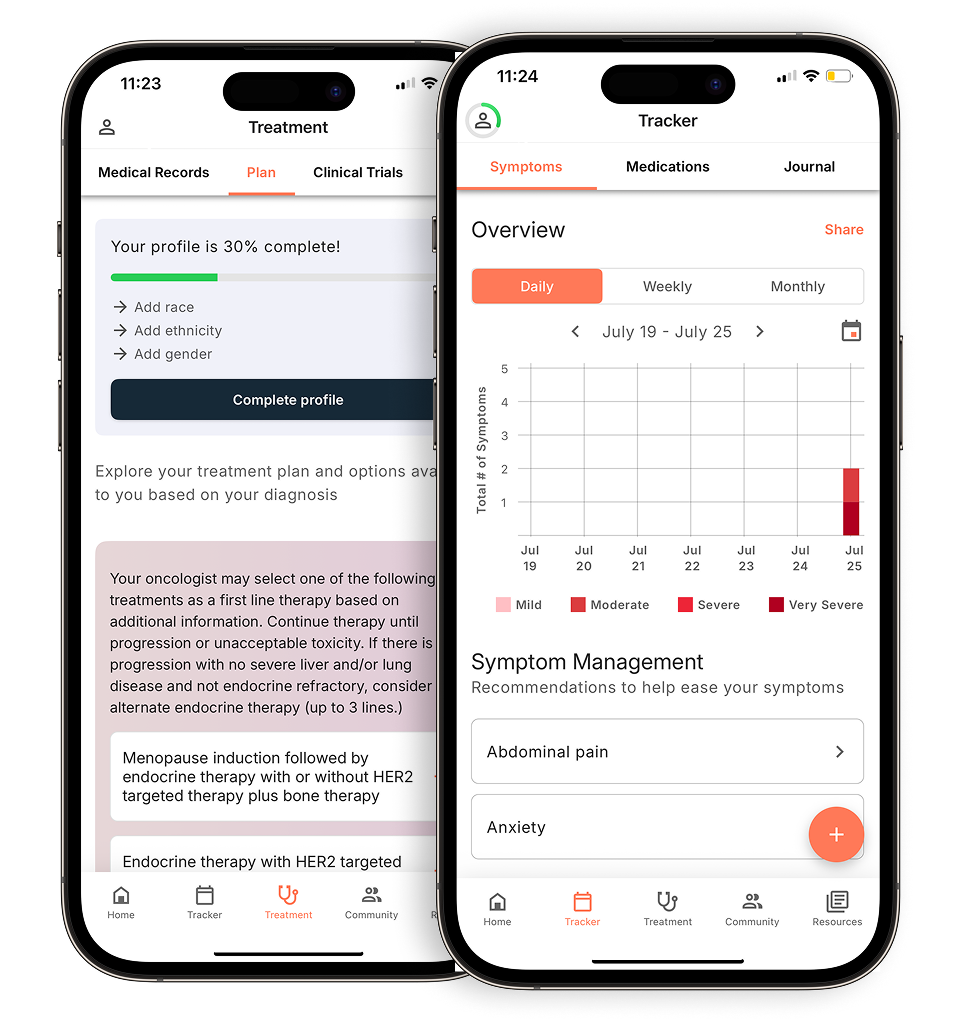
View your personalized treatment plan in the Outcomes4Me app
Use your diagnosis to unlock personalized NCCN Guidelines®-aligned recommendations.
Key Takeaways
- Insist on comprehensive biomarker testing: Your treatment plan should be built on the specific genetic makeup of your tumor. Identifying mutations like EGFR, ALK, or ROS1 is the key to unlocking personalized treatments like targeted therapy, which can be more effective than a one-size-fits-all approach.
- Use palliative care to improve your quality of life: This is not the same as hospice care. Palliative care is a layer of support that works alongside your cancer treatment from day one to help manage symptoms and side effects, allowing you to feel stronger and more comfortable throughout your therapy.
- You are the most important member of your care team: Your input is essential. Communicate openly with your doctors about how you’re feeling, ask if clinical trials are an option for you, and ensure your personal goals for quality of life are central to every treatment decision.
What Is Stage 4 Non-Small Cell Lung Cancer?
Receiving a Stage 4 non-small cell lung cancer (NSCLC) diagnosis means the cancer has spread from its original location in the lung to other parts of the body. You might also hear your doctor refer to it as advanced or metastatic lung cancer. This happens when cancer cells break away from the primary tumor and travel through the bloodstream or lymphatic system to establish new tumors in distant areas like the other lung, the brain, bones, liver, or adrenal glands.
It’s completely normal to feel overwhelmed by this information. Taking the time to process it is important. Understanding what this stage means is the first step toward working with your care team to create a treatment plan that’s right for you. While a Stage 4 diagnosis is serious, it’s important to know that treatment has advanced significantly. The focus of care is often on controlling the cancer’s growth, managing symptoms, and maintaining your quality of life for as long as possible. Your oncology team will use detailed information about your specific cancer to find the most effective therapies available, many of which can be very effective for long periods.
Understanding the Impact of Lung Cancer
It’s helpful to understand the broader context of lung cancer to see why research and personalized treatment are so important. Lung cancer is a major health challenge around the world, and its impact is felt by millions of families every year. Globally, lung cancer affects about 2.1 million people and is responsible for 1.7 million deaths annually. These numbers highlight the urgent need for better awareness, earlier detection, and more effective therapies. The progress made in treatments for Stage 4 NSCLC is a direct response to this global need, offering new hope and possibilities for people living with the disease. Understanding the scale of the issue reinforces why your active participation in your care and your search for the best possible treatment plan are so vital.
Key Lung Cancer Statistics
The statistics can feel intimidating, but they also paint a clear picture of why lung cancer receives so much focus from the medical community. In the United States, an estimated 240,000 new cases are diagnosed each year, with about 130,000 deaths. What truly underscores its severity is that lung cancer causes more deaths than breast, prostate, and colon cancers combined. This reality is what drives researchers and oncologists to develop the innovative, targeted treatments that are changing the outlook for so many. Every clinical trial and new therapy is a step toward improving these outcomes and providing more effective options for patients like you.
The Link Between Smoking and Lung Cancer
It’s impossible to discuss lung cancer without addressing its primary cause. Research shows that about 80% of lung cancers are caused by cigarette smoking. If you have a history of smoking, it’s important to discuss it openly with your doctor, as it can be a factor in your treatment plan. For current smokers, one of the most powerful steps you can take is to quit. Quitting smoking can significantly improve your body’s ability to respond to treatment and heal. This isn’t about blame or judgment; it’s about taking control of your health from this point forward and giving yourself the best possible chance for a positive outcome.
What Makes Stage 4 Different?
The key difference in Stage 4 NSCLC is that the cancer is no longer localized to one area. Because it has spread, treatment approaches are different from those used for earlier stages, which might focus on surgery or radiation to remove a single tumor. For Stage 4, treatment is systemic, meaning it travels throughout your body to treat cancer cells wherever they are.
This is also the stage where treatment becomes highly personalized. Your care plan won’t be a one-size-fits-all approach. Instead, your doctors will create a strategy based on the unique characteristics of your cancer, where it has spread, and your overall health. Knowing the cancer stage is crucial because it helps your care team determine the best possible treatment path for your specific situation.
Stage IVA vs. Stage IVB
Stage 4 is further divided into two sub-stages, IVA and IVB, which helps your doctors understand the extent of the cancer’s spread. Think of Stage IVA as a situation where the cancer has spread, but in a more limited way. This could mean it has moved to the other lung, the fluid around the heart or lungs, or to a single location outside of the chest, like one tumor in the brain. In contrast, Stage IVB means the cancer is more widespread, having spread to multiple places in one or more distant organs. This distinction is important because it helps guide your treatment strategy. For widespread cancer (Stage IVB), your team will likely focus on systemic therapies that can travel throughout the body to target cancer cells wherever they are.
How Is Advanced NSCLC Diagnosed?
To confirm a Stage 4 diagnosis, your doctors will use a combination of tests. Imaging scans like CT, MRI, and PET scans help them see the size of the original tumor and identify exactly where the cancer has spread. They will also likely perform a biopsy to take a small sample of tissue from a metastatic site.
Doctors use a system called TNM to formally stage the cancer: T for the size of the original Tumor, N for spread to nearby lymph Nodes, and M for Metastasis (spread to distant parts of the body). In Stage 4, the “M” is the key factor. Beyond staging, your doctors will analyze the biopsy sample for specific genetic changes, or biomarkers. This genetic testing is essential for finding the most effective targeted therapies and immunotherapies for your cancer.
Exploring Your Stage 4 Lung Cancer Treatment Options
When you receive a Stage 4 non-small cell lung cancer diagnosis, your care team’s main goal is to create a treatment plan that helps you live longer and better. The focus shifts to managing the cancer, relieving symptoms, and maintaining your quality of life. Modern treatments have made it possible to manage advanced lung cancer more like a chronic condition, and your plan will be completely personalized to you.
Your oncologist will consider several factors, including the cancer’s specific genetic makeup, where it has spread, and your overall health. The main treatment approaches for Stage 4 NSCLC are targeted therapy, immunotherapy, chemotherapy, and radiation therapy. Very often, these treatments are used in combination or one after another to get the best possible results. Your doctor will walk you through which options are right for you, but it’s always helpful to understand the role each one can play in your care.
Could Targeted Therapy Be Right for You?
Think of targeted therapy as a precision medicine approach. These drugs are designed to find and attack cancer cells with specific genetic changes, or mutations, that help them grow and spread. Before you can start this treatment, your doctor will need to perform biomarker testing on a sample of the tumor tissue to see if it has a specific genetic marker that a drug can target. If your cancer cells have one of these mutations, targeted therapy can be a highly effective first-line treatment. If no treatable genetic changes are found, this therapy won’t be an option for you.
Angiogenesis Inhibitors
Angiogenesis inhibitors work by cutting off the tumor’s supply lines. To grow and spread, tumors need to create new blood vessels to get nutrients and oxygen—a process called angiogenesis. These drugs are designed to stop that process, essentially starving the tumor. A common example is bevacizumab (Avastin), which is often given alongside chemotherapy. This combination creates a powerful one-two punch: the angiogenesis inhibitor slows the tumor’s growth by blocking its blood supply, which can also make it easier for the chemotherapy to attack the cancer cells directly.
By interfering with the tumor’s ability to feed itself, these therapies can slow the progression of advanced lung cancer and help improve outcomes. They are another important tool your oncologist can use to manage the disease. It’s a strategic way to fight the cancer by targeting the environment it needs to survive, rather than just the cancer cells themselves. For a closer look at how these treatments are used for Stage 4 NSCLC, the Canadian Cancer Society provides a helpful overview of different therapy options.
How Immunotherapy Fights Cancer
Immunotherapy is a groundbreaking treatment that uses your body’s own immune system to fight cancer. Cancer cells can sometimes hide from the immune system by using certain proteins on their surface as a “don’t attack me” signal. Immunotherapy drugs, often called checkpoint inhibitors, block these signals, allowing your immune cells to recognize and destroy the cancer cells. Your doctor may test your tumor for proteins like PD-L1 to help predict how well immunotherapy might work for you. It can be used on its own or combined with chemotherapy, especially for people whose tumors don’t have the specific mutations needed for targeted therapy.
The Role of Chemotherapy in Stage 4 NSCLC
Chemotherapy has long been a standard treatment for lung cancer and remains a vital option for many people with Stage 4 NSCLC. These powerful drugs work by killing fast-growing cells throughout the body, which includes cancer cells. It’s often the primary treatment when the cancer doesn’t have specific genetic markers for targeted therapy or high levels of PD-L1 for immunotherapy. Your oncologist may recommend a combination of chemotherapy drugs or a single drug, depending on your overall health and ability to tolerate side effects. The goal is to shrink the cancer, slow its growth, and manage your symptoms.
Common Chemotherapy Drugs and Maintenance Therapy
When discussing chemotherapy, your doctor will likely mention platinum-based drugs like cisplatin and carboplatin, which are foundational treatments for NSCLC. These are often given in combination with other chemotherapy agents such as pemetrexed (Alimta), gemcitabine, or paclitaxel. This combination approach is a powerful way to attack cancer cells. The specific regimen your oncologist chooses will depend on factors like your overall health, the type of NSCLC you have (e.g., adenocarcinoma or squamous cell carcinoma), and how well you can tolerate potential side effects. The goal is always to find the most effective combination that you can handle comfortably.
After the initial rounds of combination chemotherapy, typically four to six cycles, your oncologist will assess how the cancer has responded. If the treatment has been successful in shrinking or stabilizing the tumors, you might move on to what’s called maintenance therapy. This usually involves continuing with a single, less toxic chemotherapy drug, like pemetrexed, on a regular schedule. The purpose of maintenance therapy is to keep the cancer under control for as long as possible, extending the benefits gained from the initial treatment while giving you a better quality of life with fewer side effects.
When Is Radiation Therapy Used?
While other treatments work systemically (throughout the whole body), radiation therapy is a local treatment that uses high-energy beams to destroy cancer cells in a specific area. For Stage 4 NSCLC, radiation is not typically used to cure the cancer but is incredibly important for palliative care—that is, relieving symptoms and improving your quality of life. For example, your doctor might recommend palliative radiation to shrink a tumor that is causing pain, bleeding, or difficulty breathing. It is also very effective at treating cancer that has spread to the bones or the brain.
When Is Surgery an Option?
Surgery is generally not the first treatment for Stage 4 NSCLC because the cancer has already spread. However, in very specific circumstances, it can be part of the plan, usually when cancer has only spread to one or a few isolated spots. The goal isn’t typically to cure the cancer but to remove a problematic tumor, which helps control the disease and relieve symptoms. This approach is part of a broader strategy that includes systemic treatments like targeted therapy or immunotherapy to manage cancer cells throughout the body.
Your care team might discuss surgery if the cancer has spread to a single spot in the brain or to a few close spots in the liver. Your overall health is a key factor, since major surgery is demanding on the body and your doctors will need to assess if you are healthy enough to recover. Ultimately, the decision to consider surgery is highly personalized and depends on where the cancer has spread, the tumor’s characteristics, and your quality of life goals.
How Genetic Testing Shapes Your Treatment Plan
One of the most important things to understand about stage 4 non-small cell lung cancer (NSCLC) is that every cancer is unique. Just as we all have different fingerprints, each tumor has a distinct genetic makeup that influences how it grows and behaves. Genetic testing, also called genomic profiling or biomarker testing, is how your doctors can get a detailed look at the specific DNA of the cancer cells. This isn’t about the genes you were born with; it’s about identifying the mutations within the tumor that are driving its growth.
Think of it as your oncology team getting a specific blueprint of your cancer. This information is a game-changer because it allows them to move beyond a one-size-fits-all approach. Instead of starting with broad treatments like chemotherapy, they can identify the cancer’s specific vulnerabilities and choose a therapy designed to attack them directly. For anyone diagnosed with advanced NSCLC, getting this comprehensive biomarker testing is a critical first step in building the most effective and personalized treatment plan possible. It helps ensure you’re getting the right treatment for you, right from the start.
What Genetic Mutations Should You Test For?
When your doctor orders genetic testing for the tumor, they are looking for specific changes, or mutations, that can be targeted with treatment. These mutations act like flags on the cancer cells, signaling to your care team what’s making them grow. While there are many potential biomarkers, a few are particularly important in NSCLC because we have effective drugs that target them.
The most common ones your team will test for are EGFR, ALK, and ROS1. Finding one of these mutations is like discovering the cancer’s Achilles’ heel. It provides a clear target, allowing your doctor to select a drug specifically designed to block that mutation’s signal, effectively shutting down the cancer’s growth engine.
Why EGFR, ALK, and ROS1 Testing Matters
Identifying one of these key mutations directly impacts your treatment path. If testing reveals your tumor has an EGFR, ALK, or ROS1 mutation, your doctor will likely recommend a targeted therapy as your first line of treatment. These are often pills you take at home, not IV infusions like traditional chemotherapy.
For example, a tumor with an EGFR mutation might respond well to drugs like osimertinib, while an ALK mutation can be treated with medications like alectinib. These drugs are designed to fit into the mutated protein like a key in a lock, blocking its ability to tell the cell to grow and divide. For many people, these therapies can be more effective and have different side effects than chemotherapy.
Other Key Genetic Targets to Know
While EGFR, ALK, and ROS1 are the “big three” your doctors will look for, the list of known genetic targets is always growing. This is why it’s so important to ask your care team about comprehensive biomarker testing, sometimes called next-generation sequencing (NGS). Think of it as casting a wider net—this type of testing looks for dozens of potential mutations at once, not just the most common ones. It helps ensure you don’t miss an opportunity for a personalized treatment simply because the mutation driving your cancer is less common. The goal is to get the most complete picture of your tumor’s genetics to find every possible key to a targeted treatment.
Beyond those main three, there are several other important targets your care team might find, including mutations like BRAF V600E, MET, RET, and KRAS. Each one represents a specific vulnerability in the cancer cells that can be attacked with a corresponding targeted drug. For example, a KRAS G12C mutation, which was once considered “undruggable,” now has specific inhibitors that can be very effective. Finding one of these mutations opens up a whole new set of personalized treatment options beyond standard chemotherapy. The key is to get tested so you and your doctor know exactly what you’re fighting.
What Genomic Profiling Can Reveal About Your Cancer
The ultimate goal of genomic profiling is to create a treatment strategy tailored to your specific cancer. This personalized approach is a cornerstone of modern cancer care. By understanding the unique genetic makeup of your tumor, your oncologist can select therapies that are much more likely to be effective from the outset.
This can lead to better outcomes, including slowing the cancer’s growth and helping you live longer. It can also mean a better quality of life during treatment. While targeted therapies have their own side effects, they are often different from and can be more manageable than those associated with traditional chemotherapy. This precise, data-driven approach helps ensure you receive the most advanced and appropriate care for your diagnosis.
How Doctors Create Your Personalized Treatment Strategy
Receiving a diagnosis of stage 4 non-small cell lung cancer (NSCLC) can feel overwhelming, but your treatment plan won’t be a one-size-fits-all approach. Instead, your care team will develop a strategy tailored specifically to you. This plan is a roadmap built by a team of specialists—including medical oncologists, radiation oncologists, and surgeons—who consider every detail of your diagnosis. They look at the cancer’s genetic makeup, decide on the best combination of treatments, and always factor in your overall health. Understanding how these pieces fit together can help you feel more prepared and involved in your care.
What Factors Guide Your Treatment Decisions?
Your treatment plan starts with a deep look at the cancer itself. Doctors analyze the tumor’s specific characteristics, especially its genetic profile. This is why biomarker testing is so important. By identifying genetic mutations in the cancer cells, your team can determine if you are a candidate for targeted therapies that attack those specific changes. Beyond genetics, your care team considers the cancer’s location and how much it has spread. A team of specialists will collaborate to review your case, ensuring your plan fits your individual needs.
Why Your Doctor Might Combine or Sequence Treatments
For advanced NSCLC, treatment often involves using multiple therapies together or in a specific order. Your doctors will create a sequence that makes the most sense for your cancer. For example, you might receive chemotherapy at the same time as radiation, a common approach known as chemoradiation. This can make cancer cells more sensitive to the radiation. In other cases, immunotherapy might be recommended, either on its own or with chemotherapy, depending on the levels of certain proteins on your cancer cells. The goal is to attack the cancer from different angles.
What Happens if the Cancer Progresses or Returns?
It’s incredibly difficult to hear that a treatment isn’t working anymore or that the cancer has returned. This news can feel like a major setback, but it’s important to know that it doesn’t mean you’re out of options. Instead, it signals a time to pivot. Your care team will re-evaluate your situation to create a new plan. This new strategy will depend on several key factors, including where the cancer has appeared, what treatments you’ve already had, and your overall health. The conversation will also focus on the goals for this next phase of care—whether that’s to slow the cancer’s growth, manage symptoms, or explore other curative-intent therapies.
The next steps will be tailored to your specific circumstances. If the cancer returns in a localized area, like the lungs, your doctor might suggest treatments like surgery or another round of radiation. For cancer that has spread to more distant parts of the body, the focus will likely shift back to systemic treatments like chemotherapy, immunotherapy, or a different targeted therapy. Research in lung cancer is constantly moving forward, and new treatments are always being developed. It’s a good idea to ask your doctor about participating in clinical trials, which can give you access to the next generation of therapies and help advance care for others.
How Your Overall Health Plays a Role
Your treatment plan isn’t just about the cancer; it’s about you as a whole person. Your overall health, fitness level, and any other medical conditions are critical factors. Some treatments, like intensive chemotherapy or surgery, may not be suitable for everyone, so your doctors will assess what your body can handle. This is where your voice is essential. Your healthcare team will work with you to create a plan that aligns with your quality of life goals. Openly discussing your preferences helps ensure your treatment strategy respects what’s most important to you.
Managing Side Effects from Your Lung Cancer Treatment
Starting treatment for stage 4 NSCLC can feel overwhelming, and it’s completely normal to worry about potential side effects. The good news is that your care team is there to help you manage them every step of the way. Each treatment—from targeted therapy to chemotherapy—affects your body differently, so the side effects you experience will depend on your specific plan.
The single most important thing you can do is maintain open and honest communication with your doctors and nurses. Don’t hesitate to tell them about any new or worsening symptoms, no matter how small they seem. They can’t help you if they don’t know what’s going on. There are many effective strategies, medications, and support systems available to help you feel your best during treatment. Keeping a simple journal of your symptoms can also be a huge help, making it easier to share specific details during your appointments. Remember, managing side effects is a key part of your cancer care, not an afterthought.
How to Manage Side Effects from Targeted Therapy
Targeted therapy works by zeroing in on specific characteristics of cancer cells, which means its side effects are often different from those of traditional chemotherapy. While every person’s experience is unique, some common side effects include fatigue, diarrhea, and skin issues like rashes or dryness. Some targeted drugs can also affect your liver function, which is something your care team will monitor closely with regular blood tests.
It’s essential to report any new or unusual symptoms to your doctor. They have many ways to help you manage these side effects effectively, whether it’s with medication, skin creams, or dietary adjustments, ensuring you can stay on your treatment plan as comfortably as possible.
What Immunotherapy Reactions Should You Watch For?
Immunotherapy harnesses your own immune system to fight cancer, which is a powerful approach. However, it can sometimes cause your immune system to become overactive and attack healthy tissues, leading to side effects. Many people experience mild issues like fatigue, skin rash, or flu-like symptoms.
More serious reactions, though less common, can include inflammation of organs like the lungs, liver, or intestines. These require immediate medical attention. Be sure to let your care team know right away if you experience severe symptoms like shortness of breath, significant abdominal pain, or yellowing of your skin or eyes. Understanding these potential immunotherapy reactions helps you and your team stay proactive.
Coping with Chemotherapy Side Effects
When people think of cancer treatment, the side effects of chemotherapy are often what come to mind. You might experience fatigue, nausea, vomiting, hair loss, or an increased risk of infection because chemo targets rapidly dividing cells—both cancerous and healthy ones.
Please know that managing these symptoms has come a long way. Your oncology team has an entire toolkit of medications and strategies to help prevent or reduce these effects. For example, anti-nausea drugs can be very effective, and there are steps you can take to protect yourself from infection. Communicating openly about how you’re feeling is key, as there are many ways to help you handle chemotherapy side effects and maintain your quality of life.
Tips for Managing Radiation Side Effects
Radiation therapy is a localized treatment, meaning its side effects are usually confined to the area of your body being treated. If you’re receiving radiation to your chest for lung cancer, you might experience skin irritation similar to a sunburn, fatigue, or some difficulty or pain with swallowing.
These symptoms are typically temporary and will improve after your treatment course is finished. Your care team can recommend special lotions for your skin and provide dietary tips to make swallowing easier. Palliative radiation, which is used to relieve symptoms like pain, may have fewer side effects. Always discuss any discomfort with your provider, as they can offer solutions to ease these symptoms and side effects.
What Is Palliative Care and How Can It Help?
When you’re managing a stage 4 NSCLC diagnosis, your focus is rightly on your treatment plan. But there’s another layer of care that can make a world of difference in your day-to-day life: palliative care. Think of it as a support system that works alongside your cancer treatment to help you feel as good as possible, for as long as possible. It’s all about managing symptoms, reducing stress, and ensuring your comfort and quality of life are top priorities.
Palliative Care vs. Hospice: What’s the Difference?
It’s easy to confuse palliative care with hospice, but they are not the same. This is one of the most common misconceptions around palliative care, so let’s clear it up. Palliative care is specialized medical care for anyone with a serious illness, and you can receive it at any point after diagnosis, regardless of prognosis. It’s provided right alongside your cancer treatments. Hospice, on the other hand, is a type of palliative care for people nearing the end of life who are no longer receiving curative treatments. The key takeaway: receiving palliative care doesn’t mean stopping treatment; it means getting extra support.
How Palliative Care Improves Quality of Life
The main goal of palliative care is to improve the quality of life for you and your family. A palliative care team—which can include doctors, nurses, and social workers—works with you to manage the physical, emotional, and spiritual challenges that come with a cancer diagnosis. This includes providing relief from symptoms like pain, fatigue, nausea, and anxiety. By addressing these issues, palliative care helps you maintain the strength to continue with your daily activities and tolerate your cancer treatments more effectively. It’s a holistic approach that looks at you as a whole person, not just a diagnosis.
How Palliative Care Complements Your Treatment
Palliative care is not a substitute for your cancer treatment; it’s a partner to it. In fact, it can be provided alongside curative treatment from the moment you’re diagnosed. By effectively managing the side effects of treatments like chemotherapy, the palliative team helps you feel better and stronger. This support can make it easier to stick to your treatment schedule and may even improve your outcomes. It’s an integrated approach that ensures all your needs are met, allowing your oncology team to focus on the cancer while the palliative team focuses on keeping you comfortable.
Managing Symptoms with Medical Procedures
Beyond the systemic treatments that fight cancer throughout your body, your care team has other tools to help manage specific symptoms. These medical procedures are focused on providing relief and improving your quality of life. For example, if a tumor is pressing on an airway and making it hard to breathe, your doctor might recommend a local treatment. Endobronchial therapies are procedures used to remove blockages from inside the lung, which can help with symptoms like coughing, pain, or bleeding. Think of these as targeted interventions designed to solve a specific problem so you can feel more comfortable.
Radiation therapy can also be used in a similar way. While it’s a powerful cancer-fighting tool, for Stage 4 NSCLC, it’s often used for palliative reasons. This means the goal is to shrink a specific tumor that is causing pain or other issues. It’s a highly effective way to manage symptoms in a particular area, such as a painful spot in a bone or a tumor causing pressure in the chest, without affecting your whole body.
Complementary and Emotional Support
Managing a cancer diagnosis goes far beyond medical treatments. Your emotional well-being is just as important, and there are many resources available to support you. This is where the broader palliative care team comes in. This team, which can include social workers, counselors, and spiritual advisors, works with you to manage the emotional and logistical challenges that come with a cancer diagnosis. They can connect you with support groups, help you talk to your family, and provide strategies for coping with stress and anxiety.
Many people also find comfort in complementary therapies like acupuncture, meditation, or gentle yoga. These practices don’t treat the cancer itself, but they can be incredibly helpful for managing side effects like pain, fatigue, and nausea. The goal is to support you as a whole person. Using a tool like the Outcomes4Me app to track your symptoms and mood can make it easier to communicate your needs to your entire care team, ensuring you get the comprehensive support you deserve.
Understanding Your Prognosis with Stage 4 NSCLC
When you hear the word “prognosis,” it can feel heavy. It’s natural to want to know what to expect, but it’s also important to understand that a prognosis is an educated guess, not a guarantee. It’s your doctor’s best estimate of how your cancer might progress and respond to treatment, based on the experiences of many others. But you are not a statistic. Your journey is your own, and the landscape of lung cancer treatment is changing faster than ever before, offering more hope and options than in the past.
Newer treatments, especially targeted therapies and immunotherapies, are making a significant difference for many people with stage 4 non-small cell lung cancer (NSCLC). This means that statistics you might find online, which are often based on data from several years ago, may not fully reflect the potential of today’s advanced treatments. It’s why focusing on your specific diagnosis and treatment plan is so much more productive than getting lost in general numbers. Think of your prognosis as a starting point for a conversation with your care team—a way to frame your goals and make informed decisions about the path ahead. It’s a dynamic assessment that can change as you respond to therapy and as new medical advancements become available.
How to Understand Lung Cancer Survival Rates
It’s easy to get caught up in survival rate statistics, but it’s crucial to view them with the right perspective. For example, older data shows that patients with stage 4 NSCLC treated only with traditional chemotherapy had a 5-year
A survival rate is simply a measure of how many people with the same type and stage of cancer are still alive after a certain period, usually five years. It’s an average that can’t predict your individual outcome. Your personal health, specific cancer characteristics, and treatment plan all play a much bigger role.
Stage 4 NSCLC Survival Statistics
When you look at statistics, it’s important to remember they are broad averages based on past data. For instance, historical data shows the five-year survival rate for late-stage non-small cell lung cancer is around 9%. This number simply reflects the percentage of people who were alive five years after their diagnosis. While it’s a sobering figure, it’s also a snapshot from the past. It doesn’t account for the rapid advancements in treatment that are happening right now, nor does it reflect your individual circumstances. This statistic is a starting point, but it is not your story. The most important numbers are the ones that relate to your specific cancer and the modern therapies available to treat it.
How New Treatments Are Improving Survival
The landscape of lung cancer treatment is changing for the better, and survival statistics are improving along with it. Thanks to newer, smarter therapies, many people are living longer and with a better quality of life than ever before. For example, studies have shown that patients on targeted therapy drugs lived for almost seven years on average. This is the power of personalized medicine. By using genomic profiling to create a treatment strategy tailored to your specific cancer, your care team can select therapies that are much more likely to be effective. This is why it’s so important to have a conversation with your doctor about comprehensive biomarker testing and all the options available to you today, not just the ones reflected in older data.
What Factors Influence Your Treatment Outcome?
Your prognosis is not based on a single piece of information. Instead, your oncology team considers a wide range of factors to create a treatment plan tailored specifically to you. As the Canadian Cancer Society notes, these plans are made special for each person, based on their unique needs and the specific features of their cancer.
Key factors that guide your treatment and influence your outcome include your overall health, age, and any other medical conditions you may have. Your doctor will also look at the cancer itself—where it has spread and its molecular makeup. How you respond to the initial treatment is another critical piece of the puzzle. All of this information helps your care team adjust your strategy and give you the best possible care.
How Lifestyle and Demographics Play a Role
While the genetic details of your cancer are a huge piece of the puzzle, your personal health is just as important. Your doctors will consider your age, overall fitness, and any other health conditions you have when creating your treatment plan. This is because some therapies, like intensive chemotherapy, can be tough on the body, and your care team needs to be sure they are recommending a treatment that you can handle. Your personal health factors are a key part of the conversation, ensuring the chosen path aligns not just with the cancer’s biology but also with your body’s ability to fight. This collaborative assessment helps create a strategy that is both effective against the cancer and sustainable for you.
Lifestyle choices also play a significant role. For example, if you smoke, quitting can have a direct and positive impact on your outcome. Research shows that stopping smoking before starting chemotherapy can increase survival time, making it one of the most powerful, actionable steps you can take. Other demographic factors, like your age and gender, are also part of the complete picture your care team looks at. All of these elements come together to help your doctors understand your unique situation and create a truly personalized strategy for your care, moving beyond statistics to focus on you as an individual.
How Do Genetics Affect Your Prognosis?
One of the most significant advances in treating NSCLC is our understanding of its genetics. Your prognosis can be greatly influenced by the presence of specific genetic mutations in the cancer cells. Doctors now routinely test for these changes to see if you are a candidate for targeted therapy, a type of treatment that attacks cancer cells with specific mutations while largely sparing healthy cells.
Finding a mutation like EGFR, ALK, or ROS1 can open the door to highly effective treatments that can lead to better outcomes and quality of life. This is why genomic profiling is no longer just an option—it’s a critical step in creating your treatment plan. It gives your doctors the information they need to choose the most effective therapies for your specific cancer.
Should You Consider a Clinical Trial?
The world of cancer research is always moving forward, with scientists and doctors constantly working to find better ways to treat NSCLC. This continuous effort means that new treatments and strategies are always on the horizon. For patients, this translates into more options and more hope. Exploring clinical trials and staying informed about new therapies can open doors to the very latest in cancer care, giving you access to treatments that are shaping the future of oncology. It’s an important conversation to have with your care team as you map out your treatment journey.
How to Find and Access Clinical Trials
Clinical trials are research studies that test new medical approaches in people. They are a fundamental part of developing new and better treatments. For patients with stage 4 NSCLC, trials can be a powerful option. According to the Dana-Farber Cancer Institute, “Clinical trials are always an option to explore new and experimental treatments.” Participating in a trial can give you access to cutting-edge therapies that aren’t yet widely available. The first step is always to talk to your doctor. Ask them directly if there are any clinical trials that could be a good fit for your specific diagnosis, genetic markers, and treatment history. They can help you understand the potential benefits and risks and guide you to the right opportunities.
Using Digital Tools to Find Trials
Searching for clinical trials on your own can feel like a huge task, but you don’t have to do it alone. Digital tools can make the process much more manageable. While government websites like ClinicalTrials.gov are comprehensive resources, they can sometimes be difficult for patients to sort through. This is where patient-focused apps and platforms can be incredibly helpful. For example, the Outcomes4Me app uses your specific diagnosis, disease stage, and treatment history to find potential trials that match your unique situation. This approach gives you a personalized list of options to bring to your next appointment, making it easier to have a productive conversation with your doctor about the next steps in your care.
What’s New in Combination Therapy?
Sometimes, using two or more treatments together can be more effective than using just one. This is called combination therapy, and it’s becoming a cornerstone of advanced lung cancer care. By attacking cancer cells in different ways at the same time, these combinations can often produce better results. For example, research shows that a “combination therapy with docetaxel + ramucirumab has demonstrated higher response rates and a modest but significant overall survival benefit over docetaxel alone.” This is just one instance of how researchers are finding powerful new synergies between existing and new drugs, leading to improved outcomes for patients with advanced NSCLC.
What’s Next for Personalized Medicine?
The most exciting frontier in cancer treatment is the move toward truly personalized medicine. Instead of a one-size-fits-all approach, your treatment can be tailored to the specific genetic makeup of your cancer. This is where targeted therapy and immunotherapy really shine. As researchers have noted, these treatments “have significantly improved the survival of patients with metastatic non-small-cell lung cancer (NSCLC).” These advancements in therapeutic strategies represent a major shift toward smarter, more effective care. By understanding the unique drivers of your cancer, your oncology team can select therapies that are most likely to work for you, leading to better results and often, fewer side effects.
How to Build Your Care Team
Facing a stage 4 NSCLC diagnosis means you’ll be interacting with many different healthcare professionals. Think of them as your personal team of experts, with you as the most important member. Building this team and ensuring they work together is a crucial part of your care. Your team will likely include your primary oncologist, but it can also involve surgeons, radiologists, palliative care specialists, and nurses. The goal is to create a circle of support where everyone is focused on a comprehensive treatment plan designed just for you. When your specialists collaborate, you get the benefit of their combined expertise, which can lead to better, more personalized care.
How to Collaborate with Your Oncology Team
A strong treatment plan often comes from a team of doctors who work together. This is sometimes called a multidisciplinary approach, which just means you have different kinds of specialists in your corner. Your team might include a medical oncologist who manages your targeted therapy or chemotherapy, a radiation oncologist for radiation treatments, and perhaps a thoracic surgeon. According to the American Cancer Society, this team-based strategy helps ensure that every angle of your health is considered. These experts will share information and insights to create a treatment plan that is tailored to your specific cancer and your personal health goals.
Tips for Coordinating Care with Different Providers
With multiple specialists involved, making sure everyone is on the same page is key. Your healthcare team should work with you to map out a plan that fits your unique situation. This coordination is vital for sequencing treatments correctly and managing side effects effectively. For example, your medical oncologist and radiation oncologist will need to coordinate if you’re receiving chemotherapy and radiation at the same time. The Canadian Cancer Society highlights that your team’s collaboration is central to developing the right treatments for stage 4 NSCLC. Don’t hesitate to ask how your doctors are communicating with each other to ensure your care is seamless.
Where Can You Find Support and Advocacy Resources?
Your care team extends beyond your doctors. It also includes resources that support your quality of life. Palliative care, for instance, is a specialized type of care focused on relieving symptoms and stress, and it can be part of your treatment from the very beginning. It’s about making you feel more comfortable, not about stopping treatment. Additionally, you can ask your doctor about clinical trials, which test new treatments and may give you access to cutting-edge options. Support groups, patient advocates, and digital health tools can also provide invaluable emotional support and help you manage your health information.
Related Articles
- Stage 4 Non-Small Cell Lung Cancer Life Expectancy with Treatment – Outcomes4Me
- Stage 4 Lung Cancer Life Expectancy: Factors & Treatment Options
- Stage 4 Lung Cancer Life Expectancy Without Treatment: Survival Rate
- What does it mean when stage 4 lung cancer is treatable but not curable? | Outcomes4Me Community
- Stage 3 Lung Cancer Survival Rates: With & Without Treatment
View your personalized treatment plan in the Outcomes4Me app
Use your diagnosis to unlock personalized NCCN Guidelines®-aligned recommendations.
Frequently Asked Questions
My diagnosis is Stage 4. What is the most important first step I should take with my doctor? Your most critical first step is to talk with your oncologist about comprehensive biomarker testing, also known as genetic or genomic testing. This isn’t about the genes you were born with, but about finding the specific genetic mutations inside the tumor that are making it grow. The results of these tests are essential for creating your personalized treatment plan and will determine if you are a candidate for highly effective targeted therapies or immunotherapy.
Does receiving palliative care mean I’m stopping my cancer treatment? Not at all. This is a common misconception, but palliative care and hospice are two very different things. Palliative care is an extra layer of support that you can receive from the moment of diagnosis, right alongside your cancer treatments like chemotherapy or immunotherapy. Its goal is to manage symptoms, relieve stress, and improve your overall quality of life so you can feel stronger and better tolerate your primary treatments.
With so many treatments available, how will my doctor choose the right one for me? Your doctor will create a personalized strategy by looking at several key factors. The most important is the genetic makeup of your tumor, which is found through biomarker testing. They will also consider where the cancer has spread, your overall health and fitness level, and your personal preferences. This information allows your care team to select the therapies—or combination of therapies—that are most likely to be effective for your specific cancer.
The survival statistics I see online are discouraging. How should I interpret them? It’s important to remember that survival statistics are averages based on data from thousands of people, often from several years ago. They can’t predict your individual journey. Cancer treatment, especially for NSCLC, has advanced dramatically with the development of targeted therapies and immunotherapies. These newer treatments are not always reflected in older data. The most helpful approach is to focus on your specific diagnosis and the treatment plan you create with your care team.
How can I best manage my quality of life while undergoing treatment? Maintaining your quality of life is a central part of your care. The most effective strategy is to communicate openly and frequently with your healthcare team about any side effects you’re experiencing, no matter how minor they seem. Your team has many tools to help manage symptoms like fatigue or nausea. Additionally, incorporating palliative care early on can provide specialized support to help you feel your best physically and emotionally throughout your treatment.