
Cancer care has changed dramatically. Gone are the days of a one-size-fits-all approach, especially for advanced lung cancer. Today, your care is built around a deep understanding of your cancer’s unique genetic makeup. This is the foundation of personalized medicine, and it’s transforming how we approach care. This guide explains how biomarker testing provides a detailed blueprint of the cancer cells, allowing your oncology team to match you with the most effective therapies available. We’ll explore how this information shapes every aspect of treatment for non small cell lung cancer stage 4, from choosing between targeted drugs and immunotherapy to creating a plan that prioritizes your quality of life.
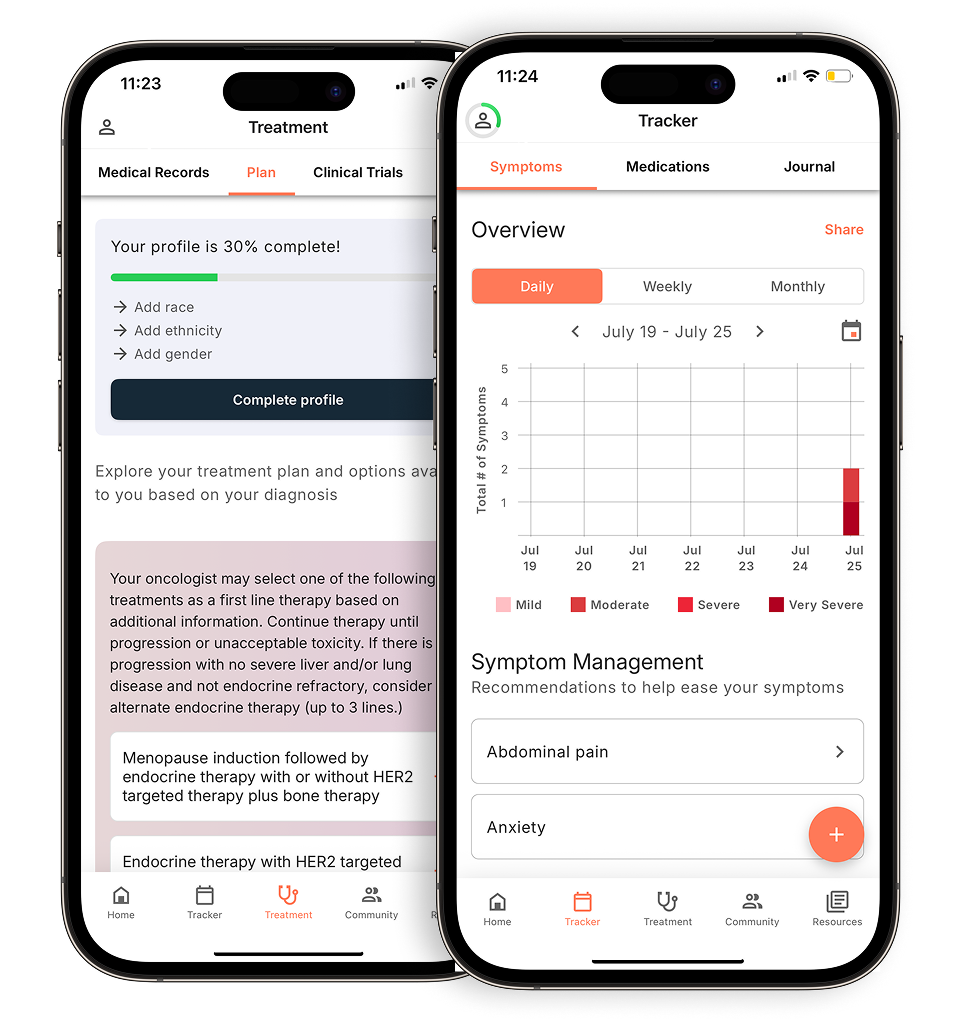
View your personalized treatment plan in the Outcomes4Me app
Use your diagnosis to unlock personalized NCCN Guidelines®-aligned recommendations.
Key Takeaways
- Ask about biomarker testing right away: Understanding the specific genetic mutations of your cancer is the key to creating a personalized treatment plan. This information helps your doctor choose the most effective options, like targeted therapy or immunotherapy, right from the start.
- Prioritize symptom management from day one: Your treatment is about more than just the cancer; it’s about your overall well-being. Palliative and supportive care can be part of your plan from the beginning to help manage side effects and improve your quality of life, so always communicate how you’re feeling.
- Be an active partner in your care: You are the central member of your treatment team. Feel empowered to ask questions, share your personal goals, and get a second opinion to ensure your care plan feels right for you and your life.
What Is Stage 4 Non-Small Cell Lung Cancer?
Receiving a Stage 4 non-small cell lung cancer (NSCLC) diagnosis can feel overwhelming, but understanding what it means is the first step toward creating a clear, effective treatment plan with your care team. This stage is also known as advanced or metastatic lung cancer, and it simply means the cancer is no longer contained to just one area. Let’s walk through what this diagnosis involves, how doctors confirm it, and what symptoms you might experience along the way.
Defining Stage 4 NSCLC
When doctors talk about cancer staging, they’re describing the size of a tumor and how far it has spread from its original location. Stage 4 NSCLC is the most advanced stage, meaning the cancer has spread from the lungs to other parts of the body. This can include distant lymph nodes, the other lung, or organs like the brain, bones, or liver.
Stage 4 is sometimes broken down further into two sub-stages. Stage 4A means the cancer has spread to one distant site outside of the chest. Stage 4B means it has spread to multiple distant sites. Knowing the specifics helps your oncology team determine the best course of action for you.
How Doctors Diagnose It
While imaging tests like CT scans can give your doctor a strong indication that cancer is present, the only way to be certain is with a biopsy. A biopsy is a procedure where a small sample of tissue is removed from the tumor and examined under a microscope by a pathologist. This analysis confirms not only that it’s cancer but also that it’s specifically non-small cell lung cancer, which behaves and responds to treatment differently than other types. This detailed pathologic diagnosis is essential for your care team to make any treatment decisions, as it provides the blueprint for your personalized care plan.
Common Symptoms to Know
With Stage 4 NSCLC, you may experience symptoms caused by the cancer itself or as side effects of treatment. Some of the more common ones include significant shortness of breath, persistent pain, extreme fatigue, and even cognitive changes like confusion. It is so important to communicate openly with your care team about anything you’re feeling, no matter how small it seems. Reporting your symptoms allows your team to provide supportive or palliative care to help manage them effectively. This focus on symptom relief is a key part of maintaining your quality of life throughout your treatment journey.
Your Main Treatment Options for Stage 4 NSCLC
When you’re diagnosed with stage 4 non-small cell lung cancer (NSCLC), your care team will work with you to create a treatment plan focused on slowing the cancer’s growth and managing your symptoms. The goal is to help you live longer and maintain the best possible quality of life. Your specific plan will depend on several factors, including your overall health, where the cancer has spread, and the unique genetic makeup of the cancer cells.
The main treatment approaches for stage 4 NSCLC are systemic therapies, which treat cancer throughout the body. These include chemotherapy, targeted therapy, and immunotherapy. Often, these treatments are used in combination. Your oncologist may also recommend radiation therapy, not as a cure, but to help relieve specific symptoms like pain. Let’s walk through what each of these options involves.
Chemotherapy
Chemotherapy uses powerful drugs to kill fast-growing cells, including cancer cells. It’s often a primary treatment option if tests don’t find any specific genetic changes in your tumor that can be treated with targeted drugs. Your oncologist will consider your overall health when deciding on the best chemotherapy regimen for you.
For those who are generally healthy, a combination of two chemotherapy drugs is common. If you have other health concerns or might not tolerate an aggressive approach, your doctor may recommend a single chemotherapy drug. Chemotherapy is typically given in cycles, with periods of treatment followed by periods of rest to allow your body to recover.
Targeted Therapy
Targeted therapy is a type of treatment that focuses on specific genetic changes, or mutations, within cancer cells that help them grow and spread. If your tumor has one of these mutations, targeted therapy can be a very effective first-line treatment. This is why biomarker testing is such a critical first step after diagnosis.
The specific drug you receive depends entirely on the genetic change found in your cancer cells. For example, there are specific drugs designed to target mutations like EGFR, ALK, and KRAS. Unlike chemotherapy, these drugs are designed to attack the cancer cells while doing less damage to healthy cells, which can sometimes mean fewer side effects.
Immunotherapy
Immunotherapy is a groundbreaking approach that uses your body’s own immune system to find and destroy cancer cells. Cancer cells can sometimes hide from the immune system by using certain proteins on their surface. Immunotherapy drugs, often called checkpoint inhibitors, block these proteins, essentially “unmasking” the cancer cells so your immune system can recognize and attack them.
Your doctor may test your tumor for a protein called PD-L1. High levels of this protein can indicate that immunotherapy might be a particularly effective option for you. It can be used on its own or in combination with chemotherapy as a first-line treatment for stage 4 NSCLC.
Radiation Therapy for Symptom Relief
While radiation therapy uses high-energy rays to destroy cancer cells, its role in stage 4 NSCLC is typically supportive rather than curative. This is often called palliative radiation. Its main purpose is to help relieve symptoms caused by the cancer spreading to other parts of the body.
For example, if the cancer has spread to your bones and is causing pain, radiation can help shrink the tumor and reduce discomfort. It can also be used to treat tumors in the brain or to relieve symptoms like shortness of breath or coughing if a tumor is blocking an airway. This approach is a key part of managing symptoms and improving your day-to-day quality of life during treatment.
How Genetic Testing Shapes Your Treatment Plan
When you’re diagnosed with stage 4 non-small cell lung cancer (NSCLC), your care team’s first goal is to understand your cancer on a molecular level. Think of it like getting a detailed blueprint of the cancer cells. Genetic testing, also called biomarker or molecular testing, provides this blueprint. It helps identify specific changes, or mutations, in the cancer cells’ DNA that are driving their growth.
This information is a game-changer. Instead of using a one-size-fits-all approach, your oncologist can use these results to create a truly personalized treatment plan. Finding a specific genetic mutation can open the door to targeted therapies—treatments designed to attack the exact vulnerabilities in your cancer cells. This approach is at the heart of modern cancer care, allowing for more precise and often more effective treatments. Understanding your cancer’s genetic makeup empowers you and your care team to make the most informed decisions about the path forward.
Key Genetic Mutations in NSCLC
Not all lung cancers are the same. The genetic mutations within the cancer cells can vary widely from person to person. For example, Memorial Sloan Kettering Cancer Center notes that about 2 out of every 10 people with NSCLC have a mutation in a gene called EGFR. This is just one of several key mutations doctors look for. Others include changes in genes like ALK, ROS1, BRAF, and KRAS. Think of these mutations as specific instructions that tell the cancer cells to grow and divide uncontrollably. By identifying which instruction your cancer is following, your doctor can choose a therapy designed to block that specific message.
How Your Results Lead to Personalized Medicine
Once your doctor has the results from your genetic testing, they can map out a personalized treatment strategy. According to the Canadian Cancer Society, doctors look for these genetic changes to decide which treatments will work best. This is the core idea behind personalized medicine: matching the right treatment to the right person at the right time. If your tumor has a specific mutation, like an EGFR mutation, your doctor may recommend a targeted therapy drug called an EGFR inhibitor. This drug is specifically designed to block the signals from that faulty gene. This approach is often more effective than traditional chemotherapy for cancers with these mutations and can sometimes come with more manageable side effects.
When to Ask About Genetic Testing
Genetic testing is typically performed on a small piece of tissue taken during a biopsy. While imaging tests like CT scans can show a tumor, a biopsy is needed to confirm a diagnosis and provide the tissue needed for this detailed analysis. For most people diagnosed with stage 4 NSCLC, biomarker testing is a standard part of the initial workup. If your care team hasn’t discussed it with you, don’t hesitate to ask. You can say, “Has my tumor been tested for biomarkers?” or “What did my genetic testing results show?” Understanding these details helps your team not only choose the best treatment but also manage your care to maintain the best possible quality of life.
A Closer Look at Targeted Therapy
If your genetic testing results show specific mutations in the cancer cells, your care team may recommend targeted therapy. Think of it like a smart key designed to fit a specific lock. Unlike chemotherapy, which affects all fast-growing cells, targeted drugs are designed to find and attack cancer cells with particular genetic changes, often leading to fewer side effects. This approach is a cornerstone of personalized medicine, matching your treatment to the cancer’s unique genetic profile. Let’s look at some of the most common types used for stage 4 NSCLC.
EGFR Inhibitors
The EGFR gene helps cells grow. In some lung cancers, this gene has a mutation that makes it overactive, causing uncontrolled cancer growth. If your tumor has an EGFR mutation, your doctor may prescribe an EGFR inhibitor. These drugs work by blocking the signals from the faulty EGFR protein, which can slow or stop the cancer from growing. Common examples include osimertinib (Tagrisso) and erlotinib (Tarceva). This type of targeted therapy is often a first-line treatment for patients with these specific genetic changes.
ALK Inhibitors
An ALK gene rearrangement is another genetic change your doctor might test for. It happens when the ALK gene fuses with another gene, creating an abnormal protein that fuels cancer cell growth. For people with ALK-positive NSCLC, drugs called ALK inhibitors can be very effective. These medications block the activity of the abnormal ALK protein, cutting off the cancer’s growth signal. Your oncologist might recommend drugs like alectinib (Alecensa) or crizotinib (Xalkori), which have significantly improved outcomes for patients.
KRAS G12C and Other Emerging Options
For a long time, mutations in the KRAS gene were considered “undruggable,” but that’s no longer the case. For tumors with a specific KRAS G12C mutation, targeted therapies like sotorasib (Lumakras) are now available. Beyond KRAS, scientists are constantly identifying other genetic targets. Your doctor may test for a range of other mutations, including ROS1, BRAF V600E, NTRK, MET, and RET, each with its own targeted therapy. This rapidly evolving field means more personalized and effective treatment options are becoming available all the time.
How Immunotherapy Is Changing Lung Cancer Treatment
Immunotherapy represents a major shift in how we approach cancer care, and it has become a key treatment for stage 4 non-small cell lung cancer (NSCLC). Unlike chemotherapy, which uses powerful drugs to kill fast-growing cells, immunotherapy works by helping your own immune system recognize and fight cancer. Think of it as training your body’s natural defenses to see cancer cells as a threat and attack them. This approach can be incredibly effective, especially for certain types of lung cancer.
For many people, immunotherapy offers a different path forward, sometimes with fewer of the side effects associated with traditional chemotherapy. It may be used as a primary treatment or in combination with other therapies. The goal is to give your immune system the upper hand, allowing it to control or even shrink tumors. Understanding how these treatments work and whether they’re right for you is a critical step in building your care plan with your oncology team.
Understanding PD-1 and PD-L1 Inhibitors
To understand immunotherapy, it helps to know about two specific proteins: PD-1 and PD-L1. PD-1 is a protein found on your immune cells (T-cells), and PD-L1 is a protein that can be found on cancer cells. When these two proteins connect, it acts like a brake, telling your immune system to leave the cancer cell alone. This is one of the clever ways cancer can hide from your body’s defenses.
Immunotherapy drugs called “checkpoint inhibitors” work by blocking this connection. By getting between PD-1 and PD-L1, these drugs release the brake on your immune system. As the Canadian Cancer Society explains, this approach “helps the body’s own immune system fight cancer.” This allows your T-cells to recognize the cancer cells as harmful and get to work destroying them.
Combining Immunotherapy with Other Treatments
Immunotherapy doesn’t always work alone. In many cases, your oncologist may recommend pairing it with other treatments, most commonly chemotherapy. This combination can be a powerful strategy, as it attacks the cancer from two different angles. While chemotherapy directly kills cancer cells, immunotherapy rallies your immune system to join the fight, which can lead to better and more durable results.
This combined approach is often considered for patients whose tumors do not have specific genetic changes, like EGFR or ALK mutations. For these individuals, using immunotherapy alongside chemotherapy can be an effective first-line treatment. Your care team will evaluate the specific characteristics of your cancer to determine if a combination therapy is the best starting point for you.
Is Immunotherapy a Good Fit for You?
Deciding if immunotherapy is the right choice depends entirely on the unique biology of your tumor. Before starting treatment, your doctor will run tests on a sample of the tumor tissue to look for specific biomarkers. One of the most important is the level of the PD-L1 protein. If your cancer cells have high levels of PD-L1, immunotherapy might be a very effective option on its own.
However, as the American Cancer Society notes, if your tumor has certain genetic mutations (like EGFR or ALK), targeted therapy is usually the first and best choice. The results of your biomarker tests will give your oncologist a clear roadmap for your treatment. This is why discussing your test results is a crucial conversation to have with your care team.
What to Expect During Your Treatment Journey
As you and your care team map out your treatment, it helps to understand the big picture. For stage 4 non-small cell lung cancer, the focus shifts from a cure to controlling the cancer and maintaining your quality of life. This means every decision is centered around what’s most important to you, finding the right balance between treating the cancer and living your life as fully as possible.
Defining Your Primary Treatment Goals
With stage 4 NSCLC, the primary goal is to help you live longer and better. While a cure isn’t the focus, modern therapies can be very effective at managing the disease. The main objectives are to slow the cancer’s growth, reduce symptoms like pain or shortness of breath, and improve your overall quality of life. Your oncologist will work with you to set clear goals for your treatment, whether that’s having more energy for family or feeling well enough to enjoy your hobbies. These personal goals are just as important as the medical ones.
Focusing on Your Quality of Life
Your well-being is at the heart of your treatment plan. The therapies you receive will be tailored to your specific needs, your cancer’s genetic makeup, and how you’re feeling. It’s a constant conversation with your care team, and if a treatment causes difficult side effects, there are often ways to adjust it. This is also where palliative care plays a vital role. It’s specialized care focused on providing relief from the symptoms and stress of a serious illness, and it can be used at any stage to help you feel more comfortable.
Understanding Potential Outcomes
Your treatment outcome depends on several factors, including your cancer’s unique characteristics and your overall health. The goal is always to help you live longer and feel better by easing symptoms. Thanks to advances in personalized medicine, your treatment can be highly targeted. If genetic testing reveals specific changes in your cancer cells, targeted therapy drugs are often the first treatment used. Similarly, if tests show high levels of a protein called PD-L1, immunotherapy might be recommended. These tailored approaches are changing what’s possible, often leading to better cancer control with fewer side effects.
How to Manage Treatment Side Effects
Going through treatment for stage 4 NSCLC is as much about managing the cancer as it is about managing your day-to-day well-being. While treatment can reduce pain and improve your quality of life, it can also bring its own set of challenges. The key is to remember that you don’t have to simply endure side effects. Your care team is there to help you find relief, and there are many strategies you can use to feel more comfortable and in control. Open communication is your best tool—never hesitate to share what you’re experiencing.
Common Side Effects for Each Treatment
Each type of treatment comes with a different profile of potential side effects. For instance, chemotherapy can often cause nausea, vomiting, fatigue, and a higher risk of infection. Targeted therapies and immunotherapies have their own unique side effects, which might include skin rashes, diarrhea, or flu-like symptoms. It’s important to talk with your oncologist about what you might expect from your specific treatment plan. Understanding the potential side effects of lung cancer treatment ahead of time can help you and your family prepare and know what to watch for. Remember, you may experience some, all, or none of these—everyone’s journey is different.
Tips for Managing Your Symptoms
Being proactive is one of the best ways to handle side effects. Work closely with your healthcare team to create a symptom management plan. This might include medications to take before you feel sick or a schedule for pain relief to stay ahead of discomfort. Don’t be afraid to ask about palliative care, which is specialized medical care focused on providing relief from the symptoms and stress of a serious illness. It’s not just for end-of-life care; it’s about improving your quality of life at any stage. Simple things like gentle exercise, a balanced diet, and getting enough rest can also make a significant difference in how you feel.
When to Call Your Doctor
It’s crucial to know which symptoms need immediate medical attention. You should call your healthcare team right away if you experience anything new or worsening, especially symptoms like trouble breathing, chest pain, fainting, dizziness, or confusion. Don’t try to tough it out or wait for your next appointment. Your team needs to know what’s happening so they can determine if you need supportive care or an adjustment to your treatment. Keeping a simple log of your symptoms can be incredibly helpful for tracking changes and communicating clearly with your doctor during appointments. You are the most important member of your care team, and your input is vital.
Could a Clinical Trial Be Right for You?
As you and your care team map out your treatment plan, you might hear about clinical trials. It’s helpful to think of a clinical trial as a research study that gives you access to newer, experimental treatments that aren’t available as a standard part of care yet. These trials are how every new cancer treatment gets approved, and participating in one can give you the chance to receive a cutting-edge therapy.
For many people, a clinical trial is a powerful way to take an active role in their own care while also contributing to the future of cancer treatment for others. It’s a significant decision, and it’s one you’ll make in close partnership with your oncologist. They can help you understand if there’s a trial that aligns with your specific diagnosis, treatment history, and personal goals.
What Kinds of Clinical Trials Are There?
Clinical trials for lung cancer are not all the same; they can have very different goals. Some trials focus on testing brand-new drugs that haven’t been approved for general use. Others explore new combinations of existing medications to see if they work better together. Many modern trials also investigate entirely new approaches to treatment, like immunotherapies that use your own immune system to fight cancer or targeted therapies designed to attack specific cancer cells. Understanding the purpose of a trial is the first step in figuring out if it’s a good fit for you.
How to Find and Choose a Trial
The best place to start your search for a clinical trial is with your oncologist. They are your most valuable resource and can help identify trials that you might be eligible for. Each study has a specific set of rules, called eligibility criteria, that outline who can participate. These criteria might include your cancer type, stage, and previous treatments. You’ll also want to consider practical details, like the trial’s location, as some are only available at certain hospitals. Your doctor can help you sort through the options and find a non-small cell lung cancer treatment trial that makes sense for your situation.
Weighing the Benefits and Risks
Deciding to join a clinical trial involves carefully considering the potential upsides and downsides. A major benefit is getting access to a new treatment that could be more effective than current options. You’ll also receive very close monitoring from a dedicated team of medical professionals. However, there are risks to consider. Because the treatments are experimental, there can be unknown side effects. There’s also a chance the treatment may not be effective for you. Having an open conversation with your healthcare team about the potential benefits and risks will help you make an informed choice that feels right.
The Importance of Supportive and Palliative Care
Living with stage 4 NSCLC involves more than just treating the cancer itself. It’s also about managing symptoms, handling side effects, and maintaining your quality of life. This is where supportive and palliative care come in. Think of it as an extra layer of support that works alongside your primary cancer treatments. The goal is to provide relief from the symptoms and stress of your illness, and it can be introduced at any stage of your diagnosis, not just at the end of life.
This type of care focuses on you as a whole person, addressing physical, emotional, and practical challenges. Your palliative care team might include doctors, nurses, social workers, and other specialists who collaborate with your oncologist. They can help with everything from pain and shortness of breath to anxiety and navigating the healthcare system. By integrating palliative care into your treatment plan, you can feel more comfortable and in control, allowing you to focus on what matters most to you. It’s a vital part of a comprehensive cancer care strategy that prioritizes your well-being throughout your entire journey.
Strategies for Pain Management
Pain is a common and challenging symptom of lung cancer and its treatments, but it’s not something you just have to endure. The first and most important step is to talk openly with your healthcare team about any pain you’re experiencing—where it is, how intense it is, and what makes it better or worse. This allows them to create a personalized pain management plan for you. This plan might include medications, nerve blocks, or other procedures. It’s also a great time to ask about palliative care specialists who are experts in symptom control. Working with them can make a significant difference in your daily comfort and ability to stay active.
Getting the Respiratory Support You Need
Shortness of breath, coughing, and chest pain can be distressing symptoms of lung cancer. Your care team has several ways to help you breathe easier. Sometimes, treatments aimed at the cancer itself can also provide symptom relief. For example, radiation therapy can be used to shrink tumors that are pressing on your airways or causing pain. In other cases, your doctor might prescribe medications like bronchodilators to open your airways or steroids to reduce inflammation. Oxygen therapy can also be a great help if your blood oxygen levels are low. Don’t hesitate to tell your doctor as soon as you notice any breathing difficulties.
Finding Emotional and Psychological Support
A cancer diagnosis affects more than just your physical health; it can bring a wave of emotions, from fear and anxiety to sadness and frustration. Taking care of your mental and emotional well-being is just as important as managing physical symptoms. Many people find comfort in talking to a professional, like a therapist or counselor who specializes in oncology. Support groups, whether in-person or online, can also connect you with others who truly understand what you’re going through. Organizations like CancerCare provide free, professional support services, while LUNGevity’s HELPLine offers personalized guidance for both patients and their families.
Partnering With Your Care Team to Create Your Plan
Your treatment plan isn’t just something that happens to you; it’s something you create with your doctors. This collaborative approach ensures your care aligns with your specific diagnosis, your overall health, and your personal goals. Open communication is the foundation of this partnership, and you are the central member of your care team.
How to Work Best With Your Oncologist
Think of your relationship with your oncologist as a collaboration. The best treatment plan for stage 4 NSCLC is highly personalized, taking into account the cancer’s genetic markers and your overall health. Your oncologist brings medical expertise, but you bring the expertise on your body, your life, and your priorities. To work together effectively, come to appointments prepared with questions and be open about how you’re feeling—physically and emotionally. Remember, there are no bad questions when it comes to your health. This teamwork ensures your treatment is tailored not just to the cancer, but to you as a whole person.
Why and When to Get a Second Opinion
Getting a second opinion is a standard and often reassuring step. It’s not about doubting your doctor; it’s about gathering information to feel confident in your treatment path. Stage 4 NSCLC is complex, and another oncologist may offer a different perspective or introduce new options, such as joining a clinical trial. It’s a good idea to seek one after your initial diagnosis, before starting a new treatment, or if you feel your current plan isn’t working as expected. It’s an empowering way to take an active role in your care and make sure all avenues have been explored.
Finding Support for You and Your Family
You and your loved ones don’t have to walk this path alone. A strong support system is just as important as your medical treatment. Many organizations offer incredible resources, from counseling to community groups. For example, CancerCare provides free, professional support services for people affected by lung cancer. Connecting with others who understand what you’re going through can make a world of difference. The American Lung Association also has support networks that provide education and community. Leaning on these resources can help you and your family manage the challenges of a cancer diagnosis.
Related Articles
- Stage 4 Non-Small Cell Lung Cancer Life Expectancy with Treatment – Outcomes4Me
- Stage 4 Lung Cancer Life Expectancy: Factors & Treatment Options
- Stage 4 Lung Cancer Life Expectancy Without Treatment: Survival Rate
- What does it mean when stage 4 lung cancer is treatable but not curable? | Outcomes4Me Community
- Stage 2 Non Small Cell Lung Cancer Survival Rate: Prognosis & Life Expectancy
View your personalized treatment plan in the Outcomes4Me app
Use your diagnosis to unlock personalized NCCN Guidelines®-aligned recommendations.
Frequently Asked Questions
What does it mean that the goal is to ‘control’ the cancer instead of cure it? When lung cancer has spread to other parts of the body, the focus of treatment shifts. Instead of trying to completely eliminate every cancer cell, the goal becomes managing the cancer like a chronic condition. Your care team will use therapies to shrink tumors, slow their growth, and relieve symptoms, all with the aim of helping you live longer and maintain the best possible quality of life.
What happens if my genetic tests don’t find any specific mutations? This is a common scenario, and it absolutely does not mean you’re out of options. If your tumor doesn’t have a specific genetic marker that can be treated with a targeted drug, your oncologist will likely recommend other powerful systemic treatments. This is often when chemotherapy, immunotherapy, or a combination of the two becomes the primary treatment plan.
With so many options, how will my doctor decide which treatment is right for me? Your oncologist pieces together a complete picture to create your personalized plan. They will look at the results of your genetic testing, the levels of the PD-L1 protein in your tumor, where the cancer has spread, and your overall health. Just as importantly, they will talk with you about your personal goals and priorities. This collaborative approach ensures the final plan is tailored specifically to you and your cancer.
Do I just have to live with treatment side effects, or can something be done about them? You should never feel like you have to simply endure side effects. Managing them is a key part of your overall treatment. Your care team has many tools to help you feel more comfortable, from medications that prevent nausea to strategies for managing fatigue. The most important thing you can do is communicate openly about how you’re feeling so your team can provide support and adjust your plan if needed.
Does being offered palliative care mean my doctor thinks I’m at the end of my life? Not at all. This is a very common misconception. Palliative care is specialized medical care focused on providing relief from the symptoms and stress of a serious illness, and it can be started at any point after diagnosis. It works alongside your primary cancer treatments to manage things like pain, shortness of breath, and anxiety, with the goal of improving your quality of life throughout your entire treatment journey.