
Your breast cancer treatment plan for stage 3 is exactly that—yours. It’s not a one-size-fits-all script. Instead, your care team creates a custom strategy based on the cancer’s unique biology and your overall health. They will look at factors like the tumor’s hormone receptor and HER2 status to find the most effective therapies. Your personal preferences and life goals are also a central part of this conversation. This guide will help you understand how these pieces come together to shape the treatment options for stage 3 breast cancer and ensure your care plan is truly personalized.
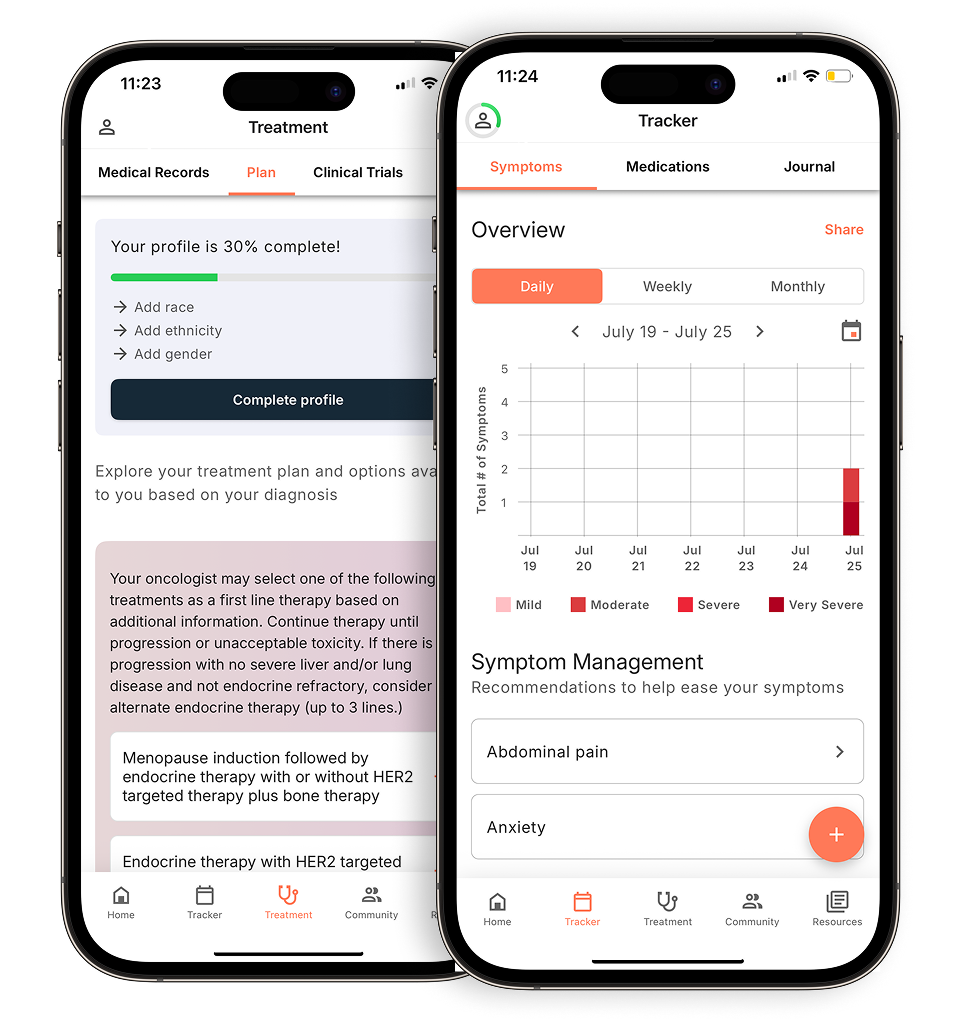
View your personalized treatment plan in the Outcomes4Me app
Use your diagnosis to unlock personalized NCCN Guidelines®-aligned recommendations.
Key takeaways
- Stage 3 is locally advanced, not widespread: This means the cancer is contained in the breast and nearby areas, not distant organs. Your treatment will likely begin with therapy before surgery to shrink the tumor, which can lead to a more effective operation.
- Treatment is tailored to your specific cancer: Your plan is not a generic template; it’s built around your cancer’s unique details, like its hormone receptor and HER2 status. Your overall health and personal goals are also key factors in creating the right approach for you.
- You are a central part of your care team: Speaking up is one of the most important things you can do. Ask questions, share your treatment goals, and report side effects so your doctors can adjust your plan to fit your needs and support your quality of life.
How is breast cancer diagnosed and staged?
Before your care team can create a personalized treatment plan, they need to gather detailed information about the cancer. This involves two key steps: diagnosis, which confirms the presence of cancer and identifies its specific characteristics, and staging, which determines its size and if it has spread. Understanding this process can help you feel more prepared for the conversations ahead and see how each test result contributes to building a strategy tailored just for you. These findings are the foundation of your entire treatment journey, providing the critical data needed to select the most effective therapies.
The diagnostic process: from imaging to biopsy
The journey to a diagnosis often begins with a physical exam and imaging tests, such as a mammogram, breast ultrasound, or MRI. While these images help doctors spot any areas of concern, a biopsy is the only way to know for sure if cancer is present. During a biopsy, a small sample of tissue is removed and sent to a lab for analysis. The resulting pathology report is incredibly important, as it reveals the cancer’s specific type, its grade (how quickly the cells are growing), and its hormone receptor (ER/PR) and HER2 status. This detailed report is what allows your care team—and tools like the Outcomes4Me app—to identify treatment options that are aligned with your specific diagnosis.
Tests used to determine your cancer’s stage
Once breast cancer is diagnosed, the next step is to determine its stage. Staging is the process of finding out how much cancer is in the body and where it is located. To do this, your doctor may recommend additional tests, which could include blood work, a CT scan, a bone scan, or a PET scan. These tests help create a complete picture of the cancer’s extent. As the Mayo Clinic explains, breast cancer stages range from 0 to 4. Stage 0 is non-invasive, while stage 4 means the cancer has spread to distant parts of the body. Stage 3 breast cancer is considered locally advanced, meaning it has not spread to distant sites but is more extensive in the breast and surrounding tissues or lymph nodes.
What is stage 3 breast cancer?
If you’ve received a stage 3 breast cancer diagnosis, your care team has determined that the cancer is “locally advanced.” This is a clinical term that means cancer cells have moved beyond the initial tumor in the breast to nearby areas, such as the lymph nodes, chest wall muscles, or the skin of the breast. The key distinction for stage 3 is that the cancer has not spread to distant parts of the body, like the bones, liver, or lungs.
Hearing the word “advanced” can feel overwhelming, but it’s important to understand that this staging information gives your doctors a very detailed map of the cancer. This map is essential for building the most effective treatment plan for your specific situation. To get an even clearer picture, oncologists divide stage 3 into three subcategories: 3A, 3B, and 3C. Each category describes the size of the tumor and exactly how far the cancer has spread locally. Understanding your specific stage of breast cancer is the first step your care team takes to personalize your treatment journey.
Breaking down stage 3A
A diagnosis of stage 3A breast cancer generally means one of two things. It could mean that a tumor in the breast is larger than 5 centimeters and cancer cells have been found in one to three nearby lymph nodes, typically under the arm. Alternatively, it could mean the tumor is smaller (or not found at all), but the cancer has spread to a larger number of lymph nodes, specifically four to nine of them. This information tells your care team that the cancer has progressed, so they will likely recommend a thorough treatment plan to address both the breast tissue and the affected lymph nodes.
Breaking down stage 3B
Stage 3B breast cancer is defined by where the cancer has spread, regardless of the tumor’s size. In this stage, the cancer has grown into the chest wall (the muscles, bones, and tissues that protect your heart and lungs) or the skin of the breast. This might cause symptoms like swelling, inflammation, or sores on the breast skin. Cancer may also be present in up to nine nearby lymph nodes. The key feature of stage 3B is this direct spread to the chest wall or skin, which helps your doctors decide on the best combination of therapies to manage the disease effectively.
Breaking down stage 3C
Stage 3C is the most extensive form of locally advanced breast cancer. This diagnosis means the cancer has spread to a significant number of lymph nodes in several specific areas. This could include 10 or more lymph nodes under the arm, lymph nodes located above or below the collarbone, or a combination of lymph nodes under the arm and near the breastbone. In stage 3C, the tumor in the breast can be any size and may have also grown into the chest wall or skin. Because of this widespread local involvement, your care team will likely recommend a multi-faceted treatment approach.
Your treatment options for stage 3 breast cancer
When you’re diagnosed with stage 3 breast cancer, your care team will develop a treatment plan that is specific to you. This plan usually involves a combination of different therapies working together to treat the cancer effectively. The goal is to remove the cancer from the breast and lymph nodes and to reduce the chance of it returning.
Most treatment plans for stage 3 breast cancer begin with therapy to shrink the tumor before surgery. This is often followed by surgery, radiation, and potentially other drug therapies that travel throughout your body to destroy any remaining cancer cells. Your specific combination and sequence of treatments will depend on several factors, including the tumor’s characteristics and your overall health. The main types of treatment you’ll discuss with your doctor include chemotherapy, surgery, radiation therapy, hormone therapy, and targeted therapy. Each one plays a unique and important role in your overall care plan. Your oncology team will walk you through every step, explaining the purpose of each treatment and what you can expect along the way.
The role of chemotherapy in your treatment
Chemotherapy is a cornerstone of treatment for stage 3 breast cancer and is often the very first step. These powerful drugs work by traveling through your bloodstream to destroy cancer cells throughout your body. For stage 3 cancer, chemotherapy is typically given before surgery, a strategy known as neoadjuvant therapy. The main goals are to shrink the tumor in your breast and treat any cancer cells that may have spread to nearby lymph nodes.
Making the tumor smaller can sometimes allow for a less extensive operation. Your response to chemotherapy also gives your doctors valuable information about how the cancer behaves, which can help guide the rest of your breast cancer treatment plan.
Choosing between a lumpectomy and a mastectomy
After initial treatment like chemotherapy, surgery is performed to remove the remaining tumor. The most common operation for stage 3 breast cancer is a mastectomy, which involves removing the entire breast. In some cases, particularly if chemotherapy has significantly shrunk the tumor, a lumpectomy might be an option. A lumpectomy, also called breast-conserving surgery, removes only the tumor and a small margin of surrounding healthy tissue.
Your surgeon will also likely check or remove lymph nodes from under your arm to see if the cancer has spread there. The right type of surgery for you depends on your tumor’s size, location, and other individual factors.
Types of mastectomy and lymph node surgery
When discussing surgery, your team will talk about two main components: the breast and the lymph nodes. For the breast, a mastectomy—the removal of the entire breast—is the most common surgery for stage 3 breast cancer. However, if neoadjuvant chemotherapy works especially well to shrink the tumor, a lumpectomy (removing only the tumor and a border of healthy tissue) might be possible. Your surgeon will also need to address the lymph nodes under your arm to see if cancer has spread there. This usually involves an axillary lymph node dissection, where a number of lymph nodes are removed for examination. The specifics of your surgery are carefully planned based on your tumor’s response to initial therapy and your unique anatomy.
Considering breast reconstruction after surgery
If you have a mastectomy, you may want to consider breast reconstruction. This is a deeply personal decision, and there is no right or wrong choice. Reconstruction can be done at the same time as your mastectomy (immediate reconstruction) or scheduled for a later date after you’ve completed other treatments like radiation (delayed reconstruction). There are several reconstruction options, which generally fall into two categories: using implants or using your own body tissue (called a flap procedure). Your care team, including a plastic surgeon, will discuss all the possibilities with you, helping you weigh the pros and cons based on your treatment plan, body type, and personal goals.
When radiation therapy is recommended
Radiation therapy is a crucial part of the treatment plan for stage 3 breast cancer and is almost always recommended after surgery. This treatment uses high-energy rays, similar to X-rays, to target and destroy any cancer cells that might have been left behind in the breast, chest wall, or nearby lymph nodes.
The goal of radiation therapy is to lower the risk of the cancer coming back in the same area. It’s a localized treatment, meaning it focuses specifically on the area where the cancer was found. Your radiation oncologist will carefully plan your sessions to maximize the impact on cancer cells while protecting surrounding healthy tissue as much as possible.
Understanding hormone therapy
If your cancer cells have receptors for the hormones estrogen or progesterone, your cancer is considered hormone receptor-positive (HR-positive). In this case, your doctor will recommend hormone therapy. This treatment works by blocking hormones from reaching the cancer cells or by reducing the amount of hormones your body makes, which can stop or slow the growth of HR-positive cancer cells.
Common types of hormone therapy include drugs like tamoxifen and aromatase inhibitors. This treatment is typically taken as a daily pill for five to ten years after your initial treatments are finished to help prevent the cancer from returning.
Ovarian suppression as a hormone therapy option
For premenopausal women with HR-positive breast cancer, your doctor might discuss a treatment called ovarian suppression. This approach focuses on temporarily or permanently stopping your ovaries from producing estrogen, which is the main fuel for HR-positive cancer cells before menopause. This can be achieved in a couple of ways: through medication that puts your ovaries on a temporary pause, or through surgery to remove them permanently. This treatment is often used alongside other hormone therapy drugs, like tamoxifen or an aromatase inhibitor, to make them even more effective at reducing the risk of recurrence. It’s a significant decision that can bring on menopausal symptoms, so it’s important to have an open conversation with your care team about the benefits and potential side effects for your specific situation.
How targeted therapy works
Targeted therapy is a type of treatment that uses drugs designed to attack specific characteristics of cancer cells. Unlike chemotherapy, which affects all rapidly dividing cells, targeted drugs can focus on what makes cancer cells different from normal cells, often resulting in different side effects.
For example, if your cancer is HER2-positive, it means the cells have too much of a protein called HER2, which helps them grow. Targeted therapy drugs can block this protein and stop the cancer from growing. These treatments are often used alongside chemotherapy to make it more effective. Your doctor will test your tumor to see if targeted therapy is a suitable option for you.
Newer drug classes: PARP inhibitors and ADCs
The world of cancer treatment is always advancing, and newer types of drugs are creating more personalized options. One such class is PARP inhibitors. These drugs work by stopping cancer cells from repairing their own DNA, which can make them more vulnerable to treatment, especially for people with specific genetic mutations like BRCA1 or BRCA2. Another innovative approach is antibody-drug conjugates, or ADCs. Think of these as a guided missile system for chemotherapy. An ADC combines an antibody that seeks out cancer cells with a powerful cancer-fighting drug, delivering the treatment directly to the tumor while aiming to leave healthy cells alone. These advanced therapies are part of a growing toolkit that allows your care team to create a more precise treatment strategy based on your cancer’s unique biology.
The role of immunotherapy in treatment
Immunotherapy represents a different way of thinking about cancer treatment. Instead of using drugs to attack cancer cells directly, immunotherapy works by helping your own immune system recognize and fight the cancer. For some people, cancer cells can develop ways to hide from the immune system, but immunotherapy drugs can interfere with that process, essentially taking the brakes off your immune cells so they can do their job more effectively. This approach can be a powerful option for certain types of breast cancer, such as triple-negative breast cancer, which may not respond to hormone or other targeted therapies. Understanding the specific details of your tumor is key to determining if immunotherapy is a good fit for your treatment plan.
How is your treatment plan personalized?
When you’re diagnosed with stage 3 breast cancer, it’s natural to wonder exactly what your treatment will look like. The important thing to know is that there is no single, one-size-fits-all treatment plan. Instead, your care team will work with you to create a personalized strategy that’s tailored to your specific diagnosis, your body, and your life. This approach ensures that you receive the most effective care possible.
Think of it like a custom-made key designed for a very specific lock. Your doctors will look at several key factors to build your plan. These include the unique biological details of the cancer cells, your overall health, and whether you’ve gone through menopause. Just as importantly, your personal preferences and goals are a central part of the conversation. This process of shared decision-making puts you at the center of your care, ensuring your treatment plan aligns with what matters most to you.
Why your hormone receptor and HER2 status matter
One of the first things your care team will determine is the cancer’s “personality.” This involves testing the cancer cells for specific proteins that act like docking stations, called receptors. If the cells have receptors for the hormones estrogen or progesterone, the cancer is called hormone receptor-positive (HR-positive). This means hormones can fuel its growth.
Another key factor is a protein called HER2 (human epidermal growth factor receptor 2). If the cancer cells make too much of this protein, it’s called HER2-positive. These details are incredibly important because they tell your doctors which treatments are most likely to work. For example, HR-positive cancers often respond well to hormone therapy, while HER2-positive cancers can be treated with targeted therapy drugs.
How your health and menopausal status guide treatment
Your treatment plan isn’t just about the cancer; it’s also about you as a whole person. Your care team will consider your overall health, including any other medical conditions you may have, to make sure the recommended treatments are safe and manageable for you. Your age and fitness level can also influence which therapies are the best fit and how your body might handle potential side effects.
Your menopausal status is another key piece of the puzzle. Whether you are premenopausal or postmenopausal helps your doctors choose the most effective type of hormone therapy if your cancer is HR-positive. This personal approach ensures your treatment is not only powerful against the cancer but also compatible with your body’s unique needs.
What your tumor’s details can tell your doctors
Beyond hormone and HER2 status, your doctors will look at other specific features of the tumor. This includes the tumor’s grade, which describes how different the cancer cells look from healthy breast cells and gives an idea of how quickly they might grow and spread. They will also identify the specific type of breast cancer you have, such as invasive ductal carcinoma or invasive lobular carcinoma, as different types can behave differently. All of these details help create a clearer picture of the cancer, allowing your care team to select the treatments that will be most effective against its specific characteristics.
Sharing your preferences and goals with your team
Your voice is one of the most important parts of creating your treatment plan. Your doctors will talk with you about your personal preferences, values, and goals. What does quality of life mean to you? Are you concerned about specific side effects, like fertility loss or hair loss? Your priorities matter. For example, you might prefer a treatment schedule that better fits your work or family life. By discussing your hopes and concerns, you and your care team can make decisions together. This collaborative approach ensures your treatment plan respects your wishes and fits into your life as much as possible.
Special considerations for treatment
Sometimes, breast cancer treatment plans need to account for unique circumstances. Situations like being pregnant during diagnosis or having a less common type of breast cancer require a specialized approach. Your care team will consider these factors carefully to create a plan that is both safe and effective for your specific situation. These adjustments ensure that your treatment is just as personalized and thorough, addressing every aspect of your health and life.
Treatment during pregnancy
A breast cancer diagnosis during pregnancy brings a unique set of challenges and concerns. Your care team will include specialists who are experienced in this area to create a plan that prioritizes both your health and the well-being of your baby. The goal is to treat the cancer effectively while protecting your pregnancy. Some treatments, like certain types of chemotherapy, can often be given safely during the second and third trimesters. However, other therapies, such as radiation and hormone therapy, are typically delayed until after you’ve given birth. Your doctors will carefully time each step of your treatment during pregnancy to ensure the best possible outcome for you and your baby.
Approaches for inflammatory breast cancer and DCIS
Inflammatory breast cancer (IBC) is a rare and fast-growing type of breast cancer that requires an aggressive treatment plan. Because of its nature, treatment for IBC usually starts with chemotherapy to shrink the tumor and kill any cancer cells that may have spread. This is typically followed by surgery, often a mastectomy, and then radiation therapy to target any remaining cells. Ductal Carcinoma in Situ (DCIS) is different; it’s a non-invasive cancer where abnormal cells are found in the lining of a breast duct but haven’t spread beyond it. Treatment for DCIS is aimed at preventing it from becoming invasive cancer. This usually involves surgery, either a lumpectomy or a mastectomy, and is often followed by radiation therapy to lower the chance of the cancer returning. Your doctor will discuss the best approach for your specific diagnosis.
What is neoadjuvant therapy?
When you hear about cancer treatment, you might picture a standard sequence: surgery first, followed by other therapies like chemotherapy or radiation. However, your care team may recommend a different approach called neoadjuvant therapy. This simply means receiving treatment before your main treatment, which is usually surgery. For stage 3 breast cancer, neoadjuvant therapy often involves chemotherapy, hormone therapy, or targeted therapy.
The main goal is to shrink the tumor and kill any cancer cells that may have spread to nearby lymph nodes before the surgeon operates. Think of it as a way to make the primary surgery more manageable and effective. This approach is quite common for stage 3 breast cancer because the tumors can be larger or have spread to surrounding tissues. By treating the cancer systemically (throughout the body) first, doctors can tackle the cancer from multiple angles. This pre-surgery treatment gives your medical team valuable information about how your specific cancer responds to certain drugs, which helps them create the most effective treatment plan for you moving forward.
Why you might have treatment before surgery
One of the most significant benefits of neoadjuvant therapy is its ability to shrink the tumor before surgery. When a tumor is smaller, it can be easier for the surgeon to remove completely. This can have a big impact on the type of surgery you’re able to have. For some people, shrinking the tumor enough might mean they can have a lumpectomy (which removes only the tumor and a small margin of healthy tissue) instead of a mastectomy (which removes the entire breast). This approach, known as breast-conserving surgery, can be a really important factor in a person’s treatment decisions and quality of life after recovery.
How pre-surgery treatment can improve surgical outcomes
Beyond just making the tumor smaller, neoadjuvant therapy can make the surgery itself more successful. When a tumor is large or has grown into nearby tissues, it can be challenging for a surgeon to remove all of the cancerous cells. By using chemotherapy or other treatments to shrink the tumor first, the surgeon has a better chance of removing it with “clean margins,” meaning no cancer cells are found at the edge of the removed tissue. This reduces the likelihood that any cancer cells are left behind, which can lower the risk of the cancer returning in that area. This pre-treatment step is a key strategy for improving long-term surgical outcomes.
Seeing how well your treatment is working
Neoadjuvant therapy offers your care team a unique window of opportunity: they can see exactly how your cancer responds to a specific treatment before you even have surgery. If the tumor shrinks a lot, it’s a great sign that the therapy is highly effective against your particular cancer. If the tumor doesn’t respond as well as hoped, your doctors have critical information they can use to adjust your treatment plan after surgery. This real-time feedback helps personalize your care, ensuring that any future treatments are chosen based on what is most likely to work for you. This process helps your team make informed decisions about the next steps in your cancer treatment.
What is adjuvant therapy?
After surgery, your care team will likely discuss the next step in your treatment: adjuvant therapy. You can think of this as an extra layer of security. The goal of adjuvant therapy is to lower the risk of the cancer coming back by getting rid of any cancer cells that might remain in your body. Even after a successful surgery, some microscopic cells can be left behind. These follow-up treatments are designed to find and destroy those cells. Depending on your cancer’s specific characteristics, your adjuvant therapy plan might include radiation, chemotherapy, hormone therapy, or targeted therapy, all chosen to support the best possible long-term outcome for you.
How does your care team create your treatment plan?
Putting together your treatment plan is a thoughtful and collaborative process. It’s not a one-size-fits-all map but a personalized strategy designed just for you by a team of specialists. Think of it as a roadmap that is carefully drawn based on the unique details of your cancer, your overall health, and your personal goals.
Your care team will consider several key factors to determine the best approach. They’ll look at the specific characteristics of the cancer cells, the order in which treatments might be most effective, and how to best combine different therapies to give you the best possible outcome. This process is a partnership between you and your healthcare team, ensuring your plan is as unique as you are.
Why the order of your treatments is important
The order of your treatments is carefully planned to be as effective as possible. For many women with stage 3 breast cancer, the journey involves a combination of therapies. It’s common to start with chemotherapy to shrink the tumor before any operation. This approach, called neoadjuvant therapy, can make the tumor easier to remove and may even allow for a less extensive surgery. After chemotherapy and surgery, radiation therapy is often used to target any remaining cancer cells in the breast, chest wall, or lymph nodes, reducing the chance of the cancer returning.
Who is on your cancer care team?
You are not alone in this, and neither is your primary doctor. Your treatment plan is created by a multidisciplinary team of specialists who all bring their expertise to the table. This team often includes a medical oncologist, a surgical oncologist, and a radiation oncologist, among others. They work together to review all aspects of your case. Your plan will depend on many factors beyond the stage, including whether the cancer cells have hormone receptors, your HER2 status, your overall health, and whether you’ve gone through menopause. This team approach ensures your care is comprehensive and considers every angle.
Following evidence-based guidelines from the NCCN
Your doctors use a set of expert recommendations to help create the best treatment plan for you. These are called the NCCN Clinical Practice Guidelines in Oncology (NCCN Guidelines®), and they are considered the gold standard for cancer care in the United States. Developed by a team of leading cancer specialists, these guidelines are constantly updated based on the latest scientific research. This ensures your treatment plan is evidence-based, meaning it’s built on a foundation of the most current and effective approaches available. The NCCN Guidelines help your care team make informed decisions about which combination of therapies is right for your specific diagnosis. At Outcomes4Me, we put this same expert information directly into your hands, helping you understand your options and have more confident conversations with your doctor.
What genomic testing can reveal about your cancer
To create the most effective plan, your doctors need to understand the cancer on a molecular level. This is where genomic or biomarker testing comes in. This testing helps identify the specific characteristics of the cancer cells, like their “fingerprint.” For example, tests will show if your cancer is fueled by hormones (ER-positive or PR-positive) or if it has high levels of a protein called HER2. Knowing these details is crucial because it helps your team choose treatments, like hormone therapy or targeted therapy, that are designed to attack those specific features.
Staying flexible: how your treatment plan can change
Your treatment plan is a living document, not something set in stone. Your care team will monitor your progress closely and may adjust the plan based on how the cancer responds to treatment. For instance, seeing how a tumor shrinks during neoadjuvant (pre-surgery) chemotherapy gives your doctors valuable information. It can help them understand how well a particular treatment is working and guide decisions about what therapies to use after surgery. This flexible approach ensures your treatment remains optimized for you every step of the way.
How can you manage treatment side effects?
Going through treatment for stage 3 breast cancer is a major step, and it’s normal for the process to affect your body in different ways. Each treatment plan is designed to be effective against cancer, but it can also cause side effects. The good news is that these side effects are often manageable, and your care team is there to help you through them.
Open communication is key. Keeping track of how you feel and sharing any new or changing symptoms with your doctors and nurses will help them adjust your care and find solutions that work for you. From skin changes to fatigue, there are many strategies and support systems available to help you feel more comfortable during your treatment journey.
Coping with side effects from chemotherapy
Chemotherapy works by targeting fast-growing cells, which includes cancer cells but can also affect some of your healthy cells. This can lead to side effects like fatigue, hair loss, early menopause, or a lower white blood cell count, which might make you more prone to infections. One of the most helpful things you can do is keep a simple symptom diary. Jotting down how you feel each day can make it easier to talk with your healthcare team about your treatment side effects. This clear record helps them understand exactly what you’re experiencing so they can offer the best ways to manage your symptoms.
Managing nausea, vomiting, and infection risk
Chemotherapy can also lead to nausea and vomiting, but you don’t have to simply endure these symptoms. Your healthcare team can prescribe very effective medications to help prevent or reduce them, so it’s important to speak up as soon as you feel unwell. Another key area to focus on is managing your risk of infection. Because chemotherapy can lower your white blood cell count, your body may have a harder time fighting off germs. Your care team will tell you what signs to look for, such as a fever, and it’s essential to report any symptoms to them right away. Staying in close contact with your doctors and nurses about how you’re feeling is the most effective way to handle these side effects and maintain your quality of life during treatment.
Handling side effects from surgery and radiation
After surgery or radiation, your body needs time to heal. Radiation therapy, for example, can sometimes damage healthy skin cells in the treatment area. You might notice redness, dryness, or itchiness, similar to a sunburn. It’s important to be gentle with your skin during this time and follow your care team’s instructions for skin care. Paying close attention to your skin and letting your provider know about any changes is a simple but effective way to stay on top of any potential breast cancer side effects. They can recommend creams or other treatments to soothe irritation and help your skin recover.
Common surgical risks like pain and bleeding
Surgery, whether it’s a lumpectomy or a mastectomy, is a significant medical procedure, and it’s normal to have concerns about recovery. Two of the most common risks are pain and bleeding. Your surgical team anticipates these possibilities and has a plan to manage them. Post-operative pain is expected, but it shouldn’t be unmanageable. It’s crucial to have an open conversation with your doctors and nurses about your pain levels. Being honest about what you’re feeling allows them to adjust your pain management plan to ensure you’re as comfortable as possible while you heal.
What is lymphedema and how is it managed?
During breast cancer surgery, your surgeon may remove some lymph nodes from under your arm to check if the cancer has spread. While this is a vital step, it can sometimes disrupt the flow of lymph fluid, leading to a condition called lymphedema. This is a buildup of fluid that causes swelling, most often in the arm or hand on the same side as the surgery. If you develop lymphedema, it’s important to know that it can be managed. Your care team may recommend strategies like specialized physical therapy, wearing compression garments, or specific exercises to help reduce the swelling and improve your comfort. Reporting any new swelling to your doctor right away is the first step in getting the right lymphedema care.
Dealing with swollen or firm breast tissue after radiation
After you complete radiation therapy, you might notice some changes in the treated breast tissue. It’s common for the area to feel swollen or firmer than it did before. Your skin might also be red or sensitive, similar to a sunburn. These are typical reactions as your body heals from the treatment. While these changes can be unsettling, they are usually temporary. The most important thing you can do is communicate these side effects to your radiation oncology team. They can offer advice on how to soothe your skin and can monitor the changes to make sure you’re healing well. Keeping a simple log of these changes can help you have a more detailed conversation with your doctor about your post-radiation symptoms.
What to expect from hormone and targeted therapy side effects
Hormone and targeted therapies are powerful treatments, but they can sometimes come with long-term side effects. If you’re on hormone therapy, you might experience things like muscle and joint pain, weight gain, or a higher risk for osteoporosis over time. Knowing about these possibilities ahead of time allows you to take proactive steps. Simple lifestyle changes, like incorporating regular exercise and focusing on a healthy diet, can make a big difference. Talking with your doctor about these side effects of breast cancer treatment can help you create a plan to manage them effectively and protect your long-term health.
Coping with menopause-like symptoms
Because hormone therapy works by lowering estrogen levels in your body, it can sometimes trigger symptoms that feel a lot like menopause, regardless of your age. You might experience things like hot flashes, night sweats, vaginal dryness, or changes in your mood. While these changes can be challenging, it’s important to remember that they are a sign the treatment is doing its job. There are many ways of managing these symptoms, from lifestyle adjustments to medications. Don’t hesitate to bring these concerns to your care team. They can offer practical solutions to help you feel more comfortable and maintain your quality of life throughout your treatment.
How supportive care can help you feel better
You don’t have to manage treatment side effects on your own. Supportive care, also known as palliative care, is an essential part of your treatment plan that focuses on providing relief from symptoms and improving your quality of life. This can include everything from managing pain and fatigue to getting emotional and psychological support. Organizations offer free, professional breast cancer resources, including counseling and support groups led by oncology social workers. Tapping into these services can provide an extra layer of support, helping you and your family handle the challenges of treatment with more confidence.
Using integrative medicine to manage symptoms
Integrative medicine combines your standard medical treatments with other evidence-based therapies to help manage symptoms and support your overall well-being. Think of it as adding more tools to your toolkit. These therapies don’t treat the cancer itself, but they can be very effective for easing side effects like fatigue, nausea, pain, and anxiety. Practices such as acupuncture, massage, meditation, and gentle yoga can help you feel more in control and improve your quality of life during treatment. It’s essential to talk with your oncology team before starting any new therapy to make sure it’s a safe and helpful addition to your integrative medicine plan.
Finding support for your caregivers
Your loved ones are on this journey with you, and their support is invaluable. But being a caregiver is a demanding role, and it’s important for them to have support, too. Many of the same organizations that help patients also offer resources specifically for caregivers, including support groups and counseling. Encouraging your loved ones to connect with others who understand their experience can make a huge difference. Remind them that taking care of themselves—by getting enough rest, eating well, and making time for their own interests—isn’t selfish. It’s a necessary step to prevent burnout so they can continue to be there for you. Your hospital’s social worker is a great person to ask for local caregiver resources.
How to talk with your healthcare team
Open and honest communication with your care team is a cornerstone of your treatment journey. You are the most important member of that team, and your voice matters. Feeling prepared for appointments can help you have more productive conversations, ensuring your questions are answered and your concerns are heard. This partnership helps you and your doctors make decisions that feel right for you.
Questions to ask your doctor
It’s completely normal to have a lot of questions, and it’s a great idea to write them down before your appointments. No question is too small or silly. When you discuss your options, the American Cancer Society suggests you should “always discuss these factors with your doctor to understand how they affect your treatment choices.” Consider asking about the goals of each treatment, what to expect during the process, potential short-term and long-term side effects, and how the plan might impact your daily life, like work and family responsibilities. Keeping a notebook dedicated to your questions and your doctor’s answers can be a helpful tool.
Making sure you understand your diagnosis and goals
Understanding the details of your diagnosis is the first step, but it’s just as important to clarify your personal treatment goals. Your life, values, and priorities are unique, and your treatment plan should reflect that. The National Breast Cancer Foundation advises you to “work with your oncologist (cancer doctor) to figure out the best treatment plan for you, as it depends on many personal factors.” This is a collaborative process. Be open about what’s important to you, whether it’s maintaining your energy levels, managing specific side effects, or aligning treatment schedules with important life events. Your oncologist is your partner in creating a plan that fits your specific needs.
Why getting a second opinion can be helpful
A stage 3 breast cancer diagnosis comes with a lot of information to process, so it’s completely understandable to want another expert to review your case. Getting a second opinion isn’t about distrusting your current doctor; it’s about empowering yourself with as much knowledge as possible. It can give you more information and help you feel more confident about the path ahead. A different specialist might suggest a slight adjustment to your treatment sequence or know of a clinical trial that could be a good fit for you. Remember, your treatment plan is a living document, and your voice is a crucial part of shaping it. Seeking a second opinion is a proactive step to ensure your care plan is as comprehensive and personalized as possible.
Why it helps to bring someone to your appointments
You don’t have to go to your appointments alone. Bringing a trusted friend or family member can be incredibly helpful. They can serve as a second set of ears to absorb complex information, take notes so you can focus on the conversation, and ask questions you might not have thought of. Beyond the practical help, having someone there provides emotional support. As the National Cancer Institute notes, “getting support from your team, family, counseling, or support groups can help you cope.” A supportive presence can make appointments feel less overwhelming and remind you that you have a team of people cheering you on.
Finding trustworthy information to guide your decisions
In between appointments, you might want to do your own research. It’s important to use reliable, evidence-based sources to avoid the stress and confusion that misinformation can cause. Organizations like Cancer*Care offer free, professional support services and trustworthy information specifically for people affected by breast cancer. Your hospital or cancer center is also an excellent resource. For example, the University of Kansas Cancer Center provides comprehensive guides on everything from risk factors to treatment options. Using these credible sources can empower you to have more informed conversations with your doctor and feel more confident in the decisions you make together.
What is the prognosis for stage 3 breast cancer?
When you hear the word “prognosis,” it’s natural to feel a mix of emotions. Remember that a prognosis is an educated guess about the likely course of a disease based on data from many people, not a prediction of your specific future. Every person’s cancer journey is unique, and statistics can’t capture your individual story. Since treatments are always improving, survival rates are too. Think of a prognosis as a starting point for a conversation with your doctor, not a final verdict. It helps guide your treatment plan, but you are always the most important part of the equation.
What five-year survival rates really mean
When discussing prognosis, you’ll often hear about five-year survival rates. This is a statistical measure showing the percentage of people with a certain type and stage of cancer who are still alive five years after their diagnosis. For Stage 3 breast cancer, the five-year relative survival rate is about 87%. This means that, on average, 87 out of 100 people with this diagnosis are alive five years later compared to people in the general population. Remember, this number is based on past data and doesn’t account for newer, more effective treatments available today.
What can influence your long-term outlook
Your prognosis is influenced by much more than just the stage of your cancer. Your care team creates a personalized treatment plan by looking at several key factors to choose the most effective therapies for you. These factors include whether the cancer cells have hormone receptors (ER-positive or PR-positive), if they have high levels of the HER2 protein, and how quickly the cancer is growing. Your overall health and whether you’ve gone through menopause also play a role in shaping your treatment of breast cancer. This personalized approach is designed to give you the best possible outcome.
Prioritizing your quality of life during and after treatment
Your life is more than a statistic, and your treatment plan should reflect that. While the main goal is to treat the cancer, maintaining your quality of life is just as important. Cancer and its treatments can affect many parts of your life, from your body image to your relationships. It’s essential to have open conversations with your care team about what matters most to you. This is called shared decision-making, where your treatment plan aligns with your personal values and goals. Don’t hesitate to talk about your concerns; your voice is a critical part of your care.
Discussing fertility preservation and sexual health
Your treatment plan is designed to care for your health, and that includes aspects of your life that might feel very personal, like fertility and sexual health. Some cancer treatments can affect your ability to have children in the future. If starting or growing your family is one of your life goals, it’s so important to talk to your doctor about fertility preservation options *before* you begin treatment. Similarly, treatment can bring changes to your sexual health, from physical discomfort to shifts in body image or desire. These are real and valid medical concerns, not just things you have to live with. Your care team is there to support your whole well-being, so please don’t hesitate to bring up these topics. They can connect you with specialists and resources to help you manage these changes.
Planning for future care
Thinking about the future can feel like a big task, but planning ahead is an empowering way to make sure your wishes are known and respected, no matter what happens. This process, often called advance care planning, involves making decisions now about the medical care you would want to receive if you were ever unable to speak for yourself. It’s a conversation first—with your family, your loved ones, and your care team—and can be formalized in documents like a living will or by naming a healthcare proxy (someone to make medical decisions for you). Taking these steps can bring peace of mind, as it lifts the burden of difficult decisions from your family and ensures your care aligns with your values.
Part of planning for the future also means building the best possible support system for your journey right now. This is where supportive care, also known as palliative care, comes in. It’s a specialized area of medicine focused entirely on improving your quality of life by managing the symptoms and stress of treatment. This type of care works alongside your primary cancer treatments to address issues like pain, fatigue, nausea, and anxiety. It’s an extra layer of support that ensures you feel as good as possible, physically and emotionally, throughout your entire treatment process. Thinking about and arranging for this kind of future care is a proactive step toward maintaining your well-being.
Understanding palliative and hospice care
It’s common to hear the terms “palliative care” and “hospice care” used together, but they mean very different things. Palliative care is specialized medical care focused on providing relief from the symptoms and stress of a serious illness. The goal is to improve quality of life for both you and your family, and it can be provided at any age and at any stage of an illness, right alongside curative treatment. Think of it as an extra layer of support. Hospice care, on the other hand, is a specific type of palliative care that begins after treatment to cure the disease has stopped, when a person is expected to live for about six months or less. The focus of hospice is on comfort, peace, and quality of life at the end of life.
Could a clinical trial be right for you?
As you and your care team map out your treatment path, you may hear about clinical trials. A clinical trial is another option you can explore to see if it aligns with your health needs and personal goals. Understanding what they are and how they work can help you have a more informed conversation with your doctor about all the possibilities available to you.
What are clinical trials?
Simply put, clinical trials are research studies that involve people. They are designed to find new and better ways to treat, diagnose, and prevent diseases like cancer. These studies test new approaches, such as a new drug, a different type of surgery, or a new form of radiation therapy, to determine if they are safe and effective. Some trials also compare a new treatment directly against a standard, existing treatment to see which one works better. Every standard cancer treatment used today was first tested and proven effective through a clinical trial.
Weighing the potential benefits and risks of a trial
Deciding to join a clinical trial involves carefully weighing the potential benefits and risks. A major benefit is the possibility of accessing a new and promising treatment before it becomes widely available. Participants in trials also receive very close monitoring from a dedicated team of healthcare professionals. Many people also find it meaningful to know they are contributing to medical research that could help countless others in the future. However, it’s also important to consider the risks. The experimental treatment may cause unexpected side effects, and there is no guarantee that it will be effective. These are important points to discuss with your doctor and loved ones.
How to find a clinical trial
If you’re interested in learning more about clinical trials, the best place to start is by talking with your doctor. Your healthcare team knows your medical history and can help you find trials that may be a good fit for your specific situation. You can also do some research on your own. Websites like ClinicalTrials.gov provide a large, searchable database of privately and publicly funded studies being conducted around the world. Bringing a list of questions or potential trials you’ve found to your next appointment is a great way to begin the conversation with your care team.
Related Articles
- Navigating Stage 3 Breast Cancer Treatment Options
- Stage 3 Breast Cancer Treatment Guidelines Explained
View your personalized treatment plan in the Outcomes4Me app
Use your diagnosis to unlock personalized NCCN Guidelines®-aligned recommendations.
Frequently Asked Questions
What’s the difference between “locally advanced” and “metastatic” cancer? This is a great question that often causes confusion. Think of it in terms of location. “Locally advanced,” which describes stage 3 breast cancer, means the cancer has moved outside the initial tumor but is still contained within the breast, nearby lymph nodes, and surrounding tissues like the chest wall. “Metastatic” cancer, or stage 4, means the cancer has traveled through the bloodstream or lymphatic system to distant parts of the body, such as the bones, liver, or lungs. This distinction is very important because it helps your care team determine the goals of your treatment.
Why is chemotherapy often given before surgery for stage 3 breast cancer? Giving chemotherapy before surgery, known as neoadjuvant therapy, has a few key benefits. The primary goal is to shrink the tumor in the breast and treat any cancer cells in the nearby lymph nodes. A smaller tumor can make the surgeon’s job more effective and may even allow for a less extensive operation, such as a lumpectomy instead of a mastectomy. This approach also gives your doctors a real-time look at how your specific cancer responds to treatment, which provides valuable information for planning the next steps in your care.
How do doctors decide which combination of treatments is right for me? Your treatment plan is not a one-size-fits-all recipe; it’s tailored specifically to you. Your care team looks at the unique “personality” of the cancer cells by testing them for things like hormone receptors (ER/PR) and the HER2 protein. These results tell them which treatments, like hormone therapy or targeted therapy, are most likely to be effective. They also consider your overall health, your menopausal status, and just as importantly, your personal preferences and goals for your quality of life.
What is the most important factor in my prognosis? While it’s natural to focus on survival rates, a prognosis is much more personal than a single statistic. The most influential factors are often the specific biological characteristics of your tumor. Knowing if your cancer is hormone receptor-positive or HER2-positive allows your doctors to use powerful targeted treatments that can significantly improve outcomes. Your response to initial treatments, like neoadjuvant chemotherapy, also provides crucial insight. Your prognosis is a dynamic picture that is shaped by how your unique cancer responds to your personalized treatment plan.
How can I make sure my voice is heard when creating my treatment plan? You are the most important member of your care team, and your input is essential. To make sure your voice is heard, try to prepare for appointments by writing down your questions and concerns ahead of time. It can also be very helpful to bring a trusted friend or family member to act as a second set of ears and offer support. Be open with your doctors about your personal goals, what quality of life means to you, and any worries you have about side effects. This is a partnership, and clear communication ensures your treatment plan aligns with what matters most to you.