
Hearing your doctor mention “genomic testing” or “biomarkers” can feel overwhelming when you’re already processing a lung cancer diagnosis. But the core idea is simple: not all lung cancers are the same. Think of it as a specific test for lung cancer gene changes—or “typos”—that are making the cancer grow. This genomic testing for lung cancer gives your care team a blueprint for your treatment. We’ll walk you through what the process involves, what the results mean, and how they lead to more personalized care, so you can have confident, informed conversations about your path forward.
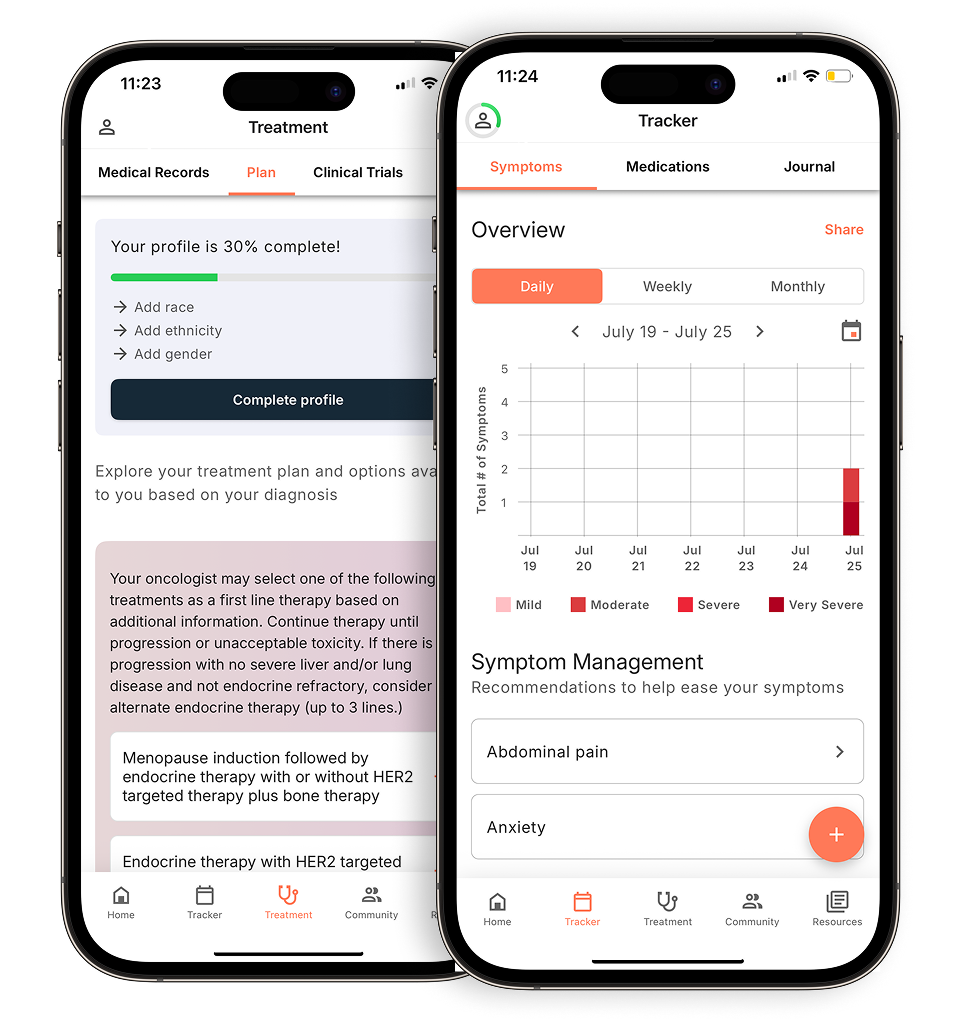
View your personalized treatment plan in the Outcomes4Me app
Use your diagnosis to unlock personalized NCCN Guidelines®-aligned recommendations.
Key Takeaways
- Genomic testing decodes your specific tumor: This test analyzes the DNA from cancer cells to find the unique mutations driving their growth. It is a key step for many people with non-small cell lung cancer and is different from testing for inherited genes.
- Results can lead to more precise treatments: The findings help your care team match you with targeted therapies or immunotherapies that are most likely to work for you. This information can also identify relevant clinical trials and help you avoid ineffective treatments.
- Advocate for your own care plan: Ask your doctor if genomic testing is a good option for you, preferably before you have a biopsy. Discussing insurance coverage and potential costs upfront will also help you make a fully informed decision.
What is genomic testing for lung cancer?
When you’re diagnosed with lung cancer, your care team wants to learn as much as possible about the specific cancer cells in your body. Genomic testing, which you might also hear called tumor testing, molecular testing, or biomarker testing, is a key part of this process. Think of your DNA as a detailed instruction manual for your body’s cells. Genomic testing looks for specific changes, or mutations, in the DNA of the lung cancer cells. These changes are like typos in the instruction manual that cause the cells to grow and divide uncontrollably.
By identifying these unique “typos,” your doctors can get a much clearer picture of what is driving the cancer’s growth. This information is incredibly valuable because it can point toward more personalized treatment options. Instead of using a one-size-fits-all approach, the results from lung cancer biomarker testing can help match you with treatments designed to target the cancer’s specific characteristics. It’s a way of understanding the tumor on a molecular level to find its weaknesses. This process helps your care team create a treatment plan that is tailored specifically to you and your cancer, potentially leading to better outcomes and fewer side effects from treatments that are unlikely to work for you.
How does genomic testing work?
To perform a genomic test, your doctors need a small sample of the tumor. The most common way to get this is through a biopsy, where a doctor removes a tiny piece of tissue. This might be done with a thin needle or during a procedure like a bronchoscopy. If getting a tissue sample isn’t possible or is too difficult, your team might suggest a “liquid biopsy.” This is a simple blood test that can find tiny pieces of DNA from the cancer cells that are circulating in your bloodstream. Once the lab has the sample, they analyze its DNA to look for specific mutations that can guide your treatment choices.
Tissue vs. liquid biopsies
The two main ways your care team can get a sample for testing are through a tissue biopsy or a liquid biopsy. A tissue biopsy is the more traditional method, where a doctor takes a small piece of the tumor itself. This is often done before treatment starts to confirm the diagnosis. However, sometimes getting a tissue sample can be difficult or risky depending on the tumor’s location. In these cases, a liquid biopsy is a great alternative. It’s a simple blood draw that can detect tiny fragments of cancer DNA circulating in your bloodstream. Your doctor will help you decide which type of biopsy is the best and safest option for your specific situation.
What a comprehensive test analyzes
So, what exactly is the lab looking for in that sample? A comprehensive genomic test analyzes the cancer cells’ DNA for specific mutations, or biomarkers. Think of these as unique “typos” in the cells’ instruction manual that are causing them to grow and spread. Finding these biomarkers is crucial because it helps identify what’s driving the cancer. This information allows your care team to match you with targeted therapies, which are drugs designed to work on cancers with specific mutations. A comprehensive test looks for a wide panel of these known biomarkers at once, giving your team the most complete picture possible to guide your treatment plan from the start.
What’s the difference between genomic and genetic testing?
It’s easy to mix these two up, but they look for different things. Genomic testing focuses on the tumor itself. It examines the DNA of the cancer cells to find mutations that happened over time and are driving the cancer’s growth. The goal is to guide treatment for a cancer you already have.
Genetic testing, on the other hand, usually looks for inherited gene mutations that you were born with. This type of testing analyzes your normal cells (often from a blood or saliva sample) to see if you carry a gene change that could increase your risk of developing certain types of cancer. Understanding the nuances between these cancer DNA tests can help you have clearer conversations with your care team.
A quick overview of lung cancer
To understand why genomic testing is so important, it helps to have a basic picture of lung cancer itself. Knowing your specific type and stage is the first step in working with your care team to build a treatment plan. This information provides the context for your genomic test results and helps clarify which therapies might be the most effective for you. It’s the foundation upon which your personalized care plan is built, allowing you to find clear, evidence-based guidance that matches your exact diagnosis.
Types and subtypes of lung cancer
Lung cancer isn’t a single disease; it’s a group of cancers that start in the lungs. The two main categories are non-small cell lung cancer (NSCLC) and small cell lung cancer (SCLC). NSCLC is by far the more common of the two, accounting for the vast majority of diagnoses, and it generally grows and spreads more slowly than SCLC. Small cell lung cancer is less common and tends to grow very quickly. Because these types of lung cancer behave so differently, they require distinct treatment approaches. This is why identifying the specific type you have is one of the first and most critical steps your oncology team will take after a diagnosis.
How lung cancer is staged
After determining the type of lung cancer, your doctors will figure out its stage. Staging is a way to describe how much cancer is in your body and where it has spread. This process is essential for choosing the best course of treatment. Lung cancer is typically staged on a scale from 0 to 4 (often written as Roman numerals, like Stage IV). A lower number, such as Stage 1, means the cancer is smaller and has not spread far. A higher number, like Stage 4, indicates the cancer has spread from the lungs to other parts of the body. Think of the cancer stage as a roadmap that helps guide your entire care team toward the most appropriate and effective therapies for you.
What causes the genetic mutations in lung cancer?
The mutations that genomic tests look for in lung cancer cells are almost always acquired during a person’s lifetime, not inherited from their parents. These changes happen when the DNA inside a cell gets damaged. Exposure to substances like tobacco smoke, radon gas, or air pollution can cause this damage. However, sometimes these mutations happen for no clear reason, simply as a result of cells making mistakes when they divide and grow. This is an important point to remember, as it helps explain why anyone—including people who have never smoked—can develop lung cancer. These gene changes are what make the cancer cells unique, and identifying them is the key to finding targeted treatments.
Who should consider genomic testing for lung cancer?
Genomic testing can feel like another complex step in your cancer care, but it’s a powerful tool that helps your care team create a more personalized treatment plan. While it can offer valuable insights, it’s most helpful for certain people based on their specific diagnosis and situation. Think of it less as a universal requirement and more as a specialized key that can open doors to targeted treatments.
Several factors help determine if genomic testing is the right fit for you, including the type of lung cancer you have, its stage, and whether a good quality tissue sample is available. Your oncology team will consider all these pieces of your health puzzle to decide if and when to recommend testing. Understanding who benefits most can help you have a more informed conversation with your doctor about your own care path. Below are a few key situations where genomic testing is often recommended.
If you’ve been diagnosed with non-small cell lung cancer
If you’ve been diagnosed with non-small cell lung cancer (NSCLC), genomic testing is likely to be a key part of your diagnostic workup. According to MedlinePlus, lung cancer genetic tests are primarily recommended for people with NSCLC, which is the most common type of lung cancer. This is because NSCLC tumors are more likely to have specific genetic changes, or biomarkers, that can be targeted with specialized drugs. Finding these biomarkers gives your care team a roadmap to choose treatments designed to work against the specific drivers of your cancer, which can often lead to better outcomes than standard chemotherapy alone.
When lung cancer is advanced or has spread
Genomic testing becomes particularly important if your lung cancer is advanced or has spread to other parts of your body (a stage known as metastatic). For patients with advanced adenocarcinoma, a subtype of NSCLC, testing can identify specific mutations that guide treatment choices. When cancer has spread, finding an effective therapy quickly is a top priority. Genomic testing can pinpoint the exact mutations fueling the cancer’s growth, allowing your doctor to match you with a targeted therapy that can attack those cancer cells directly, wherever they are in your body.
When there’s enough tissue for testing
To run a genomic test, your doctors need a sample of the tumor. As MedlinePlus explains, an adequate tissue sample is essential, and the most common way to get one is through a biopsy, where a small piece of tissue is removed for analysis. The quality and amount of tissue are important for getting accurate and comprehensive results. If the initial biopsy sample is too small or doesn’t contain enough cancer cells, your doctor might discuss options for getting another sample to ensure the test can be performed successfully.
Why your doctor might recommend testing at any stage
It’s never too late to ask about genomic testing. The American Lung Association notes that your healthcare team may suggest lung cancer biomarker testing at any point in your journey. If your tumor wasn’t tested when you were first diagnosed, it’s worth asking if leftover tissue from a past biopsy can be used. In some cases, a “liquid biopsy” may be an option. This is a simple blood test that can detect cancer DNA circulating in your bloodstream, offering a less invasive way to get the genomic information needed to guide your treatment.
Which types of lung cancer use genomic testing?
Genomic testing isn’t a one-size-fits-all approach. Whether it’s recommended for you often depends on the specific type of lung cancer you have. For some types, it’s a standard and essential step in planning treatment, while for others, it’s considered only in certain situations. Understanding the role of testing for your diagnosis is a great first step in having informed conversations with your care team.
How testing helps with non-small cell lung cancer (NSCLC)
If you have non-small cell lung cancer, which accounts for the majority of lung cancer cases, genomic testing is a crucial part of your care. To know if a targeted therapy will be effective, your care team needs to test the cancer for specific genetic mutations that might be driving its growth. Finding one of these mutations can open up treatment options designed to attack those specific changes, often with fewer side effects than traditional chemotherapy. This personalized approach is a cornerstone of modern NSCLC treatment.
Why testing is key for the adenocarcinoma subtype
Within the NSCLC family, biomarker testing is most common for a subtype called adenocarcinoma. This type of cancer starts in the cells that line the tiny air sacs in the lungs. Many of the most well-understood genetic mutations, like EGFR and ALK, are frequently found in lung adenocarcinoma. Because there are several FDA-approved targeted treatments for these specific biomarkers, testing is especially important for anyone with this diagnosis. The results can directly guide your care team toward the most effective treatment for you.
When testing for small cell lung cancer might be an option
Genomic testing is less common for small cell lung cancer (SCLC). Treatment for SCLC has traditionally been more uniform, often involving chemotherapy and radiation. However, the conversation around testing is starting to change. For instance, genetic tests for lung cancer may be considered for people with SCLC who have never smoked. This is because the underlying drivers of the cancer may be different in non-smokers and could potentially be targeted with specific drugs. As research continues, the role of genomic testing in SCLC may expand.
What lung cancer gene mutations can a test find?
Think of genomic testing as creating a detailed map of the cancer cells. This map can show specific changes, or mutations, in the tumor’s DNA that are driving its growth. By identifying these unique markers, your care team can find treatments designed to target those exact changes. This approach is often called personalized or precision medicine. It moves away from a one-size-fits-all treatment plan and toward one that is tailored specifically to the biology of your tumor. Finding one of these mutations can open up new possibilities for your care, often involving targeted therapy drugs that can be more effective and have different side effects than traditional chemotherapy. These therapies work by interfering with the specific molecules involved in tumor growth and progression. There are several key mutations that tests look for in lung cancer, and learning about them can help you have more informed conversations with your doctor. Understanding these potential findings can empower you to be an active participant in your treatment planning. Let’s look at some of the most common mutations your care team may test for.
Finding EGFR mutations to guide treatment
EGFR stands for epidermal growth factor receptor. It’s a protein on the surface of cells that helps them grow and divide. Sometimes, a mutation in the EGFR gene causes this protein to become overactive, leading to uncontrolled cancer cell growth. These mutations are found in about 10% to 23% of lung adenocarcinomas, a common type of non-small cell lung cancer (NSCLC). If your test shows an EGFR mutation, your doctor may recommend a targeted therapy. These drugs, known as EGFR inhibitors, are designed to block the signals that tell cancer cells to grow. This approach can be a very effective way to manage EGFR-positive lung cancer.
Identifying ALK rearrangements for targeted therapy
An ALK rearrangement is another type of genetic change that can happen in lung cancer cells. In this case, the ALK gene fuses with another gene, creating a new, abnormal gene. This fusion gene produces a protein that constantly tells cancer cells to grow and spread. ALK rearrangements are found in a smaller group of people with lung adenocarcinoma, about 2% to 7%. If testing finds an ALK rearrangement, your care team may suggest a treatment called an ALK inhibitor. These drugs specifically target the ALK protein, turning off its growth signal. This can be a powerful treatment for people with ALK-positive lung cancer.
How ROS1 fusions point to specific treatments
Similar to ALK rearrangements, ROS1 fusions occur when the ROS1 gene breaks and attaches to another gene. This creates a new “fusion gene” that can fuel the growth of lung cancer. ROS1 fusions are relatively rare, but identifying them is important because they can be treated with specific targeted therapies. For people with ROS1-positive lung cancer, a drug called crizotinib is often an effective option. This is the same medication that can be used for some ALK rearrangements. Finding a ROS1 fusion through lung cancer genetic tests gives your care team a clear target for your treatment plan, helping you get the most effective care for your specific cancer.
What KRAS mutations mean for your therapy options
KRAS mutations are one of the most common genetic changes found in lung cancer, especially in people with a history of smoking. For a long time, KRAS was considered “undruggable,” meaning there were no effective targeted therapies for it. This made a KRAS-positive diagnosis particularly challenging. However, recent breakthroughs have changed the outlook completely. Researchers have developed new drugs that can successfully target specific KRAS mutations. For example, a therapy called sotorasib has shown great promise for treating lung cancers with a specific type of KRAS mutation. This is an exciting area of research, and new therapies targeting KRAS continue to be developed.
Understanding BRAF mutations and other biomarkers
BRAF is another gene that can have mutations that contribute to cancer growth. The most common one is the BRAF V600E mutation. While more common in other cancers like melanoma, it is also found in a small percentage of lung cancers. If your tumor has this mutation, your doctor might recommend a combination of targeted drugs, such as dabrafenib and trametinib, which work together to block the cancer-driving signals. It’s good to remember that EGFR, ALK, ROS1, KRAS, and BRAF are just some of the many biomarkers for lung cancer that testing can identify. As research advances, the list of actionable targets continues to grow.
How common are these mutations?
It can be helpful to know that some of these genetic mutations are more common than others. For example, KRAS mutations are one of the most frequently found genetic changes in lung cancer, especially for people with a history of smoking. On the other hand, EGFR mutations are found in about 10% to 23% of lung adenocarcinomas. ALK rearrangements are less common, appearing in about 2% to 7% of cases, while ROS1 fusions are considered relatively rare. Knowing how common these are isn’t about statistics; it’s about understanding the landscape of lung cancer and how genomic testing guides lung cancer therapy by systematically searching for these known targets to find the best path forward for you.
Other important biomarkers to know
Beyond the specific gene mutations we’ve discussed, genomic testing can also look for other important biomarkers. One key example is PD-L1, a protein that can help cancer cells hide from the immune system. Testing for PD-L1 levels can tell your doctor if you might be a good candidate for immunotherapy, a type of treatment that helps your own immune system fight cancer. The list of biomarkers is always growing as research moves forward. The main goal is always the same: to gather as much information as possible about the tumor so your care team can match you with the most precise and effective treatment available, making you an active and informed partner in your own care.
How do genomic test results shape your treatment plan?
Think of your genomic test results as a personalized roadmap for your cancer care. Instead of starting with a general treatment approach, your oncology team can use this detailed information to design a plan that’s tailored to the specific characteristics of your tumor. This helps ensure you’re on the most effective path from the start, giving you and your team more clarity and confidence as you move forward.
Matching you with the right targeted therapies
One of the most powerful uses of genomic testing is its ability to match you with targeted therapies. These treatments are designed to attack the specific genetic changes that cause cancer cells to grow and spread. Your test results give your doctors detailed information about your tumor’s unique biomarkers, showing them exactly which therapies are most likely to work. This approach is much more precise than traditional chemotherapy and can often be more effective. It’s a way to ensure your treatment is aimed directly at what’s driving the cancer, giving you the best chance for a positive outcome.
Finding clinical trials that are right for you
Even if your test results don’t point to a currently approved targeted therapy, they can still open doors to new options. Your specific biomarker might make you eligible for clinical trials that are studying promising new treatments. These trials provide access to cutting-edge therapies that are not yet widely available to the public. Participating in a trial can be a great way to explore additional treatment avenues while contributing to the future of cancer research. Your care team can review your results and help you determine if a clinical trial is a good fit for your situation.
Clarifying your immunotherapy options
Genomic testing can also help determine if you’re a good candidate for immunotherapy. This type of treatment works by helping your own immune system recognize and fight cancer cells. For lung cancer, doctors will often test for a biomarker called PD-L1. The level of PD-L1 in your tumor can help predict how well your body might respond to certain immunotherapy drugs. This information adds another important layer to your treatment plan, giving your care team a more complete picture of which strategies are most likely to benefit you and your specific diagnosis.
The role of PD-L1 testing
PD-L1 testing is another key part of the process, especially when your care team is considering immunotherapy. This test measures the level of a protein called PD-L1 in your tumor cells, which can help predict how well your cancer might respond to certain immunotherapy treatments. Think of PD-L1 as a signal that cancer cells use to hide from your immune system. A higher level of this protein can sometimes mean that drugs designed to block this signal will be more effective, allowing your own immune system to better fight the cancer. If your tumor wasn’t tested for PD-L1 at diagnosis, it’s worth asking your doctor if it’s still an option. Sometimes leftover tissue from a past biopsy can be used, or a less invasive blood test known as a “liquid biopsy” may be possible.
Helping you avoid treatments that may not work
Just as important as finding the right treatment is knowing which ones to avoid. Your genomic test results can reveal if your cancer has features that would make it resistant to certain therapies. This insight is incredibly valuable, as it saves you from undergoing treatments that are unlikely to be effective. By ruling out options that won’t work, you can avoid unnecessary side effects and focus your time and energy on the therapies with the greatest chance of success. This helps make your treatment journey more efficient and targeted from day one.
Making the most of your genomic test results
Receiving your genomic test results is a major step, but it’s what you and your care team do with that information that truly matters. These results are the key to creating a treatment plan that’s as unique as you are. The findings can feel complex, but your doctor is there to walk you through every detail and explain what it means for your care. Being prepared for this conversation can help you feel more in control and confident about the path ahead. It’s all about using this powerful knowledge to make informed decisions together, ensuring you have access to the most promising options for your specific situation.
Why you might consider re-testing if cancer progresses
Cancer isn’t static; it can change and adapt over time, especially in response to treatment. A therapy that works well initially might become less effective if the cancer cells develop new mutations. This is why your care team might suggest re-testing if your cancer starts to grow again or spread. A new biopsy, either from tissue or a simple blood draw (liquid biopsy), can provide an updated snapshot of the tumor’s genetic makeup. This new information might reveal different mutations, potentially opening the door to a new targeted therapy or a clinical trial that wasn’t an option before. It’s a proactive way to stay on top of the cancer’s evolution and adjust your treatment strategy accordingly.
Why it’s often best to wait for test results
When you’re first diagnosed, the instinct is often to start treatment as quickly as possible. While that urgency is completely understandable, in many cases, it’s best to wait for your genomic test results before beginning therapy. As experts at MD Anderson Cancer Center note, starting a treatment like chemotherapy too soon can sometimes limit your future options. The information from your genomic test is critical for identifying the most effective personalized treatments right from the start. Taking a strategic pause to gather this data allows your care team to choose a targeted therapy or immunotherapy that is most likely to work for your specific cancer, potentially saving you from the side effects of a less effective treatment.
Questions to ask your care team
Your genomic test results are the starting point for a critical conversation with your doctor. Coming prepared with questions helps you understand the findings and become an active partner in planning your care. An informed discussion can give you more confidence in your treatment path. Consider asking some of the following questions:
- What specific biomarkers were found in my tumor?
- Based on these results, what are my treatment options?
- Are there any targeted therapies or immunotherapies you would recommend?
- Do these results make me eligible for any clinical trials?
- What are the potential benefits and side effects of the recommended treatment?
- If this treatment stops working, would we consider re-testing?
The benefits of a specialized cancer center
While excellent cancer care is available in many places, there can be advantages to being treated at a specialized or academic cancer center. These centers are often at the forefront of cancer research and treatment. As MD Anderson Cancer Center points out, getting care at a specialized center can mean access to experts who focus specifically on your type of cancer, the newest technology, and faster test results. They also typically have a wider range of clinical trials available, which can be a crucial source of new treatment options. If you’re looking to get a second opinion or want to ensure you’re exploring every possible avenue, considering a comprehensive cancer center can be a valuable step in your journey.
What to know before getting a genomic test
Deciding to move forward with genomic testing is a personal choice that involves thinking through a few key areas. It’s about more than just the science; it’s also about understanding the practical steps, what the results might mean for you, and how to best work with your care team. Thinking about these points ahead of time can help you feel more prepared and confident as you make decisions about your care plan. Let’s walk through some of the most important things to consider.
Figuring out insurance coverage and costs
One of the first practical questions that comes up is about cost. While genomic testing can provide valuable information, it may not always be covered by insurance. Before you proceed, it’s a good idea to have a conversation with your doctor’s office or your insurance provider about potential out-of-pocket expenses. Don’t hesitate to ask for a cost estimate. Understanding the financial piece upfront can prevent surprises later on and allow you to focus on the health information you’ll receive. Many testing companies also offer financial assistance programs, which your care team can help you explore.
What your results can (and can’t) tell you
Genomic test results offer a detailed look at the DNA of the cancer cells, not your inherited DNA. This means the changes found in the tumor are typically not passed down to your children. The main goal of this testing is to help your doctor find the best possible treatments for your specific cancer. It’s important to remember that these results provide guidance, not guarantees. They can point toward a targeted therapy that is likely to work or help you avoid one that won’t, but they can’t predict the outcome with 100% certainty. Learning about the pros and cons of genetic testing can also help you prepare for the emotional side of receiving this new information.
Understanding actionable vs. nonactionable results
When you get your genomic test report, you’ll likely hear the terms “actionable” and “nonactionable.” An actionable result is good news—it means the test found a specific biomarker in the tumor that has an approved drug available to treat it. This can guide your care team toward a targeted therapy that is likely to be effective for you. On the other hand, a nonactionable result means a mutation was found, but there isn’t a specific targeted therapy for it right now. While that might sound discouraging, these findings are still very valuable. This information can help your care team understand the cancer better and may allow you to participate in clinical trials exploring new treatment options.
What are co-mutations?
Sometimes, a tumor can have more than one genetic mutation at the same time. These are known as co-mutations. Identifying them is an important part of understanding the full picture of the cancer’s biology. The presence of a second or third mutation can sometimes change how the cancer responds to a particular treatment. For example, a drug might be designed to target one specific mutation, but a co-mutation could make the cancer resistant to that therapy. Understanding the presence of co-mutations is crucial for your care team, as it helps them develop the most effective overall treatment strategy for you.
When is the right time for genomic testing?
Timing can be an important factor in genomic testing. Ideally, the conversation about testing should happen before you have a biopsy. This is because different tests may require a certain amount of tissue, and planning ahead ensures your doctor can collect a large enough sample for all necessary analyses, including genomic profiling. While testing can be valuable at different points, it’s often recommended for people with advanced or metastatic non-small cell lung cancer. Knowing when to use genetic markers can help you and your doctor make the most informed decision for your situation.
How long does it take to get results?
Waiting for test results can feel like the hardest part of the process, and it’s completely normal to feel anxious during this time. The timeline can vary, but generally, you can expect to wait anywhere from a few days to several weeks. The exact timing often depends on the type of biopsy you had. For example, results from a tissue biopsy can take three to four weeks, while a liquid biopsy might be a bit faster, with results coming back in two to three weeks. During this period, a specialized lab is carefully analyzing the tumor sample’s DNA to identify any specific mutations. This detailed work is what provides the crucial information your care team needs to personalize your treatment plan, so while the wait is tough, it’s a vital step in getting you the most effective care. Your doctor will be able to give you a more precise idea of when to expect your test results.
How to talk about testing with your care team
Open communication with your oncology team is key. If your doctor doesn’t bring up genomic testing, you have every right to ask about it. You can ask questions like, “Is genomic testing something that could help guide my treatment?” or “Would my diagnosis make me a candidate for this type of test?” If your doctor doesn’t recommend it, ask them to explain their reasoning. You are your own best advocate, and getting a second opinion is always an option if you still have concerns. Once you get your results, make sure you review them with your doctor to fully understand what they mean for your treatment plan.
Common myths about genomic testing, debunked
When you’re learning about a complex topic like genomic testing, it’s easy to come across confusing or outdated information. Let’s clear up some of the most common misconceptions. Understanding the facts can help you feel more prepared and confident when discussing testing options with your care team.
Myth: Testing is only for advanced cancer
While genomic testing is a standard step for many people with advanced lung cancer, its role is not limited to late-stage disease. In fact, for individuals with a high risk of developing lung cancer due to family history or other factors, genomic testing can help identify that risk. This information allows for more personalized screening and prevention strategies. Think of it as a tool that can be used at different points in your journey, whether it’s to assess future risk or to guide treatment for an existing diagnosis.
Myth: All genomic tests give you the same information
Not all genomic tests are created equal. Some tests look for one specific genetic mutation, while others, known as comprehensive genomic profiling, can scan for hundreds of potential mutations at once. Researchers have found that different genetic mutations can act like fuel for a tumor’s growth. The type of test your doctor recommends will depend on your specific type of lung cancer and what information they need to find the most effective treatment path for you.
Myth: A negative result means you have no treatment options
Receiving a report that shows no specific actionable mutations were found can feel discouraging, but it is still incredibly valuable information. A “negative” result doesn’t close the door on treatment. Instead, it helps your care team narrow down the possibilities. For example, the results can show that a certain targeted therapy is unlikely to work, saving you from a treatment that may have side effects without providing any benefit. This information helps steer your plan toward other effective options, such as chemotherapy or immunotherapy.
Myth: Testing is a guarantee that a treatment will work
Genomic testing is a powerful tool for personalizing your care, but it isn’t a crystal ball. Finding a specific mutation and matching it with a targeted therapy significantly increases the likelihood that the treatment will be effective. However, it’s not a 100% guarantee. Cancer is complex, and sometimes tumors can develop resistance or not respond as expected. The goal of testing is to give you and your doctor the best possible information to choose a treatment that has the highest chance of success based on your tumor’s unique biology.
What’s next in genomic testing for lung cancer?
The world of genomic testing is always moving forward, which is great news for people with lung cancer. Researchers are constantly learning more about the genetic drivers of cancer, leading to more precise tests and better treatments. These advancements are making cancer care more personalized than ever before. They open up new possibilities for treatment plans that are tailored specifically to the biology of your tumor, offering hope and more options for your care journey. Let’s look at some of the most exciting developments happening right now.
The move toward more comprehensive testing
One of the biggest advances is the move toward more complete testing. Instead of looking for just one or two genetic changes, doctors can now use a method called next-generation sequencing (NGS). Think of it as casting a much wider net. This type of comprehensive biomarker testing looks for many different genetic mutations in your tumor all at once. This gives your care team a full picture of what’s driving the cancer. If you have non-small cell lung cancer (NSCLC), it’s a good idea to ask your doctor if comprehensive testing is the right approach for you. It can provide a wealth of information to guide your treatment decisions from the start.
Discovering new biomarkers to guide treatment
As testing becomes more detailed, we’re able to find more “actionable” biomarkers. An actionable biomarker is a specific genetic change in a tumor that has a known treatment designed to target it. It’s like finding a specific lock that you already have the key for. The results from comprehensive testing can show these specific changes in your tumor’s DNA. This information helps your doctor choose the most effective treatment for you. There are already FDA-approved targeted therapies for several biomarkers, including EGFR, ALK, ROS1, and KRAS, with more being discovered all the time. Finding one of these can open the door to highly effective, personalized treatments.
How new targeted therapies are changing care
The discovery of new biomarkers goes hand-in-hand with the development of new medicines. As researchers identify more genetic targets, they can create drugs designed to attack those specific vulnerabilities in cancer cells. We’ve seen this happen with EGFR mutations, for example. Studies have shown that patients with these mutations often respond much better to targeted therapy drugs than to traditional chemotherapy. This is a perfect example of how genetic markers for non-small cell lung cancer can lead to more effective and often gentler treatments. The list of approved targeted therapies continues to grow, offering more personalized options for more people.
Making clinical trials more accessible
What happens if your genomic test finds a rare mutation that doesn’t have an FDA-approved targeted therapy yet? The results are still incredibly valuable. Your test report might point you toward a clinical trial that is studying a new drug for your specific biomarker. Clinical trials are research studies that test new treatments to see how well they work. Participating in a trial can give you access to cutting-edge therapies that aren’t available to the public yet. Even if there isn’t an approved drug for your specific biomarker, your test results can be a key that opens the door to promising new treatment possibilities.
How can you get genomic testing?
If you and your care team decide that genomic testing is a good next step, you might wonder how to make it happen. The process usually involves a few key actions, from talking with your doctor to understanding the logistics. Taking an active role can help ensure you get the information you need to guide your treatment plan. Here are the steps you can take to get started.
Start a conversation with your oncology team
Your oncologist is your best resource for getting started with genomic testing. It’s a good idea to bring it up early, as the best time to discuss biomarker testing is often before you have a biopsy. This helps your team make sure enough tissue is collected for all necessary tests without needing another procedure. Don’t hesitate to ask questions like, “Is genomic testing right for my type of lung cancer?” or “What will the results tell us about my treatment options?” This conversation is the first and most important step.
Check with your insurance provider
Understanding the financial side of testing is another important piece of the puzzle. Coverage for genomic testing can vary from one insurance plan to another. Before moving forward, it’s helpful to find out what your plan covers and what costs you might have to pay out of pocket. You can call your insurance provider to ask about your benefits. Many cancer centers also have financial counselors or patient navigators who can help you understand your coverage and explore financial assistance programs if needed. Getting clarity on costs ahead of time helps you make an informed decision.
Find personalized support with digital tools
Managing your health information can feel overwhelming, but you don’t have to do it alone. Digital health tools can help you organize your medical records, track your test results, and learn about your diagnosis. While challenges like accessibility and affordability can sometimes make getting tests difficult, having personalized support can make a real difference. Research shows that using these resources often improves patient care. These tools can empower you with evidence-based information, helping you feel more prepared for conversations with your care team and more in control of your health journey.
Related Articles
- 5 questions about lung cancer genomic testing
- How genomic testing guides lung cancer therapy
- 9 lung cancer biomarkers currently in use: a guide
View your personalized treatment plan in the Outcomes4Me app
Use your diagnosis to unlock personalized NCCN Guidelines®-aligned recommendations.
Frequently Asked Questions
What’s the main difference between genomic testing and genetic testing? It’s a common point of confusion, but the distinction is important. Genomic testing analyzes the DNA from the cancer cells themselves to find mutations that are driving the tumor’s growth. The goal is to guide your treatment plan right now. Genetic testing, on the other hand, looks at the DNA you were born with (usually from a blood or saliva sample) to see if you have inherited any gene mutations that could increase your risk for cancer.
How is the tumor sample collected for this test? Your doctors need a small sample of the tumor to analyze its DNA. The most common method is a tissue biopsy, where a doctor removes a tiny piece of the tumor, often with a needle. If a tissue biopsy isn’t an option, your team might suggest a liquid biopsy. This is a simple blood test that can detect small pieces of cancer DNA that are circulating in your bloodstream, offering a less invasive way to get the same valuable information.
What happens if my test results don’t show any specific mutations? Receiving a report with no “actionable” mutations can feel disappointing, but this is still very useful information for your care team. These results help your doctor understand what is not driving your cancer, allowing them to rule out targeted therapies that are unlikely to work for you. This helps you avoid unnecessary side effects and allows your team to focus on other effective treatments, such as chemotherapy or immunotherapy.
My cancer was diagnosed a while ago. Is it too late for me to get genomic testing? It’s definitely not too late to ask about it. The field of oncology is always advancing, and new treatments become available all the time. Your care team may be able to use tissue that was saved from a previous biopsy to run the test. If not, a liquid biopsy might be a great alternative. It’s always a good idea to bring it up with your doctor, no matter where you are in your treatment journey.
How do I find out if my insurance will cover genomic testing? The best first step is to talk with your oncology team’s office. They often have financial navigators or administrative staff who are experienced in working with insurance companies and can help you understand your coverage. You can also call your insurance provider directly to ask about your specific plan. If you find that the cost is a concern, ask your care team if the testing company offers any financial assistance programs.