Outcomes4Me Secures $21M in Funding Learn more >>

How Imaging Tests Help Diagnose Metastatic Breast Cancer

April 10, 2024

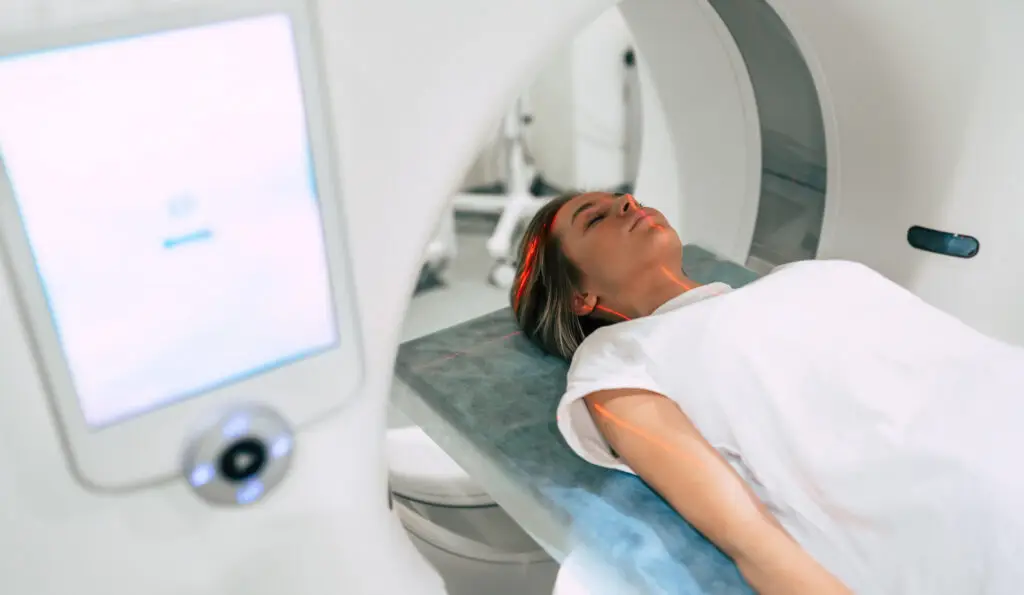
Young woman patient is ready to do magnetic resonance imaging in the modern hospital laboratory

Navigating a breast cancer diagnosis involves confronting a myriad of uncertainties, not least of which is the potential for the disease to metastasize, or spread beyond the breast to other parts of the body. It’s a sobering reality that up to 30% of patients initially diagnosed with early-stage breast cancer will eventually develop metastatic disease. This statistic underscores the critical importance of early and accurate detection of metastasis, which can significantly influence treatment decisions and overall prognosis.

Diagnostic imaging studies stand at the forefront of this effort, serving as non-invasive windows into the body that allow healthcare professionals to detect and assess the spread of cancer. These technologies are indispensable in mapping out the extent of metastatic breast cancer, providing detailed insights into internal structures without surgery. Armed with this information, your medical team can develop a personalized treatment plan that targets the specific characteristics of your cancer, enhancing the chances of effective management and improved outcomes.

Evidence-based guidance powered by NCCN Guidelines®

Personalized treatment plans shaped by the latest oncology standards—tailored to your diagnosis.

Get started

View your personalized treatment plan in the Outcomes4Me app

Use your diagnosis to unlock personalized NCCN Guidelines®-aligned recommendations.

Continue in app
  1. Nuclear Bone Scan: A bone scan is used to check if cancer has spread to the bones. This involves injecting a small amount of radioactive substance into the bloodstream, which accumulates in areas of rapid bone growth or repair, highlighting potential metastatic areas in the imaging results.
  2. CT Scan (Computed Tomography): CT scans provide cross-sectional images of the body using X-rays, offering detailed information on the location and size of cancer in various organs. This imaging technique is particularly useful for identifying metastases in the liver, lungs, and other organs, helping to assess the extent of the disease.
  3. MRI (Magnetic Resonance Imaging): MRI uses magnetic fields and radio waves to create detailed images of the body’s organs and tissues. It’s especially helpful for examining the brain and spinal cord for metastases, offering high-resolution images that can reveal the presence of cancer not visible with other imaging methods.
  4. PET Scan (Positron Emission Tomography): PET scans are often used in conjunction with CT scans (PET/CT) to provide a more comprehensive view of metastatic disease. This test involves injecting a radioactive sugar substance, which cancer cells absorb more than normal cells, making them stand out in the scan. PET scans are valuable for detecting cancer spread to soft tissues and organs throughout the body.
  5. Estrogen Receptor (ER) PET Scan: This type of PET scan is a sophisticated diagnostic tool that enhances the detection of estrogen receptor-positive (ER+) metastatic breast cancer by using a radioactive tracer designed to bind specifically to estrogen receptors on cancer cells. This targeted approach allows for the precise visualization of ER+ cancer cells throughout the body, significantly improving the accuracy of metastasis detection.

Understanding the role of these diagnostic imaging studies can empower you on your journey with metastatic breast cancer. They are critical tools in the management of the disease, allowing for targeted treatment plans based on the specific pattern of cancer spread. Your healthcare team is your best resource for explaining the purpose and process of each test, ensuring you feel informed and supported every step of the way.

———————————————-

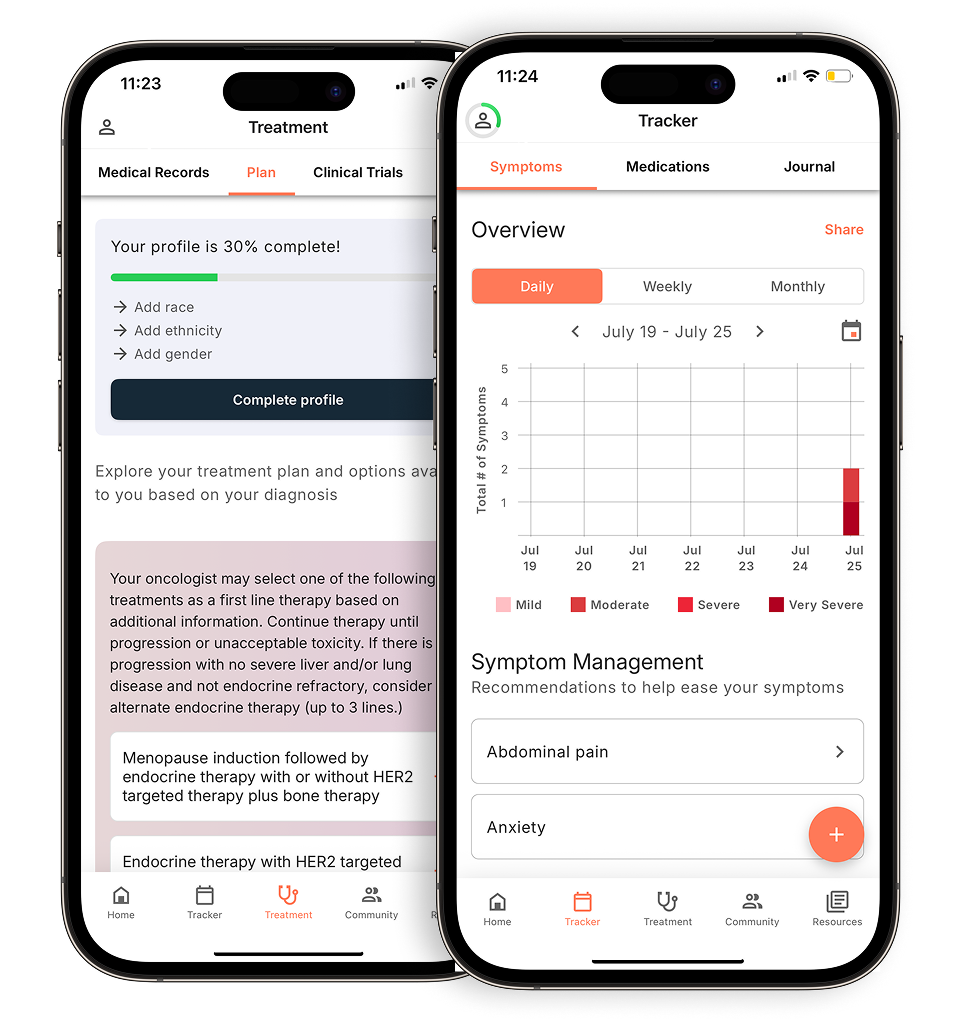
Ready to take charge of your breast cancer journey with cutting-edge insights and personalized guidance? The Outcomes4Me app is here to empower you every step of the way. From navigating your diagnosis and treatment options, including the latest on diagnostic imaging like Estrogen Receptor PET scans, to accessing tailored support and resources—Outcomes4Me places comprehensive cancer care in the palm of your hand. Don’t navigate cancer alone. Download the Outcomes4Me app today and start making informed decisions for your health and well-being.

Personalized support for real care decisions

Understand your diagnosis, explore clinical trials, and track symptoms--all in one place.

Get started

Compare treatments, prepare for appointments, and track side effects—all in the app

Built for your diagnosis, Outcomes4Me gives you the tools to make confident, informed decisions—right when you need them.

Continue in app


More Articles