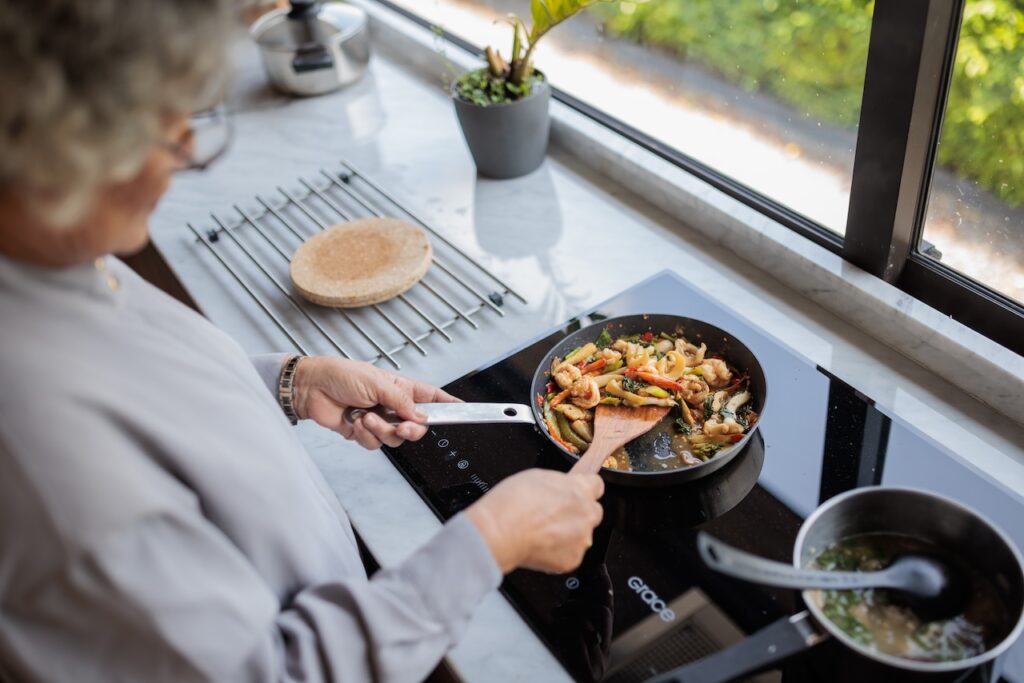
While no single ingredient on its own can cause cancer, the choices you make in your kitchen can play a role in how your body may respond to illness and even treatment. When it comes to what you eat and how you choose to prepare your meals, cooking oils are often overlooked and even misunderstood ingredients in the kitchen. So, how can you decide which cooking oils you should use? Here’s some more information on the different cooking oils available.
What are seed oils?
Seed oils are vegetable oils that are made from the seeds of a plant. Some examples can include:
- Canola oil, from the yellow-flowered canola
- Corn oil, from corn kernels
- Soybean oil
- Safflower oil
- Grapeseed oil
Seed oils are a type of unsaturated fat, which is a type of fat that can reduce the risk of heart disease and is a part of a balanced diet. On the other hand, you may have heard discourse that seed oils are “bad for you” and can cause cancer, but it’s a complex topic that we’re going to help break down.
Evidence-based guidance powered by NCCN Guidelines®
Personalized treatment plans shaped by the latest oncology standards—tailored to your diagnosis.
Get started
View your personalized treatment plan in the Outcomes4Me app
Use your diagnosis to unlock personalized NCCN Guidelines®-aligned recommendations.
Continue in app
Do seed oils cause inflammation?
Seed oils contain both omega-6 and omega-3 fatty acids. While your body needs both fatty acids to function properly, excessive amounts of omega-6 fatty acids can be linked to inflammation. When it comes to seed oils, the amount that you use in cooking is “totally fine and a part of a healthy diet,” according to Elaine Siu, MS, RD, CNSC, CSO.
Seed oils are also typically found in ultra-processed foods and fast foods, where they’re often paired with refined carbs, sugar, and sodium. Too much of these ingredients can negatively influence your health, so it’s hard to pinpoint seed oil as the culprit when these other factors are involved. In fact, experts say seed oils are a better choice in the kitchen than butter or lard due to their lower saturated fat content.
Do seed oils increase cancer risk?
There’s been no research connecting seed oils and cancer. Some people may have concerns about how seed oils are processed. That’s because some manufacturers use a chemical called hexane to speed up the oil extraction process from seeds. While hexane can be toxic in its gas form, only the liquid form is used in oil production, and only trace amounts typically remain in the final product.
To reduce cancer risk, you should eat a balanced diet and get your nutrients through whole foods and limit processed meats and other foods.
Which oils are healthiest for cooking?
The oil you choose depends not only on what you’re cooking, how you’re cooking, and what’s available to you. If you’re sauteeing or roasting, avocado or extra-virgin olive oil are great choices. If you’re cooking at a lower temperature or making a vinaigrette, cold-pressed oils can be a great choice. You can also use an oil spray that can help you control your fat intake a little better.
What does this mean for you?
Seed oils themselves can be a staple in your pantry. With less saturated fats, they’re a better cooking oil compared to tallow, butter, or lard. Focus on using a variety of whole foods, limit ultra-processed foods, and choose the oil that best fits your cooking method and needs.
If you have questions about what you’re eating and how to change your diet, ask your care team or a nutritionist for a meal plan that fits your lifestyle.
If you would like to connect with an Outcomes4Me oncology nurse practitioner at no charge through the Outcomes4Me app, just use the “Ask Outcomes4Me” button.
Personalized support for real care decisions
Understand your diagnosis, explore clinical trials, and track symptoms--all in one place.
Get started
Compare treatments, prepare for appointments, and track side effects—all in the app
Built for your diagnosis, Outcomes4Me gives you the tools to make confident, informed decisions—right when you need them.
Continue in app