
Your friends bring meals, your family drives you to appointments, and their love is a lifeline. But who do you ask about the best way to manage fatigue after BCG treatments? Or what it really feels like to recover from a cystectomy? These are the practical, deeply personal questions that your loved ones may not have answers for. These are the conversations that happen every day in a bladder cancer support group online. It’s a unique space that blends emotional validation with practical, lived-in wisdom. You can connect with people who have navigated the exact challenges you’re facing now. This article will explore how to find a community that offers this powerful combination of peer support and real-world advice, helping you feel more prepared and less alone.
View your personalized treatment plan in the Outcomes4Me app
Use your diagnosis to unlock personalized NCCN Guidelines®-aligned recommendations.
Key Takeaways
- Connect for emotional and practical support: A support group provides a unique community that understands the day-to-day realities of bladder cancer, offering both a safe space to share your feelings and a source of real-world advice for your journey.
- Choose your community wisely: Start your search with trusted organizations like the Bladder Cancer Advocacy Network (BCAN) to find safe, well-moderated groups. Take time to observe a group’s dynamic to ensure it’s a comfortable and positive fit for you.
- Pair peer wisdom with clinical tools: Use the shared experiences from a support group for connection, and complement it with a tool like the Outcomes4Me app to manage your specific medical details, track symptoms, and explore personalized treatment options.
What Is an Online Support Group for Bladder Cancer?
When you’re dealing with a bladder cancer diagnosis, it’s easy to feel like you’re on an island. An online support group is a virtual space where you can connect with people who truly understand what you’re going through because they’re going through it, too. Think of it as a community of peers—patients, survivors, and caregivers—who gather online to share experiences, offer encouragement, and exchange practical advice.
These groups provide a safe platform to talk about the challenges of treatment, the emotional ups and downs, and the day-to-day realities of life with bladder cancer. For many, especially those who may not have local in-person groups or feel up to traveling, these online communities are a vital link to support. They break down feelings of isolation and remind you that you are not alone on this journey. It’s a place to ask questions, share your story, and find strength in the experiences of others.
How Do Online Support Groups Work?
Online support groups work by creating a shared space for connection and mutual encouragement. You can find people who have had similar surgeries or treatments and learn what to expect as you move toward recovery. These groups make support accessible no matter where you live, offering a mix of forums, live chats, or video meetings to fit different comfort levels. The core idea is simple: talking with someone who has walked a similar path can make the road ahead feel less intimidating. It’s a powerful way to feel understood and more prepared for the challenges of bladder cancer.
Where to Find Online Groups
Starting your search with established advocacy organizations is always a good idea. The Bladder Cancer Advocacy Network (BCAN) is an excellent resource, offering free programs specifically designed to connect you with others who get it. Their main goal is to provide support throughout your cancer journey. Similarly, the American Cancer Society (ACS) hosts a variety of online communities and support programs for people affected by all types of cancer, including bladder cancer. These organizations ensure their groups are safe, well-managed, and focused on providing genuine help.
Why Should You Join a Bladder Cancer Support Group?
Navigating a bladder cancer diagnosis can feel overwhelming, and it’s completely normal to feel isolated at times. While your friends and family are a crucial part of your circle, a support group offers a unique kind of connection. It’s a dedicated space where you can share your experiences, ask questions, and learn from others who are on a similar path. Joining a group isn’t just about talking through the hard stuff; it’s about finding strength, sharing practical advice, and building a community that truly understands what you’re going through.
These groups, whether online or in person, provide a powerful combination of emotional validation and practical wisdom. You can find people who have been through the same treatments, dealt with similar side effects, and asked the same questions you have. This shared experience creates an immediate bond and a sense of belonging that can make a significant difference in how you manage your health journey. It’s a place to feel seen, heard, and less alone as you move forward.
Find Emotional Support and Understanding
One of the most powerful benefits of a support group is the simple relief of knowing you’re not alone. Being around others who understand the day-to-day realities of bladder cancer—the appointments, the anxiety, the triumphs—can reduce feelings of isolation and create a strong sense of encouragement. It’s a space where you don’t have to pretend to be strong or explain the nuances of your diagnosis. You can speak openly about your fears and frustrations with people who can genuinely say, “I get it.” This shared understanding is incredibly validating and can be a vital source of emotional strength.
Get Practical Information and Resources
Beyond emotional comfort, support groups are a goldmine of practical information. Members often share tips on everything from managing treatment side effects to communicating with your care team. You can learn about programs and services you might not have known existed. Organizations like the Bladder Cancer Advocacy Network (BCAN) offer many free resources and support, and group members are often the first to share these valuable links. You can also find guidance on how to deal with the feelings and challenges of bladder cancer, sometimes from social workers or other professionals who specialize in oncology.
Connect with People Who Get It
There’s a unique comfort in connecting with a peer group that is experiencing similar milestones. Whether you’re newly diagnosed, in the middle of treatment, or navigating life after cancer, you can find others who are in the same boat. This shared journey fosters a deep sense of community that’s different from the support you get from loved ones. Friends and family are essential, but they can’t always understand the specific physical and emotional challenges of a cancer diagnosis. In a support group, that understanding is the foundation of every conversation, creating a safe and supportive environment for everyone involved.
How to Find a Reputable Online Support Group
Finding a safe and welcoming online space can make all the difference in your cancer journey. But with so many options out there, it’s smart to be thoughtful about where you invest your time and energy. The best approach is to start your search with established, cancer-focused organizations and know the key qualities that make a support group truly helpful. This way, you can find a community that offers genuine connection and reliable information without adding to your stress.
A reputable group will always prioritize your well-being, providing a moderated space where you can feel comfortable sharing and learning. Think of it as finding a new room in your support system—you want to make sure it’s built on a solid foundation.
Start with Trusted Organizations
Instead of jumping into a broad social media search, begin with organizations dedicated to cancer advocacy and patient support. These groups have already done the work of vetting resources and creating safe spaces for patients and caregivers. For example, the Bladder Cancer Advocacy Network (BCAN) is an excellent starting point, offering a list of virtual, in-person, and hybrid support groups across the country. Their main goal is to connect you with others who truly understand what you’re going through.
Similarly, organizations like CancerCare provide free services that include emotional support, practical help, and educational materials. By starting with these trusted sources, you can be confident that you’re finding a community that is well-moderated, patient-focused, and committed to providing accurate information.
Know What Makes a Group Great
A great support group is more than just a chat room; it’s a community. It should be a safe place where you feel comfortable sharing your experiences, asking tough questions, and learning from the wisdom of others on a similar path. The best online cancer communities offer a unique blend of social and psychological support, reminding you that you aren’t alone in this.
Look for groups that foster a sense of belonging and mutual respect. These communities are for anyone impacted by cancer, whether you’re newly diagnosed, in the middle of treatment, or navigating life after cancer. The right group will empower you with shared knowledge and the strength that comes from knowing you have a team of peers cheering you on.
How to Choose the Right Group for You
Once you’ve found a few potential online support groups, the next step is to figure out which one is the right fit for you. Think of it like trying on a new pair of shoes—what works perfectly for one person might not feel comfortable for another. The best group for you will be one where you feel safe, understood, and respected. It’s completely okay to join a group, observe for a little while, and decide it’s not your scene. You might even try a few before you find your community.
Your comfort is the top priority. A good support group should reduce your stress, not add to it. To find that perfect fit, you’ll want to look at a few key things: who is running the group, what the rules are, and what the overall vibe is. Taking a little time to assess these aspects can make all the difference in having a positive and genuinely helpful experience. Consider the following points as you explore your options.
Look for Expert Moderation and a Clear Focus
A well-run support group has active moderators who keep conversations on track and ensure the space remains safe and supportive. Choosing a group moderated by healthcare professionals or bladder cancer experts helps ensure the information being shared is accurate and reliable. You want a space where you can trust the guidance you see. Equally important is finding a group with a clear focus on bladder cancer. This allows you to connect with people who truly understand the specific challenges you’re facing, from treatment side effects to navigating life with this particular diagnosis. The Bladder Cancer Advocacy Network (BCAN) is a great example of a focused, well-moderated community.
Check for Privacy and Safety Rules
You’ll be sharing personal and sensitive health information, so your privacy is non-negotiable. Before you post anything, take a moment to read the group’s privacy policy and community guidelines. Reputable groups are transparent about how they protect your data and what the rules of engagement are. Look for clear policies that prioritize member confidentiality and have strict guidelines to protect your personal information. This creates a foundation of trust, allowing you to share openly without worrying about your privacy. Understanding the good and bad of online communities can help you spot the signs of a safe and well-managed space.
Find a Communication Style That Fits
Every online group has its own personality. Some are very data-driven, with members sharing clinical trial updates and medical research. Others are more focused on emotional support, with casual chats and personal stories. As the Bladder Cancer Advocacy Network notes, different groups have varying communication styles. There’s no right or wrong style—it’s all about what you need. Do you want a place to ask technical questions, or are you looking for a space to vent and share your feelings? It’s important to find a community where you feel comfortable expressing yourself. Don’t be afraid to just read posts for a while to get a feel for the group’s dynamic before you jump in.
What to Expect When You Join
Joining an online support group for the first time can feel a bit like walking into a new classroom—you’re not quite sure what to say or who you’ll meet. But rest assured, these communities are built to be welcoming. They are safe, structured spaces where people share, listen, and learn from one another. You’ll find that members are at all different stages of their journey, from newly diagnosed to long-term survivors, along with caregivers and family members. The experience is centered on mutual respect and shared understanding, giving you a place to connect without pressure.
Common Topics and Shared Stories
Once you’re in, you’ll see discussions covering nearly every aspect of life with bladder cancer. These groups are a place to talk openly about things that might be hard to bring up with friends or family who don’t have firsthand experience. You can expect conversations about managing treatment side effects, navigating emotional ups and downs, and sharing tips for daily life. It’s a space to ask practical questions, celebrate small victories, and learn from the experiences of others. Whether you’re looking for information or just need to vent, you’ll find a community ready to listen and share their own stories.
How You’ll Interact with Others
Interacting in an online group is all about peer-to-peer connection. You’ll find a unique kind of social and psychological support that comes from being with people who are going through similar milestones. This isn’t just for patients; family members and friends are often part of the community, sharing their own perspectives and challenges. You can participate as much or as little as you feel comfortable with—some people prefer to read and listen at first, while others jump right into the conversation. The goal is to create a network where everyone feels seen, heard, and less alone on their journey.
Understand the Community Guidelines
To keep the environment safe and supportive, most reputable groups have clear community guidelines. Before you post, take a moment to find and read them. These rules often cover topics like privacy, respectful communication, and what to do if you see a post that concerns you. Some groups may require you to register before you can participate, while others are more open. Organizations like the Bladder Cancer Advocacy Network (BCAN) provide lists of vetted groups, which can be a great starting point. Familiarizing yourself with the rules helps ensure a positive experience for everyone involved.
Common Myths About Online Support Groups
If you’re hesitant to join an online support group, you’re not alone. Many people have misconceptions about what these communities are and who they’re for. These myths can unfortunately prevent people from finding a valuable source of comfort and connection. Let’s clear up a few common misunderstandings so you can make an informed decision about whether a group is right for you.
Understanding the truth behind these groups can help you feel more confident about reaching out. They are flexible, welcoming spaces designed to meet you wherever you are in your journey.
Myth: They’re Only for Crisis Moments
You might think support groups are only for hitting rock bottom or dealing with an immediate crisis. In reality, they are for anyone impacted by cancer at any stage. Whether you’ve just been diagnosed, are in the middle of treatment, or are navigating life after cancer, these groups offer a safe space for sharing experiences. Think of it as a steady source of encouragement, not just an emergency hotline. It’s a place to celebrate small wins, ask questions about day-to-day challenges, and simply connect with others who understand what you’re going through, no matter what kind of day you’re having.
Myth: Online Friendships Aren’t “Real”
It’s easy to be skeptical about forming genuine connections with people you’ve only met online. However, the bonds formed in cancer support groups are often incredibly strong and meaningful. Sharing such a personal journey creates a unique level of understanding and empathy that you might not find elsewhere. These online communities can provide powerful social and psychological support from peers who truly get it. The friendships you build can become a vital part of your support system, offering comfort and perspective from people who are walking a similar path.
Myth: They’re Only for Patients
A cancer diagnosis doesn’t just affect one person; it impacts entire families. Many online support groups recognize this and are designed to be inclusive spaces for caregivers, partners, family members, and friends. Hearing from others in a similar support role can help you feel less isolated and provide practical advice for caring for your loved one and yourself. These communities offer a place for everyone affected by the diagnosis to share their own fears, frustrations, and hopes. It’s a shared journey, and everyone deserves a space to find understanding and strength.
Can You Find Professional Resources in These Groups?
While the heart of any support group is the community, many online spaces offer much more than just peer-to-peer connection. The best groups, especially those run by established advocacy organizations, often serve as gateways to professional help and carefully vetted information. Think of them not just as a place to talk, but as a resource hub curated by people who understand the cancer journey.
These groups can connect you with a wider network of support that goes beyond shared experiences. You can find links to financial aid programs, webinars with medical experts, and guides for talking to your family about your diagnosis. Instead of spending hours searching the internet on your own, you can tap into a pre-vetted ecosystem of help. This is one of the biggest, and often most overlooked, benefits of joining a reputable online community. It’s about finding both emotional solidarity and practical, professional support in one place. You’ll often find that group moderators or partner organizations post about upcoming educational events or new patient assistance programs, bringing valuable opportunities directly to you. This saves you time and energy, which are precious resources when you’re managing your health.
Connections to Counselors and Social Workers
A cancer diagnosis brings a wave of emotions and practical challenges that can feel overwhelming. Many support networks recognize this and provide direct links to professionals who can help. Social workers who specialize in cancer can provide support to help you deal with the feelings and challenges that come with bladder cancer. They are trained to assist you in working through the emotional and practical sides of your diagnosis, from managing stress to finding transportation for appointments. These connections can be a lifeline, offering structured support from someone who understands the healthcare system and the emotional weight of your experience.
Guidance from Medical Professionals
While a support group is never a substitute for your own oncology team, many offer unique opportunities to learn from experts. Reputable online communities often feature insights from top doctors and specialists, allowing you to learn more about bladder cancer management and treatment options. The Bladder Cancer Advocacy Network (BCAN), for example, hosts events and provides content from leading professionals. This access gives you a broader understanding of your condition and empowers you to have more informed conversations with your doctor. It’s a chance to hear about new research and different perspectives directly from the source.
Access to Educational Tools and Services
Knowledge is a powerful tool when you’re managing a health condition. The organizations that run support groups are often treasure troves of free educational materials. For instance, CancerCare offers a variety of easy-to-read booklets and fact sheets on topics like coping strategies, caregiving, and the latest treatment updates. Similarly, BCAN provides numerous free resources and support options for both patients and their caregivers. These tools are designed to help you and your loved ones better understand and manage the disease, breaking down complex topics into clear, actionable information.
How to Get the Most Out of Your Support Group
Joining a support group is a fantastic step, but showing up is just the beginning. To truly benefit from the collective wisdom and empathy in these communities, it helps to engage thoughtfully. There’s no one-size-fits-all approach, and how you participate will likely change over time depending on how you’re feeling. The goal is to find a rhythm that feels right for you, whether that means being an active poster or a quiet observer who absorbs information.
Think of it less as a performance and more as a conversation. Sometimes you’ll have a lot to say, and other times you’ll be there to listen. The most effective support groups thrive on this give-and-take. By being open, respecting the space, and sharing what you learn, you can build meaningful connections and find the strength you need for the road ahead. Remember, your presence alone is a contribution. The following tips can help you create a positive and empowering experience for yourself and others in the group, turning a simple membership into a vital part of your support system.
Be Open and Ask Questions
Support groups are designed to be safe spaces where you can share your experiences and learn from others who understand what you’re going through. Don’t be afraid to ask questions, no matter how small they seem. Whether you’re curious about managing a specific side effect, finding comfortable clothing after surgery, or just need to know you’re not alone in your feelings, chances are someone in the group has been there. Sharing your own story can also be incredibly powerful. You decide what and when to share, but being open can help you process your journey and let others know they aren’t alone, either. It’s a place for anyone impacted by cancer at any stage.
Participate Comfortably and Respect Boundaries
Finding your footing in a new group takes time, so give yourself permission to participate at your own pace. It’s perfectly fine to just read posts and listen for a while until you feel comfortable jumping in. When you do decide to share, remember that these are peer-to-peer communities. Everyone is there to offer support, not professional medical advice. It’s also crucial to respect the privacy and boundaries of others. What’s shared in the group should stay in the group. This mutual respect is what makes the community a safe and trusted space for everyone to share their vulnerabilities and find strength in one another.
Use Shared Resources to Help and Be Helped
Beyond emotional connection, online support groups are incredible hubs for practical information. Members often share links to helpful articles, tips for talking with your care team, and information about new research. When you find a resource that has helped you, consider sharing it with the group. This creates a powerful cycle of giving and receiving support that benefits everyone. These resources are also invaluable for caregivers and family members who are looking for ways to help. Many organizations, like the Bladder Cancer Advocacy Network, host communities where you can connect with others and find a wealth of shared knowledge to help you on your journey.
How Outcomes4Me Can Support You
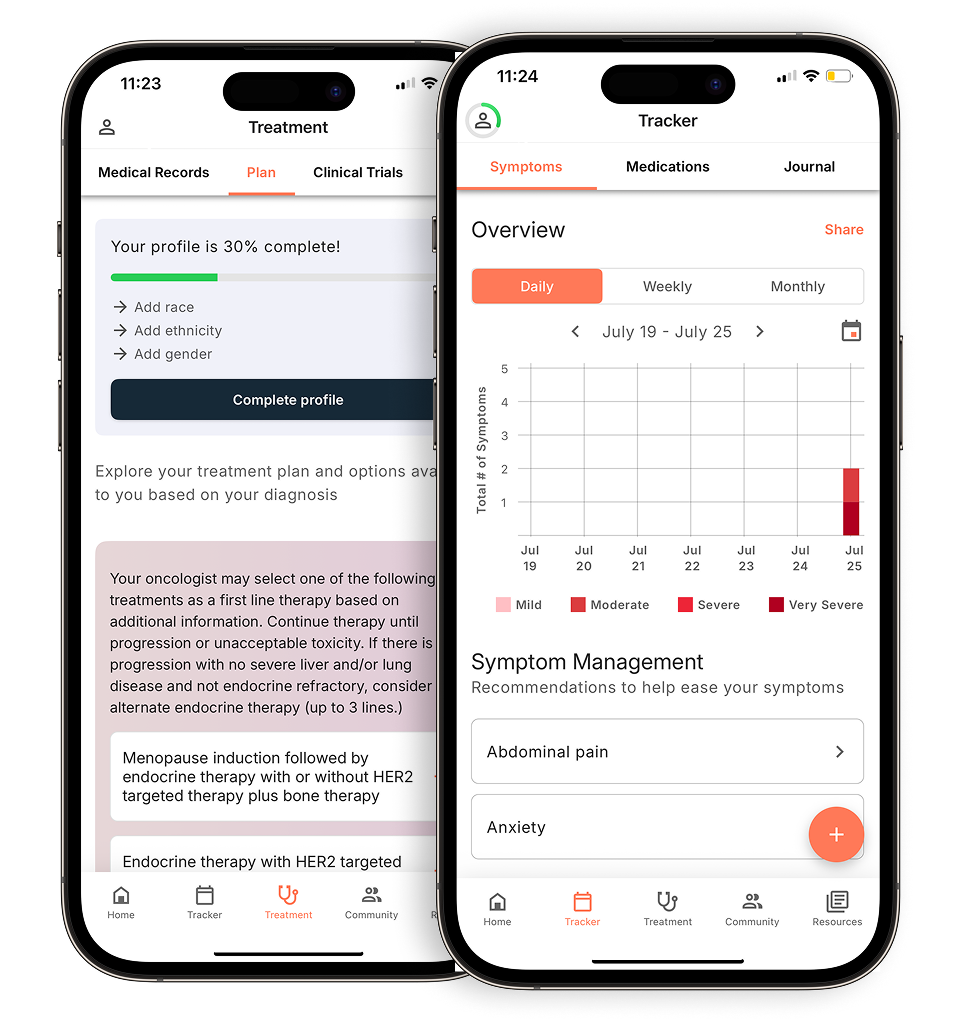
While online support groups provide invaluable emotional connection, having a tool that organizes your medical journey can bring a different kind of peace of mind. The Outcomes4Me app is designed to be your personal cancer care partner, helping you make sense of your diagnosis and treatment plan. It works by taking your specific medical information and providing clear, evidence-based guidance right on your phone. Think of it as a central hub for your health records, treatment options, and symptom tracking, all designed to empower you and simplify your conversations with your care team.
Get Personalized, Evidence-Based Treatment Options
After a bladder cancer diagnosis, you’re faced with a lot of information. The Outcomes4Me app helps cut through the noise by giving you personalized treatment options based on your unique diagnosis. We integrate directly with the NCCN Clinical Practice Guidelines®, which are the recognized standard for clinical policy in cancer care. This means the information you receive is always current and aligned with what oncologists use. Our platform translates these complex guidelines into clear, understandable language, so you can feel confident discussing the latest innovations and care recommendations with your doctor and making informed decisions together.
Find Clinical Trials and Trusted Resources
Clinical trials can offer access to new and promising treatments, but finding the right one can feel like searching for a needle in a haystack. The Outcomes4Me app simplifies this process by matching you with relevant clinical trials based on your specific diagnosis, stage, and medical history. Because our platform uses real-time data and genomic insights, you can trust that the opportunities presented are current and tailored to you. This feature is a key part of how new technologies are transforming cancer care, putting the power to explore cutting-edge research directly into your hands and opening up more avenues for your treatment.
Manage Your Symptoms and Medications in One Place
Keeping track of medications, appointments, and symptoms is a major part of managing cancer care. The Outcomes4Me app provides tools to log your symptoms and medications in one secure, organized place. By tracking how you feel day-to-day, you can identify patterns, manage side effects more effectively, and have more productive conversations with your healthcare team. Having this information readily available helps you clearly communicate your experience and ask your doctor targeted questions. This ensures your care team has a full picture of your health between visits, allowing them to provide the supportive care you need throughout your treatment journey.
Related Articles
- Bladder Cancer Community | Outcomes4Me
- Treatment Options After Bladder Cancer Surgery | Outcomes4Me Community
- Is anyone else coping with invasive bladder cancer? Seeking support | Outcomes4Me Community
- Living with Bladder Cancer: Treatments and Recovery Experiences | Outcomes4Me Community
- Questions to ask your doctor after a bladder cancer diagnosis – Outcomes4Me
View your personalized treatment plan in the Outcomes4Me app
Use your diagnosis to unlock personalized NCCN Guidelines®-aligned recommendations.
Frequently Asked Questions
I’m pretty private and not sure I want to share my story. Do I have to participate actively? Not at all. There is absolutely no pressure to share before you’re ready. Many people join a group and simply read the conversations for a while. You can gain a tremendous amount of comfort and information just by seeing that others have similar questions and concerns. Think of it as finding your place in the room first. When and if you feel comfortable sharing, the community will be there to listen.
Are these online groups really secure? I’m worried about my privacy. That’s a completely valid concern, and it’s smart to be cautious. The best way to protect your privacy is to join groups that are run by trusted cancer organizations. These communities typically have strict privacy policies and active moderators who ensure the space remains safe and respectful. Before you post, always take a minute to read the group’s guidelines so you know exactly how your information is handled.
My family and friends want to support me. Are there groups for them too? Yes, and they are an incredible resource. A cancer diagnosis affects everyone, and caregivers need their own space to connect with people who understand their unique challenges. Many organizations host groups specifically for family, friends, and partners. These communities offer a place for them to ask questions, share advice, and find emotional support so they can be the best possible allies for you.
What’s the difference between an online support group and a tool like the Outcomes4Me app? It’s helpful to think of them as two different, but complementary, tools in your care plan. An online support group provides emotional connection and shared experiences with peers who truly understand what you’re going through. The Outcomes4Me app is your personal health tool. It helps you manage the medical side of your journey by organizing your records, tracking symptoms, and providing personalized treatment options based on clinical guidelines. One supports your heart, the other supports your health management.
Can I get medical advice from other members in the group? While members will openly share their personal experiences with different treatments and side effects, a support group should never replace advice from your medical team. Think of it as a place to gather insights and learn what questions to ask your doctor. The community is there for peer support, not professional medical consultation. Always discuss any treatments or changes to your care plan with your oncologist.