Are ultra-processed foods connected to colorectal cancer risk?
A large study involving more than 460,000 participants offers new insight into this question. Researchers found that eating more ultra-processed foods overall wasn’t associated with a higher incidence of colorectal cancer. However, when they looked at specific types of food, they found important differences: Some ultra-processed foods were associated with lower colorectal cancer rates, while others were linked to higher rates.
The findings suggest that what a food contains may matter more than whether it’s classified as ultra-processed. Here’s what the research means.
What are ultra-processed foods?
Ultra-processed foods are products made using industrial processing methods and ingredients that aren’t typically used in home cooking. They often contain added sugars, salt, fats, flavorings, or preservatives, although nutritional content varies.
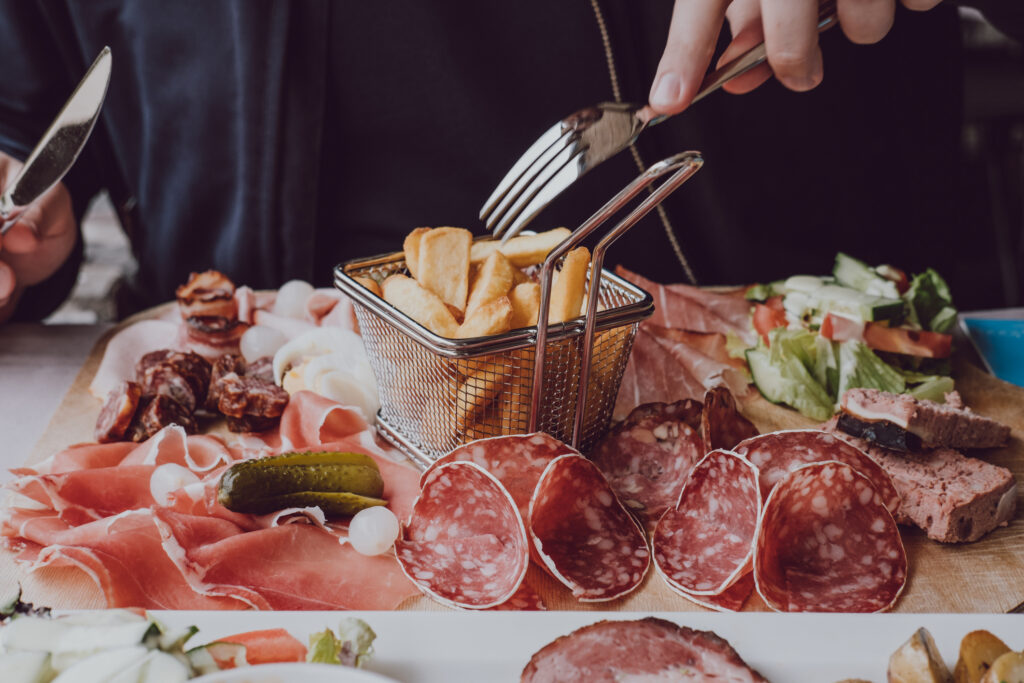
Examples can include packaged snacks, sugary drinks, instant meals, breakfast cereals, packaged breads, and processed meats such as hot dogs and deli meats.
Ultra-processed foods have different nutritional value. Some provide whole grains, fiber, calcium, and other nutrients, while others offer far fewer beneficial nutrients.
This variety makes it difficult to draw conclusions about their health effects by looking at processing alone.
What did the study find?
Researchers analyzed dietary and health information from over 460,000 Americans who were between 50 and 71 years old.
Participants reported their eating habits at the beginning of the study. Researchers then followed their health outcomes for about 18 years to examine the relationship between ultra-processed food consumption and colorectal cancer.
The main finding was that higher overall consumption of ultra-processed foods wasn’t associated with a higher incidence of colorectal cancer.
Evidence-based guidance powered by NCCN Guidelines®
Personalized treatment plans shaped by the latest oncology standards—tailored to your diagnosis.
Get started
View your personalized treatment plan in the Outcomes4Me app
Use your diagnosis to unlock personalized NCCN Guidelines®-aligned recommendations.
Continue in app
However, the results looked different when researchers examined specific food groups.
Some ultra-processed foods were associated with lower cancer rates
Higher consumption of whole grains, fiber, dairy products, and calcium from ultra-processed food sources was associated with a lower incidence of colorectal cancer. These findings reinforce the importance of nutrients that are already part of dietary recommendations for colorectal cancer prevention.
Importantly, these results don’t mean that ultra-processing itself protects against cancer. Rather, they suggest that the nutritional qualities of these foods may help explain the associations researchers observed.
Ultra-processed meats were associated with higher cancer rates
In contrast, greater consumption of meat from ultra-processed sources was associated with a higher incidence of colorectal cancer.
This finding is consistent with existing recommendations to limit processed meat, including bacon, hot dogs, ham, and deli meats. Research has linked processed meat consumption to colorectal cancer, and limiting these foods remains an important part of prevention guidance.
A packaged whole-grain food and a processed meat product may both be classified as ultra-processed, yet have very different nutritional profiles and associations with cancer.
Why these findings matter for people with colorectal cancer
If you have colorectal cancer or are concerned about your risk, these findings offer a useful reminder that nutrition is more complicated than labeling foods as good or bad.
The study doesn’t show that eating ultra-processed foods causes colorectal cancer overall, nor does it establish that certain ultra-processed foods prevent it. Instead, it suggests that the types of foods you eat and the nutrients they provide deserve attention.
For people living with colorectal cancer, dietary needs can also change during treatment. Side effects such as diarrhea, constipation, nausea, or changes in appetite may affect which foods are easiest to tolerate. Your care team or an oncology dietitian can help you identify foods that meet your nutritional needs while accounting for treatment-related symptoms.
How to make food choices that support colorectal health
You don’t need to eliminate every packaged or ultra-processed food from your diet to make healthier choices. Instead, focus on the overall pattern of what you eat.
Choose whole grains and fiber-rich foods more often. Oatmeal, brown rice, whole-grain bread, beans, lentils, fruits, and vegetables can help you increase your fiber intake. If you’re receiving colorectal cancer treatment or have bowel-related symptoms, ask your care team whether you need to adjust your fiber intake.
Include calcium-rich foods. Milk, yogurt, and other dairy products can provide calcium and protein. Fortified alternatives may also provide calcium, depending on the product. Choose options that fit your nutritional needs and preferences.
Limit processed meats. Try replacing bacon, hot dogs, and deli meats with alternatives such as beans, lentils, fish, poultry, or other protein sources that work for your diet.
Look beyond the processing label. Compare nutrition labels when choosing packaged foods. Whole grains, fiber, calcium, added sugars, sodium, and saturated fat can offer more useful information about a food’s nutritional profile than the processing category alone.
Make changes that work for you. A balanced eating pattern doesn’t have to be perfect. Small, sustainable changes can help you build habits that fit your preferences, budget, and health needs.
What are the study’s limitations?
Although the study included a large number of participants and followed them for nearly two decades, there are important limitations.
Most participants were older, white Americans, so the findings may not apply equally to younger people or more diverse populations.
Participants also reported their diets only once, at the beginning of the study. Their eating habits may have changed over the following years, and the variety of ultra-processed foods available also evolved. This means researchers may not have captured participants’ diets accurately throughout the study.
More research is needed to understand how specific foods, their nutritional content, and their degree of processing may influence colorectal cancer risk.
Next steps
The findings reinforce existing dietary guidance: eat a variety of nutritious foods, choose whole grains and fiber-rich options when appropriate, include calcium-rich foods, and limit processed meats.
You don’t need to judge every food by how much it has been processed. Focus instead on the nutritional value of your overall diet and work with your care team to make choices that support your individual health needs.
Disclaimer: The information provided in this article is for informational purposes only and is not intended to be a substitute for professional medical advice, diagnosis, or treatment. Outcomes4Me is not acting as your caregiver, and any suggestions or guidance offered should not replace the advice of your healthcare provider or qualified medical professional. Always seek the guidance of your physician or other qualified health provider with any questions you may have regarding a medical condition.
Personalized support for real care decisions
Understand your diagnosis, explore clinical trials, and track symptoms--all in one place.
Get started
Compare treatments, prepare for appointments, and track side effects—all in the app
Built for your diagnosis, Outcomes4Me gives you the tools to make confident, informed decisions—right when you need them.
Continue in app