
Think of managing your health like maintaining a home—you need a full toolkit, not just a single hammer. Similarly, when you’re going through breast cancer treatment, different challenges require different kinds of support. You might need one tool to track medications and symptoms, another to connect with peers who understand what you’re feeling, and a third to access reliable, evidence-based information. The search for the best app for breast cancer patients is really about building your personal digital toolkit. This article will break down the top apps by category, helping you find the right combination of resources to support your unique needs, from logistical organization to emotional well-being.
View your personalized treatment plan in the Outcomes4Me app
Use your diagnosis to unlock personalized NCCN Guidelines®-aligned recommendations.
Key Takeaways
- Choose Apps Grounded in Medical Evidence: Your health is too important for unvetted advice. Select tools that base their guidance on established clinical guidelines to ensure the information is safe, accurate, and aligned with the care you receive from your oncology team.
- Identify Your Biggest Need First: The most helpful app is the one that solves your most pressing challenge. Decide if you need help organizing appointments, tracking symptoms, or connecting with a community, and then look for an app specifically designed to meet that need.
- Make Your App a Partner in Your Care: An app should support, not replace, your doctor. Use it to log side effects and prepare questions before appointments, turning it into a powerful tool that helps you have more productive conversations with your healthcare team.
What Makes a Breast Cancer App Genuinely Helpful?
When you’re managing a breast cancer diagnosis, your phone can feel like both a lifeline and a source of overwhelm. With countless apps available, it’s tough to know which ones will actually make your life easier and which will just add to the noise. A genuinely helpful app does more than just store information; it acts as a reliable partner, helping you feel more organized, informed, and in control of your health journey.
The best apps are designed with your specific needs in mind. They can help you track symptoms, manage appointments, and connect with others who understand what you’re going through. But more importantly, they provide trustworthy information that empowers you to have more productive conversations with your healthcare team. Think of a great app as a digital toolkit—one that helps you organize the complexities of treatment so you can focus more of your energy on your well-being. It should simplify, not complicate, your path forward.
Look for These Key Features
When you’re comparing apps, it helps to know what separates a good one from a great one. Researchers who conduct an expert evaluation of health apps look at a few key areas. First, functionality—the app should be reliable and easy to use without glitches. The information quality is also critical; you need content that is accurate, current, and from a credible source. A well-designed app (aesthetics) that is simple to get around makes a huge difference, as does its ability to keep you engaged. Finally, look at what other users are saying. An app that consistently receives positive reviews is likely delivering real value to patients like you.
How an App Can Complement Your Medical Care
No app can or should replace the guidance of your oncology team. Instead, the best ones are designed to complement your medical care and help you become a more active participant in it. A diagnosis comes with a flood of new information, and a good app can help you manage it all. It can serve as a central place to jot down questions for your next appointment, track side effects your doctor needs to know about, or access educational resources that explain complex topics in simple terms. By meeting the specific informational needs of patients, these tools can help you feel better prepared and more confident when discussing your treatment plan.
Why Evidence-Based Content Is a Must
In an era of endless information, the accuracy of the content you consume is more important than ever. When it comes to your health, relying on evidence-based resources is non-negotiable. This means the information and guidance within an app are backed by scientific research and align with established clinical guidelines. Studies on research-tested mobile apps show that tools grounded in solid evidence can make a real difference in managing care. Before you trust an app, check to see where its information comes from. Look for mentions of medical advisory boards, partnerships with cancer research institutions, or references to established guidelines. This ensures the support you’re receiving is both safe and effective.
Find the Best Apps for Support and Information
When you’re dealing with a breast cancer diagnosis, it can feel like you’re sorting through a mountain of information. Between doctor’s appointments, treatment plans, and well-meaning advice from friends, it’s easy to feel overwhelmed. The right app can cut through the noise, acting as a trusted resource in your pocket. It can provide clarity when you feel confused and a sense of connection when you feel isolated.
Think of these apps as different kinds of specialists for your support team. Some are designed to give you personalized medical information based on your unique diagnosis, helping you prepare for conversations with your care team. Others focus on creating a community, connecting you with people who truly understand what you’re going through. You can also find apps dedicated to your mental and emotional well-being, offering tools to manage the stress and anxiety that often come with a diagnosis. Finally, some apps serve as a digital library, providing clear, evidence-based educational content to help you make sense of it all. Finding the right mix of support can make a real difference in how you approach your care.
For Personalized, Guideline-Based Care: Outcomes4Me
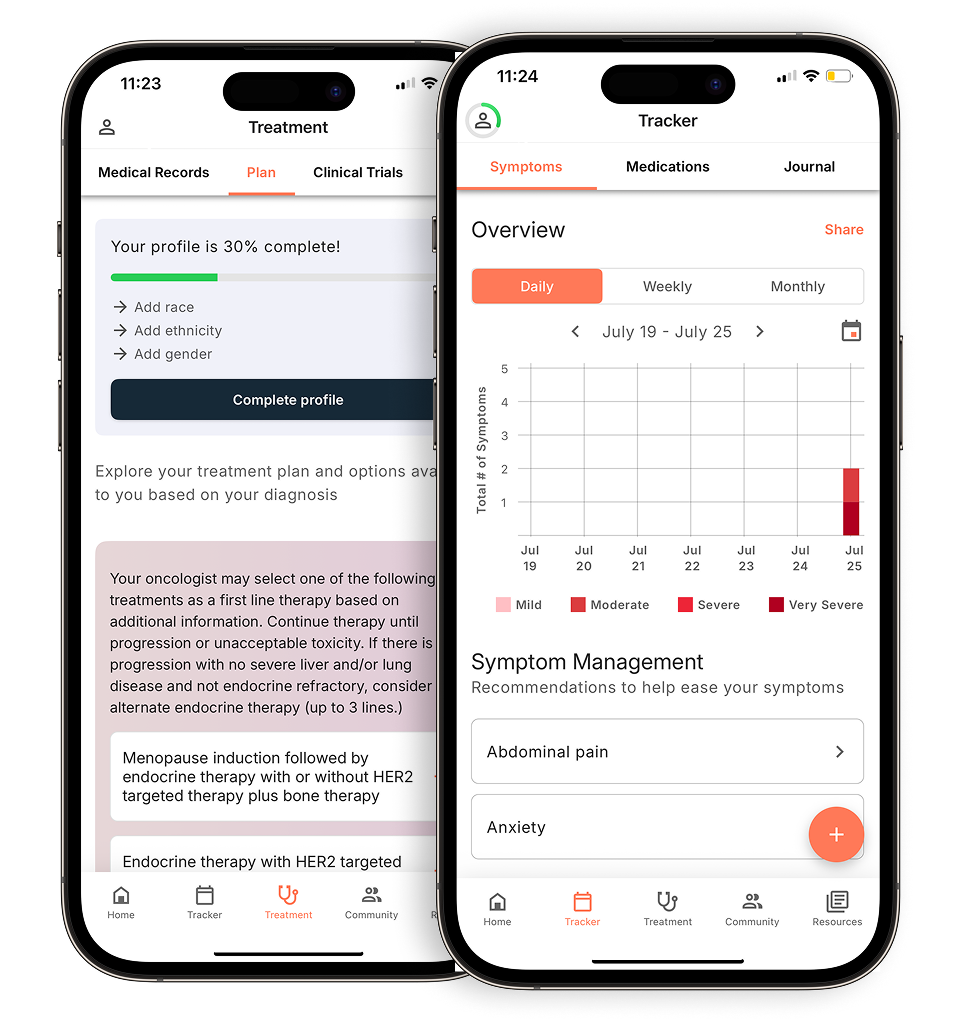
Feeling empowered in your healthcare journey starts with having the right information. The Outcomes4Me app is designed to give you just that by providing personalized guidance based on your specific diagnosis. After you securely add your medical information, the app cross-references it with the latest NCCN Clinical Practice Guidelines in Oncology (NCCN Guidelines®) to show you recommended treatment options, relevant clinical trials, and potential genetic testing you could discuss with your doctor. It’s like having a personalized roadmap that helps you understand your choices and ask more informed questions. This kind of tailored information can help you feel more confident and prepared for every appointment, ensuring you’re an active partner in your care.
For Peer Support and Community Connection
You don’t have to go through this alone. While support from family and friends is invaluable, there’s a unique comfort in connecting with others who are on a similar path. Peer support apps create a safe space to share experiences, ask questions you might not ask anyone else, and find encouragement from a community that gets it. Studies on mobile health apps for breast cancer patients show that these platforms effectively meet this need for connection. Whether you’re looking for advice on managing side effects or just need to vent on a tough day, these communities offer a sense of solidarity that can make a huge difference in your emotional well-being.
For Mental and Emotional Wellness
A breast cancer diagnosis impacts more than just your physical health—it affects your emotional and mental state, too. It’s completely normal to feel a mix of anxiety, fear, and stress. Some apps are built specifically to help you tend to your emotional needs. They often include tools like guided meditations, mood trackers, and journaling prompts to help you process your feelings and find moments of calm. Research shows that digital health platforms can be highly effective for supporting mental wellness, with high patient satisfaction. Integrating these tools into your routine can be a simple yet powerful way to care for your whole self throughout your treatment and beyond.
For Clear Information and Education
Knowledge is a powerful tool for managing your cancer care. The best educational apps break down complex medical information into clear, understandable language, so you’re not left deciphering dense medical journals on your own. These resources can help you learn about everything from your specific type of breast cancer to the links between lifestyle choices and health. However, it’s important to be discerning, as one study found that many cancer management apps are of low quality. By choosing an app that provides evidence-based, easy-to-digest information, you can become a more educated advocate for your own health and make decisions that feel right for you.
Discover Top Apps for Managing Treatment and Symptoms
Going through breast cancer treatment involves juggling countless details, from medication schedules to tracking how you feel each day. It can feel like a full-time job. The right app can act as your personal assistant, helping you organize the logistics so you can focus more of your energy on healing. These tools are designed to bring a sense of order to the chaos, making it easier to manage your treatment plan, communicate with your doctors, and stay in tune with your body. Think of them as a way to lighten your mental load and regain a feeling of control over your daily health management.
Track Medications and Set Reminders
Keeping track of multiple medications, dosages, and schedules is a common challenge. An app can be a game-changer, ensuring you never miss a dose or a refill. For example, the Med Helper-Pro Pill Reminder app is designed to help you manage all your medicines. According to a review from PRMA Enhance, it sends reminders for when to take your pills and alerts you when you’re running low. This kind of digital support simplifies a critical part of your treatment, helping you stick to your plan with less stress and more confidence. It’s a simple way to make sure your medication regimen stays on track.
Monitor Symptoms and Manage Side Effects
Your care team relies on your feedback to manage treatment side effects effectively. But when you’re not feeling well, it can be hard to remember the specifics of your symptoms. This is where a symptom tracker can be invaluable. The Becca app, created by Breast Cancer Now, is a free tool that helps you navigate life after treatment. It provides resources for dealing with side effects and adjusting to a new normal. By logging your symptoms as they happen, you create a clear, accurate record to share with your doctor, which can lead to better, more responsive care and improved quality of life during and after treatment.
Organize Appointments and Medical Records
Between oncologist visits, scans, blood work, and consultations, your calendar can fill up quickly. An app that consolidates your schedule can prevent missed appointments and reduce anxiety. The Med Helper-Pro Pill Reminder app, for instance, also lets you add and track your doctor’s appointments alongside your medication schedule. Having all this crucial information in one place makes it easy to see what’s coming up next. It streamlines coordination, especially if you have multiple specialists on your care team, and ensures you’re always prepared for your next visit without having to sift through a pile of paperwork.
Stay on Top of Self-Exams
Regular breast self-exams are an important part of ongoing health awareness, both during and after treatment. However, it’s easy to forget to do them consistently. An app can serve as a gentle, reliable nudge. Dr. K’s Breast Checker, for example, sends a monthly reminder to perform a self-exam. It also gives you a place to log any changes you notice, creating a personal record you can refer to over time. This helps you build a consistent habit and stay proactive about your health, empowering you to notice any new or different changes and bring them to your doctor’s attention promptly.
How to Choose the Right App for You
With so many options available, finding the app that fits your life can feel like a big task. But you don’t have to download every single one to find your match. A little thought upfront can help you narrow down the choices and select a tool that genuinely supports you. Think of it as building your personal support toolkit—you want to choose the right instruments for the job. The best app for you is the one that meets your specific needs, feels trustworthy, and fits seamlessly into your care plan.
Define Your Personal Goals and Needs
Before you even open the app store, take a moment to think about what you’re looking for. What would make the biggest difference for you right now? Are you searching for a community to connect with? Do you need help tracking medications and symptoms? Or are you focused on understanding your treatment options? Research shows that a clear understanding of your informational needs is the first step toward finding a helpful tool. Try making a quick list of your top three priorities. This simple step will give you a personal checklist to measure each app against, ensuring you choose one that truly serves your journey.
Read User Reviews and Testimonials
Reviews from other people living with breast cancer can offer incredible insight. While an app’s description tells you what it’s supposed to do, reviews tell you how well it actually does it. Look beyond the star rating and read what users are saying. Are they finding the community supportive? Is the symptom tracker easy to use? Does the information feel reliable? Each testimonial is a proof point that can show you an app’s true strengths and weaknesses. Pay attention to detailed reviews that describe personal experiences—they often provide the most honest picture of how an app might work for you.
Prioritize Your Privacy and Security
When using a health app, you’re often sharing sensitive personal information. It’s essential to choose an app that takes your privacy seriously. Before downloading, look for a clear and easy-to-understand privacy policy. A trustworthy app will be transparent about what data it collects and how that data is used and protected. Be cautious of apps that ask for information that doesn’t seem relevant to their function. Your health data is yours, and you have a right to control it. High-quality apps are built on a foundation of trust and protecting your information.
See How It Works with Your Healthcare Team
The right app should complement the care you receive from your medical team, not complicate it. A great app acts as a bridge, helping you organize questions for your next appointment or track side effects to share with your doctor. When you find an app you’re interested in, consider mentioning it to your oncologist or nurse navigator. They may have experience with it or be able to offer perspective on whether its features align with your treatment plan. Some apps even allow you to export your data, making it simple to share updates with your provider. This collaboration ensures your digital tools are working in harmony with your professional medical care.
How to Get the Most Out of Your App
Downloading an app is the easy part. The real value comes from making it a consistent part of your routine. Think of it as another tool in your healthcare toolkit, one that can help you feel more organized and in control. To truly benefit, you need to actively engage with its features and understand its role in your broader care plan. By being intentional about how you use an app, you can transform it from a simple download into a powerful ally on your cancer journey. It’s about finding a rhythm that works for you, whether that’s tracking symptoms daily, reviewing educational content weekly, or preparing for your next doctor’s appointment.
Understand the Benefits and Limitations
The right app can be a game-changer, helping with everything from managing treatments to finding early detection resources. These tools can centralize your medical information, offer reminders, and provide a sense of community. However, it’s important to have realistic expectations. While many apps provide excellent educational content, they are designed to support, not replace, your medical team. Research has shown that while these apps offer valuable information, they don’t always lead to behavioral changes for everyone. Think of an app as a knowledgeable companion that helps you organize information and ask better questions, but remember that your oncology team should always be your primary source for medical advice.
Tips for Making the App Work for You
To get the most from any health app, you have to make it your own. Start by creating an account so you can save helpful articles, track your personal data, and customize the experience. Take some time to explore all the features—you might find a symptom tracker or a medication log you didn’t know was there. The more you personalize the information, the more relevant it will be to your specific diagnosis and treatment plan. Try to be consistent. If you decide to track side effects, log them regularly. This creates a more accurate record that you can share with your doctor, helping them get a clearer picture of your experience between appointments.
Know When to Seek Additional Professional Support
An app is a fantastic resource, but it is not a substitute for professional medical care. Always treat it as a supportive tool that complements your relationship with your healthcare providers. Some apps, like ACS CARES™, even build in direct lines of communication, allowing you to speak with cancer specialists or nurses. Use the app to document your symptoms, list your questions, and organize your thoughts before an appointment. This preparation helps you have more productive conversations with your doctor. If you experience a new or concerning symptom, your first call should always be to your care team, not a search bar in an app.
Related Articles
- Is This App for Breast Cancer Patients Only? | Outcomes4Me Community
- Best Breast Cancer Guidance (Awareness & Mobile App) | Outcomes4Me
- Breast Cancer Must Haves: Best Care Products For Patients
- Best List Of Breast Cancer Books (For Patients & Survivors) | Outcomes4me
- Best Breast Cancer Podcasts For Patients & Survivors
View your personalized treatment plan in the Outcomes4Me app
Use your diagnosis to unlock personalized NCCN Guidelines®-aligned recommendations.
Frequently Asked Questions
With so many apps out there, how do I know if the information is actually reliable? That’s a great question, and it’s smart to be discerning. The most trustworthy apps are transparent about where their information comes from. Look for mentions of a medical advisory board, partnerships with established cancer institutions, or content that is based on well-respected clinical guidelines, like the NCCN Guidelines®. A reliable app is built on a foundation of scientific evidence, not just general wellness advice.
Can I use an app instead of talking to my doctor about a new symptom? No, an app should never replace a conversation with your healthcare team. Think of it as a tool to help you have a better, more informed discussion. Use a symptom tracker to create a clear record of what you’re experiencing, how often it happens, and how it feels. This gives your doctor specific details to work with, but your first call for any new or concerning symptom should always be to your clinic or oncologist.
I feel overwhelmed by all the options. What’s the best way to start? It’s completely understandable to feel that way. Instead of trying to find one app that does everything, start by identifying your single biggest need right now. Do you need help organizing your appointments and medications? Or are you looking for a community of people who understand what you’re going through? Pinpoint your top priority and look for an app that excels in that one area. You can always add another tool to your digital toolkit later.
Is it really safe to enter my personal health information into an app? Your privacy is incredibly important, and it’s a valid concern. Before you download any health app, take a moment to find and read its privacy policy. A reputable app will be very clear about what data it collects, how it’s stored, and who has access to it. If the policy is hard to find or confusing, or if the app asks for information that doesn’t seem necessary for its function, it’s best to look for another option.
What’s the difference between an app for tracking symptoms and one for personalized care? A symptom tracker is like a digital diary—it’s a place for you to log your side effects, mood, and daily wellness to share with your doctor. A personalized care app goes a step further. It uses your specific diagnostic information to provide tailored content, such as showing you the treatment options and clinical trials that are relevant to your unique type and stage of breast cancer, helping you prepare for conversations with your care team.