
When you hear “breast cancer,” a lump is probably the first thing that comes to mind. But some types of breast cancer, like inflammatory breast cancer (IBC) and invasive lobular carcinoma (ILC), rarely start that way. Instead of forming a hard mass, they can cause symptoms like sudden swelling, redness across the skin, or a thickening in one area of the breast. Because these signs can be mistaken for an infection or hormonal changes, knowing about them is critical. The most important breast cancer diagnosis stories no lump often highlight these “sneaky” cancers, showing why awareness of their unique symptoms is a key part of early detection.
View your personalized treatment plan in the Outcomes4Me app
Use your diagnosis to unlock personalized NCCN Guidelines®-aligned recommendations.
Key Takeaways
- Look for changes, not just lumps: Many breast cancers first appear as visual or sensory changes. Pay attention to skin dimpling, redness, nipple inversion, sudden swelling, or persistent pain in one spot, as these are all important signs.
- Trust screenings to see what you can’t feel: Routine mammograms are critical because they can detect cancers that don’t form a distinct lump. This technology is your most powerful tool for finding cancer at its earliest, most treatable stage.
- Be an active partner in your healthcare: You are the expert on your body. Come to appointments prepared with your family history, track any symptoms you notice, and always speak up about your concerns—your voice is essential to your care.
What Are the Warning Signs of Breast Cancer Without a Lump?
We’re often taught to check for lumps, but that’s only part of the story. Many types of breast cancer don’t present with a distinct lump, especially in the early stages. Instead, the first signs can be changes you see or feel in your breasts. Knowing what to look for beyond a lump is a crucial part of being proactive about your health. It’s all about understanding what’s normal for your body and establishing a baseline. When you’re familiar with the usual look and feel of your breasts, you’re more likely to notice when something is off.
These changes can be subtle, but they are significant. They can include shifts in your skin’s texture, sudden nipple changes, unexplained swelling, or persistent pain. Paying attention to these visual and sensory cues is just as important as a monthly self-exam. Think of it as being an expert on your own body. If you notice any of these signs, it’s not a reason to panic, but it is a reason to schedule a conversation with your doctor. Early detection is key, and that starts with recognizing the full range of possible symptoms, not just the one we hear about most often. Let’s walk through some of the most common warning signs that don’t involve a lump.
Changes in Your Skin’s Look or Feel
One of the most visible signs of breast cancer can appear on your skin. You might notice redness or a rash-like appearance that covers a significant portion of your breast. The skin might also feel warm or swollen. Another key sign to watch for is skin dimpling, which can look similar to the peel of an orange (a texture sometimes called peau d’orange). These symptoms can easily be mistaken for a skin infection or mastitis, but if they don’t clear up with typical treatments, it’s important to investigate further. These skin changes are often associated with inflammatory breast cancer, a rare but aggressive form of the disease.
Nipple Discharge or Inversion
Your nipples can also offer important clues about your breast health. A sudden and new change, like a nipple that begins to turn inward (inversion), should always be checked by a doctor. While some people are born with inverted nipples, a nipple that retracts when it previously didn’t is a warning sign. Another symptom is nipple discharge that is not breast milk. Pay close attention if the discharge is clear or bloody, happens without squeezing the nipple, and occurs in only one breast. While most nipple discharge is caused by benign conditions, it can sometimes be a sign of an underlying issue that needs medical attention.
Swelling or Unevenness in Your Breasts
It’s common for breasts to be slightly different sizes, but a sudden change in size or shape is something to watch. You might notice that one breast has become visibly larger or feels heavier than the other. This swelling can occur with or without a lump. Sometimes, the change is more subtle, like a small alteration in the contour or shape of your breast. For some women, this is the only sign they have. For example, one woman’s mammogram revealed a ‘sneaky’ breast cancer after she noticed a minor change in her breast’s shape. Any new unevenness or swelling that doesn’t go away should be evaluated by a healthcare provider.
Pain That Doesn’t Go Away
While most breast cancers are painless, persistent pain or tenderness can be a symptom. This isn’t the typical soreness you might feel before your period; it’s a pain that is constant, localized to one specific area, and doesn’t seem to follow your menstrual cycle. The pain might be described as a sharp, stabbing sensation or a dull ache that just won’t go away. Because breast pain is common and usually not related to cancer, it can be easy to dismiss. However, if you have unexplained breast pain that lasts for several weeks, it’s worth bringing up with your doctor to rule out any serious causes.
Which Breast Cancers Often Appear Without a Lump?
When we think about breast cancer, a lump is often the first sign that comes to mind. But some types of breast cancer don’t form a distinct mass, making them harder to detect through a self-exam alone. Knowing what else to look for is a key part of advocating for your health.
These cancers can be tricky because their signs are often subtle changes to the breast’s skin or overall shape. Understanding the specific symptoms of these “lump-less” cancers can help you spot potential issues early and have more informed conversations with your doctor. Let’s walk through a few of the most common types that often appear without a noticeable lump.
What to Know About Invasive Lobular Carcinoma
Invasive lobular carcinoma (ILC) is sometimes called a “sneaky” cancer for a good reason. Instead of forming a hard, round lump, it grows in thin strands or webs of cells through the fatty tissue of the breast. This growth pattern means you might not feel a distinct lump at all. Instead, you might notice a thickening or hardening in one area of your breast, or a feeling of fullness or swelling. Because these changes can be subtle, ILC is often first detected on a routine mammogram rather than by a physical exam.
The Signs of Inflammatory Breast Cancer
Inflammatory breast cancer (IBC) is a rare and aggressive type that almost never causes a lump. Its symptoms appear quickly and are caused by cancer cells blocking lymph vessels in the skin of the breast. This blockage leads to distinct signs, including sudden swelling, redness covering a large area of the breast, and skin that feels warm to the touch. The skin might also develop a pitted or ridged texture that resembles an orange peel (peau d’orange). Because these symptoms can look like an infection or a rash, it’s important to see a doctor right away if they appear.
How Ductal Carcinoma In Situ Can Appear
Ductal carcinoma in situ (DCIS) is considered a pre-invasive form of breast cancer, where abnormal cells are found in the lining of a milk duct but haven’t spread beyond it. In most cases, DCIS causes no symptoms at all. You wouldn’t be able to feel a lump or see any changes in your breast. It is almost always discovered during a routine screening mammogram, which can detect tiny clusters of calcifications that sometimes form around the abnormal cells inside the duct. This is a perfect example of why regular screenings are so vital for catching changes before they become more serious.
How Do Mammograms Find Cancer When There’s No Lump?
It’s a common misconception that breast cancer always starts with a noticeable lump. The truth is, some of the earliest signs of cancer are invisible to the naked eye and can’t be felt. This is where mammograms become so critical. They are designed to see what you can’t, finding subtle changes in your breast tissue long before they surface as physical symptoms. Think of it as a powerful look inside, giving you and your doctor a head start on any potential issues.
What a Mammogram Can Detect
Mammograms use low-dose X-rays to create a detailed image of your breast tissue, revealing abnormalities that might signal cancer. For example, a mammogram can detect tiny clusters of calcium called microcalcifications, which can sometimes be an early sign of cancer. They can also spot hidden masses or other changes in tissue density. One type of cancer that mammograms are crucial for finding is invasive lobular breast cancer (ILBC), which often grows in thin lines rather than a distinct lump. This “sneaky” cancer can be incredibly difficult to feel, making routine screening an essential tool for early detection.
The Benefits of Digital and 3D Mammography
Technology has made mammograms more effective than ever. While standard mammograms are still used, many facilities now offer digital and 3D options. Digital mammograms capture images electronically, allowing radiologists to zoom in and get a closer look at specific areas. Even better is 3D mammography, also known as tomosynthesis, which takes multiple images of the breast from different angles. These images are then combined to create a clear, three-dimensional picture. This advanced technique makes it easier for doctors to spot small cancers, especially in dense breast tissue, and can reduce the chances of being called back for a false alarm.
What to Know if You Have Dense Breasts
Having dense breasts means you have more fibrous and glandular tissue compared to fatty tissue. It’s very common—about 40% of women have them—but it can make reading a mammogram more challenging because both dense tissue and tumors appear white on the images. This can sometimes camouflage a potential problem. If you’ve been told you have dense breast tissue, don’t be discouraged. Regular mammograms are still incredibly important. It simply means you and your doctor need to be extra vigilant and may want to discuss whether additional screening tests could be right for you.
When an Ultrasound or MRI Is Needed
If you have dense breasts or a higher-than-average risk for breast cancer, your doctor might recommend supplemental screening. A mammogram is still the primary tool, but adding another test can provide a more complete picture of your breast health. A breast ultrasound uses sound waves to create images and is excellent at distinguishing between solid masses and fluid-filled cysts. A breast MRI uses magnets and radio waves and is highly sensitive at detecting small cancers. The key is to have an open conversation with your doctor about your personal risk factors to create a screening plan that gives you the most peace of mind.
Why Are Regular Screenings So Important?
Regular screenings are your first line of defense in early detection. While it’s essential to be familiar with your body, many types of breast cancer don’t form a noticeable lump in their early stages. Screenings like mammograms can spot tiny abnormalities years before you or your doctor can feel them. This early detection is crucial because when breast cancer is found early, it’s often smaller, hasn’t spread, and is easier to treat successfully. Think of it as having a superpower—the ability to see a problem before it grows.
Why Self-Exams Aren’t Enough
Getting to know the normal look and feel of your breasts is a great habit, but it shouldn’t be your only strategy. Many women, like Lucie, who had zero risk factors, are diagnosed through a mammogram that finds a cancer that couldn’t be felt. Cancers can be too small or too deep to be detected by touch. While monthly self-exams help you establish a baseline for what’s normal for you, they are not a substitute for regular clinical screenings. Professional imaging can detect calcifications or masses that are invisible to the naked eye and undetectable by hand, making it an indispensable tool for your health.
How Routine Mammograms Save Lives
Routine mammograms are proven lifesavers. Just ask Tammy McDevitt, whose regular screening detected invasive lobular breast cancer, a type that often doesn’t form a distinct lump. Her cancer was found at Stage 1, allowing her doctors to treat it quickly and effectively. Finding cancer at an early stage dramatically improves the prognosis and often means treatment can be less aggressive. Sticking to a consistent screening schedule gives you the best possible chance of catching any potential issues when they are most treatable, turning a potentially frightening diagnosis into a manageable health event. It’s one of the most powerful steps you can take for your long-term well-being.
Screening Guidelines by Age and Risk
Knowing when to start screening can feel confusing, but it’s a conversation worth having with your doctor. While general guidelines exist, your personal health profile matters most. For example, Yolanda was 43 when she asked her doctor for a mammogram during a routine check-up, even though she felt fine. That screening found her breast cancer. The American Cancer Society recommends yearly mammograms for women beginning at age 45, with the option to start at 40. However, factors like family history or genetics might mean you need to start sooner. Talk openly with your provider about your personal and family history to create a screening plan that’s right for you.
Understanding False Negatives and How Often to Screen
It’s important to know that mammograms aren’t perfect. Sometimes, a mammogram can miss a cancer, which is known as a false negative. Angela Garrison was diagnosed with stage III breast cancer despite having two clear mammograms earlier that year. This can happen, especially in women with dense breast tissue, which can make it harder for radiologists to see tumors. This is why it’s so important to pay attention to any changes in your breasts—like dimpling, swelling, or nipple changes—and report them to your doctor, even if you’ve had a recent clear mammogram. Persistence and open communication with your healthcare team are key.
How to Be Your Own Best Health Advocate
Your doctor is an expert in medicine, but you are the expert on your own body. Working together is the key to staying on top of your health. Being your own advocate means speaking up, asking questions, and making sure your concerns are heard. It’s about taking an active role in your healthcare journey, because no one is more invested in your well-being than you are. This partnership ensures you get the best care possible, tailored to your unique needs and circumstances.
How to Talk to Your Doctor About Your Concerns
Open communication with your doctor is fundamental to your health. Before an appointment, take a few minutes to write down your questions and any symptoms you’re experiencing. Be as specific as you can about what you’re feeling and when it started. As patient advocate Tammy strongly advises, making annual mammograms a regular part of your health routine is a proactive step. When you’re in the exam room, don’t downplay your concerns. If something feels off, say so clearly. Remember, your doctor is there to help, but they can only address what they know.
Know Your Family History and Genetic Risks
Your family’s medical history provides important clues about your own health risks. Take time to learn about the health history of your close relatives, including parents, siblings, and children. Note any instances of cancer, especially breast or ovarian, and the age at which they were diagnosed. Survivor Angela Garrison emphasizes the importance of knowing your breast density and discussing family history with your doctor. This information helps your healthcare team create a personalized screening plan that might include earlier or more frequent mammograms, genetic testing, or other preventive measures.
A Simple Way to Track Symptoms
Your body often sends subtle signals when something isn’t right. Keeping a simple log of any changes can be incredibly helpful for you and your doctor. As Tammy’s story shows, a change in her breast’s shape—not a lump—was the first sign of her cancer. She wants others to know that any change matters. Use a notebook or a health-tracking app to jot down symptoms, when they occur, and how long they last. This creates a clear timeline that can help your doctor identify patterns and make a more accurate diagnosis.
When to Get a Second Opinion
If you ever feel uncertain about a diagnosis or treatment plan, seeking a second opinion is a smart and proactive step. It’s not a sign of distrust; it’s about gathering all the information you can to make an informed decision. As one advocate puts it, “Women must ask questions and speak up for their own health. Don’t be afraid to get a second opinion if you have concerns.” A fresh perspective from another expert can confirm your current path or offer new options you hadn’t considered, giving you confidence and peace of mind.
When Should You Call a Doctor Right Away?
Knowing your body is one of the most powerful tools you have for managing your health. While routine screenings are essential for catching cancer early, some symptoms shouldn’t wait for your next appointment. Certain changes can happen quickly and signal that something needs immediate medical attention. Learning to recognize these urgent warning signs helps you know when to pick up the phone and call your doctor without delay. It’s about being proactive and responsive to what your body is telling you.
Red Flags That Need Urgent Attention
Some changes are more than just subtle shifts—they’re clear signals to contact your healthcare provider right away. If you notice that one of your nipples has suddenly turned inward (nipple inversion), it’s important to get it checked out. Another major red flag is finding a new lump or swollen nodule around your neck, collarbone, or in your armpit. According to experts at MD Anderson Cancer Center, these can be signs that the cancer has spread to the lymph nodes. Don’t panic, but don’t ignore it, either. A prompt call to your doctor ensures you get the care you need as soon as possible.
Warning Signs That Appear Suddenly
Unlike some cancers that develop slowly, certain types of breast cancer can cause symptoms that seem to appear overnight. Inflammatory breast cancer (IBC) is known for this rapid onset. Be on the lookout for sudden swelling in one breast, making it noticeably larger than the other. You might also see redness or a pink, purple, or bruised-looking color covering a large area of the breast. Another classic sign is skin dimpling that looks like an orange peel, a texture known as “peau d’orange.” Because these IBC symptoms can develop within days or weeks, it’s critical to report them to your doctor immediately.
Why You Should Trust Your Gut
You are the leading expert on your own body. If something feels off, it’s worth investigating, even if you can’t point to a specific lump. One woman, Tammy, shared a story with the Cleveland Clinic about how she noticed a small change in the shape of her breast but didn’t think it was a warning sign at first. Her experience highlights a crucial lesson: any change in your breast matters. Whether it’s a difference in size, shape, texture, or just a persistent feeling that something isn’t right, trust your intuition. Your gut feeling is a valid reason to schedule a conversation with your doctor.
How to Create Your Breast Health Plan
Being proactive about your breast health means having a clear, personalized plan. It’s not about waiting for a problem to arise; it’s about creating a roadmap with your doctor to monitor your health consistently. This plan is your guide to understanding your body, knowing your risks, and taking confident, informed steps. It puts you in the driver’s seat, turning anxiety about the unknown into a feeling of control. By setting a schedule, building a trusted team, and using the right tools, you can create a strong foundation for your long-term well-being.
Set Up Your Personal Screening Schedule
The single most important part of your plan is a consistent screening schedule. For many women, this means an annual mammogram. Tammy McDevitt learned she had invasive lobular breast cancer from a routine screening, even though she never felt a lump. Her story is a powerful reminder that mammograms can detect changes you can’t see or feel. Your personal schedule will depend on your age, family history, and other risk factors. Talk with your doctor to establish the right timing for you, and then treat those appointments as non-negotiable. Putting them on the calendar well in advance helps you make your health a priority.
Build Your Healthcare Support Team
Your breast health journey isn’t one you should walk alone. It’s essential to build a healthcare team you trust, starting with a primary care physician or gynecologist who listens to your concerns. This team can also include radiologists, nurses, and specialists who you can rely on for clear information and compassionate care. For over 20 years, Angela Garrison was diligent about getting her mammograms. Having a consistent relationship with her healthcare providers was a key part of her journey. When you feel heard and respected, you’re more likely to ask questions, report changes, and follow through with recommended screenings, creating a true partnership in your health.
Stay Up-to-Date on Screening Guidelines
Screening guidelines aren’t set in stone; they evolve as research advances. It’s important to know what the current recommendations are for your age and risk level. For example, some organizations recommend starting annual mammograms at age 40, while others may suggest a different timeline. Yolanda was 43 when she was diagnosed, and she credits early detection with making a critical difference. Staying informed helps you have productive conversations with your doctor about your personal screening plan. You can find patient-friendly versions of the latest evidence-based guidelines to help you prepare for your next appointment and ensure you’re following the most current advice.
Use Apps and Tools to Track Your Health
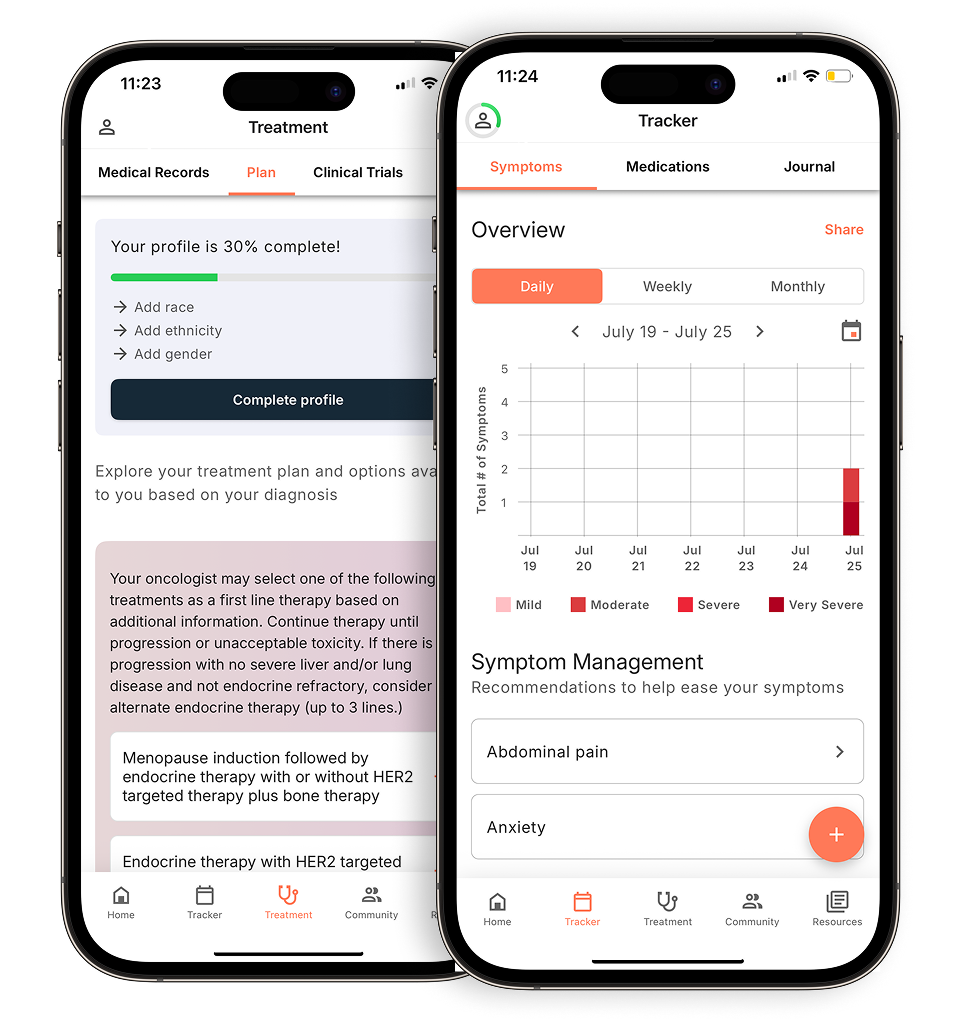
Keeping all your health information organized can feel overwhelming, but modern tools can make it much easier. Using an app or even a dedicated notebook helps you keep track of appointment dates, test results, and any symptoms or changes you notice between visits. It also gives you a place to jot down questions for your doctor so you don’t forget them in the moment. Understanding the medical terms and details of your own health record can help you feel more in control of your care. The Outcomes4Me app is designed to help you manage this information, providing personalized resources and making it simpler to be an active participant in your health plan.
Related Articles
- Symptoms, Signs & Pictures of Inflammatory Breast Cancer in Early Stages
- Can a Mammogram Be Abnormal Without Cancer? | Outcomes4Me Community
- Found a New Lump After Breast Cancer Treatment: Seeking Experiences | Outcomes4Me Community
- Lump Detected in Armpit After Breast Cancer Surgery: Cause for Concern? | Outcomes4Me Community
View your personalized treatment plan in the Outcomes4Me app
Use your diagnosis to unlock personalized NCCN Guidelines®-aligned recommendations.
Frequently Asked Questions
I have one of these symptoms, like skin redness or nipple discharge. Should I panic? It’s completely normal to feel concerned when you notice a change in your body, but the goal is to be proactive, not panicked. Many of these symptoms can be caused by completely benign conditions, like a skin infection, hormonal shifts, or a cyst. The most important thing is not to ignore it or try to diagnose it yourself. Think of the symptom as a signal to schedule a conversation with your doctor so you can get a clear and accurate answer about what’s going on.
My recent mammogram was normal, but I’m still noticing changes in my breast. What should I do? You should absolutely go back to your doctor. While mammograms are the best screening tool we have, they are not perfect and can sometimes miss things, especially in women with dense breast tissue. You are the number one expert on your own body. If you see or feel a persistent change—even if a screening came back clear—you should trust your gut. Your doctor needs to know about any new or ongoing symptoms to get a full picture of your health.
How can I tell the difference between normal breast pain and something more serious? This is a great question, as most breast pain is not related to cancer. Pain tied to your menstrual cycle usually feels like a general tenderness or dull ache in both breasts and it comes and goes in a predictable pattern. A more concerning pain is one that is constant, doesn’t seem to follow your cycle, and is located in one specific spot. The bottom line is that any new pain that sticks around for more than a couple of weeks is worth bringing up with your doctor.
What exactly does it mean to have ‘dense breasts,’ and how does that affect my screening plan? Having dense breasts simply means you have more fibrous and glandular tissue compared to fatty tissue. It’s very common and is not something you can control. On a mammogram, this dense tissue can appear white, which can sometimes hide or camouflage potential tumors that also appear white. This doesn’t mean mammograms aren’t useful, but it does mean you should talk with your doctor about creating a more personalized screening plan, which might include supplemental tests like a breast ultrasound or MRI.
Is it possible for these non-lump symptoms to be caused by something other than cancer? Yes, absolutely. In fact, most of the time these symptoms are caused by something else entirely. Skin changes could be an infection or rash, nipple discharge can be related to hormonal issues, and swelling can be caused by an injury or cyst. The purpose of knowing these signs isn’t to assume the worst, but to empower you to know when something needs to be evaluated by a professional. Getting it checked out is the only way to know the cause for sure and get the right treatment if you need it.