Cancer survivorship often comes with ongoing challenges, including sleep problems, fatigue, anxiety, and low mood. A study presented at the 2026 ASCO Annual Meeting adds strong evidence that a simple, structured yoga program may help ease many of these symptoms in a meaningful way.
These findings are especially relevant for people living after ovarian and other gynecologic cancers, where recovery is often complicated by both physical and emotional side effects.
Why this matters for cancer survivors
Up to 95% of cancer survivors experience sleep disturbances or insomnia during or after treatment. More than half also report fatigue, anxiety, or mood changes that can linger long after therapy ends.
These symptoms aren’t just uncomfortable; they can affect daily functioning, relationships, and overall quality of life. That’s why supportive care approaches that are safe, accessible, and effective are so important in survivorship care.
A yoga program with measurable benefits
The study evaluated a structured program called YOCAS (Yoga for Cancer Survivors), which combines:
- Gentle hatha yoga poses (slow, supported movements focused on breathing and alignment)
- Restorative yoga (fully supported, relaxing positions using cushions or props)
- Breathing exercises
- Mindfulness practices
Participants were randomly assigned to either standard survivorship care or standard care plus the four-week yoga program. Those in the yoga group attended two 75-minute classes per week and also practiced at home.
Meaningful improvements in sleep, mood, and fatigue
After just four weeks, participants in the yoga group experienced clear benefits compared to those receiving standard care alone:
- Better overall mood, with significantly reduced mood disturbance
- Less anxiety, with measurable improvements on standardized mood scales
- Reduced fatigue, including meaningful decreases in cancer-related tiredness
Researchers found that better mood and lower fatigue helped explain about half of the improvement in insomnia symptoms, suggesting these effects work together to improve sleep. In other words, when survivors felt less anxious and less exhausted, they also slept better.
Why this is especially relevant in ovarian cancer
While most participants in this study were breast cancer survivors, the findings extend across cancer types, especially gynecologic cancers, where fatigue, sleep disruption, and emotional distress are also common during recovery.
This update builds on earlier research showing that yoga is beneficial for people with gynecologic cancers. Prior research has already suggested improvements in quality of life, stress reduction, and sleep outcomes. This new randomized trial strengthens that evidence by showing:
- Benefits can be seen in as little as 4 weeks
- Improvements are measurable using validated clinical tools
- A structured, gentle program can address multiple symptoms at once
Together, this reinforces yoga not as an “alternative,” but as a supportive care strategy backed by clinical research.
What this means for you
For ovarian cancer survivors and others in gynecologic cancer recovery, this research adds to a growing message: supportive care matters. Yoga serves as an effective way to help survivors feel more like themselves. Recovery after ovarian cancer is not only about being cancer-free, it’s also about rebuilding energy, restoring sleep, and supporting emotional health.
Looking for more information? Access trusted educational resources designed to help you navigate ovarian cancer treatment.
Personalized support for real care decisions
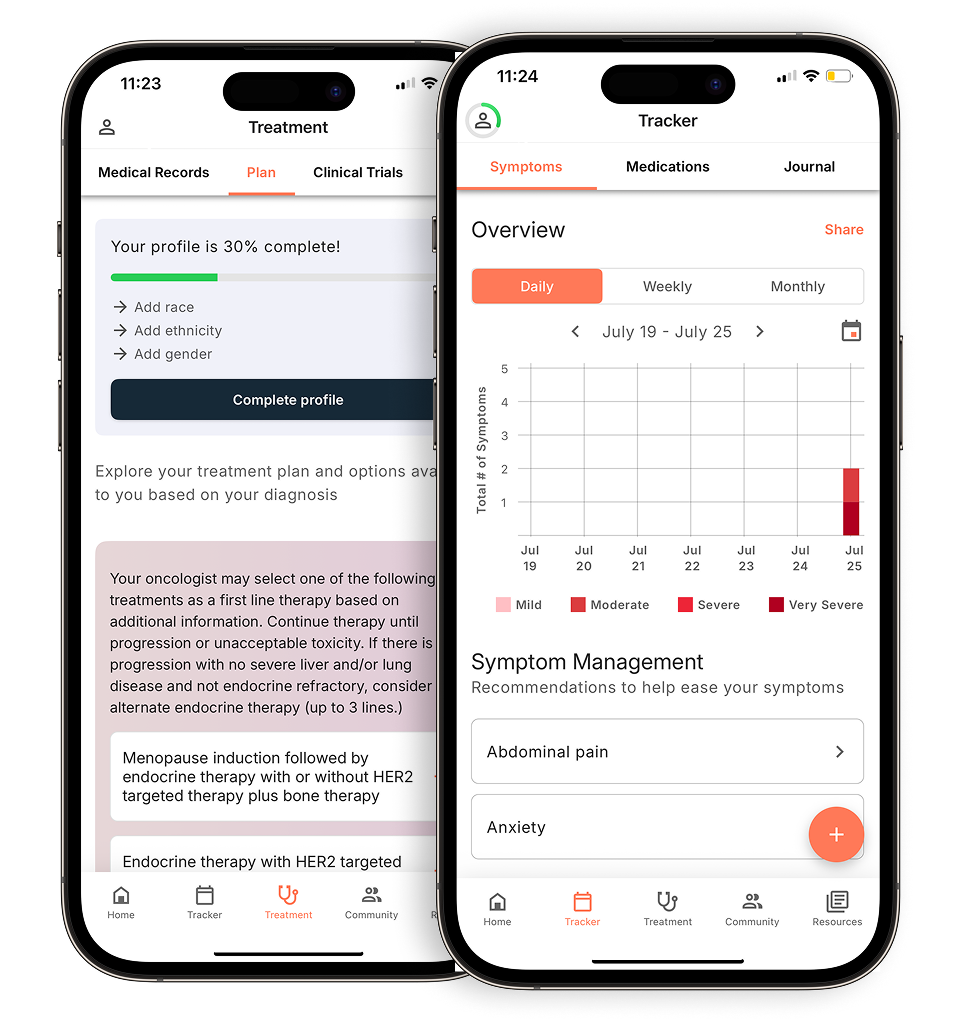
Understand your diagnosis, explore clinical trials, and track symptoms--all in one place.
Get started
Compare treatments, prepare for appointments, and track side effects—all in the app
Built for your diagnosis, Outcomes4Me gives you the tools to make confident, informed decisions—right when you need them.
Continue in app