The Galleri test reduced stage IV cancer diagnoses by 26% in the third screening round of the NHS-Galleri trial
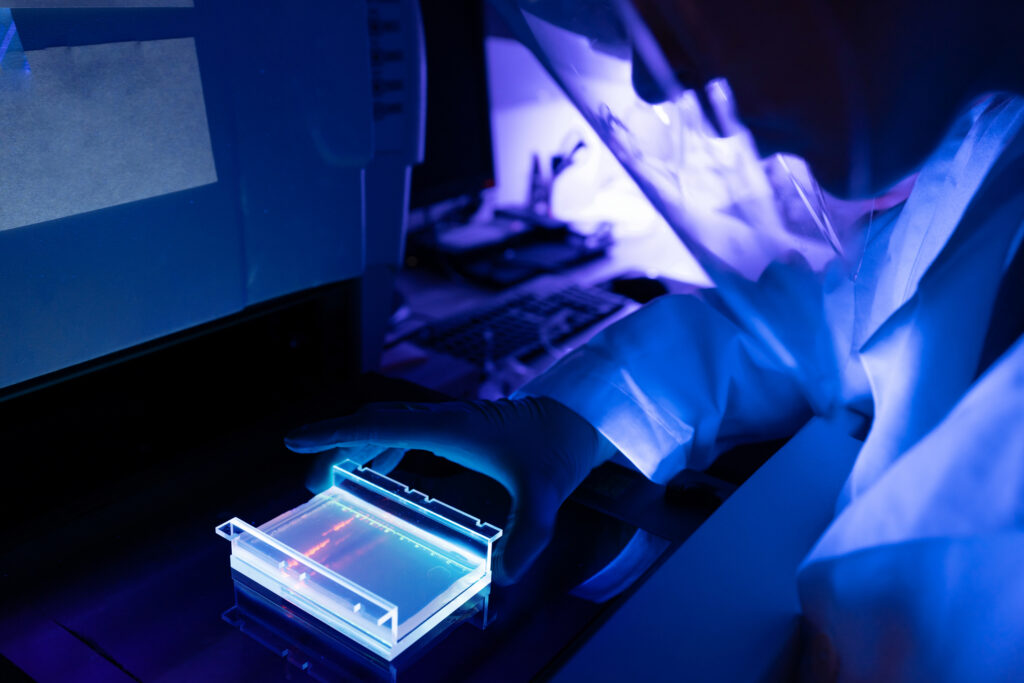
Presented at the 2026 ASCO Annual Meeting, full results from the NHS-Galleri trial showed that Stage IV diagnoses fell by 22% in the second screening round and 26% in the third across 12 high-mortality cancers (including ovarian cancer). This “stage shift,” catching cancer earlier when treatment is more effective and survival rates are higher, is exactly what multi-cancer early detection (MCED) testing is designed to achieve. If you want to understand how blood-based tests like this one work, the science behind them is rapidly evolving.
The trial missed its primary aggregate endpoint, which is an important caveat worth acknowledging; however, the Galleri test accuracy in specific high-mortality cancers was meaningful. Compared to standard care alone, Galleri testing produced a four-fold increase in screen-detected cancers: 1,173 versus 290 in the control group. Those numbers point to a test with real-world impact at population scale. The emerging data from the companion Pathfinder 2 study adds even more depth to that picture.
Pathfinder 2 results confirm high accuracy in locating cancer origin
Beyond the NHS trial discussed at ASCO 2026, the Galleri test results from the PATHFINDER 2 study, which enrolled more than 35,000 participants, reinforce a critical capability: knowing where cancer is. The test correctly identified the Cancer Signal Origin (CSO) with 92.5% accuracy when the top two probable sites were considered. That matters enormously. Patients’ providers who receive a positive signal can direct patients toward targeted follow-up imaging rather than undergoing lengthy, stressful diagnostic workups that can delay treatment and exhaust both patients and providers.
The MCED test also detects cancers such as pancreatic and ovarian that currently lack standard population screening. That’s a gap that evidence-based treatment guidelines have long struggled to address without better upstream detection tools.
Understanding these results is the first step but what patients do with them next is equally important.
Navigating your results: Integrating MCED data into personalized care
The NHS-Galleri trial and ASCO 2026 data mark a turning point, but a positive screening result is the beginning of a conversation with your care team, not a standalone diagnosis. To make the most of MCED data, results need to be contextualized within your full medical history and aligned with evidence-based standards such as the NCCN Guidelines, which represent the latest, science-backed treatment approaches. When you discuss Galleri findings with your provider, come prepared with questions about next diagnostic steps, imaging, and whether any clinical trial options apply to your situation.
Early detection technologies are becoming more accessible, and that shift matters. As multi-cancer screening moves closer to standard care, tools that translate complex clinical findings into actionable treatment insight help ensure that every patient can act on what the science is telling them.
Personalized support for real care decisions
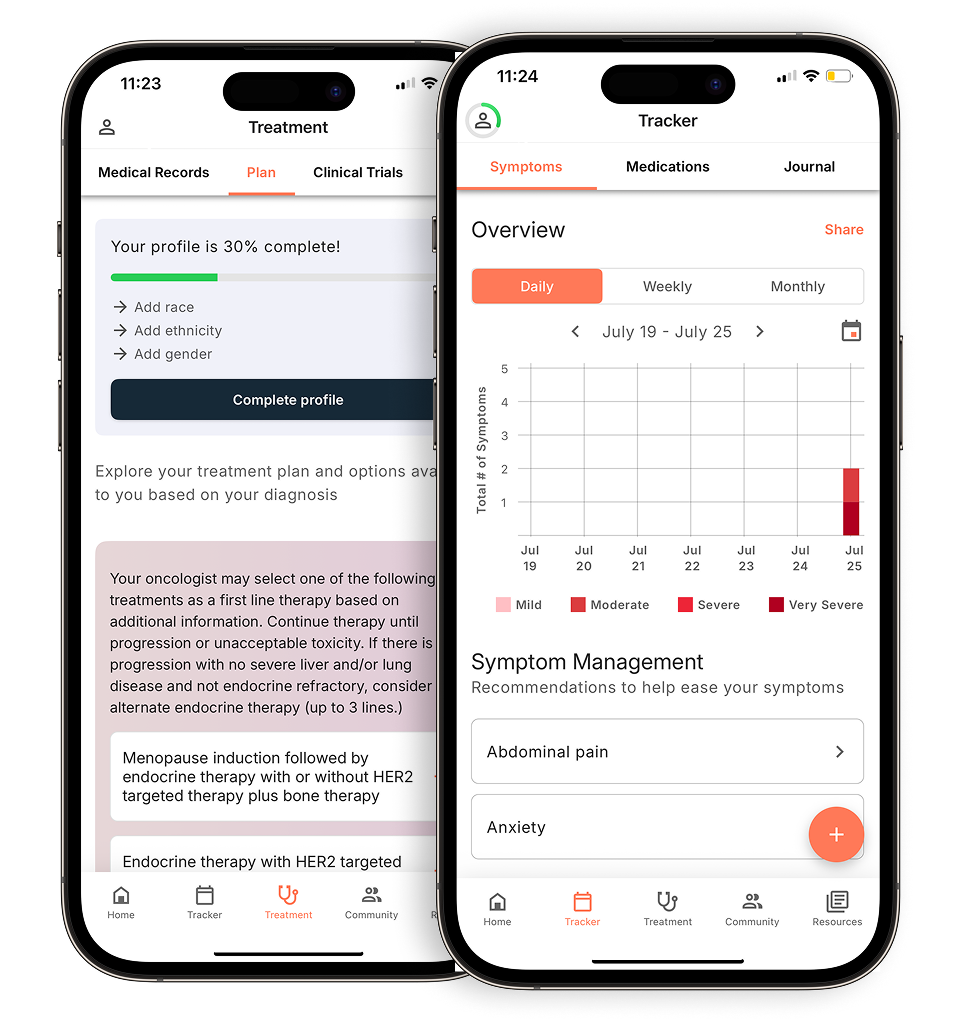
Understand your diagnosis, explore clinical trials, and track symptoms--all in one place.
Get started
Compare treatments, prepare for appointments, and track side effects—all in the app
Built for your diagnosis, Outcomes4Me gives you the tools to make confident, informed decisions—right when you need them.
Continue in app