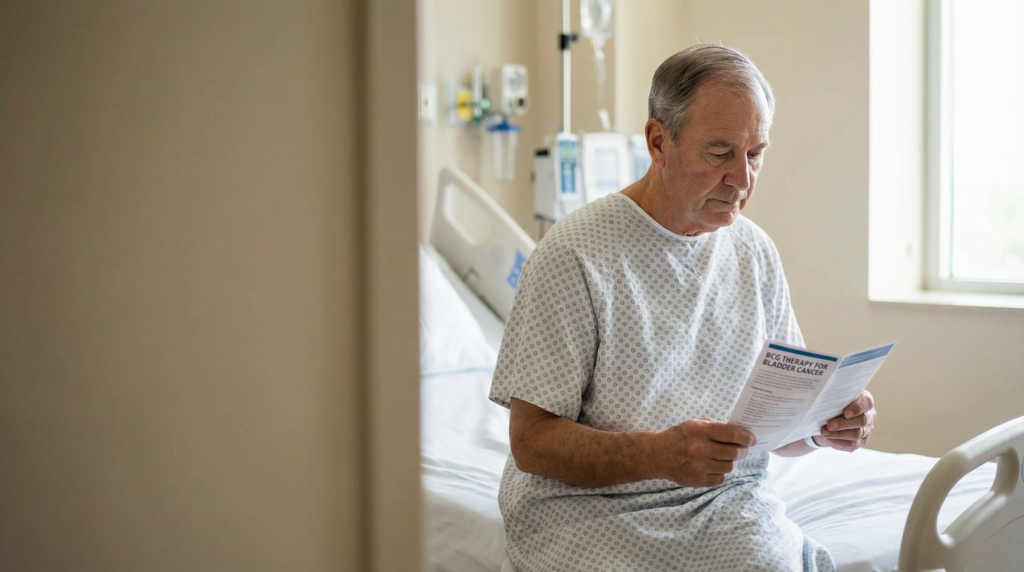
BCG stands for Bacillus Calmette-Guérin, a weakened form of the bacteria that causes tuberculosis. When used for bladder cancer, it’s an immunotherapy delivered directly into the bladder, where it activates your immune system to recognize and attack cancer cells. It’s been used in urology for decades, and urinary oncologists and urologists regularly turn to it as a first-line option because of its proven ability to reduce recurrence in non-muscle-invasive bladder cancer (NIMBC).
Whether you’ve just been referred for treatment or are trying to understand what lies ahead, this guide walks you through what other patients have experienced before, during, and after BCG, so you can feel prepared prior to treatment begins.
How your team will administer BCG
BCG is delivered through a process called intravesical instillation, a term that simply means placing the medication directly inside the bladder. Your provider will insert a small catheter (a thin, flexible tube) through the urethra and gently guide the liquid BCG solution into your bladder. You’ll then hold the solution in your bladder for about one to two hours before urinating it out. No surgery. No needles. Just a brief in-office procedure.
What’s the ongoing treatment schedule for BCG?
BCG therapy typically follows a structured timeline. Most patients start with an induction phase, which encompasses one treatment per week for six consecutive weeks. After that, many providers recommend a maintenance phase, where treatments continue at regular intervals over one to three years. This extended schedule is intentional; research supports that sustained immune stimulation significantly improves outcomes.
Pre-treatment consultations and tests
Before your first BCG appointment, your provider will likely review your recent cystoscopy results and pathology report to confirm your diagnosis and assess factors like bladder tumor size, which can influence your treatment plan and how closely you’ll be monitored. You may also have a urine culture to rule out an active urinary tract infection. This is because you can’t receive BCG therapy if you have an active infection, since BCG involves introducing a live bacterial agent directly into the bladder.
Evidence-based guidance powered by NCCN Guidelines®
Personalized treatment plans shaped by the latest oncology standards—tailored to your diagnosis.
Get started
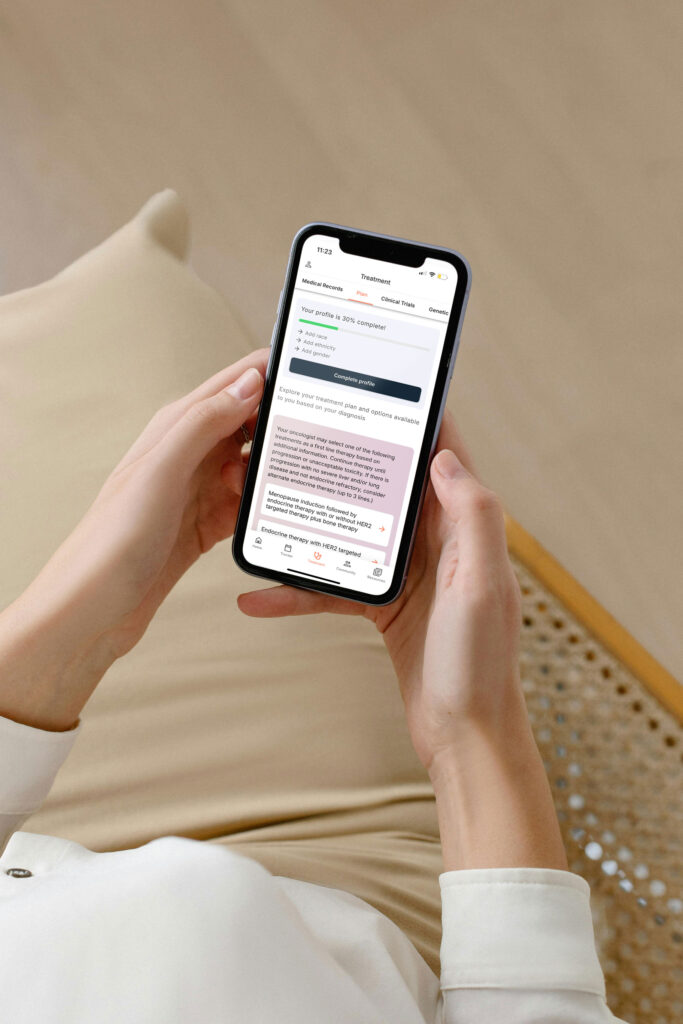
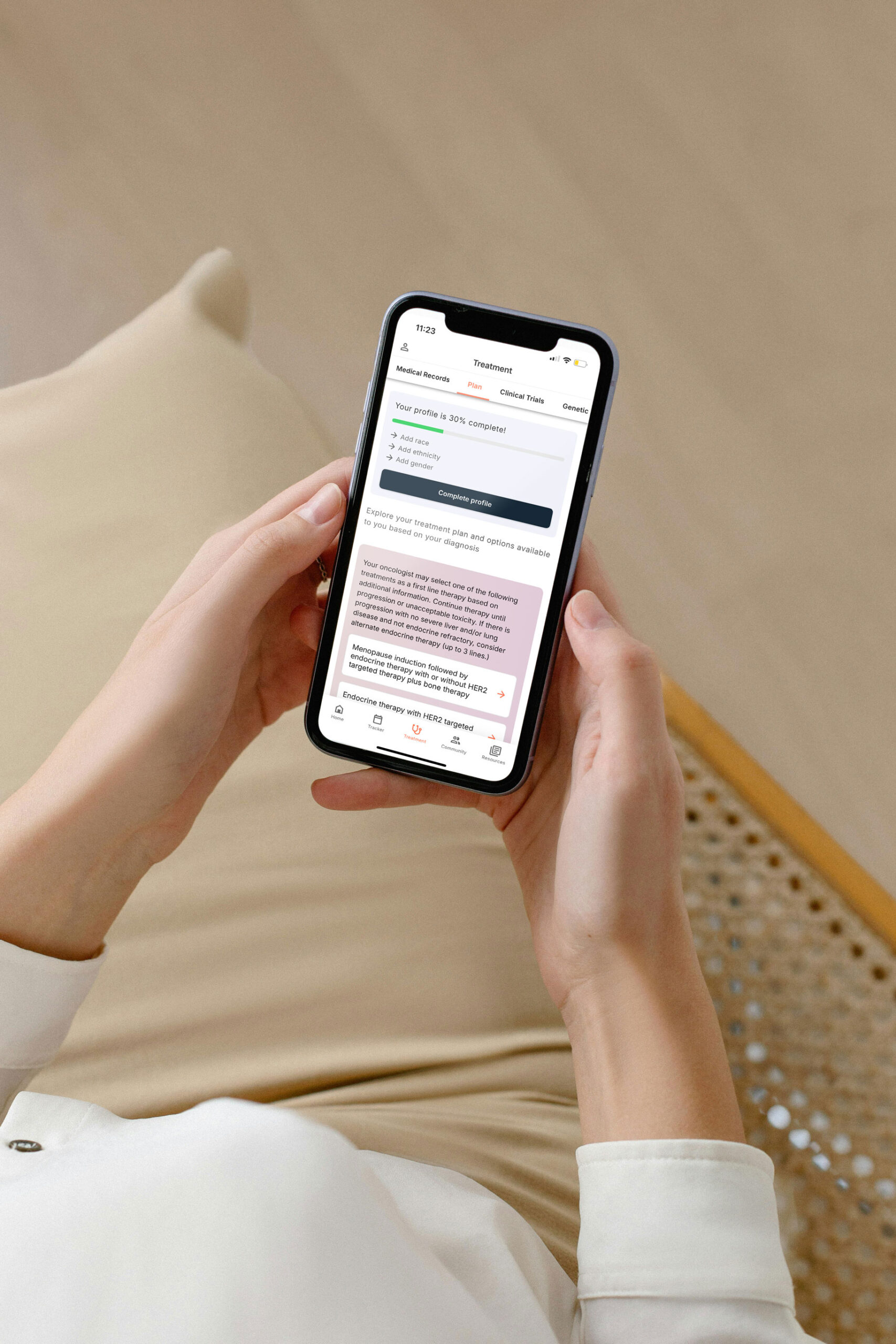
View your personalized treatment plan in the Outcomes4Me app
Use your diagnosis to unlock personalized NCCN Guidelines®-aligned recommendations.
Continue in app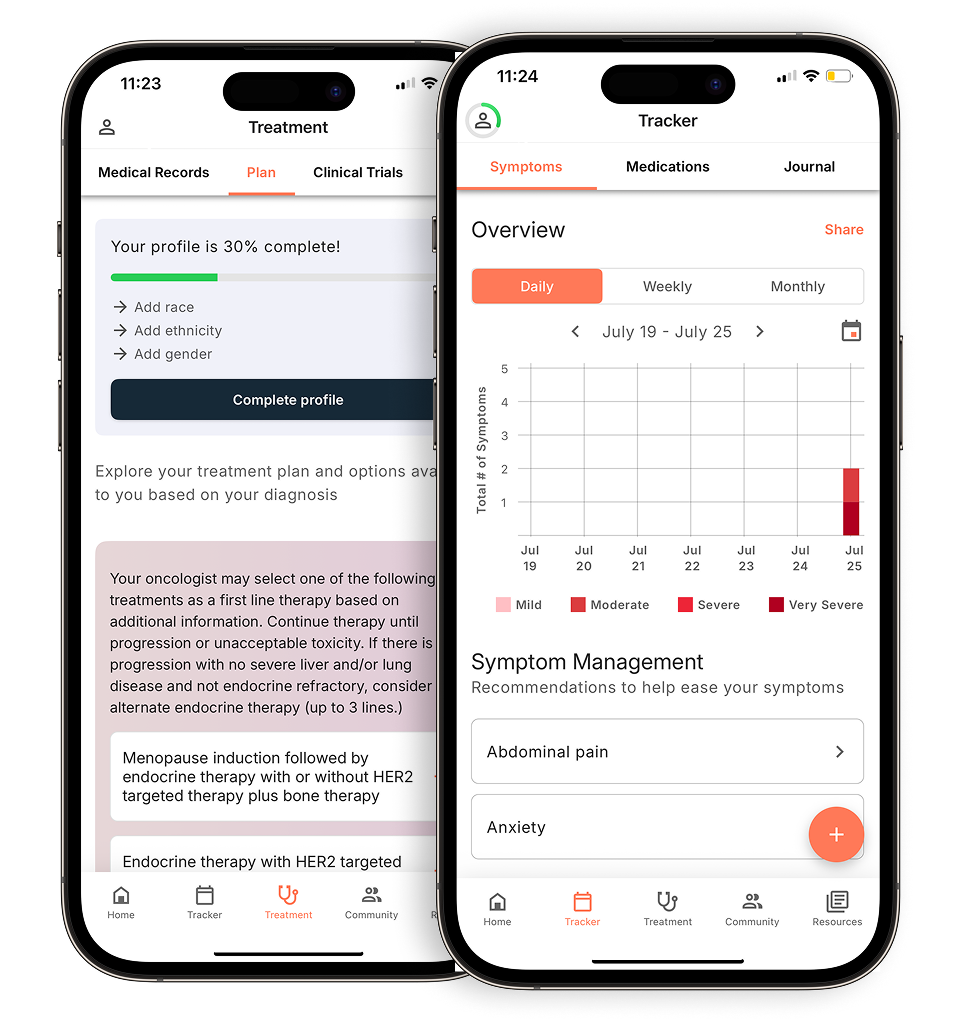
According to the Bladder Cancer Advocacy Network, your provider will also discuss your full medical history to identify any contraindications, such as a compromised immune system or active TB exposure.
Lifestyle adjustments to make beforehand
Providers recommends a few practical steps in the days before each treatment:
- Avoid antibiotics unless specifically prescribed, as they can reduce BCG’s effectiveness
- Limit fluids for a few hours before your appointment to keep the BCG concentrated in your bladder
- Plan your schedule as you’ll need to hold the treatment in your bladder for up to two hours
Addressing your concerns
It’s completely normal to have questions about what BCG therapy will feel like and whether it will work. Many patients find it helpful to connect with others who’ve been there before starting. Being prepared with the right information is one of the most powerful steps you can take toward feeling confident in your care.
Safety precautions after each session
Because BCG is a live bacterial agent, there are important precautions to take when you use the bathroom after treatment. For six hours after each session, you should add a small amount of bleach to the toilet after BCG urination, typically about two cups, and let it sit for 15 minutes before flushing. Then wash your hands thoroughly. This helps neutralize the live bacteria and protects others in your household, according to guidance from Memorial Sloan Kettering Cancer Center.
Managing BCG treatment side effects
Side effects are one of the biggest concerns patients have when setting BCG treatment start expectations. The good news is that most side effects are manageable, and knowing what’s normal helps you feel more in control.
Common side effects to watch for include:
The most frequently reported side effects are related to the urinary tract. You may experience:
Cancer care guidance for every step of your journey
Get treatment options, clinical trials, and support tailored to your diagnosis--all in one place.
Get started
See treatment options, manage symptoms, and stay informed—all in the app
View treatment options and trials personalized to your diagnosis—plus track progress in real time.
Continue in app- Bladder irritation — a burning sensation or urgency when urinating
- Increased frequency — needing to urinate more often than usual, sometimes for a day or two after each treatment
- Fatigue — feeling more tired than normal
- Mild flu-like symptoms — low-grade fever, body aches, or chills
Tips for easing discomfort
- Drink plenty of water to flush the bladder after treatment
- Avoid caffeine and alcohol, which can irritate the bladder further
- Take over-the-counter pain relievers as your provider recommends
- Rest when fatigue hits — your body is responding to an active immune process
Contact your provider right away if you develop a high fever (above 101.5°F), severe pain, blood in your urine, or symptoms that last more than 72 hours as these may signal an infection requiring prompt attention.
Long-term monitoring
Serious long-term side effects are uncommon, but your care team will monitor you closely throughout treatment.
Completing a round of BCG treatment is a significant milestone but what happens next matters just as much as the treatment itself. The weeks and months following therapy are a critical window for monitoring your response and protecting your progress.
What recovery looks like
Mild side effects like urinary discomfort and fatigue typically ease within a few days after your final instillation. Most patients feel back to their usual routine within a week. That said, everyone’s body responds differently, so don’t be discouraged if your recovery takes a little longer.
After completing treatment, regular follow-up is essential. Your provider will likely schedule:
- Cystoscopy (a camera examination of the bladder) every three to six months
- Urine cytology tests to check for abnormal cells
- Periodic imaging if needed
Evaluating the effectiveness of BCG treatment
Once you’ve completed the induction phase and moved through maintenance cycles, a natural question emerges: Is it working? Understanding how your provider will measure success can help you feel more grounded and prepared as you continue through care.
Treatment success is typically defined by the absence of cancer recurrence at follow-up cystoscopies. If no new or returning tumors are detected, BCG is considered to be doing its job. According to Bladder Cancer Advocacy Network, BCG is effective in approximately 70% of patients with high-grade NMIBC, significantly reducing recurrence and lowering the risk of progression to more advanced disease.
Several factors influence outcomes, including tumor grade, stage, and how consistently you complete the full duration of BCG treatment. Partial or missed courses can reduce effectiveness, which is why your BCG treatment start expectations should include a commitment to completing the full regimen whenever possible.
If cancer does recur after BCG, it doesn’t mean all options are exhausted. Your provider may recommend a second round of BCG, a different intravesical therapy, or in some cases a surgical evaluation. Recurrence doesn’t always mean progression; many patients successfully manage bladder cancer long-term with close monitoring and adjusted treatment plans. That said, BCG therapy isn’t the right fit for everyone, which is worth exploring further.
Limitations and considerations of BCG therapy
BCG may not be recommended if you:
- Have an active urinary tract infection or tuberculosis
- Recently had a traumatic catheterization or bladder biopsy (typically, providers wait at least two weeks)
- Have a compromised immune system, such as from HIV or immunosuppressive medications
- Are pregnant or breastfeeding
When BCG isn’t tolerated or stops working, a situation known as BCG-unresponsive disease, alternatives exist. These may include other intravesical options worth exploring, such as gemcitabine combinations, immunotherapy, or in more advanced cases, bladder-preserving or surgical approaches your care team may discuss.
No single treatment path fits every patient.
Is BCG therapy right for you?
Here’s what matters most:
- Preparation reduces anxiety. Knowing the induction schedule, hydration guidelines, and common side effects helps you feel in control from day one.
- Monitoring drives outcomes. Regular cystoscopies and follow-up imaging help your provider catch recurrence early and assess whether a second round of BCG treatment may be warranted.
- Criteria for BCG failure exist for a reason. If the cancer persists or returns despite treatment, your care team has clear benchmarks to guide next steps — including alternative paths forward.
- Communication is everything. Honest, ongoing conversations with your provider about side effects, concerns, and response to treatment are what make care truly personalized.
The Outcomes4Me app can help you track symptoms, prepare questions, and stay informed at every stage of your care — because you deserve to feel supported, not just treated.
Personalized support for real care decisions
Understand your diagnosis, explore clinical trials, and track symptoms--all in one place.
Get started
Compare treatments, prepare for appointments, and track side effects—all in the app
Built for your diagnosis, Outcomes4Me gives you the tools to make confident, informed decisions—right when you need them.
Continue in app