Being told you have cancer and then being told to “wait” instead of immediately acting to remove it can feel like a contradiction. But for many people living with chronic lymphocytic leukemia (CLL), active surveillance is one of the most evidence-based, clinically sound approaches available.
CLL is one of the slowest-progressing blood cancers. Because it often advances gradually over years, starting chemotherapy or targeted therapy before symptoms develop can expose you to serious side effects without delivering any meaningful benefit. Your care team is choosing precision. The treatment that matters most, at the right moment, is more effective than early intervention that your body doesn’t yet need.
The medical term for this phase is active surveillance, and the word “active” is doing real work there. This isn’t ”watch and wait” in the passive sense. It’s a structured clinical protocol involving regular blood work, physical exams, and careful tracking of your white cell counts, lymph node changes, and overall health. Monitoring data becomes your most important clinical tool right now, and that your engagement matters too.
The hardest part is often psychological. Knowing you have cancer while not pursuing aggressive treatment challenges the instinct to fight. That discomfort is valid. But research supports this path: approximately 30% of patients diagnosed with CLL will never need aggressive treatment and remain in the active surveillance phase indefinitely because treatment proves to be unnecessary.
When you’re under active surveillance, you may still want to do something. In this article, we explore how lifestyle changes and adjustments can work alongside your CLL monitoring plan.
The CLL diet: separating myths from clinical recommendations
No single superfood cures CLL, but what you eat during active surveillance can shape how well your body manages the disease and tolerates future treatment. A diet focused on reducing systemic inflammation can protect long-term health.
This means following a Mediterranean-style approach for patients with CLL. Fill your plate with:
Evidence-based guidance powered by NCCN Guidelines®
Personalized treatment plans shaped by the latest oncology standards—tailored to your diagnosis.
Get started
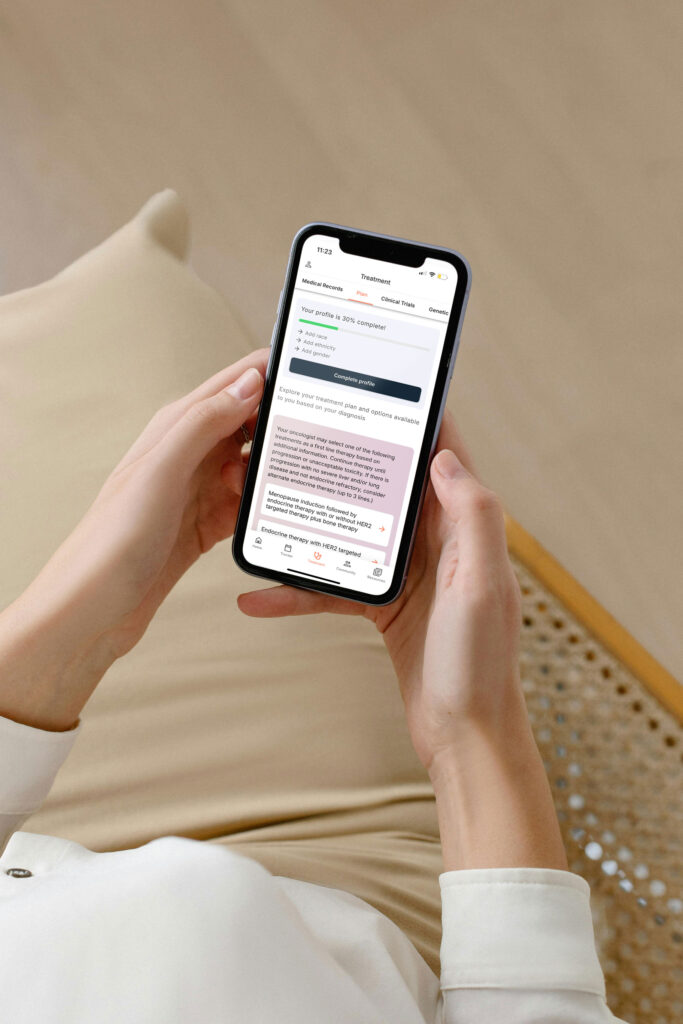
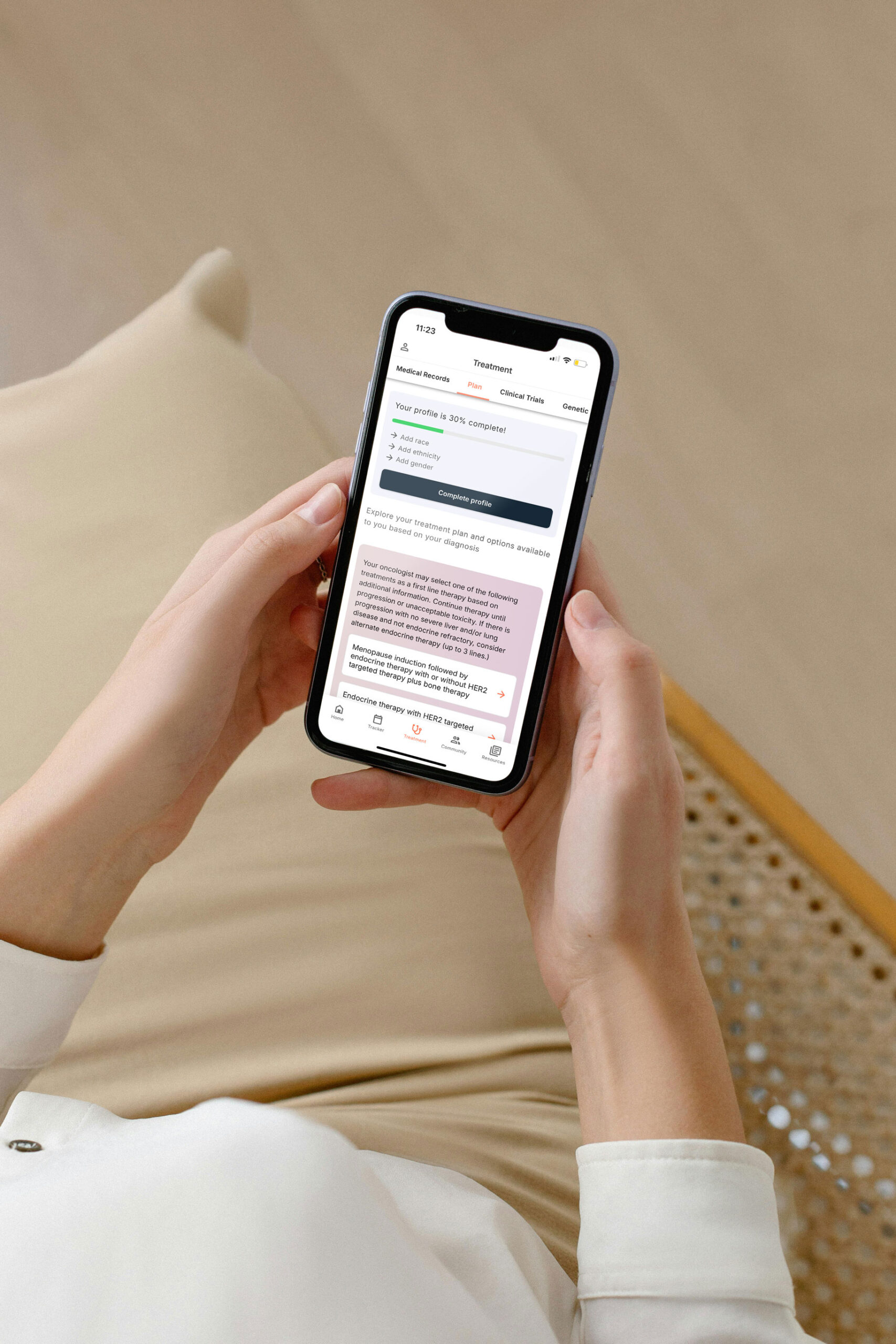
View your personalized treatment plan in the Outcomes4Me app
Use your diagnosis to unlock personalized NCCN Guidelines®-aligned recommendations.
Continue in app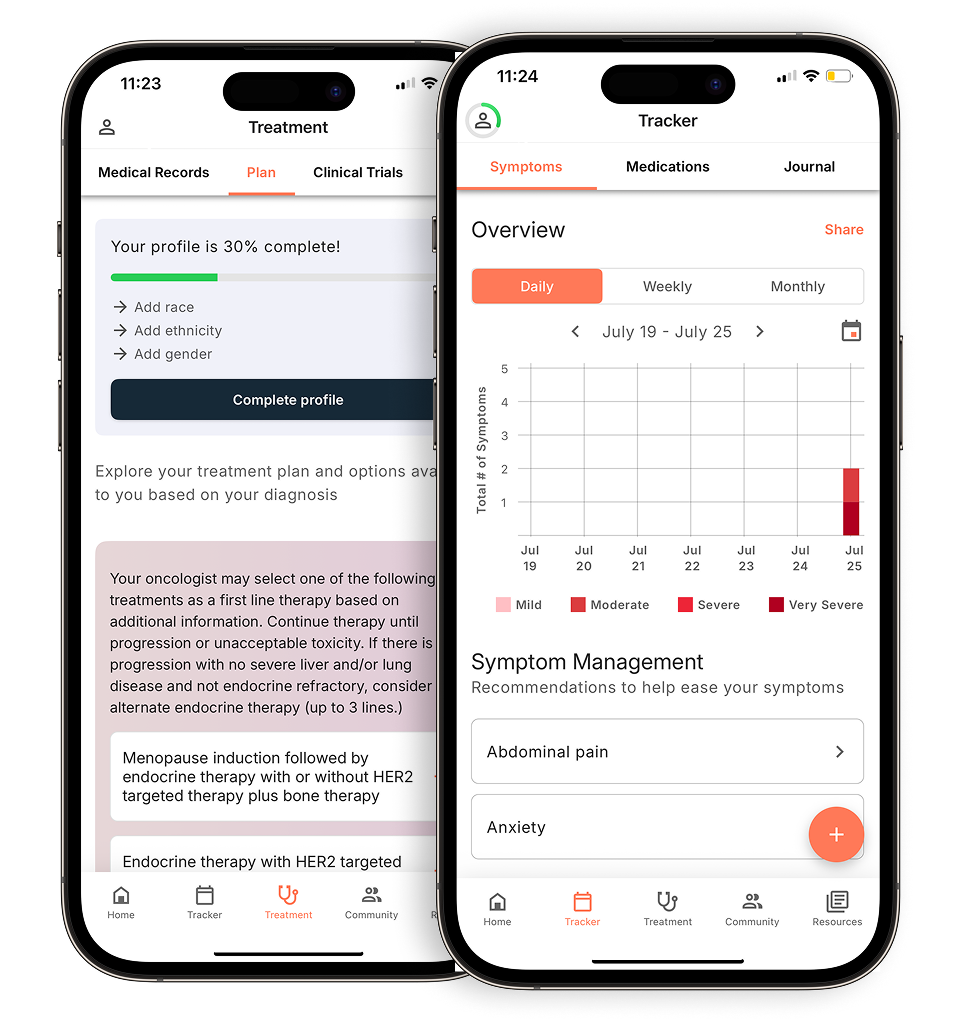
- Fruits and vegetables: particularly leafy greens, berries, and cruciferous vegetables rich in antioxidants
- Whole grains: oats, quinoa, and brown rice over refined carbohydrates
- Lean proteins: fish, legumes, and poultry rather than processed red meats
- Healthy fats: olive oil, avocado, and nuts to support cardiovascular health
- Adequate hydration: water remains the most underrated tool for maintaining kidney function and energy levels
This approach matters because many patients with CLL also manage comorbidities such as hypertension, diabetes, or cardiovascular disease. Keeping those conditions stable helps ensure you’re in the best possible position when and if treatment becomes necessary. Maintaining a healthy BMI is part of that same equation; research links excess weight to poorer treatment tolerance across multiple cancer types.
Myth: Certain supplements or “detox” diets can eliminate cancer cells.
Fact: No supplement regimen has been shown to treat or reverse CLL. Some supplements, particularly high-dose antioxidants, may even interfere with future therapies. Always consult your care team before adding anything new.
One often-overlooked consideration during ”watch and wait” is food safety. If your white cell counts fluctuate, your immune function may already be compromised even without aggressive treatment. Neutropenic precautions (avoiding undercooked meats, unwashed produce, and unpasteurized dairy) reduce infection risk during this phase.
That immune vulnerability connects directly to another critical pillar of proactive CLL management: understanding which vaccines you need and when to get them, especially before treatment begins.
Immune vigilance: the critical role of CLL vaccination guidelines
Protecting a compromised immune system is one of the most concrete, actionable things you can do during active surveillance, and it starts with understanding why CLL makes you vulnerable from day one.
Even in the earliest stages, CLL disrupts B-cell function. Because CLL is a B-cell malignancy, the disease crowds out healthy B-cells responsible for producing antibodies. The result: your immune response to infections weakens well before you’d ever consider treatment.
The ‘watch and wait window is, in fact, the ideal time to vaccinate because once treatment begins, certain therapies can further suppress immune response, reducing how effectively your body builds protection. Timing matters. Recommended non-live vaccines for people with CLL typically include:
- Influenza (flu): annually, ahead of flu season
- Pneumococcal (pneumonia): both PCV15/PCV20 and PPSV23, per your provider’s guidance
- Recombinant shingles (Shingrix): two doses, non-live formulation (live vaccines like the older shingles shot are contraindicated)
Live vaccines are generally avoided in immunocompromised patients, so always confirm the formulation with your care team before scheduling.
Cancer care guidance for every step of your journey
Get treatment options, clinical trials, and support tailored to your diagnosis--all in one place.
Get started
See treatment options, manage symptoms, and stay informed—all in the app
View treatment options and trials personalized to your diagnosis—plus track progress in real time.
Continue in appOne often-overlooked tactic is household immunity, which includes encouraging caregivers and close family members to stay current on their own vaccinations. If the people around you aren’t carrying preventable illnesses, your risk of exposure drops significantly. Just as CLL diet recommendations focus on reducing systemic inflammation and supporting overall resilience, vaccination strategy is about stacking protective layers wherever possible.
Physical health doesn’t stop at what you eat or how you vaccinate, of course. How you move matters too, which is where managing CLL-related fatigue becomes the next critical conversation.
Physical activity as a tool for fatigue management
Fatigue is one of the most common symptoms of early-stage CLL, affecting patients well before any treatment begins. It’s a persistent, sometimes bone-deep exhaustion that can quietly erode your quality of life during active surveillance. One of the most evidence-backed lifestyle changes after a CLL diagnosis is making structured movement a regular part of your routine.
Regular aerobic and resistance training is clinically shown to reduce cancer-related fatigue and improve physical function in CLL patients, according to the Mayo Clinic. Aerobic exercise such as brisk walking, cycling, or swimming supports cardiovascular health and sustains energy levels. Resistance training preserves muscle mass, which CLL can gradually deplete over time. Together, they form a complementary approach that addresses fatigue from multiple angles. The key is starting slow. Tracking your energy levels day to day, alongside your blood counts, helps you recognize patterns and adjust your activity accordingly without pushing past your limits.
The psychological benefits are equally significant. Exercise is a proven tool for managing anxiety, including the particular dread that builds around monitoring appointments, often referred to as “scanxiety.” Moving your body gives you a sense of agency when so much feels out of your control. It shifts your focus from what your blood work might show to what your body can actively do. That mental shift matters. As you’ll see in the next section, that same underlying immune vulnerability that makes fatigue management so important also opens the door to other health risks worth staying ahead of.
Secondary cancer prevention: why your dermatologist is now your best friend
CLL patients on ”watch and wait” face a silent but serious risk that goes beyond the disease itself: a significantly elevated chance of developing aggressive secondary skin cancers.
The immune system’s surveillance function, or its ability to detect and destroy abnormal skin cells before they become cancerous, is directly compromised by CLL. Because the disease disrupts normal B-cell function, your body is less equipped to catch early cellular mutations. Patients with CLL have a significantly higher risk of developing severe skin cancers, including both melanoma and non-melanoma types such as squamous cell carcinoma.
Annual full-body dermatologic exams are now a standard recommendation for CLL patients. A dermatologist trained in immunocompromised patients can identify suspicious lesions far earlier than a self-check alone.
Protective lifestyle changes matter just as much as screenings. Wearing UPF 50+ clothing, applying SPF 30 or higher sunscreen daily, and avoiding peak sun hours between 10a.m. and 4 p.m. all reduce your cumulative UV exposure, and in turn lowers skin cancer risk when your immune defenses are already stretched.
The next section brings together every proactive step covered so far into a practical checklist you can take directly to your care team.
The bottom line: your active surveillance checklist
Active surveillance for CLL is only as effective as the habits and systems you build around it. Here’s a distilled checklist to carry forward into every hematology appointment.
Prioritize non-live vaccinations. A compromised immune system is one of CLL’s earliest and most persistent challenges. Talk to your care team about updated pneumococcal, influenza, and shingles (recombinant) vaccines before your immune function declines further. Timing matters, and your hematologist can advise on the optimal window.
Schedule annual dermatology screenings. As covered earlier, CLL patients face a meaningfully elevated risk of secondary skin cancers. A yearly full-body skin check is necessary.
Adopt a plant-forward diet and consistent movement. Both help manage fatigue, support cardiovascular health, and reduce comorbidity risk. You don’t need a perfect regimen; you need a sustainable one.
Join the Outcomes4Me Community to connect with other patients who are currently navigating CLL active surveillance.
Personalized support for real care decisions
Understand your diagnosis, explore clinical trials, and track symptoms--all in one place.
Get started
Compare treatments, prepare for appointments, and track side effects—all in the app
Built for your diagnosis, Outcomes4Me gives you the tools to make confident, informed decisions—right when you need them.
Continue in app