Endometrial cancer begins in the lining of the uterus (the endometrium) and is the most common gynecologic cancer in the United States. While many people think of it as a single disease, doctors broadly divide it into two categories: Type 1 and Type 2. These types behave differently, respond to treatment differently, and carry different risks.
Type 1
Type 1 is the most common form and accounts for the majority of cases. These cancers are often linked to excess estrogen exposure and frequently develop in the setting of endometrial hyperplasia.
They tend to:
- Grow more slowly
- Be diagnosed at an earlier stage
- Appear more similar to normal endometrial cells under the microscope
- Be lower grade and lower risk
Abnormal vaginal bleeding, especially bleeding after menopause, is the most common symptom. Because this symptom often prompts early medical evaluation, many Type 1 cancers are detected before they spread beyond the uterus. Early-stage Type 1 cancers are often treated with surgery alone, and outcomes are generally favorable when caught early.
Type 2
Type 2 cancers are less common but more aggressive. Unlike Type 1 cancers, they’re not strongly associated with estrogen exposure. This category includes subtypes such as serous carcinoma and clear cell carcinoma. These tumors:
- Tend to grow more rapidly
- Are more likely to spread outside the uterus
- Often appear markedly abnormal under the microscope
- Are typically high grade
Even when the primary tumor is small, Type 2 cancers may already have spread. As a result, treatment often involves a combination of surgery, chemotherapy, and sometimes radiation therapy.
While the Type 1 versus Type 2 framework is helpful, it is a simplification. Modern pathology increasingly incorporates molecular testing to better understand tumor biology. For example, testing for mismatch repair deficiency or p53 abnormalities can provide additional insight into prognosis and may influence treatment decisions. Stage, grade, and molecular features all matter. Two patients with “endometrial cancer” may require very different treatment plans based on these factors, even within the same type.
Understanding your tumor’s type helps shape conversations about prognosis, recurrence risk, and follow-up care. It helps explain why one person may need surgery alone while another requires chemotherapy. Most importantly, it gives you clearer language to ask informed questions and participate actively in your care.
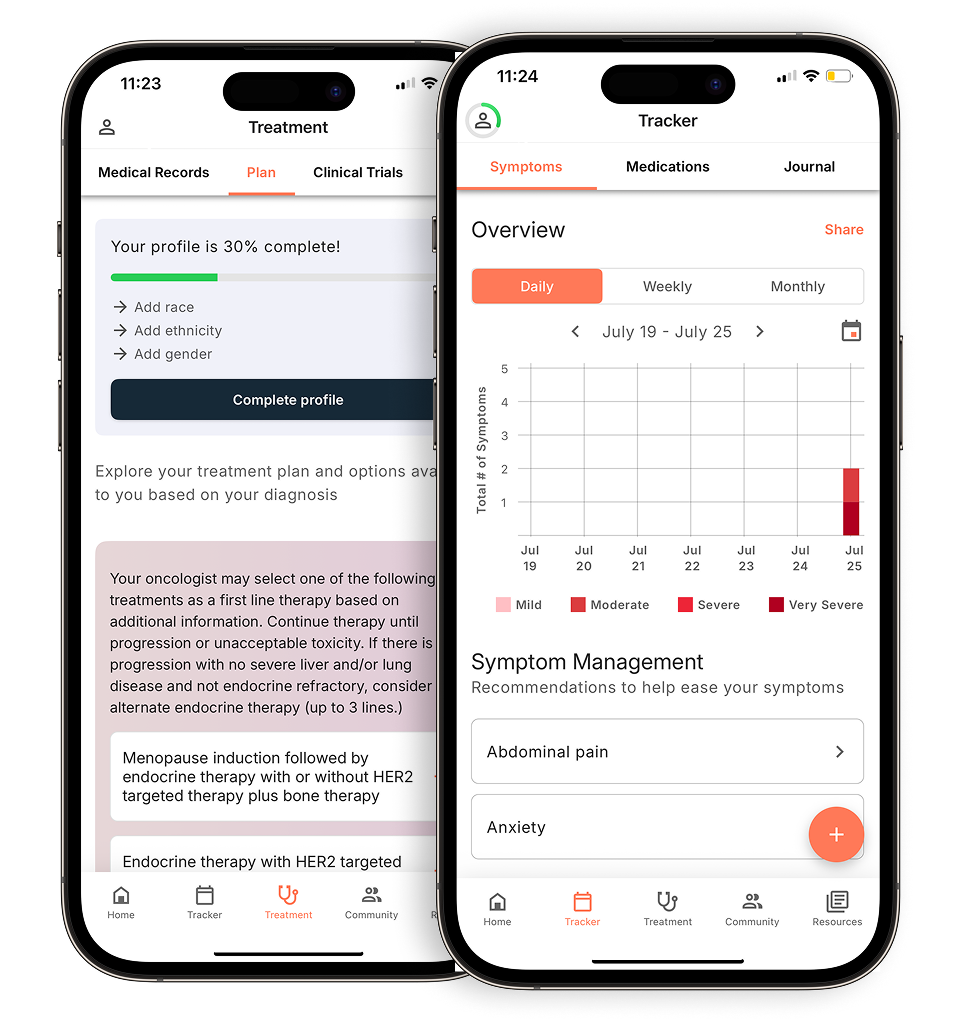
If you have been diagnosed with endometrial cancer, understanding your tumor’s type, grade, and stage is essential. The Outcomes4Me app provides personalized, evidence-based information tailored to your specific diagnosis, including treatment options and potential clinical trials.
Personalized support for real care decisions
Understand your diagnosis, explore clinical trials, and track symptoms--all in one place.
Get started
Compare treatments, prepare for appointments, and track side effects—all in the app
Built for your diagnosis, Outcomes4Me gives you the tools to make confident, informed decisions—right when you need them.
Continue in app