Eating fruits, vegetables, and whole grains is an essential part of a healthy diet. When a USC study linked higher intake of these foods to an increased chance of early-onset lung cancer, the headline was surprising. For many young non-smokers, lung cancer cases are already puzzling. No cigarettes. Clean diets. Active lifestyles. The idea that spinach and blueberries could somehow be working against them feels deeply counterintuitive.
Here’s the critical distinction researchers are pointing toward: it’s not the food itself that’s the problem. Foods high in fiber, like fruits and vegetables, are the foundation of a healthy diet. This data suggests that more research is needed to explore other environmental risk factors.
Inside the study: What the data actually says
The study focused specifically on early-onset lung cancer, which is defined as a diagnosis before the age of 50. Younger patients tend to have different risk profiles, lifestyle habits, and biological vulnerabilities than older populations.
Evidence-based guidance powered by NCCN Guidelines®
Personalized treatment plans shaped by the latest oncology standards—tailored to your diagnosis.
Get started
View your personalized treatment plan in the Outcomes4Me app
Use your diagnosis to unlock personalized NCCN Guidelines®-aligned recommendations.
Continue in app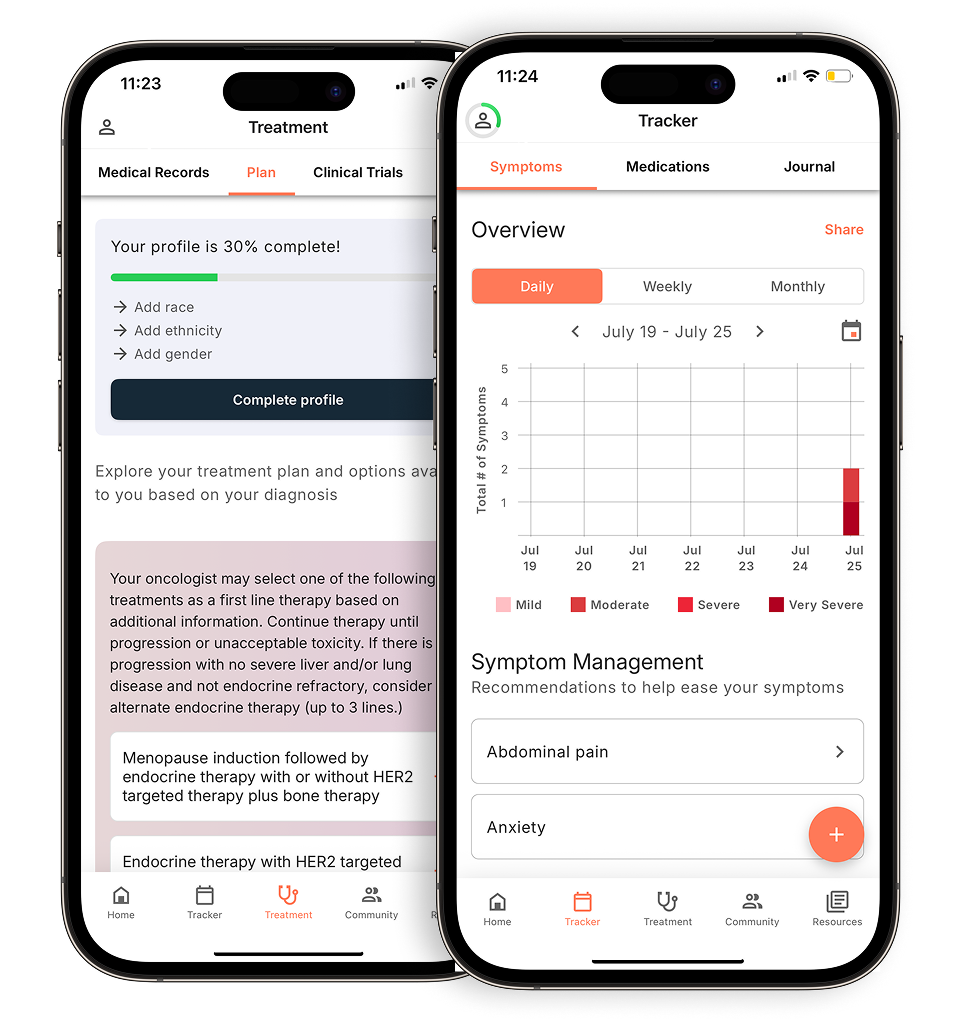
The data revealed that individuals with high intake of fruits, vegetables, and whole grains faced a statistically elevated lung cancer risk compared to those with lower consumption of these foods. The nutritional quality of these foods isn’t in question, so what else could be driving the correlation?
Why the problem isn’t the produce
Researchers aren’t suggesting that broccoli or blueberries are inherently dangerous. Although some speculate that pesticides and herbicides could be driving this correlation, the study itself didn’t examine pesticide exposure.
Modern agriculture relies heavily on chemical treatments to maximize crop yields. Individually, those residues may fall within regulatory “safe” limits, but research highlighted by Medical News Today points out there’s no clear understanding of cumulative exposure over years of consistently healthy eating.
The nutritional value of whole foods remains undisputed. The vitamins, fiber, and antioxidants in a plant-rich diet still offer real health benefits.
Small sample sizes and scientific limitations
The Keck Medicine research drew from 187 participants. That’s a meaningful starting point, but it’s a relatively small cohort by epidemiological standards. Patterns observed in a small participant pool simply can’t be extrapolated to a global population of billions with different diets, agricultural practices, genetic profiles, and environmental exposures. The study has yet to be published in a peer-reviewed journal.
Authors of the study frame these findings as an important prompt for deeper investigation. What other unknown environmental factors could play a role? Is there a specific pesticide that is driving the correlation?
Why you shouldn’t stop eating fruits and vegetables
The protective benefits of fruits and vegetables are among the most well-established findings in nutritional science. Phytonutrients and antioxidants found in colorful produce actively support DNA repair, neutralizing free radicals. A high-fiber diet that includes cruciferous vegetables, legumes, citrus fruits, and dark leafy greens is particularly associated with reduced cancer risk. A high-processed diet carries its own well-documented risks like increased cancer risk, heart disease, and fatty liver.
Practical steps: Reducing risk in a modern world
Understanding the potential link between pesticide exposure and lung cancer risk means you can take concrete, practical steps to support your overall health.
Washing and peeling matter more than most people realize. Rinsing produce with light friction under cold running water for at least 30 seconds and peeling when appropriate reduces surface residue, especially if you’re eating something raw.
Diversifying your sourcing also helps. Shopping from local farmers’ markets or community gardens means you can directly ask about pesticide use and control.
While these steps won’t eliminate all risk, they put you in a more informed position.
Knowledge is your most powerful tool. Stay informed about emerging research, and talk openly with your care team about your lifestyle and environment with Outcomes4Me.
Personalized support for real care decisions
Understand your diagnosis, explore clinical trials, and track symptoms--all in one place.
Get started
Compare treatments, prepare for appointments, and track side effects—all in the app
Built for your diagnosis, Outcomes4Me gives you the tools to make confident, informed decisions—right when you need them.
Continue in app