For people living with multiple myeloma, treatment options have expanded dramatically over the past decade. One of the most exciting advances has been the development of CAR T-cell therapy, a treatment that uses a patient’s own immune system to fight cancer.
One clinical trial in particular, called CARTITUDE-1, has generated great hope for patients with advanced multiple myeloma who have already tried several treatments. Here’s what patients and families should know about this important study.
What is multiple myeloma?
Multiple myeloma is a cancer that affects plasma cells, a type of white blood cell found in the bone marrow. These cells normally help the body fight infection by producing antibodies. In multiple myeloma, abnormal plasma cells grow uncontrollably and crowd out healthy blood cells.
Patients may experience symptoms such as bone pain or fractures, fatigue, frequent infections, kidney problems, and anemia. Although treatments have improved, multiple myeloma is still considered incurable, and many patients eventually see their disease return after therapy.
Evidence-based guidance powered by NCCN Guidelines®
Personalized treatment plans shaped by the latest oncology standards—tailored to your diagnosis.
Get started
View your personalized treatment plan in the Outcomes4Me app
Use your diagnosis to unlock personalized NCCN Guidelines®-aligned recommendations.
Continue in app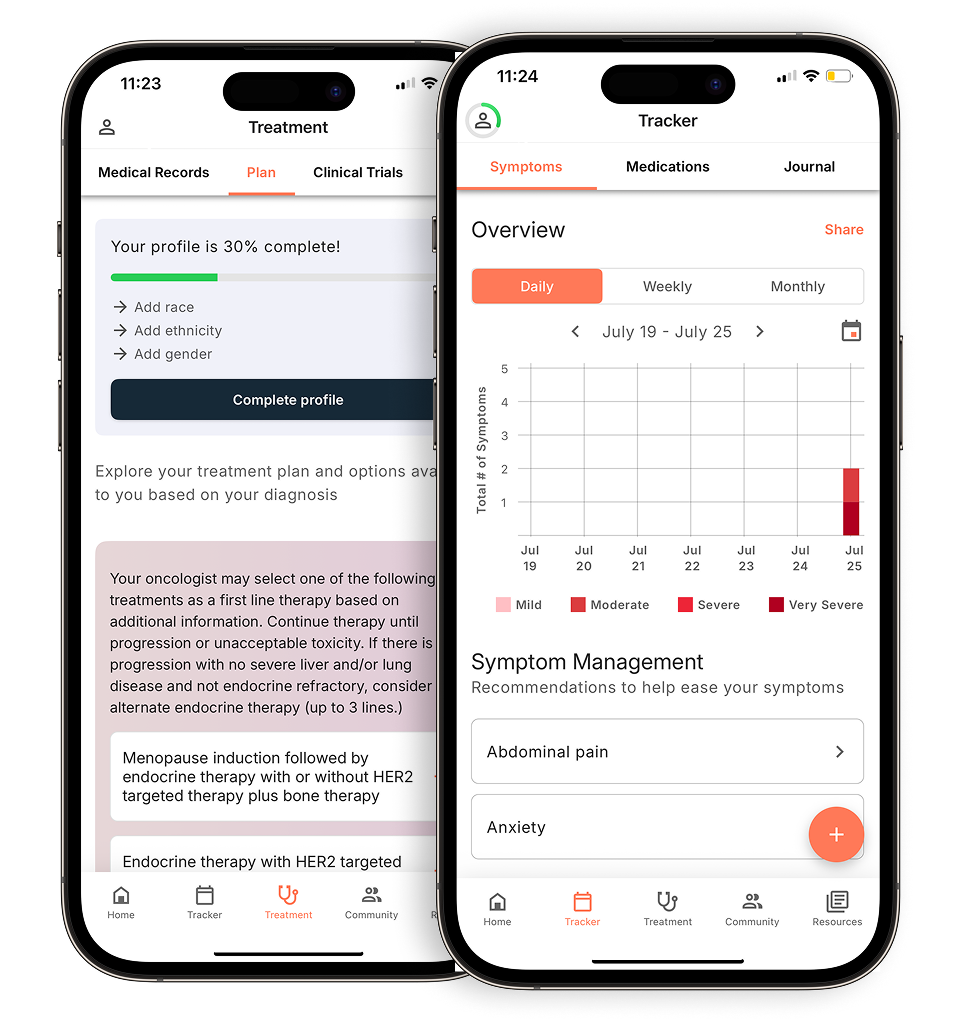
What is CAR T-cell therapy?
CAR T-cell therapy is an innovative type of immunotherapy. Doctors collect a patient’s own T cells (a type of immune cell) and genetically modify them in a laboratory so they can recognize and attack cancer cells. The modified cells are then infused back into the patient, where they seek out and destroy cancer. In the CARTITUDE-1 trial, researchers studied a CAR T therapy called ciltacabtagene autoleucel, often shortened to cilta-cel. This therapy targets a protein called BCMA, which is commonly found on myeloma cells.
What did the CARTITUDE-1 trial investigate?
The CARTITUDE-1 study evaluated cilta-cel in patients with multiple myeloma who had already received many other treatments. Participants in the trial:
- Had received multiple prior therapies (often four or more)
- Had disease that had returned or stopped responding to treatment
- Had limited remaining treatment options
These patients typically face poor outcomes with standard therapies, which is why researchers were eager to test whether CAR T therapy could help.
Results inspire optimism
The results from CARTITUDE-1 are exciting for both patients and providers. Specifically, the study found that:
- About 98% of patients responded to treatment
- More than 80% achieved a complete response, meaning no detectable cancer
- Many responses were deep and long-lasting
Longer follow-up has shown that a large portion of patients remain in remission years after treatment, an outcome that was rarely seen in this heavily treated population before CAR T therapy. Because of these results, in 2022 the U.S. Food and Drug Administration approved cilta-cel (brand name: Carvykti) as a treatment for certain patients with relapsed or refractory multiple myeloma.
The long-term influence of the CARTITUDE-1 trial
The CARTITUDE-1 trial represents a significant shift in how doctors think about treating multiple myeloma.
- CAR T therapy demonstrated that the immune system can be engineered to recognize and destroy myeloma cells effectively.
- The trial focused on patients whose cancer had already resisted multiple therapies. Historically, these patients had very limited treatment options. Seeing such high response rates in this group was very encouraging.
- Because of the strong results from CARTITUDE-1, researchers are now studying cilta-cel in earlier stages of treatment. If successful, this therapy could potentially help patients achieve longer remissions earlier in their disease.
Considerations for patients
While CAR T therapy is very promising, be sure to discuss any concerns about the treatment process and side effects with your oncologist. The treatment is a multi-step process which typically includes:
- The collection of immune cells from the patient
- The engineering of those cells in a laboratory
- Patients undergo a short course of chemotherapy
- Finally, the CAR T cells are infused back into the patient
Patients are closely monitored for side effects and any adverse effects.
What’s next in multiple myeloma care?
The CARTITUDE-1 trial represents a turning point in multiple myeloma research. Deep, durable remission in patients with very advanced disease is now becoming a reality for many. Studies like this one are an inspiring reminder that innovation in cancer treatment continues to advance, and it validates why clinical trial participation in clinical trials is so important.
Outcomes4Me is here to help you better understand your diagnosis and treatment options. You deserve clear, trustworthy information at every step.
Personalized support for real care decisions
Understand your diagnosis, explore clinical trials, and track symptoms--all in one place.
Get started
Compare treatments, prepare for appointments, and track side effects—all in the app
Built for your diagnosis, Outcomes4Me gives you the tools to make confident, informed decisions—right when you need them.
Continue in app