
A rising PSA after prostate cancer treatment can feel like the ground is shifting under you. Many people expect that once treatment is done, the numbers should stay at zero forever. So when PSA starts to increase, it can trigger fear that the cancer is back or that treatment has failed.
A rising PSA is an important signal, but it’s not the whole story. Prostate-specific antigen, or PSA, is a protein made by prostate cells. It’s commonly used as a blood test to help detect prostate cancer and to monitor what happens after treatment. After active treatment, PSA becomes a way to track how your body is responding to the treatments you have had over time. What “normal” looks like depends on the type of treatment you had. After surgery to remove the prostate, called radical prostatectomy, PSA levels are expected to drop to nearly undetectable levels. That is because most or all of the prostate tissue has been removed. After radiation therapy, PSA does not usually drop to zero. Instead, it declines more gradually and may level off at a low number. Small fluctuations can happen and do not always mean something is wrong.
Evidence-based guidance powered by NCCN Guidelines®
Personalized treatment plans shaped by the latest oncology standards—tailored to your diagnosis.
Get started
View your personalized treatment plan in the Outcomes4Me app
Use your diagnosis to unlock personalized NCCN Guidelines®-aligned recommendations.
Continue in app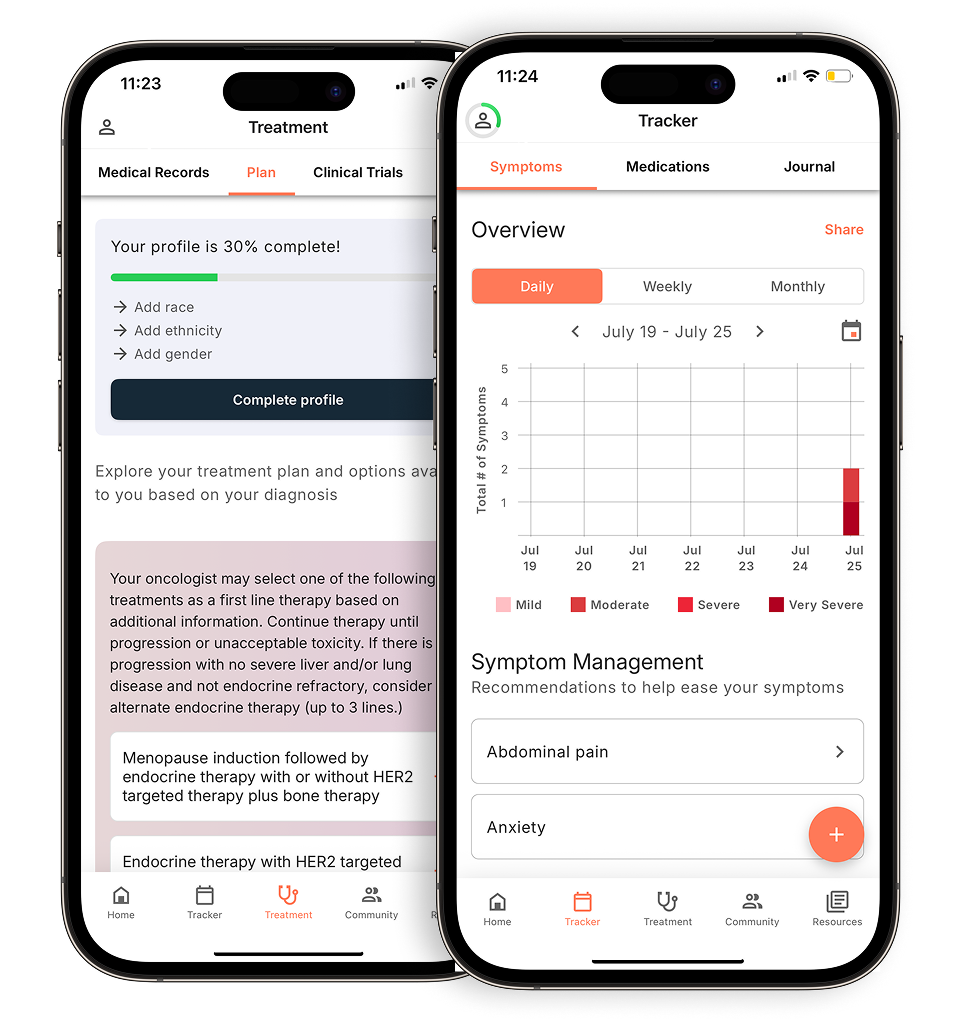
A rising PSA after treatment is often referred to as “biochemical recurrence.” This means there’s a detectable increase in PSA, but there may not yet be any visible signs of cancer on imaging or symptoms you can feel.
The definition of biochemical recurrence depends on the treatment you had:
- After surgery, it’s typically defined as a PSA of 0.2 ng/mL or higher, confirmed by a second test.
- After radiation, it’s usually defined as a rise of 2.0 ng/mL or more above the lowest PSA level.
Hearing the word “recurrence” can be alarming, but it’s important to understand what this does and does not mean. A rising PSA does not always mean the cancer has spread or that it will cause problems right away. In many cases, it signals that cancer cells may still be present, but they may be growing very slowly.
One of the biggest misconceptions is that any increase in PSA is equally serious. That isn’t true. Doctors look at several factors to understand what a rising PSA might mean for you:
- PSA doubling time: How quickly the PSA is rising. A fast doubling time can suggest more aggressive disease, while a slow rise may indicate a lower-risk situation.
- Time since treatment: A rise soon after treatment can carry different implications than one that happens many years later.
- Your original cancer features: Things like Gleason score, stage, and whether cancer had spread beyond the prostate at diagnosis all matter.
- Type of treatment you had: Patterns of PSA change differ after surgery versus radiation.
For some patients, PSA can even “bounce” after radiation, meaning it temporarily rises and then falls again without any treatment. This is more common than many people realize and can cause unnecessary worry if not explained.
If your PSA is increasing, your care team will usually confirm the trend with repeat testing before making any decisions. From there, next steps may include:
- Closer monitoring with regular PSA tests
- Imaging scans, such as advanced PET scans, to look for where cancer cells may be located
- Discussion of treatment options, depending on your risk level and overall health
In some cases, treatment may begin relatively soon. In others, especially when PSA is rising slowly, your doctor may recommend continued monitoring before starting therapy. This approach is based on evidence and is not the same as doing nothing. It is a deliberate strategy to avoid unnecessary side effects while still keeping a close watch.
A rising PSA deserves attention, but it shouldn’t automatically lead to panic. It tells your care team to look more closely, gather more information, and decide on the best next step for you. Understanding what your PSA is doing and what it means in context can help you feel more in control and more prepared for what comes next.
If you are tracking PSA after treatment, tools like Outcomes4Me can help you organize your results, understand your options, and prepare for conversations with your care team.
Personalized support for real care decisions
Understand your diagnosis, explore clinical trials, and track symptoms--all in one place.
Get started
Compare treatments, prepare for appointments, and track side effects—all in the app
Built for your diagnosis, Outcomes4Me gives you the tools to make confident, informed decisions—right when you need them.
Continue in app