
When you’re faced with a serious diagnosis, it’s easy to feel like you’ve been reduced to a statistic. You might find yourself searching for the metastatic prostate cancer survival rate, hoping to find clarity in the numbers. But you are more than a number. Your personal outlook depends on a unique combination of factors, including where the cancer has spread, your genetic makeup, and how you respond to therapy. These individual details are far more important than broad statistics. We’ll explore how these elements create a more personalized prognosis and help you understand the story that the numbers alone can’t tell.
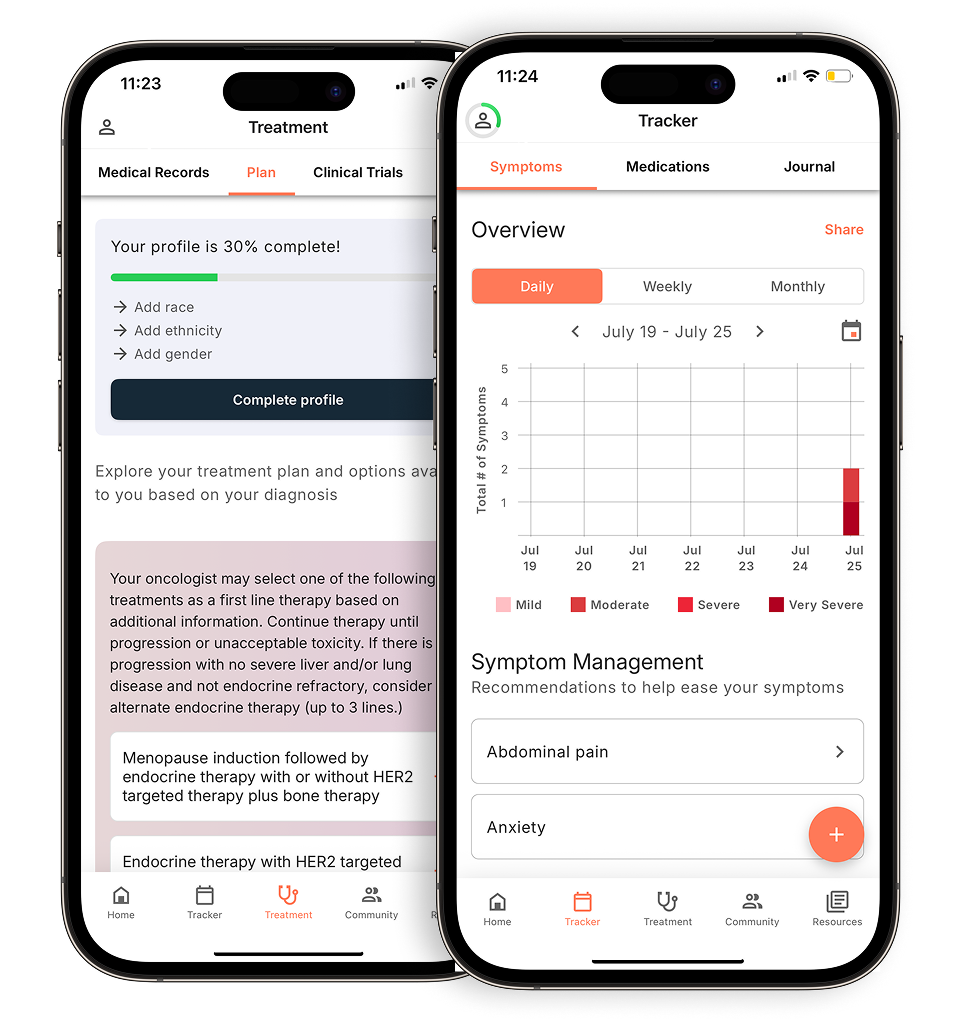
View your personalized treatment plan in the Outcomes4Me app
Use your diagnosis to unlock personalized NCCN Guidelines®-aligned recommendations.
Key Takeaways
- Look Beyond the Statistics: Survival rates are just a starting point, not a prediction. Your personal prognosis is shaped by unique factors like your overall health, where the cancer has spread, and your body’s response to treatment, so focus on the details of your situation with your doctor.
- Be an Active Member of Your Care Team: Your treatment plan is dynamic, not static. Ask direct questions about your prognosis, understand why specific treatments are recommended, and discuss all options, including clinical trials, to ensure your care plan reflects your personal goals.
- Support Your Treatment with Healthy Habits: You can improve your quality of life by focusing on what you can control. A balanced diet, consistent physical activity, and open communication about your emotional well-being can help you manage side effects and feel stronger through treatment.
What is Metastatic Prostate Cancer?
Receiving a prostate cancer diagnosis is a lot to process, and hearing the word “metastatic” can add another layer of questions and concerns. Let’s walk through what it means. Metastatic prostate cancer, sometimes called stage IV, simply means the cancer has spread from the prostate to other parts of the body. Think of the prostate as the cancer’s starting point. When it becomes metastatic, some cancer cells have broken away, traveled through the body, and started growing in new areas.
This is considered an advanced stage of prostate cancer, but it’s important to know that it is treatable. Many people live for years with metastatic prostate cancer, and treatments are constantly improving to help manage the disease and maintain a good quality of life. Understanding exactly what’s happening in your body is the first step in feeling more in control and partnering with your healthcare team to find the best path forward. We’ll explore how this happens, where the cancer tends to go, and how doctors confirm a metastatic diagnosis.
How Prostate Cancer Spreads
When prostate cancer spreads, it’s not a random process. The cancer cells use the body’s natural transportation systems to find new places to settle. Prostate cancer typically spreads through the lymphatic system or bloodstream, which act like highways throughout your body. The lymphatic system is a network of vessels that helps fight infection, while the bloodstream carries oxygen and nutrients everywhere.
Cancer cells can break off from the original tumor in the prostate, enter these vessels, and travel to distant organs or bones. Once they arrive, they can form new tumors, which are called metastases. This is how a cancer that starts in the prostate can end up affecting other parts of the body.
Where Prostate Cancer Typically Spreads
Prostate cancer has a few common destinations when it decides to travel. Most often, it spreads to the bones, particularly the pelvis, spine, and ribs, and to the lymph nodes. Less commonly, it can spread to organs like the liver or lungs.
Interestingly, research shows that the specific location of the spread can impact a person’s prognosis. For example, a study from Duke Health found that the location of prostate cancer spread in the body affects survival time, with those whose cancer spread only to the lymph nodes generally having a longer survival time than those whose cancer spread to the liver. This is important information that helps your care team tailor your treatment plan.
How Doctors Diagnose Metastatic Disease
To confirm that prostate cancer has spread, your doctor will use a few different tools and tests to get a complete picture. It’s usually not just one thing, but a combination of methods that provides the final diagnosis. Your doctor will likely start with a physical exam and review your symptoms.
From there, they will order imaging tests to see what’s happening inside your body. These can include CT scans, MRIs, and bone scans, which are designed to detect cancer cells in different tissues and bones. In some cases, a biopsy might be needed. This involves taking a small tissue sample from a suspected new tumor to examine it for cancer cells. Together, these tests help your doctor diagnose metastatic prostate cancer and determine the extent of the spread.
What Do Survival Rates for Metastatic Prostate Cancer Really Mean?
When you receive a diagnosis of metastatic prostate cancer, one of the first things you might look for is information on survival rates. It’s a completely normal and valid response. These numbers can give you a general idea of the outlook, but it’s crucial to understand what they represent. Survival statistics are averages based on large groups of people; they can’t predict what will happen in your specific situation. Your journey is unique, and many factors, including new and emerging treatments, will shape your personal prognosis. Think of these statistics as a starting point for a conversation with your care team, not as a final verdict on your health.
Understanding 5-Year Survival Statistics
You’ll often hear the term “5-year relative survival rate.” This statistic shows the percentage of people with a specific type and stage of cancer who are still alive five years after their diagnosis, compared to people in the general population. For metastatic prostate cancer, the 5-year relative survival rate is about 30.2%. This means that, on average, people with this diagnosis are about 30.2% as likely as people without it to be alive five years after being diagnosed. It’s important to remember this is an average. Many people live much longer than five years, especially as treatments continue to improve.
Explaining Median Survival Time
Another term you might encounter is “median survival time.” This is the time at which half of the patients in a specific group are still alive. For stage 4 prostate cancer, the average median survival time is around two to three years. This number can vary a lot depending on your overall health, the specifics of your cancer, and how well you respond to treatment. The word “median” is key here—it’s the midpoint, not an absolute limit. This means that while half of the patients may live for this amount of time or less, the other half will live longer, sometimes for many years.
How Survival Rates Are Calculated
Survival rates are calculated by looking back at data from thousands of people who were diagnosed years ago. Researchers track what percentage of people with the same type and stage of cancer are still alive after a certain period, which is usually five years. Because this data is historical, it doesn’t always reflect the impact of the latest treatment breakthroughs. Cancer care is advancing rapidly, and treatments available today are often more effective than those available when these statistics were compiled. This is a hopeful point to keep in mind—your prognosis may be better than the numbers suggest.
Does the Location of Spread Affect Survival?
Yes, where the cancer has spread in your body can make a difference. Research shows that the prognosis is often better if the cancer has only spread to the bones compared to when it has spread to other organs like the liver or lungs. The location of metastases Affects Survival Time because different parts of the body can respond differently to treatments. Your oncology team will use imaging tests to determine exactly where the cancer has spread and use that information to create the most effective treatment plan for you. This is another example of how your individual situation is more important than general statistics.
What Factors Influence Your Prognosis?
When you receive a prognosis, it’s important to remember that it’s not a prediction set in stone. It’s an educated estimate based on data from large groups of people, but it doesn’t account for your individual circumstances. Your personal health story is unique, and several key factors come together to create a more complete picture of your outlook. Think of your prognosis as a starting point for conversations with your care team. Understanding these different elements can help you feel more informed and empowered as you discuss your treatment plan and what to expect moving forward. Your doctor considers all of these pieces to create a personalized view of your health journey.
Your Age and Overall Health
Your age and general health are important parts of the conversation about your prognosis. As you might expect, being younger and having fewer other health issues can be beneficial. Your body may be more resilient and better able to handle aggressive treatments. On the other hand, older age and other health conditions, sometimes called comorbidities, can make treatment more complex. These factors don’t define your outcome, but they help your medical team understand your body’s starting point and tailor a care plan that is both effective and manageable for you.
Where and How Much the Cancer Has Spread
When prostate cancer metastasizes, where it travels in the body matters. The location and extent of the spread are significant factors in your prognosis. For many, the cancer first spreads to the bones. According to researchers, the prognosis is often better if the cancer is only in the bones compared to when it has spread to other organs like the liver or lungs. The number of tumors and their locations give your doctor a clearer idea of the cancer’s progression and help determine the most effective treatment strategy for your specific situation.
How Your Body Responds to Hormone Therapy
Hormone therapy, also known as androgen deprivation therapy (ADT), is a cornerstone of treatment for metastatic prostate cancer. It works by lowering the levels of male hormones, called androgens, that fuel prostate cancer cell growth. How well your cancer responds to this initial treatment is a major factor in your long-term outlook. A strong and lasting response, often measured by a drop in your PSA levels, is a positive sign. Your doctor will monitor your response closely to see how the treatment is working and to guide future decisions about your care plan.
Genetic Factors and Biomarkers
Your unique genetic makeup can also play a role in your prognosis. Doctors can now test for specific genetic mutations and biomarkers in the cancer cells that can influence how the disease behaves and responds to certain treatments. For example, the presence of mutations in genes like BRCA1 or BRCA2 can open the door to targeted therapies that may not be an option otherwise. Understanding these genetic factors gives your care team more information to personalize your treatment, potentially leading to better outcomes.
Your Gleason Score and PSA Levels
You’ll likely hear your doctor mention two key numbers: your Gleason score and your PSA level. The Gleason score, determined from a biopsy, grades how aggressive your cancer cells look under a microscope. A higher score usually indicates a more aggressive cancer. Your prostate-specific antigen (PSA) level is a measure of a protein in your blood, and a high or rapidly rising level can signal cancer activity. While survival rates are often grouped by the stage of the cancer, your specific test results like these are crucial pieces of your personal prognosis puzzle.
How Treatment Options Can Affect Your Prognosis
When you’re facing a metastatic prostate cancer diagnosis, your treatment plan is one of the most powerful tools you have. The goal of treatment is to slow the cancer’s growth, manage your symptoms, and help you live longer with a better quality of life. The good news is that the field of oncology is always advancing, and there are more effective options available than ever before. Your care team will work with you to create a personalized plan based on where the cancer has spread, your overall health, and your specific cancer characteristics.
This plan isn’t set in stone. It will likely evolve as your body responds to different therapies. Some treatments are considered standard first-line options, while others might be used if the cancer stops responding to the initial approach. It’s a dynamic process, and staying in close communication with your oncologist is key. Understanding the purpose behind each type of treatment can help you feel more in control and prepared for the conversations ahead. From therapies that have been trusted for decades to exciting new approaches, each one plays a unique role in managing the disease. Your prognosis isn’t just a statistic; it’s influenced by the strategic choices you and your medical team make together along the way.
Hormone Therapy
Hormone therapy, also known as androgen deprivation therapy (ADT), is often a foundational treatment for metastatic prostate cancer. The logic behind it is straightforward: prostate cancer cells use male hormones, like testosterone, as fuel to grow. Hormone therapy works by cutting off that fuel supply. It can do this by stopping your body from making testosterone or by blocking the hormone from reaching the cancer cells. For many men, this treatment can significantly slow down the cancer’s progression, helping to manage the disease and improve survival rates. It’s a cornerstone of treatment that has a major impact on prognosis.
Chemotherapy
If hormone therapy is no longer effective on its own or if the cancer is particularly aggressive, your doctor may recommend chemotherapy. This treatment uses powerful drugs that travel through your bloodstream to kill fast-growing cells, including cancer cells, throughout your body. While the idea of chemotherapy can be intimidating, it’s an important tool for managing advanced prostate cancer. It may not cure the disease, but it can be very effective at shrinking tumors, relieving symptoms like pain, and helping to prolong your life. Your oncology team will carefully manage your treatment schedule and any side effects to support your quality of life.
Targeted Therapy and Immunotherapy
Some of the most exciting progress in prostate cancer treatment comes from targeted therapy and immunotherapy. Unlike chemotherapy, which affects all rapidly dividing cells, targeted therapies are designed to attack specific features of cancer cells. For example, some drugs target a protein called PSMA that is often found on the surface of prostate cancer cells, delivering radiation directly to the cancer. Immunotherapy is another innovative approach that works differently, by training your own immune system to recognize and fight the cancer. These newer treatments are offering new hope and options, especially for men whose cancer has progressed on other therapies.
Using Radiation to Manage Symptoms
When prostate cancer spreads, it often goes to the bones, which can cause significant pain. This is where radiation therapy can make a huge difference in your day-to-day life. This treatment uses high-energy beams to target and destroy cancer cells in a specific area. While it can be used to treat the main tumor, it’s also incredibly valuable for managing symptoms. By targeting bone metastases, radiation can effectively alleviate pain, reduce the risk of fractures, and improve your mobility. Improving your quality of life is a critical part of your overall prognosis, and symptom management is a top priority.
Does Early Detection Improve Survival Rates?
When it comes to cancer, knowledge is power, and timing is critical. Catching prostate cancer early, before it has the chance to spread, can make a significant difference in your prognosis and treatment path. While a metastatic diagnosis presents unique challenges, understanding the role of early detection highlights why regular screening and open communication with your doctor are so important. The primary goal is to identify any potential issues as soon as possible, giving you and your care team the advantage of time for more proactive and effective management.
The Role of Screening and PSA Monitoring
Screening tests are designed to find cancer before you have symptoms. For prostate cancer, a common tool is the Prostate-Specific Antigen (PSA) blood test. PSA is a protein from the prostate gland, and high levels can be a sign of cancer. By monitoring your PSA levels, your doctor can spot trends that need a closer look. Catching a rising PSA early leads to a quicker diagnosis and treatment plan. This is key to improving long-term survival rates, which show the percentage of people with the same cancer type and stage who are alive after a certain period, usually five years.
Why Finding Spread Early Matters
It’s easier to manage a problem when it’s contained, and the same is true for cancer. Finding prostate cancer early, when it’s confined to the prostate gland, offers the best chance for successful treatment. Once cancer cells spread to other parts of the body—a process called metastasis—the disease becomes more complex. While metastatic prostate cancer is treatable, the goal of screening is to find it before it reaches that point. An early diagnosis means more treatment options are available and more likely to be effective, which is reflected in better prostate cancer survival statistics for localized disease.
What PSA Doubling Time Tells You
Your PSA level isn’t a static number; it’s a dynamic indicator of what’s happening in your body. If you’ve been diagnosed, your doctor will track your PSA levels closely. One key measurement is “PSA doubling time”—how long it takes for your PSA level to double. A shorter doubling time can suggest the cancer is growing more quickly. This information is critical for your care team. It helps them understand the cancer’s aggressiveness and how well your treatment is working, allowing them to make timely adjustments to your care plan for the best possible outcome.
Can Lifestyle Changes Improve Your Prognosis?
While lifestyle changes can’t cure metastatic prostate cancer, they play a powerful role in your overall well-being and can have a real impact on your quality of life. In a journey that can often feel out of your hands, focusing on diet, exercise, and self-care is a way to take back some control. Think of it as actively supporting your body as it goes through treatment. Making thoughtful choices about what you eat, how you move, and how you manage your health can help you feel stronger, better tolerate treatment side effects, and maintain your independence.
These adjustments are a key part of what doctors call supportive care, an essential component of any comprehensive cancer plan. It’s not about replacing your medical treatments but complementing them to improve your resilience. By focusing on your health through diet, exercise, and weight management, you’re giving your body the best possible foundation to face the challenges of cancer. It’s about taking actionable steps, day by day, to improve how you feel both physically and mentally. Always remember to discuss any significant lifestyle changes with your oncology team to make sure they align with your overall treatment plan and are safe for you.
Eating to Support Your Health
Fueling your body with nutritious food is one of the most direct ways you can support your health during treatment. A balanced diet can help you maintain energy levels, preserve muscle mass, and recover more effectively. While there’s no single “cancer-fighting” diet, focusing on whole foods is a great place to start. This means building your meals around fruits, vegetables, lean proteins, and whole grains.
It’s also wise to limit processed foods, red meat, and alcohol. According to the Canadian Cancer Society, a healthy lifestyle that includes eating well may improve overall health outcomes for prostate cancer patients. If you’re feeling overwhelmed, ask your oncologist for a referral to a registered dietitian who specializes in oncology nutrition. They can help you create a personalized plan that works for you.
Staying Active During and After Treatment
Staying active is incredibly beneficial for both your body and mind. Research shows that physical activity can significantly improve quality of life for men with prostate cancer. It’s particularly effective at countering common side effects of androgen deprivation therapy (ADT), such as fatigue and bone loss. Exercise can also give your immune response a helping hand.
This doesn’t mean you need to run a marathon. Gentle activities like walking, stretching, or swimming can make a big difference. The key is to find something you enjoy and can do consistently. Before you start any new exercise program, it’s essential to talk with your doctor. They can help you find a routine that is safe and appropriate for your fitness level and overall health.
Managing Your Weight and Protecting Your Bones
Maintaining a healthy weight and protecting your bones are especially important when you’re living with advanced prostate cancer. Some treatments, particularly hormone therapy, can lead to weight gain and a decrease in bone density, which increases your risk of fractures. Lifestyle changes are a primary way to manage these risks and can lead to better health outcomes.
A combination of a balanced diet and regular, weight-bearing exercise (like walking or light strength training) can help you manage your weight and keep your bones strong. Your doctor might also recommend calcium and vitamin D supplements. Be sure to discuss your bone health with your care team, as they may suggest periodic bone density scans to monitor for any changes.
How to Manage Treatment Side Effects
Living with metastatic prostate cancer means learning how to manage the side effects of both the disease and its treatments. Open and honest communication with your healthcare team is your best tool. Don’t hesitate to tell them about any fatigue, pain, nausea, or other issues you’re experiencing. They can’t help you if they don’t know what’s going on.
Your team can offer medications, therapies, and other supportive measures to improve your comfort and quality of life. Simple practices like gentle exercise, getting enough rest, and mindfulness techniques can also help you cope. Keeping a journal of your symptoms can be useful for tracking patterns and sharing specific details with your doctor during appointments, leading to more effective management strategies.
How to Partner with Your Healthcare Team
Facing a metastatic prostate cancer diagnosis can feel overwhelming, but you are the most important member of your care team. Building a strong partnership with your doctors is key to feeling informed and in control. Open communication helps ensure your treatment plan aligns with your personal goals and that you feel supported every step of the way.
Who Should Be on Your Care Team?
Managing metastatic prostate cancer effectively requires a multidisciplinary team approach. This means you’ll have several specialists working together on your behalf. Your team will likely include a medical oncologist to manage treatments like hormone therapy or chemotherapy, a radiation oncologist, and a urologist. You may also work with a nurse navigator to coordinate appointments, a dietitian to help with nutrition, and a mental health professional for emotional support. This comprehensive team works together to address every aspect of your health, ensuring you receive well-rounded care throughout your journey.
Questions to Ask Your Oncologist About Your Prognosis
Having open conversations with your oncologist is essential for feeling in control of your care. Don’t hesitate to ask direct questions to understand your prognosis and treatment goals. Consider asking: “What do the survival rates for prostate cancer mean for me specifically?” “What factors are influencing my outlook?” and “How will we monitor if the treatment is working?” Being an active participant in these discussions helps you and your doctor make informed decisions together, ensuring your care plan reflects what matters most to you.
Why Evidence-Based Guidelines Are Important
Evidence-based guidelines are roadmaps for treatment created by cancer experts using the latest clinical research. They ensure your care is based on the collective evidence from thousands of studies, not just one doctor’s opinion. Following these guidelines, like those from the National Comprehensive Cancer Network (NCCN), helps standardize excellent care and leads to the best possible outcomes. They are the foundation of a high-quality treatment plan, giving you and your doctor a clear, trusted path forward. This approach gives you confidence that your treatment is backed by science.
Should You Consider a Clinical Trial?
Clinical trials are research studies that test new therapies before they become widely available. For some people, they offer access to cutting-edge treatments that may be more effective than current options. It’s a personal decision, but it’s an important conversation to have with your doctor. Ask if there are any clinical trials for prostate cancer that might be a good fit for your specific situation. Your oncologist can help you weigh the potential benefits and risks, allowing you to make an informed choice that aligns with your health goals.
Caring for Your Mental and Emotional Well-being
A metastatic prostate cancer diagnosis impacts every part of your life, and that absolutely includes your emotional and mental health. Tending to your well-being isn’t a secondary task—it’s a central part of your care plan. Your feelings are valid, and giving yourself the space to process them is a sign of strength. Building a strong support system and finding healthy ways to cope can make a significant difference in your quality of life. Remember, you don’t have to manage the emotional weight of this journey on your own. There are resources, communities, and strategies available to help you feel more grounded and in control.
How to Cope with Your Diagnosis
Receiving a diagnosis of metastatic prostate cancer is a life-altering event, and it’s completely normal to feel a mix of emotions, from shock and fear to anger and sadness. The first step is to give yourself permission to feel whatever comes up without judgment. Research shows that proactive supportive care interventions can directly improve health outcomes for men with advanced prostate cancer. This can include talking with a counselor, joining a support group, or simply learning more about your diagnosis to feel more empowered. Acknowledging your emotional needs is a crucial part of taking care of your overall health.
Finding Support Groups and Counseling
Connecting with others who understand what you’re going through can be incredibly powerful. Support groups, whether in-person or online, provide a safe space to share experiences and learn from peers who are on a similar path. Professional counseling can also offer valuable tools for managing anxiety and stress. Finding the right supportive care is key to handling the emotional challenges that come with a cancer diagnosis. You are not alone in this, and reaching out to a community or a professional can provide the comfort and guidance you need to feel less isolated.
How Your Loved Ones Can Offer Support
Your friends and family are often your first line of support, but they may not know the best ways to help. It’s okay to be specific about what you need, whether it’s a ride to an appointment, help with meals, or just someone to listen. Encouraging your loved ones to join you in healthy habits can also be beneficial. Living a healthier lifestyle can be a powerful way to feel more in control, and having a partner for a walk or someone to share a nutritious meal with makes it easier. Creating a supportive environment at home fosters resilience and strengthens the bonds that will carry you through treatment.
Related Articles
- What to expect after an early-stage prostate cancer diagnosis – Outcomes4Me
- Can lifestyle changes impact prostate cancer recurrence? – Outcomes4Me
- How Does Prostate Cancer Affect You Sexually?
- What are the best treatment options for Gleason 4+3 prostate cancer? | Outcomes4Me Community
- Prostate Cancer Spread To Bones (Metastasis) Symptoms
View your personalized treatment plan in the Outcomes4Me app
Use your diagnosis to unlock personalized NCCN Guidelines®-aligned recommendations.
Frequently Asked Questions
“Metastatic” sounds scary. Does it mean my cancer is untreatable? Hearing that word is a lot to take in, but it absolutely does not mean your cancer is untreatable. While metastatic prostate cancer is considered an advanced stage and isn’t typically curable, it is very treatable. The goal of your care plan will be to manage the cancer as a long-term condition, much like other chronic diseases. Treatments are focused on slowing the cancer’s growth, managing symptoms, and helping you maintain a great quality of life for as long as possible.
My doctor mentioned my Gleason score and PSA level. Why are these numbers so important? Think of these numbers as your cancer’s specific stats that help your doctor create a personalized game plan. The Gleason score, which comes from your biopsy, grades how aggressive the cancer cells look, giving your team an idea of how quickly the cancer might grow. Your PSA level is a protein in your blood that acts as a marker for cancer activity. Tracking these numbers helps your doctor understand the unique character of your cancer and monitor how well your treatment is working over time.
With so many treatment options, how will my doctor and I decide which one is right for me? This is a collaborative decision you’ll make with your oncology team. Your doctor will recommend a path based on several key factors, including where the cancer has spread, your specific genetic markers, your overall health, and your personal treatment goals. They will walk you through the pros and cons of each option, explaining why one approach might be better for you than another. Your voice is essential in this process, as the best plan is one that not only fights the cancer but also aligns with your quality of life priorities.
I feel overwhelmed and don’t know how to talk to my family about my diagnosis. Any advice? It’s completely normal to feel this way. Start by deciding what you’re ready to share and who you want to tell first. You don’t have to have all the answers. It can be helpful to be direct about what you need, whether it’s a ride to an appointment, help with meals, or just someone to listen without offering advice. It’s also okay to set boundaries and say when you don’t feel like talking about it. Sometimes, bringing a trusted family member to an appointment can help them understand the situation and learn how they can best support you.
Besides medical treatment, what are the most important things I can do for myself right now? Focusing on what you can control is a powerful way to support your well-being. This includes fueling your body with nutritious food and finding ways to stay active that you genuinely enjoy, which can help manage treatment side effects like fatigue. It’s also crucial to care for your emotional health by connecting with a support group, talking to a counselor, or simply making time for activities that bring you joy. Openly communicating any physical or emotional challenges to your care team ensures you get the comprehensive support you need.