
Why awareness matters for patients, survivors, and families
Every February, communities across the United States recognize National Cancer Prevention Month, an educational effort designed to promote positive health and wellness practices that reduce the risk of developing cancer.
National Cancer Prevention Month is more than a calendar event; it’s designed to encourage all of us to know our risk of developing cancer and to help us take appropriate steps including pursuing screening or making lifestyle adjustments, if necessary.
Why is cancer prevention so important?
More than 2 million cancer diagnoses are expected in 2026. While not all cancers can be prevented, research shows that a significant percentage of cancer diagnoses may be linked to modifiable risk factors such as:
- Tobacco use
- Alcohol consumption
- Obesity
- Physical inactivity
- Poor diet
- UV exposure
- Certain infections (like HPV and hepatitis B & C)
Having a clear and actionable understanding of your lifetime risk for developing cancer can help you take proactive, preventative action, whether you’ve never had cancer or are currently in survivorship.
Evidence-based guidance powered by NCCN Guidelines®
Personalized treatment plans shaped by the latest oncology standards—tailored to your diagnosis.
Get started
View your personalized treatment plan in the Outcomes4Me app
Use your diagnosis to unlock personalized NCCN Guidelines®-aligned recommendations.
Continue in app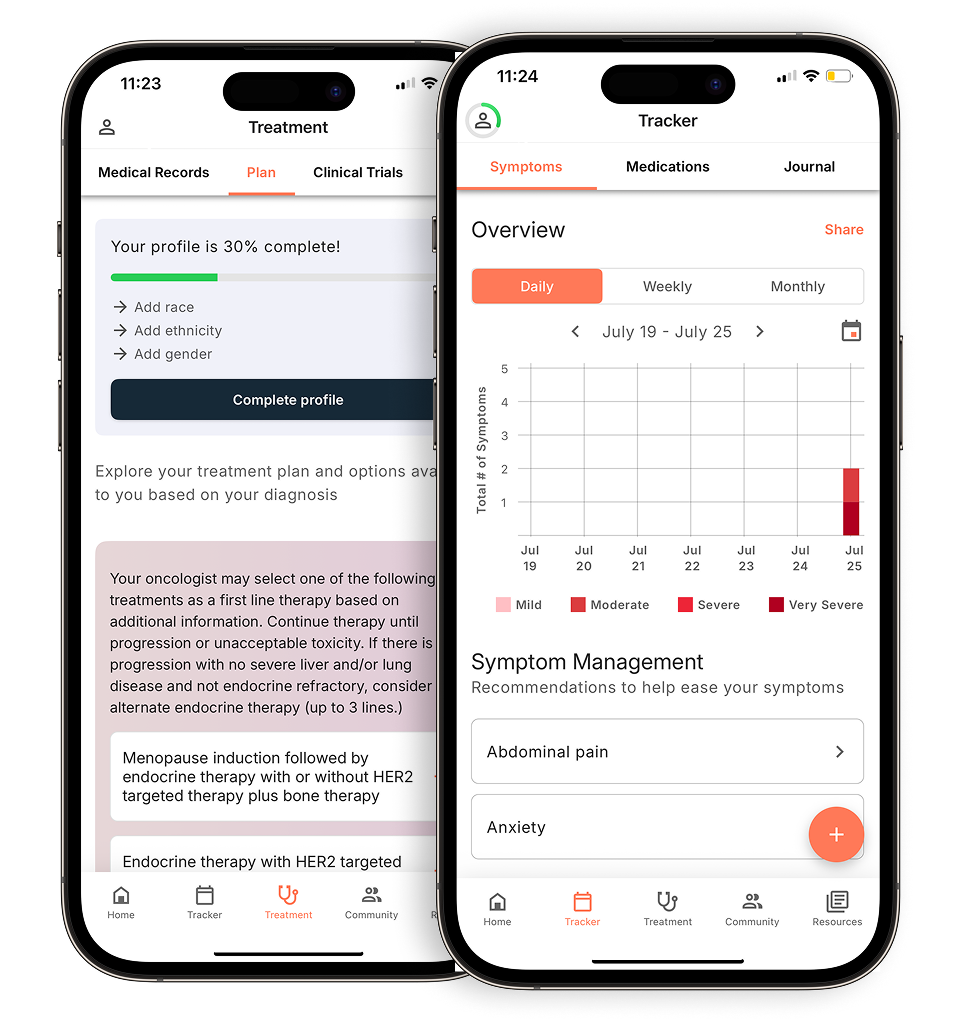
Why does prevention awareness matter in survivorship?
If you’re a cancer survivor—or currently in treatment—you might wonder: Why does prevention month matter to me?
It matters because:
- It’s important to be aware of your risk of recurrence, and to understand how healthcare and lifestyle choices might influence your risk of your cancer returning, especially if your type of cancer is known to recur at a later stage.
- Some cancer treatments, such as radiation or chemotherapy, may increase the risk of developing a second cancer later in life. Ongoing screening and healthy lifestyle habits can help reduce that risk.
- Cancer can be an inherited disease, which means it’s passed along in families. And many families share genetic, environmental, or lifestyle risks. Survivors who speak openly about their experience often encourage loved ones to get screened earlier, receive genetic testing to understand if they carry a specific, cancer-causing gene, or to make healthier choices.
Small steps with long-term benefits for cancer prevention or recurrence reduction
National Cancer Prevention Month focuses on evidence-based steps you can prioritize, if needed.
- Making positive lifestyle choices can support your long-term good health; a balanced diet, regular exercise, limiting alcohol, maintaining a healthy weight, and protecting your skin from the sun can all contribute to lowering your risk of cancer.
- Smoking remains the leading preventable cause of death in the U.S. Quitting at any age reduces cancer risk significantly.
- Cancer screenings can detect cancer early, before symptoms appear. It’s important to talk to your doctor to determine what screening measures are appropriate for you, including:
- Mammograms for breast cancer
- Colonoscopies for colorectal cancer
- Pap smears and HPV testing for cervical cancer
- Low-dose CT scans for certain high-risk smokers
How can everyone contribute to awareness this Cancer Prevention Month?
Sometimes, all it takes for someone to take action to protect their own health is to hear the story of someone else they know and trust. If you feel comfortable, post on your social media about your own experiences. When someone sees your post about why you schedule your colonoscopy, or your annual mammogram, or why you decided to quit smoking or drinking alcohol, it may resonate with them.
It’s important to remember that cancer is stubborn and doesn’t discriminate. If you’re a survivor, Cancer Prevention Month isn’t a reminder of behaviors you could have changed or steps you could have taken to reduce your risk. Instead, it’s designed to rally everyone to embrace healthy habits now, and moving forward.
You’re not alone. Join the Outcomes4Me Community for a safe space to share your story and connect with others who share your diagnosis.
Personalized support for real care decisions
Understand your diagnosis, explore clinical trials, and track symptoms--all in one place.
Get started
Compare treatments, prepare for appointments, and track side effects—all in the app
Built for your diagnosis, Outcomes4Me gives you the tools to make confident, informed decisions—right when you need them.
Continue in app