A cancer diagnosis completely upends your life. One day, everything is normal and you’re following your typical routine. The next, you’re managing appointments, scans, and procedures. It’s very easy to fall into feelings of despair or depression. In fact, that’s very normal.
In fact, research shows that up to 47% of cancer patients experience significant psychological distress, yet many struggle to find healthy outlets for processing these overwhelming emotions. Those feelings can add to an already stressful and disruptive period. Data shows that one way to mitigate these feelings is through peer-to-peer support, which is found to decrease depression and stress among cancer patients.
How volunteering can help you regain a sense of control
Cancer strips away autonomy in profound ways, from rigid treatment schedules to the constant need to ask for help. Volunteering for cancer flips this dynamic: when you become the person offering support rather than always receiving it, you reclaim agency over your narrative.
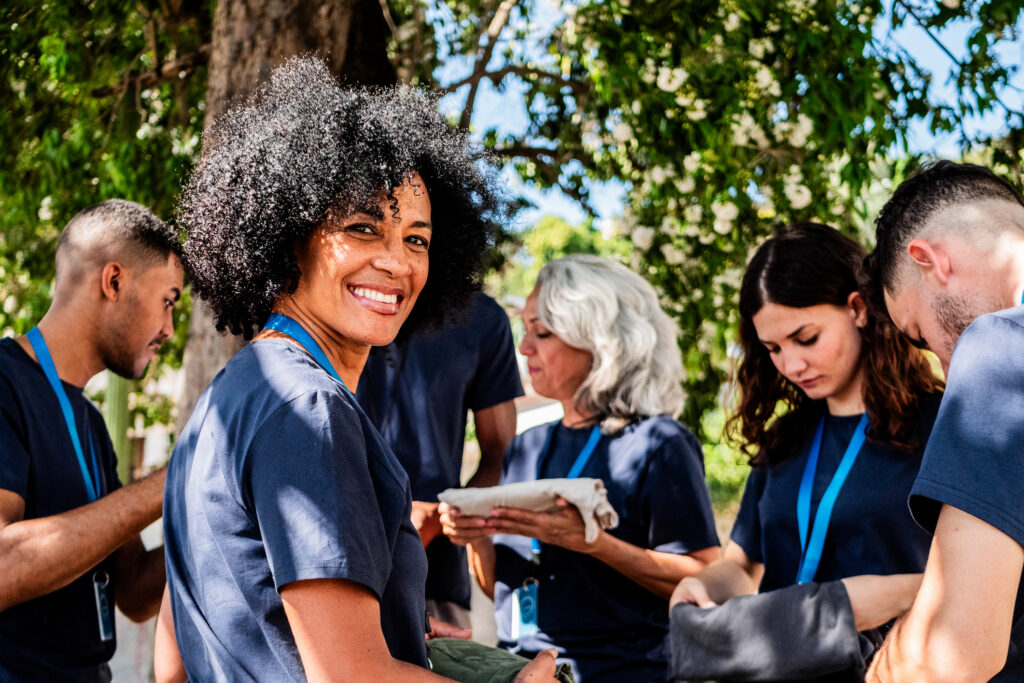
Research demonstrates measurable psychological benefits. A study of cancer survivors who volunteered found significant improvements in emotional well-being, with participants reporting a renewed sense of purpose and reduced feelings of helplessness. The simple act of contributing, whether greeting patients at a cancer center, moderating online support groups, or organizing fundraising efforts, transforms your identity from “patient” to “participant.”
Evidence-based guidance powered by NCCN Guidelines®
Personalized treatment plans shaped by the latest oncology standards—tailored to your diagnosis.
Get started
View your personalized treatment plan in the Outcomes4Me app
Use your diagnosis to unlock personalized NCCN Guidelines®-aligned recommendations.
Continue in app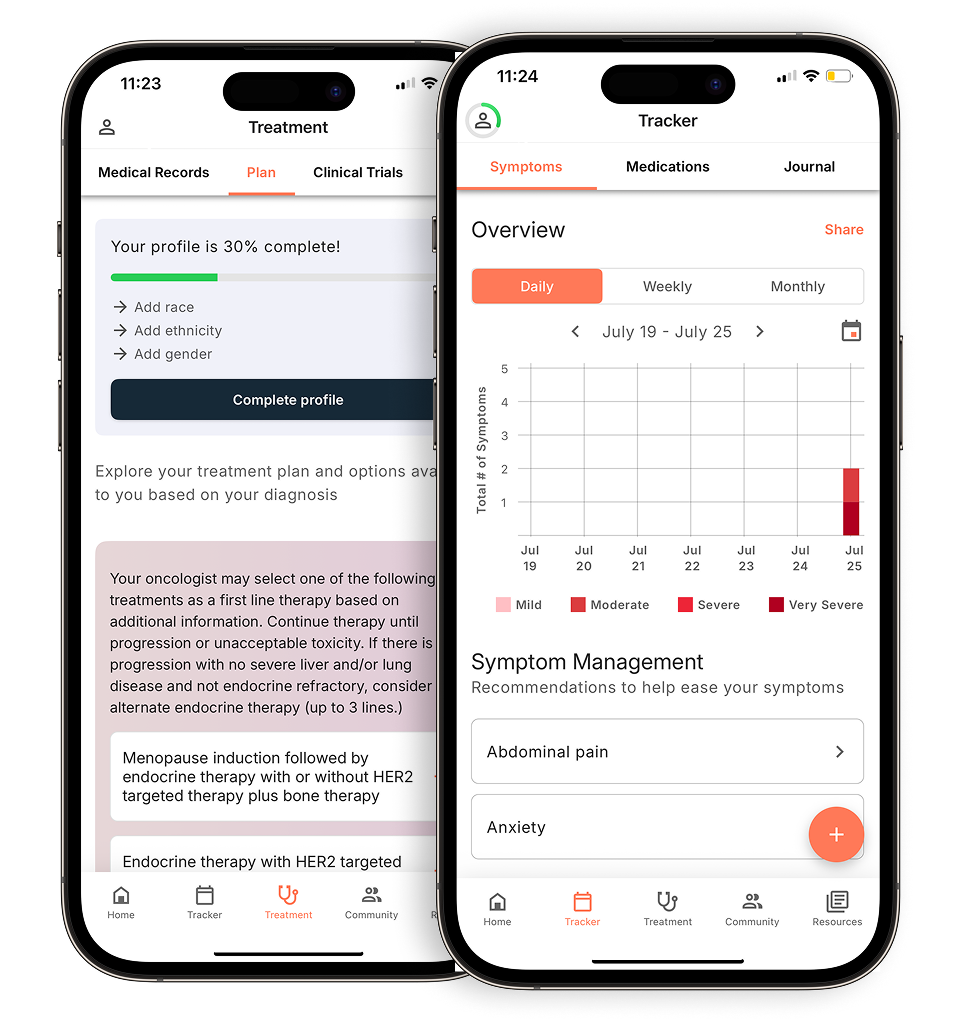
You don’t need full energy or perfect health to make a difference. Even modest involvement in mental health support initiatives creates structure and meaning during an otherwise chaotic period. Volunteering establishes predictable commitments that exist outside your medical appointments; these can be anchors that remind you of who you are beyond your diagnosis.
Volunteering to support other cancer patients or survivors
Perhaps no volunteer work resonates quite like supporting others facing the same diagnosis you’ve navigated. Becoming a volunteer as a cancer patient creates unique reciprocal benefits: you provide lived-experience wisdom while reinforcing your own resilience through helping others process their shock and uncertainty.
Research demonstrates significant health improvements among cancer survivors who volunteer specifically to help other patients. One study found that Latina cancer survivors who engaged in health volunteerism reported better overall health outcomes and increased physical activity compared to non-volunteers. The act of sharing your hard-won knowledge about navigating appointments, managing side effects, or communicating fears with loved ones transforms personal pain into collective strength.
Peer support roles also validate your experience in powerful ways. When someone thanks you for making their infusion less frightening or helping them understand a confusing pathology report, you’re reminded that your struggle mattered and it created the capacity to ease someone else’s path forward.
Broader community volunteering opportunities
You don’t need cancer-specific experience to benefit from volunteer work during treatment or recovery. Research shows that general community volunteering offers comparable mental health benefits across diverse causes, from food banks to literacy programs to animal shelters.
What matters most is finding activities that resonate with your energy levels and interests. A cancer support volunteer role at a local hospital might feel too close initially; however, tutoring children or organizing community events could provide meaningful engagement without emotional proximity to illness. The key is matching volunteer commitments to your current capacity, whether that’s a few hours monthly or weekly involvement.
This flexibility allows you to explore interests beyond cancer while still accessing the psychological benefits: building connections, establishing routine, and contributing to something larger than treatment schedules. Some survivors find renewed purpose through entirely new volunteer paths they’d never considered before diagnosis.
Limitations and considerations
While volunteering offers significant benefits, it’s important to recognize that not everyone is ready or able to commit. Physical limitations during active treatment, energy fluctuations, and emotional bandwidth vary considerably from person to person. And, volunteer opportunities aren’t one-size-fits-all. What feels manageable for someone in survivorship might overwhelm someone navigating chemotherapy. Some patients find peer support triggering rather than helpful, especially if they encounter stories that amplify their fears. It’s perfectly acceptable to prioritize your own recovery first. Volunteering should reduce stress, not create it.
Consider starting small with time-limited commitments you can step away from without guilt. If you’re feeling lost and confused during treatment, focus on your immediate support needs before extending yourself to others. The goal is sustainable engagement that genuinely enhances your wellbeing.
Key takeaways
Volunteering creates meaningful opportunities for cancer patients to reclaim agency during treatment while actively supporting cancer mental health outcomes. Whether connecting with fellow patients through peer support or engaging in broader community service, volunteer activities provide psychological benefits that complement medical care.
The evidence is clear: helping others reduces isolation, builds social connections, and creates renewed purpose during uncertain times. Even modest commitments like online support forums, occasional hospital visits, or flexible community roles deliver measurable improvements in mood and outlook.
Start by matching volunteer opportunities to your current energy and interests. Focus on sustainable commitments that feel energizing rather than depleting. Remember that protecting your physical health remains paramount; join communities that understand cancer-specific needs and honor your boundaries.
The most important step is simply beginning. Whether you offer fifteen minutes of online encouragement or dedicate regular hours to organized programs, your contribution matters—both for others, for your own emotional resilience throughout treatment, and recovery.
Outcomes4Me is here to help you better understand your diagnosis and treatment options. You deserve clear, trustworthy information at every step.
Personalized support for real care decisions
Understand your diagnosis, explore clinical trials, and track symptoms--all in one place.
Get started
Compare treatments, prepare for appointments, and track side effects—all in the app
Built for your diagnosis, Outcomes4Me gives you the tools to make confident, informed decisions—right when you need them.
Continue in app