
A breast cancer diagnosis can feel like being dropped into a new, unfamiliar country without a map. Suddenly, you’re faced with a different language of medical terms and a path forward that seems unclear. The good news is that there is a map. Your care team will create a personalized plan just for you, but understanding the general route can make the entire journey feel less intimidating. Knowing the key landmarks—from diagnosis and surgery to follow-up care—gives you a sense of direction and control. This guide is designed to be your roadmap, breaking down the essential breast cancer treatment steps so you know what to expect at each turn.
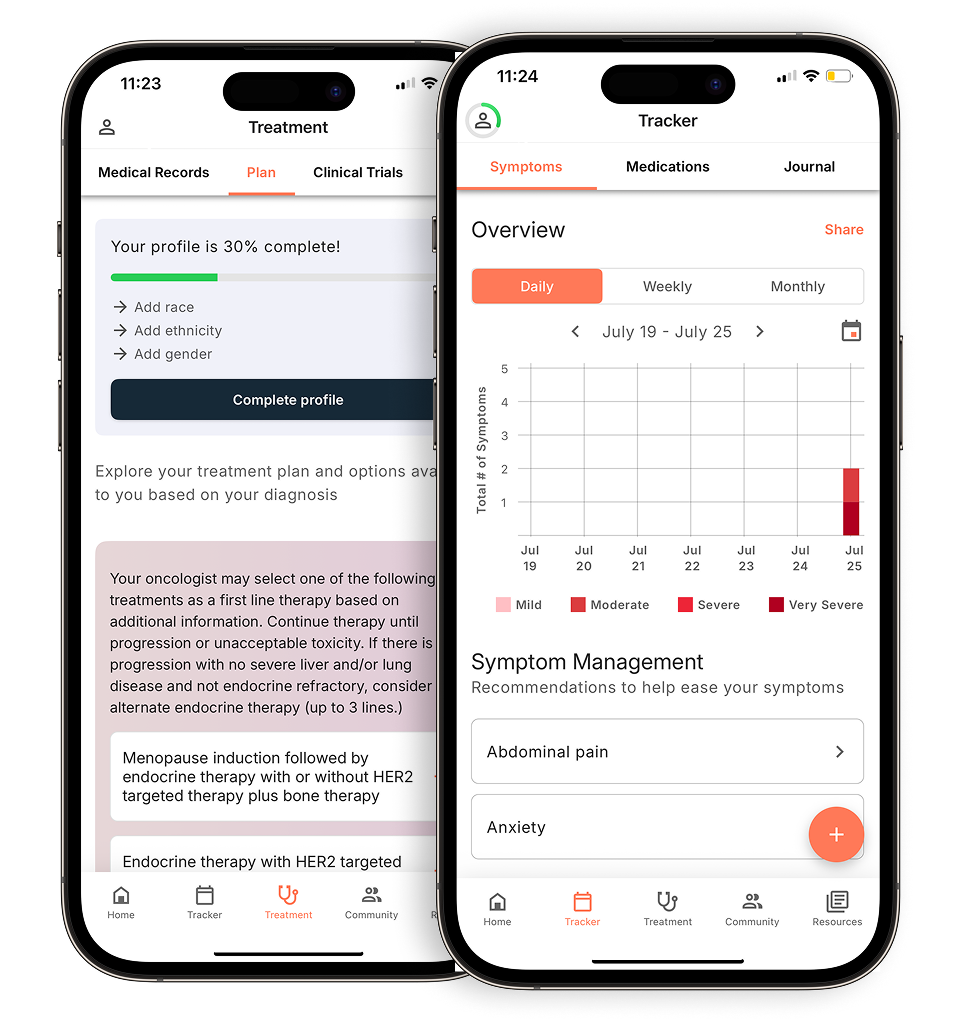
View your personalized treatment plan in the Outcomes4Me app
Use your diagnosis to unlock personalized NCCN Guidelines®-aligned recommendations.
Key Takeaways
- Your Diagnosis and Stage Are the Foundation of Your Plan: The diagnostic process, from imaging to biopsy, provides the essential details about your cancer’s stage and characteristics, which are the building blocks for every treatment decision you and your team will make.
- Treatment Is a Highly Personalized Strategy: Your care plan is designed around the unique biology of your tumor (like its hormone receptor and HER2 status), your overall health, and your personal priorities, ensuring the approach is the right fit for you.
- Partner With Your Care Team and Build Your Support System: Openly communicating your needs and preferences is key to collaborative care, while connecting with professional, financial, and peer support resources is crucial for managing the emotional and practical aspects of your journey.
How Is Breast Cancer Diagnosed?
Receiving a potential breast cancer diagnosis can feel overwhelming, but understanding the steps involved can help you feel more in control. The diagnostic process is a careful, step-by-step method your healthcare team uses to get a clear picture of what’s going on. It typically starts with a physical exam and moves on to more detailed tests if needed. Let’s walk through what you can expect at each stage, from the initial check-up to the tests that provide definitive answers.
Your First Steps: Clinical Exams and Symptom Checks
The first step in the diagnostic process usually happens at your doctor’s office. Your provider will begin by performing a clinical breast exam, where they carefully feel your breasts and underarms for any lumps or other changes. They will also talk with you about your medical history and any symptoms you’ve been experiencing, like a new lump, skin changes, or nipple discharge. This initial conversation and exam are crucial for gathering the information your doctor needs to decide if further testing is necessary. Being open and honest about what you’ve noticed is the best thing you can do to help your care team help you.
A Closer Look: Imaging Tests and Mammograms
If your doctor finds something concerning during the clinical exam, the next step is usually imaging. The most common test is a mammogram, which is an X-ray of the breast used to look for signs of cancer. If the initial mammogram shows an area of concern, you might have a diagnostic mammogram, which takes more detailed images. Your doctor may also recommend a breast ultrasound, which uses sound waves to create a picture of the tissue. In some cases, a breast MRI might be used. This test uses magnets and radio waves to create highly detailed images and can help identify other potential areas of cancer.
Getting Answers: Biopsy and Tissue Analysis
While imaging tests can identify suspicious areas, the only way to know for sure if cancer is present is with a biopsy. During this procedure, a doctor will remove a small sample of tissue from the concerning area, usually with a thin needle. This tissue sample is then sent to a laboratory, where a pathologist examines it under a microscope to check for cancer cells. If cancer is found, the lab will run further tests on the tissue to learn more about its specific characteristics, like the cancer type and how quickly it’s growing. This information is essential for determining the best course of treatment for you.
What Do the Different Breast Cancer Stages Mean?
After a breast cancer diagnosis, one of the first things your care team will do is determine its stage. Think of staging as a way to describe the cancer—where it’s located, how large it is, and whether it has spread. This information is critical because it helps your doctors create a shared understanding of your diagnosis and recommend the most effective treatment plan for you. It’s a standardized language that all your providers, from surgeons to oncologists, will use to communicate about your care, ensuring everyone is on the same page.
The most common method for staging is the TNM system, which looks at the tumor (T), lymph node involvement (N), and metastasis (M), or spread. Your doctors will gather information from your physical exam, imaging tests like mammograms or MRIs, and the results from your biopsy to determine these factors. They then combine them to assign a stage from 0 to IV. Understanding your stage can feel overwhelming, but it’s a key step in getting a clear picture of your diagnosis and the path forward. It gives you and your care team a solid foundation for making informed decisions together.
Breaking Down the Stages: 0 to IV
Breast cancer stages are numbered from 0 to IV, with a higher number generally indicating a more advanced cancer. Here’s a simple breakdown of what each stage means:
- Stage 0: This is a non-invasive cancer, also called ductal carcinoma in situ (DCIS). It means abnormal cells are found only in the lining of a breast duct and haven’t spread into nearby breast tissue.
- Stages I, II, and III: These are considered early-stage or locally advanced invasive breast cancer. The cancer is contained within the breast and may have spread to nearby lymph nodes, but not to distant parts of the body. The specific stage depends on the tumor’s size and the extent of lymph node involvement.
- Stage IV: This is known as metastatic breast cancer. At this stage, the cancer has spread beyond the breast and nearby lymph nodes to other organs in the body, such as the bones, lungs, liver, or brain.
How Staging Works: Tumor Size, Nodes, and Metastasis
The stage of breast cancer is determined using the TNM system, which provides a detailed picture of the cancer. Your pathology report will include a letter and number for each of these factors, which your doctor uses to assign an overall stage.
- T (Tumor): This describes the size of the original tumor. A higher number after the “T” indicates a larger tumor or one that has grown into nearby tissues.
- N (Nodes): This indicates whether the cancer has spread to the lymph nodes near the breast, which are small glands that are part of your immune system. It also specifies how many lymph nodes are involved.
- M (Metastasis): This shows whether the cancer has spread to distant parts of the body. M0 means it has not metastasized, while M1 means it has.
Finding the Right Treatment for Your Stage
Your cancer’s stage is one of the most important factors in shaping your treatment plan. For instance, most women with breast cancer in stages I, II, or III are treated with surgery (like a lumpectomy or mastectomy), often followed by radiation therapy to target any remaining cancer cells in the breast area.
Many women also receive some form of systemic drug therapy, such as chemotherapy, hormone therapy, or targeted therapy, which travels through the bloodstream to treat cancer cells throughout the body. However, staging is just one piece of the puzzle. Your doctors will also consider your tumor’s specific characteristics (like its hormone receptor status), your overall health, and your personal preferences when creating a personalized plan with you.
What Are the Main Treatment Options for Breast Cancer?
When you’re diagnosed with breast cancer, your care team will work with you to create a treatment plan that’s tailored to your specific situation. This plan isn’t a one-size-fits-all approach; it’s designed around the type and stage of your cancer, your overall health, and your personal preferences. Most treatment plans involve a combination of therapies to give you the best possible outcome.
Think of treatments in two main categories. First, there are local treatments, like surgery and radiation, which target the cancer in a specific area of your body, such as the breast and nearby lymph nodes. Then there are systemic treatments, which include chemotherapy, hormone therapy, and targeted therapy. These are drug-based treatments that travel through your bloodstream to reach and destroy cancer cells anywhere in your body. For most people with early-stage breast cancer, treatment starts with surgery, often followed by radiation and some form of drug therapy to lower the chances of the cancer returning. Your oncologist will walk you through which combination of these options makes the most sense for you and explain the goals of each step, whether it’s to cure the cancer, prevent it from coming back, or manage symptoms.
Surgery
For most people with breast cancer, surgery is a key part of the treatment plan. The goal is to remove the cancerous tumor from your breast. You and your surgeon will discuss two main options: breast-conserving surgery (also called a lumpectomy), where only the tumor and a small margin of surrounding healthy tissue are removed, or a mastectomy, which involves removing the entire breast.
During the procedure, your surgeon will also likely check the lymph nodes under your arm to see if the cancer has spread. This is an important step that helps your doctors determine the stage of your cancer and decide if you’ll need additional treatments, like chemotherapy or radiation, after you’ve healed from breast cancer surgery.
Chemotherapy
Chemotherapy, often called “chemo,” uses powerful drugs to kill fast-growing cells, which is a hallmark of cancer cells. Because these drugs travel throughout your entire body, they can destroy cancer cells that may have spread beyond the breast. Your doctor might recommend chemotherapy at different points in your treatment journey.
Sometimes, chemo is given before surgery to shrink a large tumor, making it easier to remove. In other cases, it’s given after surgery to eliminate any cancer cells that might have been left behind. It’s also a primary treatment if the cancer has spread to other parts of the body. While the idea of chemo can be intimidating, it’s a highly effective tool in the fight against breast cancer.
Radiation Therapy
Radiation therapy is a local treatment that uses high-energy beams, similar to X-rays, to destroy any cancer cells that might remain in the breast area after surgery. It’s a very common step after a lumpectomy, as it significantly reduces the risk of the cancer coming back in the same breast. Think of it as a way to clean up the area and make sure no stray cancer cells are left behind.
If you have a mastectomy, your doctor might still recommend radiation, especially if the tumor was large or if cancer was found in your lymph nodes. The process involves a series of targeted treatments over several weeks, and your care team will create a precise plan to focus the radiation exactly where it’s needed.
Hormone and Targeted Therapies
These are smarter, more specialized drug treatments that work differently from chemotherapy. Hormone therapy is an option for cancers that are fueled by hormones like estrogen or progesterone (known as hormone receptor-positive). These drugs work by blocking the hormones from reaching the cancer cells or by reducing the amount of hormones your body makes.
Targeted therapy drugs are designed to attack specific features of cancer cells. For example, if your cancer has high levels of a protein called HER2, a drug like trastuzumab (Herceptin) can be very effective. There are also immunotherapy drugs that help your own immune system recognize and fight cancer cells. These personalized treatments are a major reason why breast cancer care has become so much more effective.
How Is Your Personalized Treatment Plan Created?
Creating your breast cancer treatment plan is a highly personal process. There’s no single “right” way to treat breast cancer; instead, your doctors will design a strategy tailored specifically to you. This plan is a roadmap built from several key pieces of information: the unique biology of your tumor, your overall health and personal priorities, and the combined expertise of your medical team. Understanding how these elements come together can help you feel more confident and involved in your care.
Learning About Your Tumor: Biomarker Testing
To create the most effective plan, your doctors need to understand the specific characteristics of the cancer cells. This is done through biomarker testing, which looks for certain proteins or genes in or on the tumor. Key tumor markers for breast cancer include hormone receptors (estrogen receptor, ER, and progesterone receptor, PR) and the HER2 protein.
If your cancer is ER-positive or PR-positive, it means hormones are helping it grow, and hormone therapy could be a powerful treatment. If it’s HER2-positive, it has too much of a growth-promoting protein, making it a candidate for targeted therapies. These details give your care team a precise blueprint for choosing treatments that are most likely to work against your specific cancer.
Factoring in Your Health and Preferences
Your treatment plan isn’t just about the tumor—it’s about you as a whole person. Your oncology team will consider your overall health, age, and any other medical conditions you may have. They will also have an open conversation with you about your personal preferences and priorities. This is a critical part of making treatment decisions.
Your feelings about potential side effects, your lifestyle, your family and work commitments, and your thoughts on breast reconstruction are all important factors. The goal is to create a plan that not only treats the cancer effectively but also aligns with your life and what matters most to you. You are the most important voice in the room.
How Your Care Team Works Together
You won’t be going through this alone. Your care is managed by a multidisciplinary team of specialists who all bring their expertise to the table. This team works together to review your case and recommend the best course of action.
Your health care team may include a surgeon, a medical oncologist (who manages treatments like chemotherapy and hormone therapy), and a radiation oncologist. It might also include a pathologist, a radiologist, a plastic surgeon, and a patient navigator. These experts collaborate to ensure your treatment plan is comprehensive and considers every angle of your diagnosis. Think of them as your personal board of advisors, with you at the center of every decision.
What to Expect from Breast Cancer Surgery
Surgery is a cornerstone of breast cancer treatment, with the primary goal of removing the cancerous tumor from your body. For many, it’s one of the first and most significant steps in their treatment plan. The type of surgery your doctor recommends will depend on several factors, including the size and location of the tumor, your cancer stage, and your overall health. It’s a decision you’ll make together with your care team, ensuring the plan aligns with both your medical needs and personal preferences.
Beyond removing the tumor, surgery also plays a crucial role in staging the cancer. During the procedure, your surgeon will likely check the nearby lymph nodes under your arm to see if the cancer has spread. This information is vital for determining the next steps in your treatment, such as whether you’ll need chemotherapy or radiation. Understanding your surgical options is key to feeling prepared and confident as you move forward. Your team is there to walk you through every option, from the type of procedure to the possibility of breast reconstruction.
Lumpectomy vs. Mastectomy: Making the Decision
When it comes to removing the tumor, you and your surgeon will typically discuss two main options: a lumpectomy or a mastectomy. A lumpectomy, also known as breast-conserving surgery, involves removing only the tumor and a small margin of healthy tissue around it. This approach allows you to keep most of your breast. A mastectomy, on the other hand, is the removal of the entire breast.
The choice between these procedures depends on your specific diagnosis and personal comfort. Factors like the tumor’s size relative to your breast size, whether cancer is present in multiple areas, and your family history can all influence the recommendation. Many women who have a lumpectomy also receive radiation therapy afterward to destroy any remaining cancer cells. The American Cancer Society provides detailed information on which treatments are common for different stages.
Checking the Lymph Nodes
An important part of your breast cancer surgery is checking the lymph nodes in your armpit (the axillary lymph nodes) to see if cancer cells have spread beyond the breast. This helps your doctors fully understand the extent of the cancer and create the most effective treatment plan for you.
There are two common ways to do this. The first is a sentinel lymph node biopsy, where the surgeon removes only the first one to three nodes that cancer is most likely to travel to. If no cancer is found in these “sentinel” nodes, it’s unlikely it has spread further, and no more nodes need to be removed. If cancer is present, your surgeon may perform an axillary lymph node dissection to remove a larger number of nodes for further examination. Your surgical procedure will be tailored to what is found.
Understanding Your Breast Reconstruction Options
If you choose to have a mastectomy, you may also consider breast reconstruction. This is a surgical procedure to restore the shape of your breast. It’s a deeply personal decision, and there’s no right or wrong answer. Some women choose to have reconstruction done at the same time as their mastectomy (immediate reconstruction), while others prefer to wait until after they’ve completed other cancer treatments (delayed reconstruction). Some women choose not to have reconstruction at all.
There are several types of breast reconstruction, which generally fall into two categories: using breast implants or using your own body tissue (known as a flap procedure). Each approach has its own considerations, recovery time, and results. A discussion with a plastic surgeon who specializes in breast reconstruction can help you understand your options and decide what feels best for you.
A Step-by-Step Guide to Chemotherapy
Hearing you need chemotherapy can bring up a lot of questions and feel overwhelming. Knowing what to expect can make the process feel more manageable. Think of it as a series of steps, each with a clear purpose. Your healthcare team will be with you for every one, but here’s a look at the general path ahead so you can feel prepared and informed as you begin.
Getting Ready for Your First Treatment
Before your first appointment, your care team will sit down with you to outline your personalized chemotherapy treatment plan. This is a detailed conversation about the specific drugs you’ll receive, your schedule, and potential side effects. This is your time to ask every question on your mind—no question is too small. You might want to write them down beforehand so you don’t forget. Understanding the plan is the first step toward feeling in control of your treatment journey. Your team is there to provide all the information you need to feel ready.
What Happens During a Treatment Cycle
Chemotherapy is usually given in cycles, which means you’ll have a period of treatment followed by a scheduled rest period. This rhythm is intentional; the rest time gives your body a chance to recover and build new, healthy cells before the next round. Depending on your specific plan, you might receive the drugs through an IV line at a clinic, as an injection, or as pills you take at home. Each cycle is one step forward, and the structure is designed to be as effective as possible while managing side effects.
Tracking Your Progress and Making Adjustments
Your treatment plan is not set in stone. Throughout your chemotherapy, your healthcare team will closely monitor your response with regular check-ups, blood tests, and sometimes imaging scans. These tests help your doctor see how well the chemotherapy is working and allow them to manage any side effects you’re experiencing. Based on your progress and overall health, your doctor can make adjustments to your drug dosage, schedule, or even the type of medication. This ensures you’re always getting the most appropriate and effective care for your specific situation.
What to Expect from Radiation Therapy
If radiation therapy is part of your treatment plan, you might be wondering what the experience will be like. Think of it as a highly targeted treatment that uses high-energy rays to destroy any cancer cells that might be left behind after surgery. It’s a common and effective step in treating breast cancer, and knowing what’s coming can help you feel more prepared and in control. Your care team will be with you every step of the way.
Planning Your Radiation Sessions
Before your first treatment, you’ll have a planning session, often called a “simulation.” This is a crucial appointment where your radiation oncology team maps out the exact area to be treated. You’ll likely have a CT scan to create a detailed 3D image of the treatment area. Based on these images, your team will determine the precise angles and doses for the radiation beams. They may also make small, permanent marks on your skin, like tiny tattoos, to ensure they can position you correctly for every single session. This meticulous planning ensures the radiation therapy is both safe and effective.
Your Daily Radiation Routine
Radiation therapy is typically given in daily sessions, five days a week, for several weeks. While that might sound like a big commitment, each appointment is usually quite quick. The radiation treatment itself only lasts for a few minutes. Most of the time is spent getting you comfortably and accurately positioned on the treatment table. You’ll lie still while a large machine moves around you to deliver the radiation from different angles. You won’t feel anything during the treatment—it’s a lot like getting an X-ray. Your care team will be in a nearby room, watching and communicating with you the entire time.
Managing Side Effects During Treatment
As your body receives radiation, you may start to experience some side effects. The most common ones are fatigue and skin irritation in the treated area, similar to a sunburn. Your breast might also feel tender or swollen. It’s so important to talk openly with your healthcare team about anything you’re feeling. They can offer practical advice and recommend products, like gentle lotions, to soothe your skin. They can also give you strategies for conserving your energy to cope with fatigue. Remember, these side effects are manageable, and your team is there to help you through them.
How to Talk to Your Healthcare Team
Think of your relationship with your healthcare team as a partnership. You are the expert on your body, your life, and what matters most to you. Open and honest communication is the key to making sure your treatment plan works for you not just medically, but personally. Being an active participant in these conversations ensures your voice is heard and your care aligns with your goals.
Preparing for Appointments and Asking Good Questions
Medical appointments can feel rushed and overwhelming, making it easy to forget what you wanted to ask. To make the most of your time, it helps to prepare beforehand. Keep a running list of questions in a notebook or on your phone as they pop into your head between visits. Before your appointment, review your list and highlight the most important ones to ask first. It’s also a great idea to bring a trusted friend or family member along. They can provide support, help you remember details, and take notes so you can focus on the conversation. Having a prepared list of questions helps you cover all your concerns and get the information you need to feel confident in your decisions.
Voicing Your Needs and Treatment Preferences
Your personal preferences, values, and lifestyle are critical pieces of your treatment puzzle. Your doctors need this information to tailor a plan that fits your life. Don’t hesitate to share what’s on your mind, whether it’s a concern about a specific side effect, how treatment will impact your job, or your family responsibilities. It is essential to express your treatment preferences and any worries you have about the proposed care. Speaking up isn’t about challenging your doctor; it’s about collaborating with them. You have a right to understand all your options and to have your perspective respected as the team works with you to choose the best path forward.
Making Sure You Understand Your Care Plan
Before you leave an appointment, take a moment to confirm you and your doctor are on the same page. A simple but powerful technique is to summarize the plan in your own words. You can say something like, “Just so I’m clear, I’ll start the new medication next week, and I should call the nurse’s line if I experience a fever.” This “teach-back” method helps ensure you’ve understood everything correctly. Don’t be shy about asking for written instructions, pamphlets, or links to trusted websites you can review at home. Finally, make sure you know exactly who to contact with follow-up questions and the best way to reach them.
What Happens After Your Treatment Ends?
Finishing active treatment is a huge milestone. It’s a moment that brings a wave of relief, but it can also feel a bit uncertain. After being so connected to your care team, it’s natural to wonder, “What comes next?” The next phase of your journey is follow-up care, a personalized plan to support your long-term health and well-being. This ongoing care is designed to help you manage any lingering side effects from treatment, monitor your health closely, and coordinate everything you need to thrive. Think of it not as an ending, but as a transition to a new kind of partnership with your healthcare team.
Your Schedule for Follow-Up Care and Monitoring
Even though treatment is over, your cancer care team will continue to be a central part of your support system. They will want to watch you closely to help you stay healthy for years to come. It’s completely normal to feel a little lost when you don’t see your doctors as often, but this is a planned and positive step in your recovery. Your follow-up schedule will be tailored to you, but it often involves check-ups every few months for the first couple of years, then less frequently over time. These appointments are your dedicated time to discuss how you’re feeling, get physical exams, and make sure your care is coordinated across all your providers.
Managing Long-Term Side Effects
As you move into survivorship, your focus will naturally shift toward your overall wellness. A key part of your follow-up care is to monitor and manage any late or long-term effects of treatment. Some side effects can linger or even appear months or years after you’ve finished treatment. Your care team can help you with everything from fatigue and lymphedema to emotional changes and joint pain. Never hesitate to bring up any physical or emotional challenges you’re facing. Your team can provide resources, suggest lifestyle adjustments like changes to your nutrition and exercise routine, and create a plan to help you feel your best in this new chapter.
How to Monitor for Recurrence
It’s understandable to worry about the possibility of cancer returning. Your follow-up plan is designed specifically to address this concern and monitor your health. Your doctor will create a schedule for regular check-ups, mammograms, and any other tests needed to check for signs of recurrence. Your role in this process is just as important. Pay attention to your body and be sure to report any new or persistent symptoms to your doctor. Effective, open communication with your healthcare team is essential. Keeping them informed helps ensure that any concerns are addressed right away, giving you peace of mind and keeping you in control of your health.
How to Build Your Support System
Going through breast cancer treatment isn’t just a physical journey; it’s an emotional one, too. While your medical team focuses on your health, building a strong support system to care for your heart and mind is just as crucial. This network can include professionals, peers, and practical resources that help you feel less alone and more in control. Finding the right people and tools can make a world of difference in how you manage the day-to-day challenges of treatment and recovery.
Finding Professional and Group Support
Talking to a professional or joining a support group gives you a dedicated space to process your feelings without judgment. These groups are often led by people trained to help you manage the emotional side of a cancer diagnosis. Organizations like CancerCare provide free, professional support services specifically for people affected by breast cancer, connecting you with counseling and other resources. You can also find compassionate communities through programs like SHARE Cancer Support, which focuses on education and empowerment for women diagnosed with breast or gynecologic cancers. These services are designed to help you find your footing with a little more clarity and a lot more support.
Accessing Financial and Practical Resources
A cancer diagnosis can bring unexpected financial and logistical stress. Your focus should be on your health, not on worrying about how to pay bills or manage daily expenses. Thankfully, there are organizations dedicated to easing this burden. The Pink Fund, for example, helps cover non-medical cost-of-living expenses for patients in active treatment, giving you valuable breathing room. For a broader search, the Patient Advocate Foundation offers a user-friendly tool that helps you find financial aid and other support services tailored to your specific situation. These resources exist to help you maintain stability so you can concentrate on healing.
Connecting with Peer and Online Communities
Sometimes, the most comforting conversations are with people who truly understand what you’re going through. Peer support connects you with other patients, survivors, and caregivers who have been in your shoes. You can find these connections through free smartphone apps like CancerBuddy, which helps you find peers from your own hospital, city, or state. If you prefer a virtual setting, Breastcancer.org hosts a variety of online support groups for every stage of the journey, from being newly diagnosed to managing life with metastatic breast cancer. Finding your community can be a powerful reminder that you are not alone.
Related Articles
- Is this the normal process for breast cancer diagnosis and treatment? | Outcomes4Me Community
- What happens after an IDC breast cancer diagnosis? | Outcomes4Me Community
- What Treatment Can I Expect for My Breast Cancer Diagnosis? | Outcomes4Me Community
- How long does it take to start breast cancer treatment after diagnosis? | Outcomes4Me Community
- What Happens After My Breast Cancer Diagnosis? | Outcomes4Me Community
View your personalized treatment plan in the Outcomes4Me app
Use your diagnosis to unlock personalized NCCN Guidelines®-aligned recommendations.
Frequently Asked Questions
How long will I have to wait for my biopsy results? Waiting for biopsy results can be one of the most stressful parts of the diagnostic process. Generally, it can take anywhere from a few days to a little over a week to get the final pathology report. The timeline depends on the type of biopsy you had and the specific tests the lab needs to run on the tissue. Your doctor’s office will call you as soon as they have the results, but it’s always a good idea to ask for an estimated timeframe so you know what to expect.
Will I definitely lose my hair during chemotherapy? This is a very common concern, and the answer is: not necessarily. While many chemotherapy drugs do cause hair loss, not all of them do. Whether or not you lose your hair depends entirely on the specific type and dosage of the drugs in your treatment plan. Some people experience mild thinning, while others have complete hair loss. Your oncologist can tell you what to expect with your particular regimen and can also discuss options like cold capping, which may help some people preserve their hair.
What if I want to get a second opinion on my treatment plan? Getting a second opinion is a completely normal and often wise step to take. It can provide peace of mind and help you feel confident that you’re making the best possible decisions for your health. Your current doctor will not be offended; in fact, most oncologists expect and encourage it. Your medical records can easily be sent to another specialist, and it’s a standard part of the process for many people before starting treatment.
Can my cancer stage change over time? This is a great question that can be a bit confusing. The stage you are given at your initial diagnosis does not change. For example, if you are diagnosed with Stage II breast cancer, it will always be referred to as Stage II. However, if the cancer were to return or spread to another part of the body later on, your doctors would describe it as recurrent or metastatic Stage II cancer. This helps keep your medical history clear and consistent for any doctor you see in the future.
How do I manage the fear of my cancer coming back? It is completely normal to worry about recurrence after treatment ends. This is a very real part of survivorship. The best approach is to focus on what you can control. Stay on top of your follow-up appointments, mammograms, and any other recommended monitoring. It also helps to channel your energy into healthy habits, like gentle exercise and nourishing food, that make you feel strong. Most importantly, don’t be afraid to talk about these fears with your support system, a therapist, or in a support group. Voicing your concerns is the first step to managing them.