Chemotherapy-induced nausea and vomiting can occur when chemotherapy medications affect the areas of your brain that control nausea or irritate the lining of your mouth, throat, stomach, or intestines.
Chemotherapy-related nausea and vomiting can occur because chemotherapy medications affect the areas of your brain that control nausea or irritate the lining of your mouth, throat, stomach, or intestines. Your body interprets the treatment as a toxic threat and responds accordingly. Standard dietary advice to eat three square meals and drink plenty of water often falls flat during treatment because the underlying physiology demands a different approach.
Sensory triggers are a significant and often underestimated part of the picture. Strong aromas, certain textures, and foods served at high temperatures can fire off nausea signals before you’ve taken a single bite. What works for one person may be completely intolerable for another, which is why building a chemo nausea diet around flexible, low-stimulus options tends to be more effective than rigid meal plans.
Timing and portion size matter just as much as what you eat. Several sources support eating small amounts every one to two hours rather than three large meals, keeping the stomach from becoming either too full or too empty, both of which can intensify nausea. Starting with the right food categories, bland, cold, and lightly salted options, gives your body the gentlest possible foundation. That’s exactly where we’ll go next.
Bland and dry foods. The foundation of a nausea-friendly diet
When nausea peaks during treatment, bland and dry foods are often the most dependable place to start because they’re gentle on a digestive system that’s already under stress.
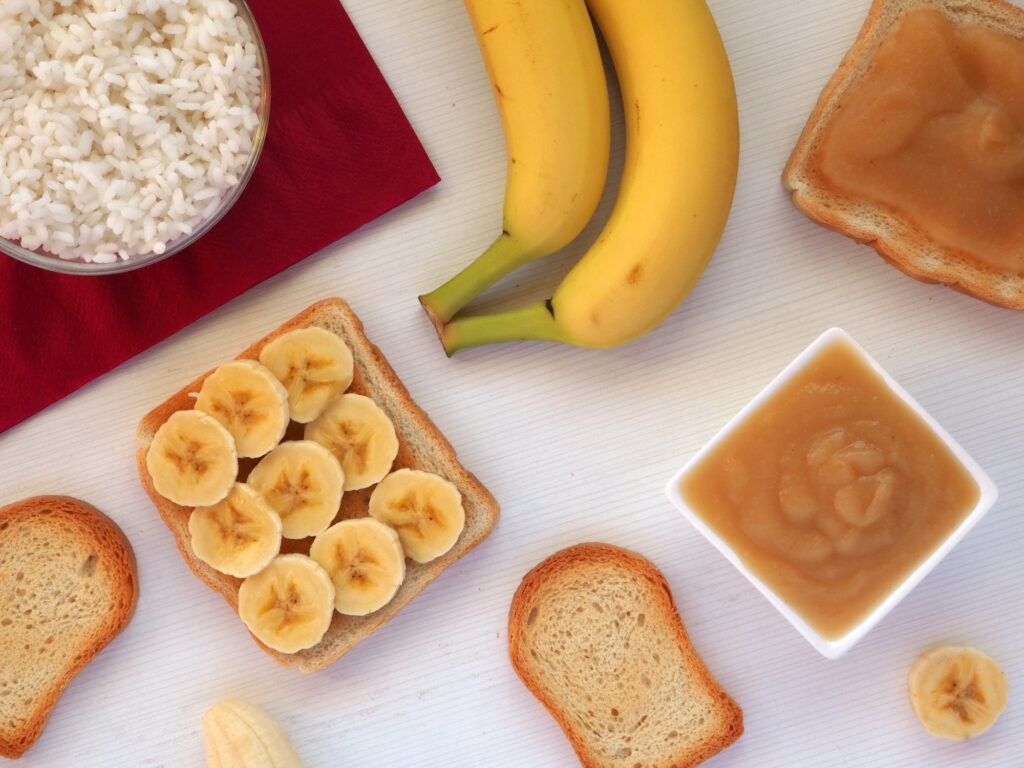
Several foods that are easy to digest, including bananas, rice, applesauce, and toast (BRAT), are recommended by care teams to help manage nausea during cancer treatment. These foods are low in fiber and easy to digest.
Dry carbohydrates like plain crackers, pretzels, and unsweetened dry cereal are bland foods that may be easier on your stomach when you’re experiencing nausea from chemotherapy. Keeping a small portion on the nightstand to eat before getting out of bed in the morning is a practical approach that many patients find helpful.
Salty snacks add another layer of benefit. Vomiting and reduced fluid intake can deplete sodium and potassium, and lightly salted options help replenish those electrolytes. And for protein, which your body still needs during treatment, poached chicken and boiled eggs prepared without heavy seasonings or aromatics are among the least disruptive options for a sensitive stomach. Keep preparation simple: no garlic, onion, or strong herbs.
You may also be wondering whether peppermint helps nausea. Some patients find it soothing, but strong flavors and aromas can backfire during chemotherapy, something the next section addresses through the lens of temperature and sensory management.
Cold and room-temperature options for sensory management
Cold foods reduce aroma, one of the most common triggers for nausea, because they produce significantly less scent than hot foods.
Temperature as a tool. When heat amplifies food odors, even a previously favorite meal can become overwhelming. Chilled options like yogurt, cottage cheese, cold fruit, and smoothie-style drinks sidestep that problem almost entirely. And because yogurt and cottage cheese are recommended protein foods that may be easier to digest during nausea from cancer treatment, they pull double duty by supporting nutrition when appetite is already compromised.
Frozen treats deserve a specific mention. Fruit popsicles and ice chips soothe an irritated palate and help with hydration, which is critical during treatment.
Evidence-based guidance powered by NCCN Guidelines®
Personalized treatment plans shaped by the latest oncology standards—tailored to your diagnosis.
Get started
View your personalized treatment plan in the Outcomes4Me app
Use your diagnosis to unlock personalized NCCN Guidelines®-aligned recommendations.
Continue in app
Room-temperature strategy. If hot food is unavoidable, let it cool, outside the room, before bringing it in. The scent of a warm meal can trigger nausea before you’ve taken a single bite. Allowing it to reach room temperature first gives you a meaningful buffer against that sensory spike.
The evidence behind natural remedies: ginger, peppermint, and lemon
Certain natural compounds show real promise in reducing chemotherapy-induced nausea, and the research is worth knowing.
Ginger is the most studied of the three. Ginger contains compounds called gingerols that researchers have studied for their potential role in nausea relief, possibly through pathways similar to those targeted by some anti-nausea medications. Some patients find ginger helpful, though more research is needed to understand how it works. Not all ginger products work equally well, though. Crystallized ginger, real ginger tea, and ginger ale made with actual ginger root are your best options. Synthetic ginger flavoring may not provide the same benefits as fresh or real ginger, so some patients prefer to try whole ginger products first.
Peppermint and lemon work differently. Peppermint oil can be applied topically, such as on a damp washcloth to the back of your neck, as a complementary approach to help manage nausea during chemotherapy. Inhaling peppermint or citrus scent can help interrupt the brain’s nausea response, essentially giving the senses a brief reset. Mild peppermint or lemon-infused water achieves a similar effect when sipped slowly.
Best candy options for nausea relief follow the same logic. Ginger hard candies and peppermint hard candies are your most practical choices between meals. They deliver a steady, low-level dose of the active compound without requiring a full snack. The next section examines the clinical data behind these remedies more closely, including dosage ranges and how citrus aromatherapy holds up in controlled oncology studies.
Scientific benchmarks for natural anti-emetics
The evidence behind ginger, lemon, and peppermint is stronger than most patients expect, and dosage and delivery method matter significantly.
Ginger extract is a popular choice among people undergoing chemotherapy who experience nausea, and some patients report finding it helpful. You may want to discuss whether ginger could be worth trying as part of your nausea management plan.
Some people exploring ginger for nausea wonder about dosage. If you’re interested in trying ginger extract, your care team can discuss what amount might be worth experimenting with for your situation.
Lemon aromatherapy may help reduce nausea when used along with your anti-nausea medicines, though it cannot replace prescribed medications.
Peppermint oil vs. peppermint tea is worth clarifying. Peppermint oil applied topically, such as on a damp washcloth placed on the back of your neck, may help manage nausea during chemotherapy. And while both forms are generally well tolerated, neither should replace your care team’s prescribed anti-emetic protocol. These remedies supplement your prescribed treatment plan rather than replace it.
Understanding what the evidence actually supports sets a useful foundation. But it’s equally important to recognize where popular nutrition beliefs around cancer treatment break down entirely, which is exactly what the next section addresses.
Common myths and misconceptions in cancer nutrition
Misinformation about cancer nutrition is widespread, and acting on it during chemotherapy can cause real harm.
Understanding which foods to avoid during chemotherapy matters, but so does separating evidence-based guidance from myths that circulate in wellness spaces. A few misconceptions deserve direct attention.
“Sugar feeds cancer” is the most persistent one. Your body uses glucose for energy in all its cells. Some patients find that easily digestible carbohydrates may help them manage nausea during treatment. Your care team’s priority is keeping your caloric intake stable enough to tolerate treatment.
Cancer care guidance for every step of your journey
Get treatment options, clinical trials, and support tailored to your diagnosis--all in one place.
Get started
See treatment options, manage symptoms, and stay informed—all in the app
View treatment options and trials personalized to your diagnosis—plus track progress in real time.
Continue in app“Natural is always safer” is another myth that carries real risk. Several herbal supplements, St. John’s Wort and high-dose antioxidants among them, can interfere directly with how chemotherapy drugs work. Always confirm any supplement with your care team before adding it.
Forcing “healthy” foods when your body rejects them is equally counterproductive. If broccoli or raw vegetables trigger gagging, they aren’t serving you right now. Your body needs steady calories and hydration to recover, not restriction. As the next section explores, the relationship between carbohydrates and cancer is more nuanced than most patients realize.
Cachexia, the severe muscle wasting that affects up to 80% of advanced cancer patients, is a far more immediate threat than dietary sugar during active treatment. When your body can’t get enough calories, it breaks down muscle for energy. At that point, even simple carbohydrates are preferable to no calories at all. Cold foods for nausea, like chilled rice or plain crackers, are a practical way to get those calories in when hot food triggers vomiting.
An oncology dietitian is the right person to help you navigate this tension. They can assess your metabolic needs, track weight loss, and build a personalized care plan that accounts for both your treatment protocol and your ability to eat on any given day.
Complex carbohydrates, oats, sweet potatoes, whole-grain toast, are worth prioritizing when nausea permits, since they digest more slowly and avoid blood sugar spikes. But getting calories in matters more than optimizing their source on hard treatment days.
What you eat is only part of the equation. How and when you drink fluids matters just as much, which is where the next section picks up.
Smart hydration and nutritional supplements during treatment
Hydration strategy is one of the most underrated approaches to managing chemo side effects, and getting it wrong can trigger nausea just as quickly as eating the wrong thing.
Sipping vs. gulping makes a real difference. Drinking large amounts of fluid at once can trigger nausea, which is why healthcare providers recommend drinking slowly and in small amounts throughout the day.
The fluid separation strategy is worth building into your routine: drinking liquids 30–60 minutes before or after meals, rather than during them, helps prevent the overly full feeling that triggers nausea mid-meal. It sounds simple, but it’s one of the more effective adjustments patients can make.
Hydration alternatives worth keeping on hand include electrolyte drinks, diluted fruit juices, and clear broths, all easier on a sensitive stomach than plain water for some patients. And yes, nutritional shakes like Ensure are generally fine during chemotherapy for maintaining calorie intake when solid food feels impossible. That said, how you take supplements matters, which connects directly to evaluating which shake formats and textures your stomach can actually tolerate.
Evaluating nutritional shakes and meal replacements
A well-chosen nutritional shake can fill critical calorie and protein gaps when food feels impossible, though not all formulas work equally well during chemotherapy.
Standard vs. high-protein variants. Standard meal replacement shakes are formulated for general wellness, not the elevated protein demands of cancer treatment. Many high-protein meal replacement products contain around 20–30 grams of protein per serving, though amounts can vary by brand and type. However, their richer consistency can feel overwhelming to a nauseous stomach, so smaller sips taken slowly are a practical approach.
A shake at room temperature smells far more intense than a chilled one because eating foods when they are cool or at room temperature helps reduce nausea. Try pouring the shake over a full glass of crushed ice and drinking through a straw to further minimize odor.
Clear liquid protein drinks are worth considering for patients who can’t tolerate milky textures. These are lighter, translucent options that deliver meaningful protein without the heaviness of a cream-based formula, making them a useful alternative during treatment when digestive sensitivity is high.
Artificial sweeteners in many commercial shakes, particularly sorbitol, mannitol, or sucralose, may contribute to bloating or diarrhea, so you may want to check ingredient labels or ask your care team if they could be a concern for you. And while these strategies can meaningfully reduce discomfort, they work best alongside, not instead of, your care team’s prescribed anti-nausea plan, a distinction the next section explores in depth.
Limitations and considerations. When diet isn’t enough
Severe or persistent vomiting during chemotherapy is a medical issue that requires your care team’s intervention, rather than just a change in what you eat.
Mild vs. breakthrough nausea is an important distinction. Small, frequent meals and ginger-forward foods often ease low-grade queasiness between infusions. But “breakthrough vomiting,” nausea that occurs despite taking anti-emetic medication, may feel different from mild nausea, and some patients and care teams find it helpful to distinguish between these experiences when planning management strategies. Natural remedies work as supplements to prescribed anti-emetics, not replacements for them. Treating them as equivalent can leave you under-managed and at risk of dehydration.
Red flag symptoms deserve immediate attention. Contact your care team if you can’t keep fluids down for 24 hours, feel persistent dizziness, or notice profound weakness, these signal dehydration or an electrolyte imbalance that dietary adjustments simply can’t resolve on their own.
Proactive communication is the practical lever here. If the food strategies covered throughout this article aren’t moving the needle, that’s useful clinical information. Your care team can review your anti-emetic regimen, adjust timing, or switch medications entirely to build a more effective personalized care plan around your specific treatment protocol. Don’t wait until you’re struggling to speak up.
Key takeaways: managing chemo nausea with food
What you eat during chemotherapy can meaningfully reduce nausea, and a few simple principles make the biggest difference.
Here’s a quick summary of what the evidence supports:
- Bland, cold, and salty foods reduce sensory triggers that worsen nausea, think crackers, chilled broth, and plain rice.
- Ginger and peppermint are evidence-based natural aids, but check with your care team before adding either consistently to your routine.
- Don’t avoid “unhealthy” snacks if they’re what you can keep down. Calories are the priority during treatment, your care team can help you course-correct on nutrition once nausea stabilizes.
- Hydrate between meals, not during them, to avoid over-distending your stomach and making nausea worse.
And if dietary strategies aren’t cutting it, that’s a signal, not a failure. Persistent nausea deserves a conversation with your care team and possibly a change to your anti-nausea medication plan. The Outcomes4Me app can help you track symptoms, prepare questions, and connect with oncology nurse practitioners who can support a personalized care plan every step of the way.
Disclaimer: The information provided in this article is for informational purposes only and is not intended to be a substitute for professional medical advice, diagnosis, or treatment. Outcomes4Me is not acting as your caregiver, and any suggestions or guidance offered should not replace the advice of your healthcare provider or qualified medical professional. Always seek the guidance of your physician or other qualified health provider with any questions you may have regarding a medical condition.
Personalized support for real care decisions
Understand your diagnosis, explore clinical trials, and track symptoms--all in one place.
Get started
Compare treatments, prepare for appointments, and track side effects—all in the app
Built for your diagnosis, Outcomes4Me gives you the tools to make confident, informed decisions—right when you need them.
Continue in app