Watch and wait CLL is a deliberate strategy. When chronic lymphocytic leukemia (CLL) behaves indolently, your care team monitors blood counts, lymph nodes, and symptoms on a set schedule rather than starting therapy that wouldn’t yet improve how you feel or how your disease behaves. Treating a slow-moving disease before it causes problems exposes you to side effects without a clear benefit.
The emotional reality is harder. Many patients call this period “watch and dread,” and that name earns itself. You’ve been handed a cancer diagnosis and simultaneously told nothing happens next, which can feel like being left on a platform watching for a train you hope never arrives.
Reframe it as “monitor and move on.” Surveillance is the medical task. Everything between appointments belongs to you.
Common patterns in emotional response
Anxiety during CLL watch-and-wait usually clusters around predictable triggers. The week before lab work, a new swollen node found in the shower, an unexplained bruise. That’s normal concern. Clinical distress looks different, with sleep loss, intrusive thoughts, or withdrawal that persists for weeks. Breaking the scanxiety (scan anxiety) cycle often starts with preparation. Write your questions down beforehand, and ask your oncologist which numbers actually matter.
Defining the relationship between CLL and anxiety
Many people with CLL on watch-and-wait experience anxiety related to the uncertainty of the condition, and this emotional response is distinct from the physical effects of the disease itself. That distinction matters because it means the anxiety is treatable on its own terms. Chronic stress can tax immune function and worsens sleep, appetite, and energy, all of which compound how you feel day to day. While managing stress and anxiety is important for your overall well-being during watch-and-wait CLL, current evidence suggests that lifestyle factors like exercise and diet may help slow disease progression rather than showing that stress itself accelerates it. Worrying about worry isn’t a productive use of your attention.
Addressing persistent CLL fatigue and exhaustion
Cancer-related fatigue is a distinct condition that affects people with CLL and may require specific management strategies beyond rest alone.
Why am I so tired with CLL when my counts look fine? The disease itself produces inflammatory signaling molecules called cytokines, and those circulate whether or not your white count has shifted much since your last draw. Stable labs don’t guarantee stable energy.
Before attributing everything to CLL, ask your care team to rule out secondary causes. CLL blood tests during watch-and-wait can screen for anemia, and your care team may recommend blood tests to check thyroid function, vitamin B12 and vitamin D status, iron stores, and blood glucose, as imbalances in these areas can sometimes contribute to fatigue. Depression and sleep apnea may also contribute to fatigue and anxiety. If you experience symptoms of either condition, your care team can discuss whether screening or treatment might help.
How CLL fatigue is treated and managed
Chronic lymphocytic leukemia fatigue treatment usually starts without a prescription. Energy conservation means pacing yourself with CLL fatigue, scheduling demanding tasks for your strongest hours and building in rest before you need it. Light, consistent activity like walking or gentle resistance work reliably helps more than rest alone. If fatigue is severe and affecting your daily life, it may be worth asking your care team whether medication options exist that could help manage it.
Action items for the active surveillance period
Build a routine that captures what matters without inviting hyper-fixation. A brief weekly note of energy level, night sweats, appetite, and any new nodes gives your oncologist trend data and gives you permission to stop scanning your body hourly. Checking daily tends to amplify anxiety rather than catch anything sooner.
Expand your care team beyond oncology. A registered dietitian can address nutritional gaps. A therapist experienced with chronic illness can give you tools for dealing with uncertainty after a CLL diagnosis. A primary care provider keeps vaccinations and routine screening current, which matters more when immune function is compromised.
Organize your records. Keep every complete blood count in one place, ideally in a format that lets you see lymphocyte counts plotted over time. Single results rarely mean much; the slope does. Watching a trend line is also a far better use of worry than re-reading one number.
Markers for transitioning to active treatment
When does CLL need treatment? Many oncologists use clinical guidelines such as IWCLL criteria when making decisions about watch-and-wait monitoring, though approaches may vary based on individual patient factors. CLL progression signs include rapid lymphocyte doubling time, progressive anemia or low platelets from marrow involvement, bulky or symptomatic lymph nodes, an enlarging spleen, and B-symptoms, such as drenching night sweats, fevers without infection, unintended weight loss, and severe fatigue. Knowing the specific triggers means watch-and-wait ends on defined terms, not a vague feeling.
Building a specialized CLL support system
Generic cancer groups often skew toward active treatment, which can leave surveillance patients feeling out of place. Look for CLL support groups, many offered by disease-specific organizations, where others understand living with CLL without current therapy.
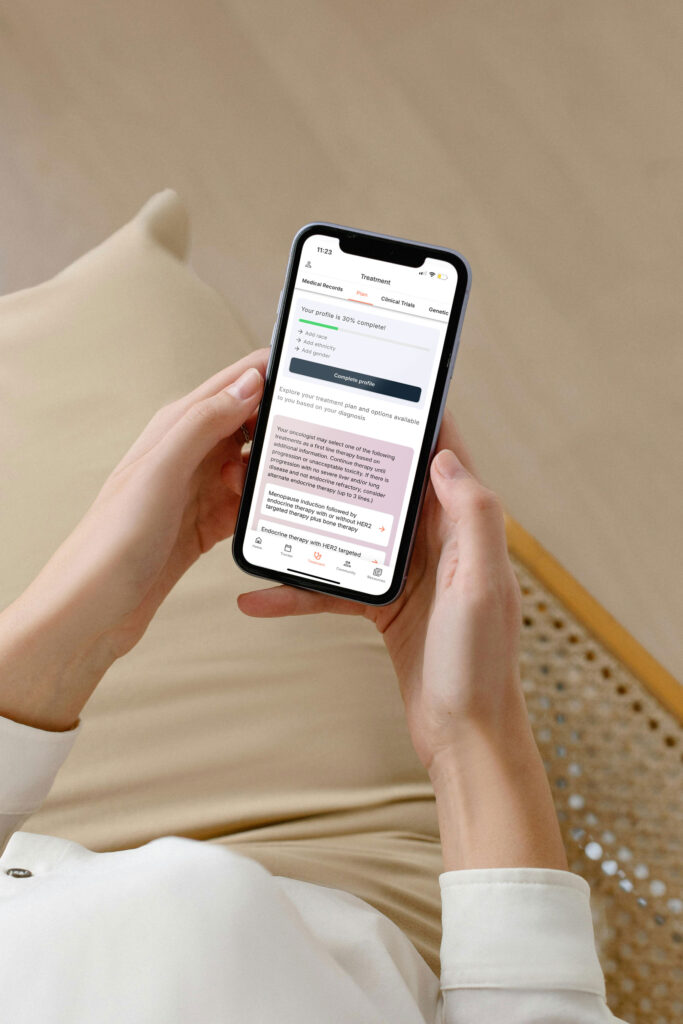
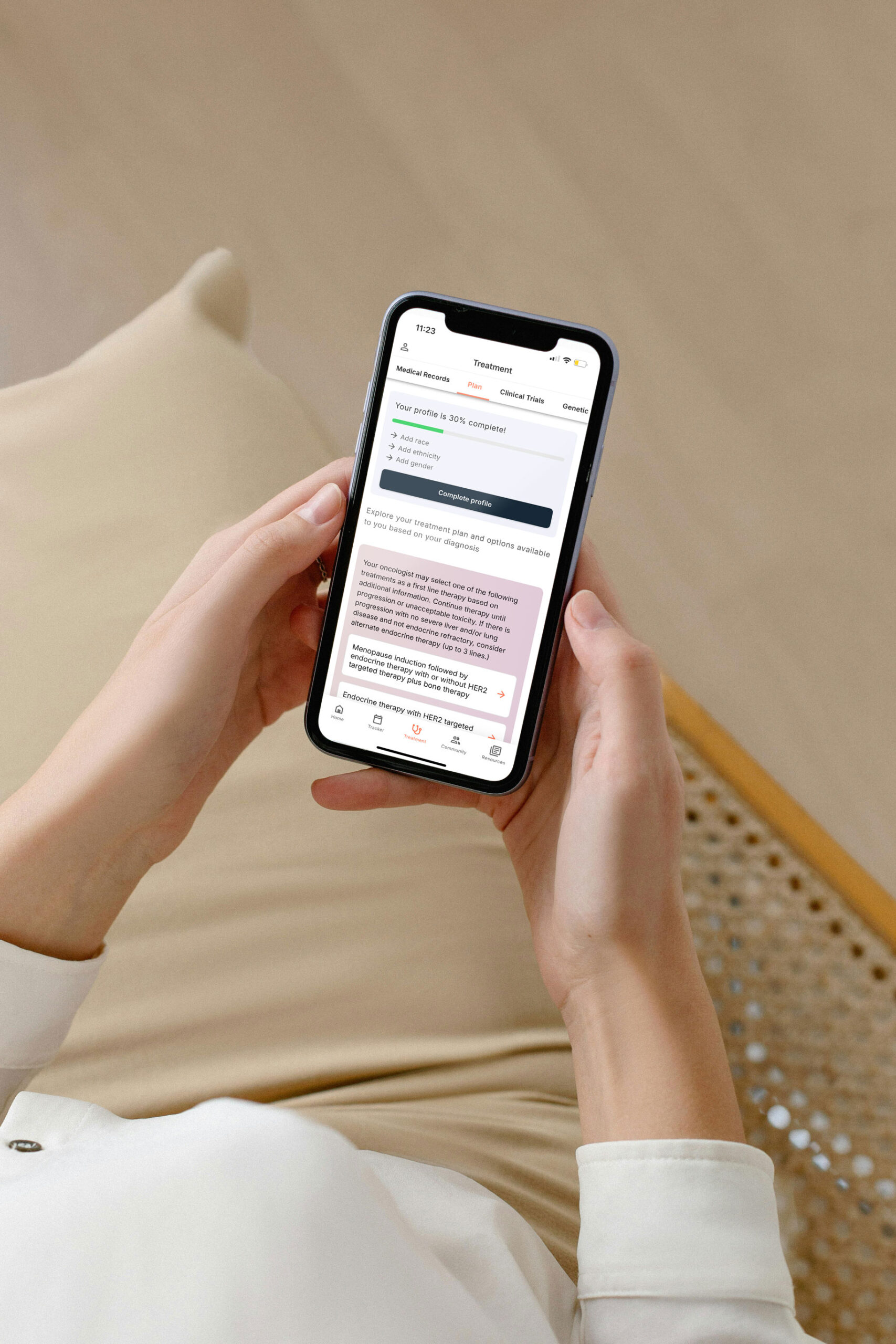
Family needs explanation too. “No treatment yet” sounds like neglect to people who equate cancer with chemotherapy. Digital health platforms can help you track symptoms and quality-of-life metrics over time.
Limitations and considerations of surveillance
CLL active surveillance is not appropriate for every patient. Some disease biology moves quickly enough that waiting forfeits the advantage of treating while a patient is strong and marrow function is intact. CLL watchful waiting is a judgment made about your specific disease, not a default applied to the diagnosis category.
The central trade-off is real. Early intervention may control disease sooner but commits you to side effects, monitoring burden, and potential long-term toxicity during years you might otherwise feel well. Deferring treatment preserves quality of life but requires tolerating uncertainty and keeping appointments reliably.
How long you can live with CLL without treatment varies enormously between patients, which is precisely why the decision is individualized. Your oncologist weighs genetic markers, staging, symptom burden, age, and other health conditions. Ask directly what factors are driving your plan and what would change it, so that conversation converts a policy into something you can participate in.
When surveillance isn’t the right approach
High-risk genetic features, such as TP53 deletion or mutation, can prompt earlier discussion of therapy and different drug selection. Patient preference also carries weight. If waiting itself is destroying your quality of life, say so explicitly. Practical barriers matter too, as active surveillance for CLL involves regular blood tests and physical exams at appointments scheduled based on your individual case, and distance, cost, or time off work can make frequent monitoring genuinely difficult.
What You Need to Know
- Active surveillance is a proactive medical strategy intended to preserve quality of life, not a delay in care.
- Fatigue and anxiety are legitimate, manageable parts of this phase and deserve clinical attention of their own.
- Naming the “watch and dread” feeling makes it easier to build coping strategies instead of suppressing it.
- Defined clinical markers, such as doubling time, cytopenias, bulky nodes, and B-symptoms, determine when monitoring becomes treatment.
- CLL self-care during watch-and-wait means pacing, movement, sleep, nutrition, and support, applied consistently.
Disclaimer: The information provided in this article is for informational purposes only and is not intended to be a substitute for professional medical advice, diagnosis, or treatment. Outcomes4Me is not acting as your caregiver, and any suggestions or guidance offered should not replace the advice of your healthcare provider or qualified medical professional. Always seek the guidance of your physician or other qualified health provider with any questions you may have regarding a medical condition.