Regular physical activity has been shown to reduce fatigue, improve strength and mood, and even improve treatment outcomes. What if you’re too exhausted to exercise? What if treatment side effects, advanced cancer, or muscle loss make even a short walk feel impossible?
A new study is exploring whether it can uncover exactly how exercise helps the body fight cancer and eventually turn those discoveries into new treatments for people who aren’t able to be physically active.
While this research is still in its early stages, it could one day open the door to new therapies that help more patients benefit from the biology of exercise.
Why this research matters
Exercise isn’t always an option. Many people living with advanced cancer experience overwhelming fatigue, weakness, pain, or significant muscle loss. Others may be recovering from surgery or coping with treatment side effects that make physical activity difficult.
Instead of studying exercise simply to prove it’s beneficial, scientists want to understand what happens inside the body during physical activity. Their hope is that those discoveries could lead to new medicines that mimic some of exercise’s cancer-fighting effects.
Evidence-based guidance powered by NCCN Guidelines®
Personalized treatment plans shaped by the latest oncology standards—tailored to your diagnosis.
Get started
View your personalized treatment plan in the Outcomes4Me app
Use your diagnosis to unlock personalized NCCN Guidelines®-aligned recommendations.
Continue in app
These treatments wouldn’t replace exercise. Rather, they could offer another option for people who simply aren’t able to be active because of their cancer or treatment.
What happens inside your body when you exercise?
When you exercise, your body does much more than build muscle or strengthen your heart.
Physical activity also affects:
- Your immune system
- Your metabolism
- The bacteria that live in your gut (your gut microbiome)
- Natural proteins and molecules that help cells communicate
Researchers believe some of these changes may help the immune system recognize and attack cancer cells more effectively.
They’re now studying whether those same biological changes could someday be recreated with new treatments.
Three exciting areas researchers are exploring
- Helping the immune system fight cancer
Exercise changes the levels of certain natural substances in your bloodstream.
One of these is lactate, a molecule your muscles produce during physical activity. While lactate is often associated with sore muscles, researchers have found it may also help activate important immune cells called CD8+ T cells, which help the body recognize and destroy cancer cells.
In early laboratory studies, lactate alone was able to trigger some of these immune effects, even without exercise.
- Changing the gut microbiome
Exercise also changes the community of bacteria living in your digestive system. These healthy bacteria produce substances that may strengthen the immune system and even help some patients respond better to immunotherapy.
Researchers are now exploring whether future treatments that target the gut microbiome could provide similar benefits for patients who can’t exercise.
- Activating helpful proteins
When your muscles contract during exercise, they release proteins that send signals throughout the body.
One of these proteins, called IL-15, appears to help the immune system recognize and attack cancer cells. In laboratory studies, activating this pathway produced encouraging anti-cancer effects, even without exercise.
Although these findings are still early, they suggest that scientists may be able to develop new therapies inspired by the biology of exercise.
What does this mean for patients?
This research won’t change your treatment today, but it could change how cancer treatments are developed in the future.
Instead of seeing exercise only as something patients should do, scientists are beginning to see it as a valuable source of clues about how the body naturally fights cancer.
If researchers can identify those biological processes, they may eventually be able to create treatments that help patients who are too sick or too weak to exercise.
That could be especially meaningful for people living with:
- Advanced or metastatic cancer
- Cancer-related muscle loss (cachexia)
- Severe fatigue
- Treatment-related side effects
- Other health conditions that make exercise difficult
Exercise is still one of the best tools we have
It’s important to remember that this research is not suggesting that future medicines could replace exercise. Exercise affects the entire body in complex ways that scientists can’t fully recreate with a single drug.
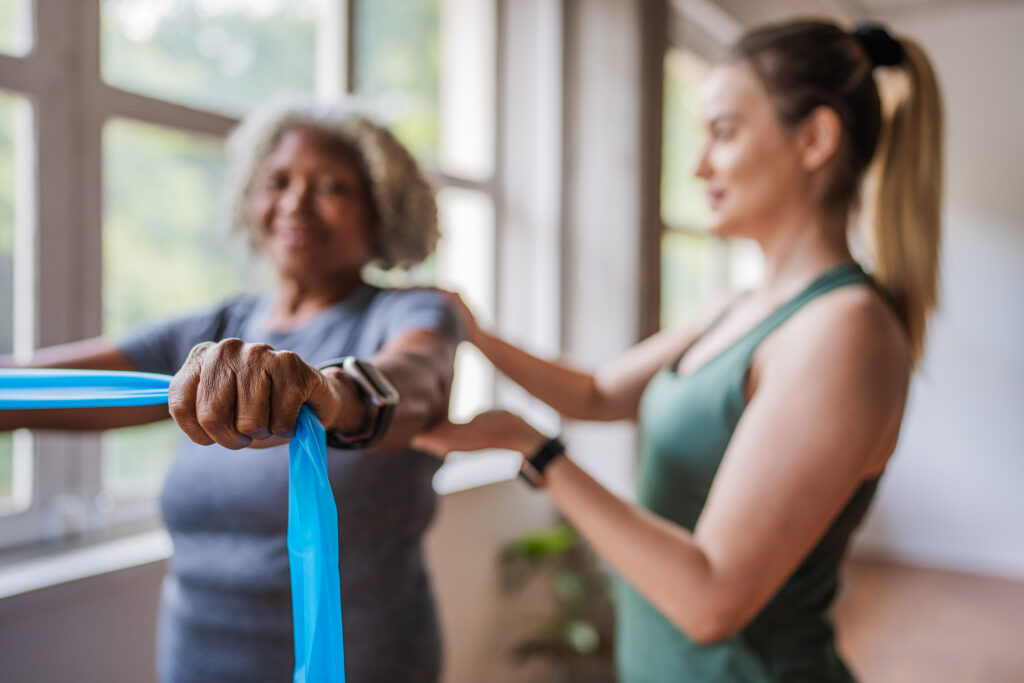
If you’re able to be active, even gentle movement can make a difference. Depending on your health and treatment plan, activities like walking, stretching, yoga, or light strength training may help improve energy, maintain muscle, reduce stress, and support your overall well-being.
Always talk with your cancer care team before starting a new exercise routine so they can recommend what’s safe for you.
As always, if you would like to connect with an Outcomes4Me oncology nurse practitioner at no charge through the Outcomes4Me app, just use the “Ask Outcomes4Me” button.
Personalized support for real care decisions
Understand your diagnosis, explore clinical trials, and track symptoms--all in one place.
Get started
Compare treatments, prepare for appointments, and track side effects—all in the app
Built for your diagnosis, Outcomes4Me gives you the tools to make confident, informed decisions—right when you need them.
Continue in app