More and more research is validating that movement and exercise for cancer patients are a clinical necessity, not an optional add-on. Data shows that physical activity directly influences cancer biology, affecting tumor microenvironments, reducing systemic inflammation, and improving how the body tolerates treatment. Exercise doesn’t just help you feel better; it interacts with the mechanisms of cancer itself. On the other hand, prolonged inactivity during treatment is increasingly linked to accelerated muscle loss, worsening fatigue, and poorer long-term outcomes.
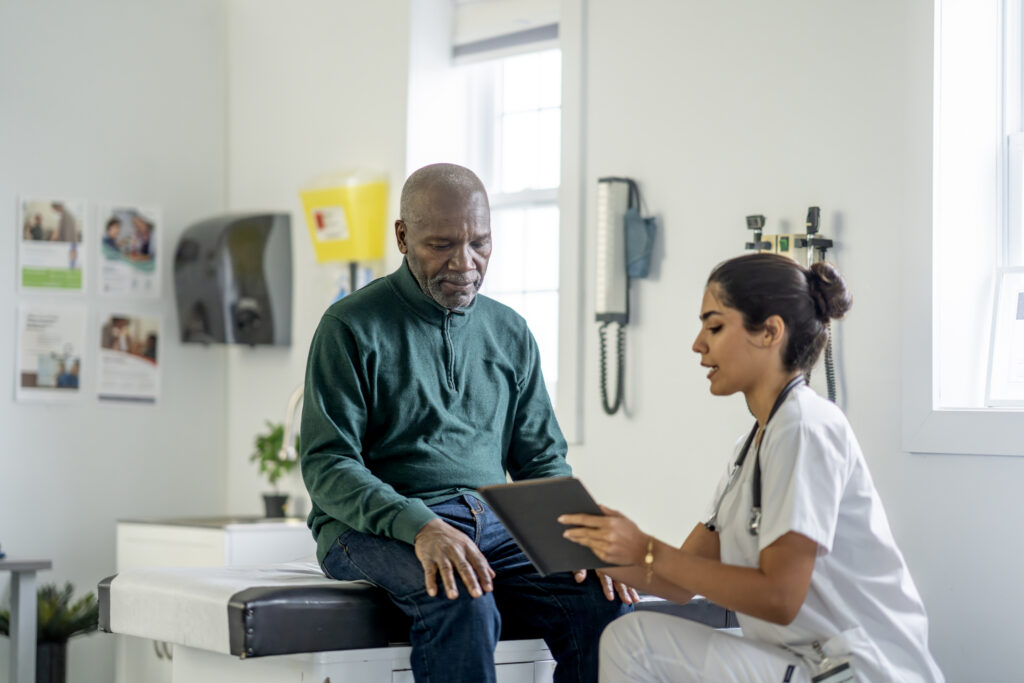
What makes modern oncology care different is personalization. No two patients respond to treatment the same way, which means no two movement plans should look identical either. Factors like your cancer type, treatment phase, fitness baseline, and specific side effects all shape what’s appropriate and what’s genuinely helpful versus potentially harmful. This is where personalized oncology care becomes essential.
Navigating the active treatment phase: Safe movement during chemo and radiation
Active treatment is one of the most physically demanding phases of cancer care — yet it’s also when movement can make the most meaningful difference. The right exercise approach during chemo and radiation isn’t about pushing limits; it’s about maintaining function, easing symptoms, and supporting your body through an incredibly challenging time.
Walking is a gentle way to stay active during chemotherapy and radiation therapy. Even short, consistent walks — 10 to 20 minutes on lower-fatigue days — help preserve cardiovascular baseline, reduce inflammation, and combat the fatigue that builds over a treatment cycle. For patients managing significant fatigue or limited mobility, chair exercises for cancer patients offer a practical alternative that keeps muscles engaged without overtaxing the body. Gentle stretching can also preserve flexibility and mobility that becomes much harder to recover later.
Evidence-based guidance powered by NCCN Guidelines®
Personalized treatment plans shaped by the latest oncology standards—tailored to your diagnosis.
Get started
View your personalized treatment plan in the Outcomes4Me app
Use your diagnosis to unlock personalized NCCN Guidelines®-aligned recommendations.
Continue in app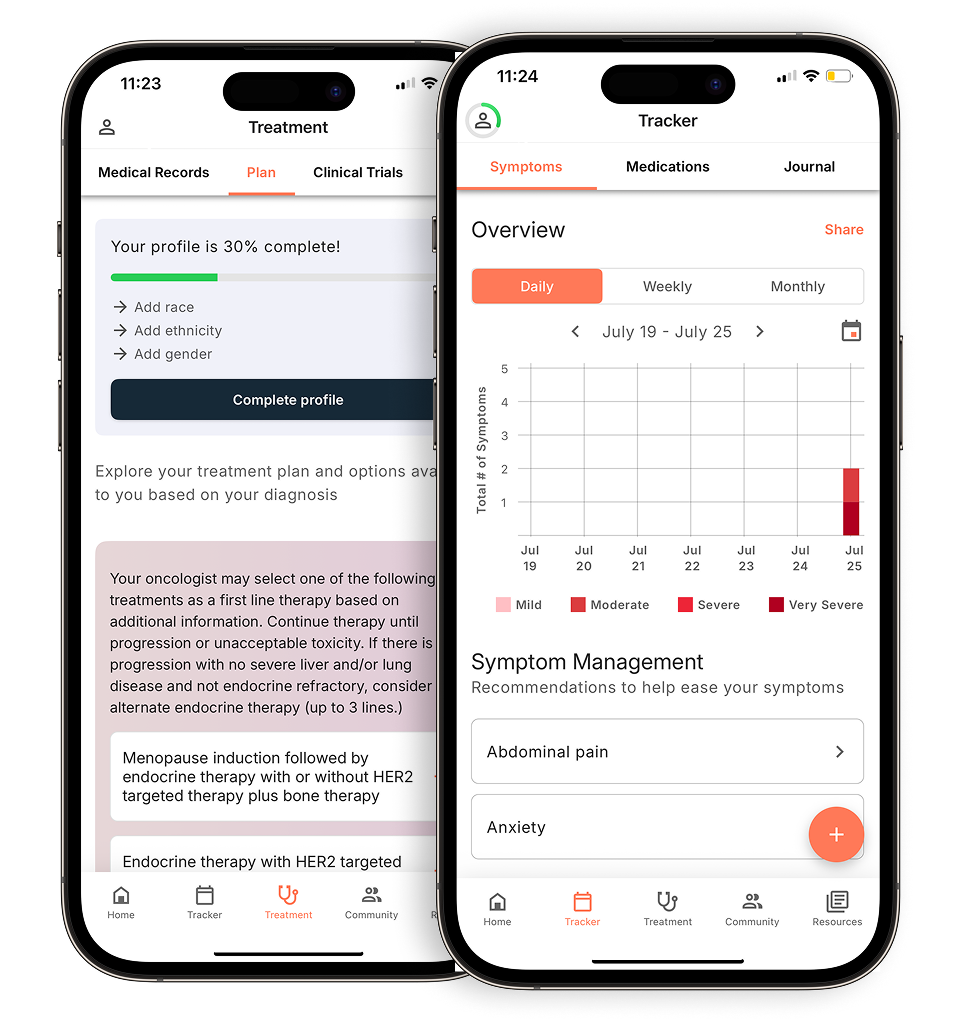
For managing anxiety and the cognitive fog often called “chemo brain,” research supports mind-body modalities as particularly effective. Restorative yoga and Tai Chi are both proven to reduce treatment-related anxiety while also improving focus and sleep quality, benefits that compound over time.
Is strength training safe for cancer patients?
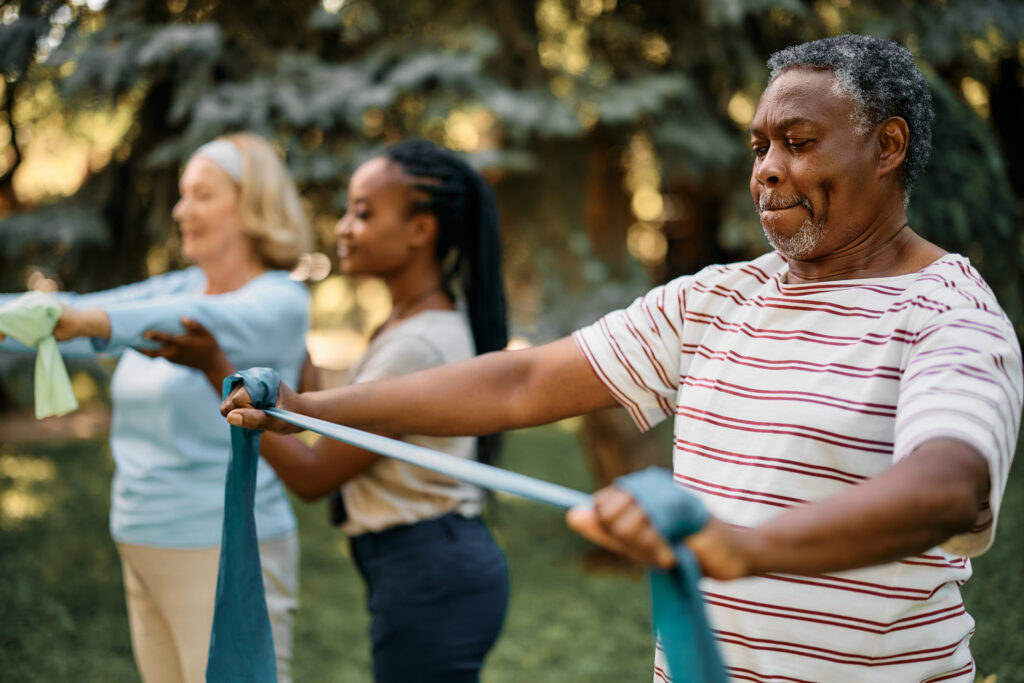
Strength training can help you maintain muscle mass as you navigate treatment, which is essential because some therapies can chip away at muscle mass and bone density. Research also shows that strength training may help you tolerate treatment better.
For cancer survivors, incorporating resistance training alongside aerobic exercise is foundational. Progressive loading rebuilds lean muscle, supports metabolic health, and counters the fatigue that often lingers well beyond treatment. Even modest resistance work, done consistently, produces meaningful gains over time. Not only does movement help you feel better, but new data shows it can lower the risk of recurrence and death.
Balance and proprioception training addresses a frequently overlooked consequence of chemotherapy: peripheral neuropathy in the feet. Numbness and tingling disrupt the body’s ability to sense ground contact, increasing fall risk. Single-leg stands, heel-to-toe walking, and stability exercises directly retrain those neural pathways.
All of these modalities can be a part of reaching the recommended exercise guidelines for people with cancer. Remember to start small and that some movement is better than no movement.
Addressing fatigue and lymphedema
Cancer-related fatigue is best treated by moving more, not less. It sounds counterintuitive, but rest alone tends to deepen the cycle of exhaustion. Research consistently identifies exercise as the most effective intervention for cancer-related fatigue — outperforming pharmacological options in multiple studies. Many patients find this hard to believe, especially when the weight of daily exhaustion already feels invisible to those around them. Working out during chemo doesn’t have to mean intense sessions — even light walking or gentle movement activates physiological pathways that reduce inflammatory markers and improve energy regulation over time. The goal is consistency, not intensity.
The lymphedema concern is equally worth addressing. Emerging evidence in personalized oncology exercise confirms that slow, progressive weightlifting is considered safe and beneficial for lymphedema, debunking older clinical assumptions. Slow, supervised progressive loading is safe and may actually reduce symptoms.
Beyond the physical, there’s a psychological dimension that’s equally important. Regaining physical capability — lifting slightly more than last week, walking slightly farther — restores a sense of agency that treatment can strip away. That shift in mindset matters, and it sets the stage for something we’ll explore next: why your specific clinical profile should shape every detail of your movement plan.
Personalizing your path: Why your clinical data matters
No two cancer diagnoses are identical — and that means post-cancer fitness strategies can’t follow a universal template. Your genetic markers, treatment type, and current side effect profile all shape what’s safe, effective, and sustainable for you. Research on personalized exercise programs in oncology confirms that exercise prescriptions calibrated to an individual’s treatment protocol produce better outcomes than general activity guidelines.
Tracking side effects in real time matters just as much as the plan itself. Fatigue, neuropathy, and joint pain can fluctuate day to day — sometimes hour to hour. If you’re managing energy levels that shift unpredictably during treatment, adjusting exercise intensity based on how you feel that morning is key.
The bottom line: Your movement checklist
Before anything else, consult your oncologist. Your provider holds clinical data that directly shapes what’s safe and effective for you. A personalized exercise plan built on your pathology, current treatment, and lab values will always outperform a generic program.
From there, the core benchmarks give you a framework to build on:
- Aim for 150 minutes of moderate aerobic activity weekly. Walking, cycling, and swimming are accessible starting points that research consistently supports for improving survival outcomes and quality of life.
- Add strength training twice a week to protect bone density — especially relevant if your treatment includes hormone therapy or corticosteroids.
- Use the RPE scale daily. Your body’s capacity fluctuates, and rating perceived exertion helps you adjust intensity without guesswork. On difficult days, gentle options like yoga for managing cancer fatigue can maintain momentum without overloading your system.
- Leverage personalized tools that align recommendations with your specific clinical guidelines, rather than relying on one-size-fits-all advice.
As you refine your approach using personalized oncology programs, you’ll find that each element reinforces the others, building a sustainable habit rather than a short-term intervention.
Personalized support for real care decisions
Understand your diagnosis, explore clinical trials, and track symptoms--all in one place.
Get started
Compare treatments, prepare for appointments, and track side effects—all in the app
Built for your diagnosis, Outcomes4Me gives you the tools to make confident, informed decisions—right when you need them.
Continue in app