Understanding the immune response. What is intravesical BCG therapy?
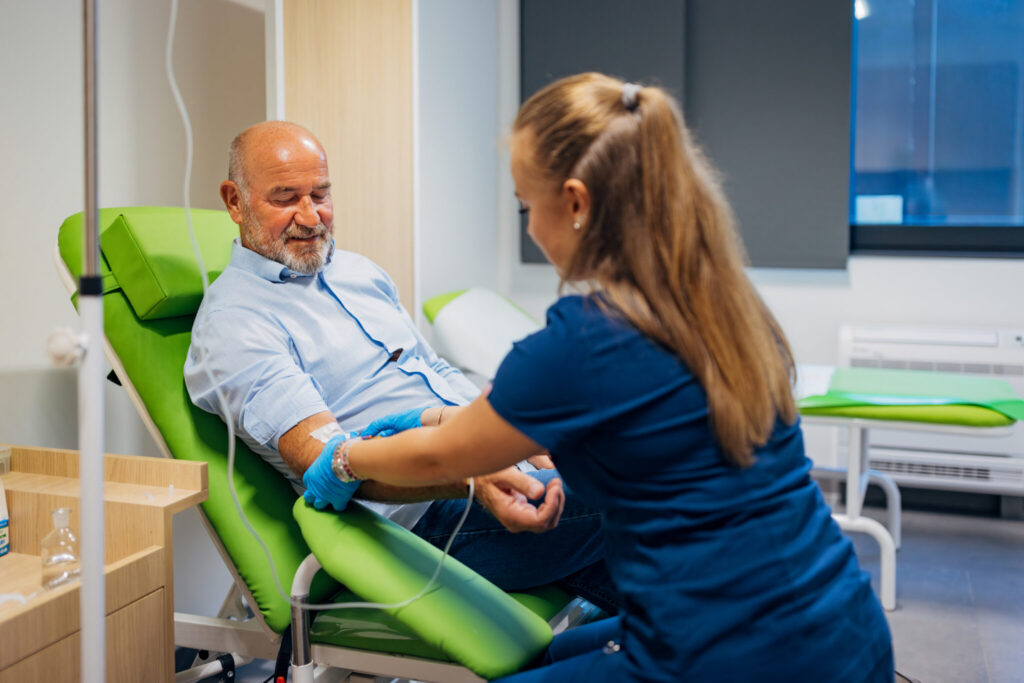
BCG (Bacillus Calmette-Guérin) is a live, weakened bacterium delivered directly into the bladder through a catheter. It isn’t a drug that kills cancer cells on contact. BCG is immunotherapy in which the bacteria irritate the bladder lining, your immune system rushes in to investigate, and that activated response targets remaining cancer cells.
BCG is a standard treatment for non-muscle-invasive bladder cancer (NMIBC), disease confined to the inner layers of the bladder wall. Because it’s intravesical, it stays local. Systemic chemotherapy circulates through your whole body; BCG works where it’s placed.
Normal vs. abnormal reactions
Mild symptoms mean the immune system is doing its job. Expect urinary frequency, urgency, and burning during the first few voids. Systemic flu-like symptoms, including low-grade fever under 101.3°F, fatigue, and mild body aches, are also within range.
Red flags look different. A fever at or above 101.3°F, severe pain, or an inability to urinate are not the immune system working. Those warrant a call.
Common side effects. The first 48 hours and beyond
Hours 0–6. You hold the solution, then void. Burning urination after BCG treatment is most intense in the first 0–6 hours, often strongest in the first two or three trips to the bathroom. Frequent urination after BCG treatment follows, sometimes hourly.
Hours 24–48. Many patients report that urinary symptoms may begin to improve within 24–48 hours after BCG treatment, though the timing varies from person to person. Flu-like symptoms after BCG treatment, including chills, low-grade fever, and fatigue, tend to appear and then fade in the 24–48 hour window.
Blood in urine after BCG treatment is common as a pink tinge or light spotting. Dark red urine, or visible clots, is a different category.
Some patients experience that BCG side effects build up over the course of treatment, though experiences vary widely. Talk with your care team about what to expect during your treatment course. Some patients experience mild side effects after their first BCG treatment, while others report that side effects feel stronger after later treatments as their body’s immune response develops.
Managing bladder irritation and urinary symptoms
Once the retention period ends, drink steadily through the next day to flush the bladder. Ask your care team before using any over-the-counter product for dysuria, as some phenazopyridine products discolor urine and complicate monitoring.
A typical pattern for urinary symptoms involves urgency beginning within an hour of the first void, peaking that evening, and resolving within 24 hours without intervention.
Fatigue after BCG treatment is real, and scheduling rest beats powering through. Clear the day after each instillation if you can.Take your temperature with the same thermometer, at the same site, twice daily for two days, as consistency matters more than precision.
When to contact your care team immediately
The triage guidelines are clearer than most patients expect.
Call urgently for a fever at or above 101.3°F, gross hematuria with large clots, inability to pass urine, a severe or spreading skin rash, joint pain or swelling, yellowing of the skin or eyes, a persistent cough, or confusion.
BCGosis is a rare but serious complication, a disseminated BCG infection where the live bacteria spread beyond the bladder into the bloodstream, liver, lungs, or bone. It requires urgent antimicrobial treatment, not watchful waiting.
Sepsis warning signs overlap and escalate. High fever with shaking chills, rapid heartbeat, rapid breathing, low blood pressure, clammy skin, and disorientation. These are emergency department symptoms. Don’t wait for morning.
The fever threshold
A high fever is the single clearest signal of possible systemic BCG infection, which is why BCG treatment fever concerns come down to one number. Below 101.3°F and resolving: monitor. At or above 101.3°F, or persisting beyond 48 hours. Call the urology on-call line or nurse triage.
If you go to the emergency room, say this first. You received live bacterial immunotherapy into your bladder.
Urinary blockage and severe pain
In rare cases, complications from BCG treatment may potentially affect urine flow. If you experience difficulty urinating or other urinary symptoms, contact your doctor promptly.
There’s a difference between discomfort you can work around and pain that stops you from standing, sleeping, or driving. Urinary retention can be uncomfortable and may potentially affect kidney function if it persists, which is why it’s important to report this symptom to your care team. Go in.
Safety and home care
Live bacteria leave your body in your urine, so home protocol matters for six hours after each instillation.
Toilet disinfection. Pour household bleach into the bowl after each void during that window, let it sit, then flush.
Hygiene. Wash hands thoroughly after every bathroom trip. If leakage occurs, wash affected clothing or linens separately in hot water.
Hydration. Drink consistently after the retention period ends, but avoid flooding yourself, as large volumes at once increase urgency and bladder wall irritation.
Activity. Most patients return to desk work the next day. Hold off on strenuous exercise until urinary symptoms settle, and confirm timing with your care team if your work is physically demanding.
Understanding what to expect from BCG bladder treatment makes these steps routine rather than anxiety-inducing.
Bathroom safety
Keep a measured container of household bleach beside the toilet. After urinating, pour it into the bowl, close the lid, wait 15 to 20 minutes, then flush.
Sit to urinate, all genders, for the full six hours. Sitting eliminates splash and aerosol spread. For spills on skin, wash immediately with soap and water. For floors, wipe with a diluted bleach solution.
Hydration and diet during the treatment cycle
Limiting caffeine, alcohol, carbonated drinks, and spicy foods during the first 48 hours after BCG instillation may help reduce bladder irritation. Ask your care team what you should avoid after BCG treatment.
Drinking lots of fluids after BCG treatment can help dilute your urine, which is an important precaution to reduce the risk of spreading BCG bacteria to others.
Some patients have reported loose stools or diarrhea after BCG treatment, though this is not a universal experience. Keep fluids up and mention persistent changes to your care team at the next visit.
Why ‘no side effects’ isn’t always the goal
Rough side effects don’t mean treatment is working harder.
Side effect intensity varies from person to person and may reflect how your particular immune system reacts to local irritation. Your care team can help you understand what side effects to expect and whether they relate to how well the treatment is working. People receiving the same BCG dose may experience different side effects, and these differences don’t necessarily reflect how well the treatment will work for each person.
What severe toxicity reliably predicts is interruption. Some patients who experience severe side effects may need to skip doses, delay treatment cycles, or stop BCG treatment early. Your care team can help you manage side effects so you can complete your full course of treatment if possible. That’s the genuine threat to efficacy.
This is why some urologists may use reduced-dose BCG in an attempt to maintain immune benefits while potentially reducing side effects that lead some patients to stop treatment. Ask your care team whether this approach might be an option for you. Your doctor may recommend continuing BCG treatment beyond the initial cycle, called maintenance therapy, so it’s important to ask your healthcare team how many treatments you’ll have and how often you’ll receive them.
Limitations and considerations
BCG isn’t appropriate for everyone. Patients with significantly weakened immune systems, active urinary tract infection, gross hematuria at the time of instillation, or recent bladder trauma may need an alternative approach. Your urologist screens for this before each dose. Your side effect experience says little about your long-term outcome. Mild symptoms aren’t failure. Severe symptoms aren’t insurance. Treat them as separate questions.
Trade-offs: BCG vs. Alternative Intravesical Therapies
When BCG can’t be tolerated or isn’t available, intravesical chemotherapy, including gemcitabine, mitomycin, or combinations, becomes an option.
The side effect profiles differ. Immunotherapy produces flu-like systemic symptoms; intravesical chemotherapy more often causes local irritation and, occasionally, skin reactions.
Your doctor may discuss switching treatments if you experience recurrent severe side effects, repeated delays in receiving BCG, or signs of a BCG-related infection.
What you need to lnow about BCG side effects
- Common side effects of BCG treatment include bladder irritation, burning or pain when urinating, chills, and flu-like symptoms, which typically start within 4 to 6 hours and may last for 24 to 72 hours.
- Call your care team for any fever at or above 101.3°F, or BCG treatment side effects lasting more than 3 days.
- Follow the six-hour bleach protocol at home after every treatment.
Disclaimer: The information provided in this article is for informational purposes only and is not intended to be a substitute for professional medical advice, diagnosis, or treatment. Outcomes4Me is not acting as your caregiver, and any suggestions or guidance offered should not replace the advice of your healthcare provider or qualified medical professional. Always seek the guidance of your physician or other qualified health provider with any questions you may have regarding a medical condition.