Managing bevacizumab (Avastin) side effects in ovarian cancer is an active, ongoing part of staying on therapy and protecting your quality of life.
Bevacizumab works by targeting vascular endothelial growth factor (VEGF), a protein tumors rely on to build new blood vessels. By blocking that blood supply, bevacizumab effectively starves the tumor, slowing its growth. However, your healthy blood vessels use the same VEGF pathway. That’s why bevacizumab’s side effects are distinctly vascular in nature, including elevated blood pressure, protein in the urine, and slower wound healing, rather than the hair loss or nausea you might associate with traditional chemotherapy.
This mechanism makes a personalized care plan essential. What you experience with bevacizumab will depend on your baseline health, how your body responds to anti-angiogenic therapy, and how closely your care team monitors early warning signs.
Track proactively rather than waiting for symptoms to become severe. Catching a blood pressure spike or rising protein levels early, before they escalate, keeps you on therapy longer. The sections ahead walk you through the two most common vascular side effects and exactly how to manage them.
Managing hypertension and proteinuria
Hypertension and proteinuria are the two vascular side effects that require the most structured, proactive monitoring when managing bevacizumab side effects in ovarian cancer.
Hypertension is a known side effect of bevacizumab, and researchers believe it may be related to changes in blood vessel function, though the exact mechanisms are still being studied. Your care team can help you understand your individual risk and management options. Daily blood pressure logging is essential. This is how you and your care team catch a dangerous rise before it forces a dose interruption. A low-sodium diet supports this by reducing fluid retention and easing vascular pressure. Your care team will likely loop in your primary care provider (PCP) to co-manage any anti-hypertensive medication, since getting the right agent at the right dose requires close, ongoing coordination rather than a one-time prescription.
Evidence-based guidance powered by NCCN Guidelines®
Personalized treatment plans shaped by the latest oncology standards—tailored to your diagnosis.
Get started
View your personalized treatment plan in the Outcomes4Me app
Use your diagnosis to unlock personalized NCCN Guidelines®-aligned recommendations.
Continue in app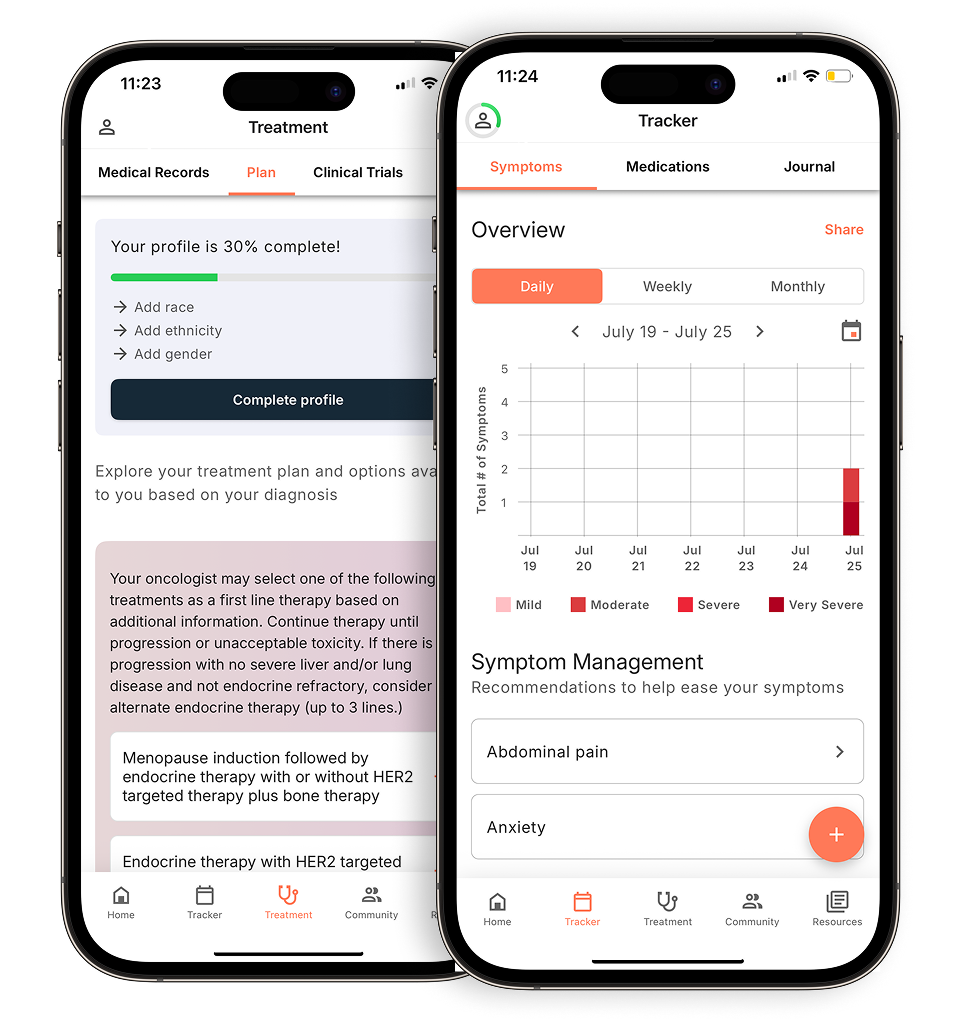
Proteinuria is the other signal your body sends when bevacizumab begins to stress the kidneys’ filtering system. Protein in the urine is a common side effect of bevacizumab and may indicate changes in kidney function. Staying well-hydrated helps support kidney function, but hydration alone doesn’t resolve the issue. Regular urine dipstick tests, typically ordered before each infusion cycle, are how your care team tracks whether protein levels are trending in a concerning direction. Baseline kidney function testing before starting maintenance is critical. Without a clear starting point, it’s nearly impossible to interpret whether a result reflects a new change or a pre-existing pattern.
Both of these side effects extend into day-to-day life in ways that go well beyond clinic visits, which is exactly what the next section addresses.
Fatigue, joint pain, and nosebleeds
Beyond blood pressure and protein monitoring, bevacizumab produces a set of lower-profile side effects that quietly chip away at daily functioning. Managing them well is what keeps patients on therapy long-term.
Nosebleeds (epistaxis) are among the most commonly reported day-to-day symptoms affecting a significant portion of patients on bevacizumab. The mechanism is straightforward: bevacizumab disrupts the tiny blood vessels that line the nasal passages. Practical steps to protect the nasal lining include:
- Using a saline nasal spray daily to maintain moisture
- Running a humidifier at home, especially overnight
- Avoiding forceful nose-blowing
- Applying gentle pressure if bleeding starts, and letting your care team know if episodes become frequent
Joint and muscle pain can emerge as the body adjusts to anti-angiogenic therapy. Before reaching for over-the-counter relief, you need to know one critical caveat: bevacizumab can affect wound healing and blood pressure, so it’s important to tell your doctor about all medications you take, including over-the-counter pain relievers.
Fatigue is real, and it compounds. Energy conservation, pacing activities, prioritizing rest, and scheduling light physical activity like short walks during higher-energy windows can help combat this side effect.
Oral health is an often-overlooked priority. Since bevacizumab can cause delayed wound healing, gum sensitivity and the risk of slow-healing mouth sores are real concerns. Switching to a soft-bristle toothbrush and completing any major dental work before starting therapy can reduce complications considerably. These smaller adjustments matter, and recognizing when symptoms cross from manageable into urgent is what the next section addresses directly.
Recognizing red flags
Some bevacizumab side effects are medical emergencies that demand immediate action. Knowing the difference between a manageable symptom and a red flag could be one of the most important things you do while on this treatment.
Cancer care guidance for every step of your journey
Get treatment options, clinical trials, and support tailored to your diagnosis--all in one place.
Get started
See treatment options, manage symptoms, and stay informed—all in the app
View treatment options and trials personalized to your diagnosis—plus track progress in real time.
Continue in appGI perforation is one of the most serious risks associated with bevacizumab. GI perforation is a serious side effect that can occur with bevacizumab and may present with severe constipation or stomach pain. If you experience any of these, do not wait, contact your care team or go to the emergency room right away.
Thromboembolic events are another critical concern. Blood clots are a serious side effect of bevacizumab that can sometimes be life-threatening, and you should discuss this risk with your doctor to determine the best course of action for your treatment.
Wound healing complications are a less-discussed but equally important red flag. Bevacizumab may affect how wounds heal because it impacts blood vessel formation in the body. Your healthcare team may recommend adjusting bevacizumab timing around surgical procedures for advanced ovarian cancer, as part of comprehensive perioperative management.
Beyond standard care. Genetic markers and clinical trials
Genetic markers help oncologists move beyond trial-and-error prescribing. Bevacizumab works by targeting VEGF to help stop the formation of new blood vessels that tumors need to grow, and it has been shown to shrink or slow the growth of advanced epithelial ovarian cancers. While no single biomarker has been validated as a definitive predictor of bevacizumab response, ongoing research is narrowing down which patient profiles respond most strongly, helping your care team weigh bevacizumab against alternatives with greater precision.
One comparison that comes up often is bevacizumab versus PARP inhibitors. Bevacizumab and PARP inhibitors are both used as maintenance therapy options for ovarian cancer and have different side effects that patients should be aware of when considering treatment. Bevacizumab is more associated with cardiovascular effects, blood pressure, proteinuria, and serious but rare risks like bowel perforation, while PARP inhibitors in ovarian cancer tend to affect blood counts, causing fatigue and anemia. Your genetic status, particularly BRCA mutation, often drives which path makes more sense.
For recurrent ovarian cancer, the conversation is expanding further. Clinical trials are now exploring bevacizumab in combination with immunotherapy and other targeted agents for recurrent ovarian cancer cases.
Your bevacizumab management checklist
Staying ahead of bevacizumab side effects comes down to consistent monitoring, open communication with your care team, and the right tools to track what’s happening in your body day to day.
Early attention to bevacizumab side effects may help manage them more effectively. Talk with your care team about monitoring strategies and when to report new or worsening symptoms.
- Monitor blood pressure daily. Keep a written or digital log so your care team can spot trends before they become problems. Even modest, persistent elevations deserve attention.
- Report severe abdominal pain or unusual bleeding immediately. Don’t wait for your next scheduled appointment. These symptoms can signal serious complications that require same-day evaluation by your oncologist.
- Stay hydrated and protect kidney function. Proteinuria is a known risk with bevacizumab, and consistent hydration supports renal health throughout treatment. Your care team may periodically check urine protein levels, so ask what targets you should be meeting.
- Keep a diary of your symptoms to track when they occur, how often, and how they affect your daily life. Sharing this information with your care team can help them better understand your side effects and adjust your care plan.
- Discuss genetic testing with your doctor. Understanding your BRCA or HRD status shapes your dosing strategy and whether alternatives or additions belong in your treatment picture.
None of this happens in isolation. The checklist above is most effective as a shared tool, something you bring into every appointment. The next step is understanding how to put all of it together into an ongoing plan that keeps you active and informed throughout your treatment.
Taking control of your ovarian cancer care
Managing the long-term side effects of bevacizumab for ovarian cancer is a challenge, but it’s one you don’t have to face alone. The combination of consistent monitoring, proactive communication with your care team, and reliable tracking tools makes a meaningful difference in how well you tolerate treatment and maintain quality of life. Early attention to side effects may help manage them more effectively.
Personalized support for real care decisions
Understand your diagnosis, explore clinical trials, and track symptoms--all in one place.
Get started
Compare treatments, prepare for appointments, and track side effects—all in the app
Built for your diagnosis, Outcomes4Me gives you the tools to make confident, informed decisions—right when you need them.
Continue in app