When you’re living with lung cancer, your care team monitors much more than your tumor. Blood tests can reveal changes in your body that may affect how you feel, how you respond to treatment, and your overall health.
One of these changes is hyponatremia, or a lower-than-normal level of sodium in the blood. Hyponatremia is relatively common in small cell lung cancer (SCLC). Studies suggest that about 20%–30% of people with SCLC develop low blood sodium, often because of a condition called syndrome of inappropriate antidiuretic hormone secretion (SIADH), which causes the body to retain too much water.
Understanding the connection between low blood sodium and SCLC can help you recognize symptoms and know when to contact your care team.
What is hyponatremia?
Sodium is an electrolyte that helps your body maintain the right balance of fluids and supports normal nerve and muscle function. When the amount of sodium in your blood becomes too low, you have hyponatremia.
Low blood sodium does not necessarily mean that you aren’t eating enough salt. In people with cancer, hyponatremia is often related to an imbalance in how the body manages water.
One possible cause is SIADH. With SIADH, the body produces too much antidiuretic hormone (ADH). This hormone tells the kidneys to hold on to water. Too much ADH can cause excess water to build up in the body, diluting the sodium in the blood.
Evidence-based guidance powered by NCCN Guidelines®
Personalized treatment plans shaped by the latest oncology standards—tailored to your diagnosis.
Get started
View your personalized treatment plan in the Outcomes4Me app
Use your diagnosis to unlock personalized NCCN Guidelines®-aligned recommendations.
Continue in app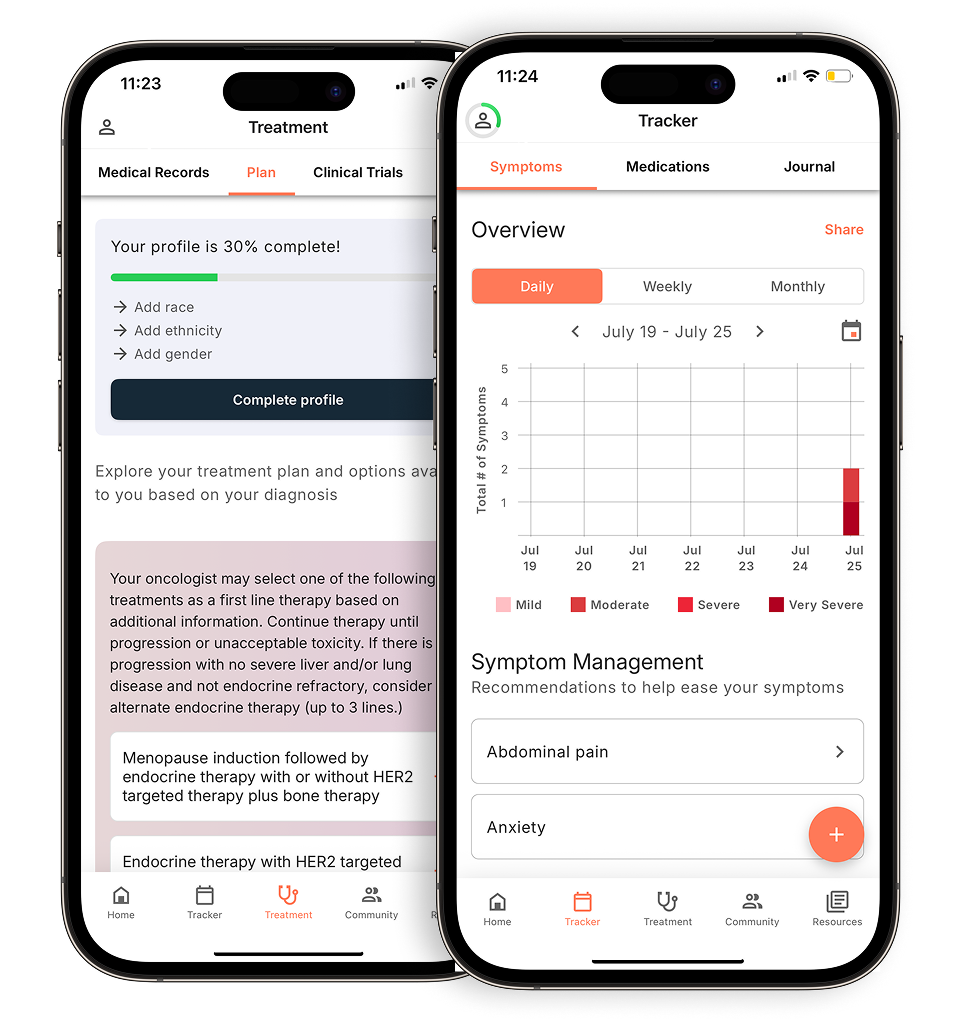
Why is low sodium particularly important in small cell lung cancer?
SCLC is a fast-growing type of lung cancer. It is also the type of lung cancer most strongly associated with SIADH. According to the American Lung Association, people with SCLC have the highest incidence of SIADH among people with lung cancer.
In some cases, SCLC cells can produce substances that affect hormone regulation, including hormones involved in controlling the body’s water balance. This can contribute to SIADH and, in turn, low blood sodium.
Hyponatremia can also have other causes. Certain cancer treatments, medications, and other medical conditions can affect sodium levels, which is why your healthcare team may need additional testing to determine what’s causing the change.
What are the symptoms of low blood sodium?
Some people with mild hyponatremia may not notice any symptoms. As sodium levels fall, however, symptoms can develop.
Possible symptoms include:
- Nausea or vomiting
- Muscle cramps or weakness
- Headache
- Confusion or changes in mental status
- Fatigue
- Changes in balance or coordination
More severe hyponatremia can cause seizures and can become a medical emergency.
If you have SCLC and develop new or worsening confusion, severe weakness, vomiting, seizures, or other concerning symptoms, contact your healthcare team or seek urgent medical attention.
How do doctors diagnose hyponatremia?
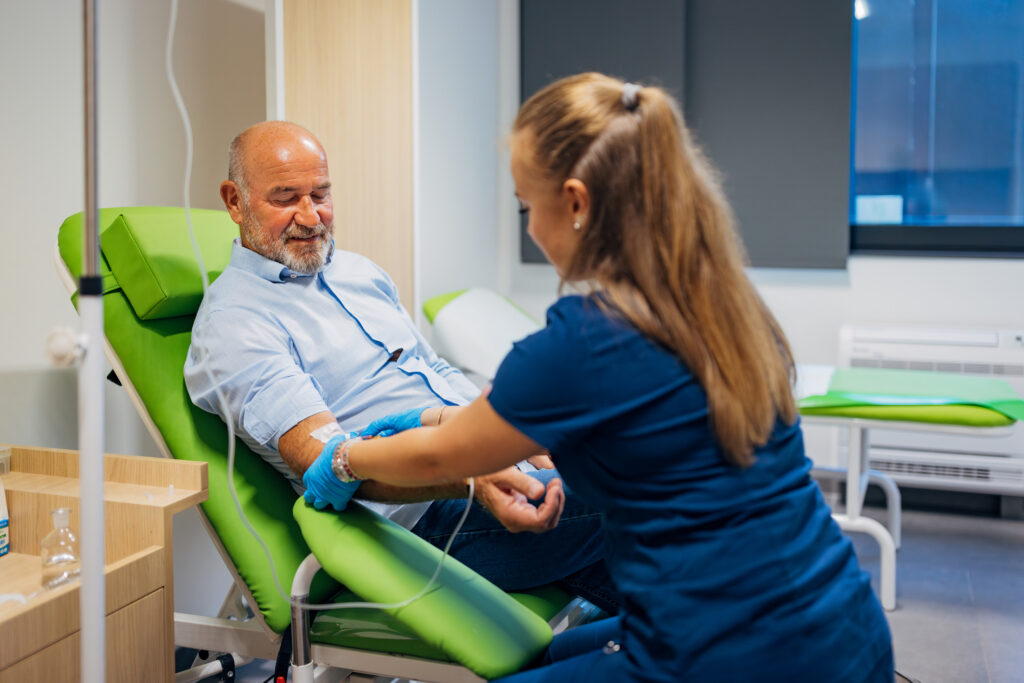
A simple blood test can measure the amount of sodium in your blood. If your sodium is low, your healthcare team may order additional blood and urine tests to determine why.
When SIADH is suspected, doctors may also evaluate other potential causes, including the function of the adrenal glands, thyroid and kidneys.
Because several factors can cause low sodium, it is important not to assume that a low sodium level is automatically related to your cancer or treatment.
How is low blood sodium treated?
Treatment depends on what’s causing the hyponatremia, how low the sodium level is and how quickly it developed.
For some people, treatment may include carefully limiting fluids. Other treatments may be used to help the kidneys regulate water balance. Severe cases may require hospitalization and intravenous treatment with a concentrated saline solution.
Don’t try to correct low sodium on your own by eating more salt or changing how much water you drink. Sodium levels need to be corrected carefully. Correcting them too quickly can cause serious neurological complications.
If SIADH is caused by SCLC, treating the underlying cancer may also help reduce the risk of the condition returning.
What does this mean for nutrition?
It is important to distinguish low blood sodium from a low-sodium diet.
If your sodium level is low because of SIADH, simply adding salty foods to your diet may not solve the underlying problem. The issue is often related to excess water retention and hormonal regulation rather than not consuming enough sodium.
At the same time, nutrition remains an important part of cancer care. During treatment, your body may need enough calories, protein, fluids and other nutrients to help maintain strength and support your health. The right nutrition plan can vary depending on your treatment, symptoms, weight and other medical conditions.
A registered dietitian who works with people with cancer can help you create a nutrition plan that fits your individual needs.
Questions to ask your cancer care team
If you have SCLC, consider asking:
- What is my current sodium level?
- Could my cancer or treatment be affecting my sodium level?
- Should I be tested for SIADH?
- Are any of my medications affecting my sodium?
- Should I change how much fluid I drink?
- Do I need to make any changes to my diet?
- What symptoms should prompt me to call you or seek urgent care?
Low blood sodium is more than a number on a lab report. For people with small cell lung cancer, it can be an important sign of SIADH or another underlying problem that needs attention.
The good news is that hyponatremia can be detected with a routine blood test, and treatments are available. If you have SCLC, talk with your care team about your sodium levels and what they mean for you.
And remember: don’t change your salt or fluid intake without talking with your healthcare team first. Your treatment team can help determine what’s causing the low sodium and the safest way to manage it.
Disclaimer: The information provided in this article is for informational purposes only and is not intended to be a substitute for professional medical advice, diagnosis, or treatment. Outcomes4Me is not acting as your caregiver, and any suggestions or guidance offered should not replace the advice of your healthcare provider or qualified medical professional. Always seek the guidance of your physician or other qualified health provider with any questions you may have regarding a medical condition.
Personalized support for real care decisions
Understand your diagnosis, explore clinical trials, and track symptoms--all in one place.
Get started
Compare treatments, prepare for appointments, and track side effects—all in the app
Built for your diagnosis, Outcomes4Me gives you the tools to make confident, informed decisions—right when you need them.
Continue in app