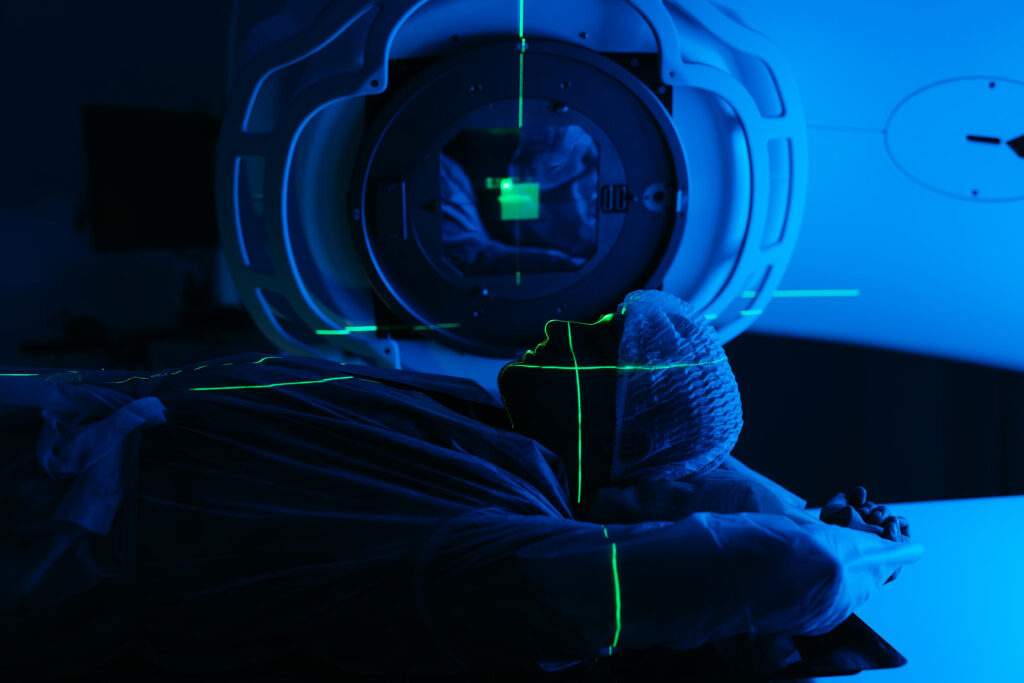
In limited-stage small cell lung cancer (LS-SCLC), the cancer is confined to one side of the chest, making curative-intent treatment a realistic goal.
Small cell lung cancer is one of the most aggressive malignancies known. Unlike non-small cell varieties, SCLC cells can grow quickly, which is one reason why doctors emphasize prompt treatment planning and starting therapy without unnecessary delay. That is a core reason why small cell lung cancer chemotherapy and radiation must begin quickly and run on a tight schedule.
For patients with limited-stage disease, the treatment goal is eliminating the disease rather than managing it. Concurrent chemoradiation is the standard treatment for limited-stage SCLC in patients who are healthy enough to receive it, and it appears to be more effective and offers patients a better chance at a cure than giving chemotherapy or radiation alone. Because limited-stage SCLC hasn’t spread too far for radiation therapy to be useful, doctors can use an aggressive, time-sensitive approach combining chemotherapy and radiation at the same time, a treatment strategy that isn’t possible for extensive-stage disease. Understanding that urgency is the foundation for everything that follows, including how your care team sequences chemotherapy and radiation from the very first cycle.
Standard chemoradiotherapy protocols
The SCLC standard of care for limited-stage disease involves pairing platinum-based chemotherapy with concurrent thoracic radiation to achieve biological synergy.
The chemotherapy backbone is well established. Cisplatin etoposide SCLC regimens remain the benchmark, though carboplatin is frequently substituted when cisplatin’s side-effect profile isn’t tolerable. Both combinations attack rapidly dividing cancer cells systemically while thoracic radiation targets the primary tumor site. For limited-stage SCLC, radiation therapy is used as part of treatment because the cancer is confined to one side of the chest and can be safely treated within a single radiation field. Treatment adherence matters enormously here, as skipping or delaying cycles disrupts the synergy that makes concurrent chemoradiation therapy more effective than either modality alone.
Why early concurrent radiation improves survival
Starting radiation alongside chemotherapy rather than after it is one of the most impactful decisions your care team makes in LS-SCLC treatment.
When chemotherapy and thoracic radiation run concurrently from cycle one or two, they attack tumor cells on two fronts simultaneously, preventing the rapid repopulation that sequential approaches allow. This dose-intensity principle is straightforward, delivering high-impact treatment quickly and leaving cancer cells no recovery window.
Concurrent chemotherapy and radiation therapy appears to be more effective than giving one treatment after the other for limited-stage SCLC, and carboplatin can be used as an alternative to cisplatin in these regimens. Limited-stage SCLC surgery is rarely a primary option given the disease’s systemic spread potential. Concurrent chemoradiation is the standard treatment for most patients with limited-stage SCLC and can help them live longer and have a better chance at cure compared to receiving treatments one at a time.
Evaluating timing and success rates
For limited-stage SCLC, giving thoracic radiation at the same time as chemotherapy (called concurrent chemoradiation) appears to be more effective than giving one treatment after the other.
Response rates to chemoradiation in LS-SCLC routinely exceed 80%, reflecting how chemosensitive this disease is at the outset. But high sensitivity doesn’t guarantee durability, and that’s precisely why the sequencing of thoracic radiation matters as much as the chemotherapy itself. Accelerated radiation schedules, particularly hyperfractionated regimens, help add another layer of precision.
Evidence-based guidance powered by NCCN Guidelines®
Personalized treatment plans shaped by the latest oncology standards—tailored to your diagnosis.
Get started
View your personalized treatment plan in the Outcomes4Me app
Use your diagnosis to unlock personalized NCCN Guidelines®-aligned recommendations.
Continue in app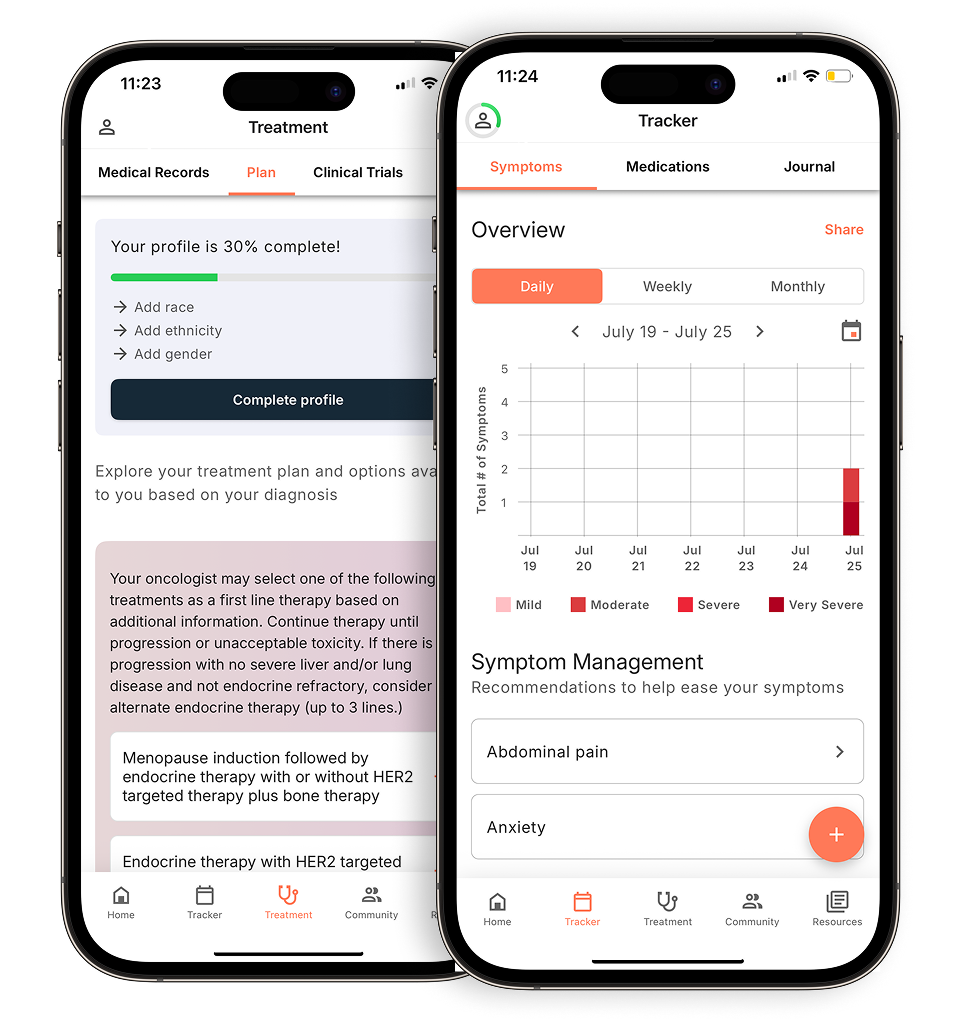
Median survival benchmarks for limited-stage patients continue to reflect these gains, with combined modality approaches pushing outcomes meaningfully beyond what either treatment achieves alone. And because the brain is a common site of relapse in SCLC, prophylactic cranial irradiation protocols are considered alongside chemoradiation for eligible patients who respond well. Those response rates, and the factors that influence whether they translate into long-term survival, are exactly what the next section examines.
The success rate of combined modalities
An SCLC treatment plan built on concurrent chemoradiation produces impressive initial response rates, but sensitivity to treatment and long-term disease control differ.
The majority of LS-SCLC patients see significant tumor shrinkage with platinum-based regimens. Yet despite achieving a complete response to treatment, recurrence remains common in most people with limited-stage SCLC. Your care team also weighs patient age and performance status carefully, as treatment intensity that’s appropriate for one patient may need adjustment for another. Those who respond well often go on to discuss PCI after SCLC treatment, a preventive step the next section addresses directly.
Prophylactic cranial irradiation (PCI) and consolidation
Chemoradiation is part of the picture for limited-stage SCLC treatment, and PCI and consolidation steps directly influence survival outcomes.
PCI is a preventive radiation strategy targeting the brain, offered to patients who achieve a strong response to chest treatment. Because SCLC cells spread rapidly and the brain is a common relapse site, PCI reduces that metastasis risk meaningfully. Your care team typically recommends it after confirming response to chemoradiation. However, new research suggests that MRI surveillance may be an option for some patients.
Addressing common patient concerns and FAQs
When patients ask about chemo success rates, staging differences, and the timing of radiation in SCLC, early, concurrent treatment in limited-stage disease offers the strongest foundation for response.
Chemotherapy response rates in LS-SCLC are notably high, with the majority of patients seeing significant tumor shrinkage with platinum-based regimens. But response and cure differ, and your care team will help you understand what a strong response realistically means for your specific situation.
Staging clarifies survival potential. Limited-stage disease, where cancer remains confined to one side of the chest, is different from extensive-stage, where spread beyond that boundary changes both treatment options and prognosis. Survival in limited-stage disease is more favorable than extensive-stage because aggressive concurrent chemoradiation remains a viable strategy.
Questions about when to start radiation in SCLC come up often. Radiation timing in SCLC is an important part of treatment planning. Your care team may discuss starting radiation relatively early in your chemotherapy course, as some treatment approaches combine these therapies within the first few cycles.
Additional treatment options your care team may discuss include clinical trials testing immunotherapy combinations following chemoradiotherapy in limited-stage SCLC, offering treatment approaches that extend beyond standard chemotherapy alone.
SCLC growth characteristics differ from NSCLC in important ways. In most people with limited-stage SCLC treated with chemotherapy and radiation, tumors shrink significantly, but unfortunately the cancer often returns at some point. That biological reality is precisely why the timing of radiation in SCLC is treated as a clinical priority. Those individual patient factors, including health status, lung function, and performance score, shape how survival statistics actually apply to you, which the next section addresses directly.
Cancer care guidance for every step of your journey
Get treatment options, clinical trials, and support tailored to your diagnosis--all in one place.
Get started
See treatment options, manage symptoms, and stay informed—all in the app
View treatment options and trials personalized to your diagnosis—plus track progress in real time.
Continue in appSurvival factors in limited-stage SCLC
Your ability to complete limited-stage SCLC treatment in full without dose reductions or delays is one of the strongest predictors of survival.
Overall health and lung function shape this directly. Patients with preserved pulmonary reserve and strong performance scores are more likely to tolerate the full intensity of concurrent chemoradiation, including radiation protocols that begin early and move quickly. Survival outcomes for limited-stage SCLC vary widely depending on individual factors and how well the disease responds to treatment. Your care team can discuss what timeline and outcomes to anticipate based on your specific situation. Those benchmarks aren’t endpoints, they’re markers your care team watches closely, guiding long-term monitoring decisions for years after treatment ends. Age and organ function influence how aggressively that monitoring and any salvage therapy can be pursued, which is why the next section addresses older adults specifically.
Managing treatment intensity for older adults
For older adults navigating small cell lung cancer treatment, the core clinical goal stays the same, though how your care team gets there often looks different.
Patients aged 75 and older face a more nuanced calculation around chemotherapy toxicity in SCLC treatment. Cisplatin-based regimens may affect kidney function and hearing, which is why your care team will monitor these areas during treatment, especially if you are an older patient. For limited-stage SCLC, carboplatin can be used as an alternative to cisplatin in the chemotherapy combination, which may be considered for patients who are in poor health. And supportive care, including managing fatigue, preventing neutropenia with growth factor support, and maintaining nutrition, becomes as integral to the personalized care plan as the treatment itself. That careful balancing act, however, comes with real trade-offs worth understanding.
Limitations, trade-offs, and considerations
Concurrent chemoradiation delivers the strongest outcomes in limited stage small cell lung cancer, though that effectiveness comes with real clinical trade-offs your care team weighs carefully before committing to a protocol.
The most immediate is the toxicity trade-off. Concurrent chemoradiation may cause side effects such as esophagitis and radiation pneumonitis, particularly when chemotherapy and radiation are given together. When radiation therapy to the chest is combined with chemotherapy, it may cause side effects such as a sore throat and trouble swallowing (esophagitis) or lung damage that can lead to cough and shortness of breath (radiation pneumonitis). Managing them is built into any sound personalized care plan, but they can affect treatment tolerability and, in some cases, require pauses that compromise timing precision.
Staging limitations add another layer of complexity. Even with advanced imaging, very small areas of cancer spread can sometimes be difficult to detect during SCLC staging. Your care team can discuss what imaging findings mean for your individual treatment plan. SCLC has usually already spread by the time it is found, even in patients classified as limited-stage disease, which is why chemotherapy and radiation therapy are needed rather than surgery or radiation alone.
When concurrent therapy isn’t the right approach
Not every patient with limited-stage SCLC is a candidate for concurrent chemoradiation, and recognizing that early is as clinically important as the treatment itself.
Severe underlying pulmonary disease, poor performance status, or significant organ dysfunction can make the intensity of simultaneous SCLC chemotherapy and radiation unsafe. In those cases, your care team may recommend a sequential approach, chemotherapy first and radiation after, to reduce cumulative toxicity while still pursuing local control. For limited-stage SCLC patients who are not healthy enough to tolerate concurrent chemotherapy and radiation, sequential therapy, chemotherapy followed by radiation to the chest, is an established treatment alternative. A personalized care plan built around your specific tolerances, not a standardized protocol, is what determines which approach gives you the strongest possible outcome. That same individualized thinking increasingly extends to emerging treatment combinations now being tested in clinical trials.
The role of clinical trials in 2026
Clinical trials are testing immunotherapy combinations as consolidation therapy following chemoradiotherapy in limited-stage SCLC, offering treatment approaches that extend beyond standard chemotherapy alone.
Ongoing clinical trials are testing immunotherapy combined with chemotherapy and radiation in limited-stage SCLC, reflecting growing interest in this treatment approach. If you’re eligible, your care team can review whether an active trial aligns with your personalized care plan, making that conversation an essential early step.
What you need to know: key takeaways
In limited-stage SCLC, early treatment initiation is the single most powerful lever your care team has for improving outcomes.
SCLC’s rapid growth rate means every delay between diagnosis and the start of therapy creates measurable biological disadvantage. That’s the core logic behind the “time is tissue” principle that runs through every treatment decision in this disease. The urgency is real, and the evidence behind it is well-established.
Here’s what the evidence consistently reinforces:
- Limited stage SCLC radiation delivered concurrently with platinum-based chemotherapy remains the gold standard for curative intent, a synchronized treatment designed to hit fast-dividing cells from multiple angles simultaneously
- High initial responsiveness is one of SCLC’s defining characteristics, and aggressive doesn’t mean untreatable, as most patients see meaningful tumor response to first-line therapy
- Multidisciplinary coordination between oncologists and radiation oncologists is clinically essential, as synchronized timing is what makes concurrent therapy effective
Understanding these principles puts you in a stronger position to engage with your care team and advocate for a personalized care plan built around your specific needs, which the final section brings together in a consolidated view.
Where to look next
Support during aggressive treatment cycles matters as much as clinical advice. Patient advocacy organizations offer practical resources, from financial assistance to emotional support networks, that can help you sustain the intensity this treatment demands. The Outcomes4Me app connects you with oncology nurse practitioners who can help you make sense of your options and stay engaged with your personalized care plan at every stage.
Disclaimer: The information provided in this article is for informational purposes only and is not intended to be a substitute for professional medical advice, diagnosis, or treatment. Outcomes4Me is not acting as your caregiver, and any suggestions or guidance offered should not replace the advice of your healthcare provider or qualified medical professional. Always seek the guidance of your physician or other qualified health provider with any questions you may have regarding a medical condition.
Personalized support for real care decisions
Understand your diagnosis, explore clinical trials, and track symptoms--all in one place.
Get started
Compare treatments, prepare for appointments, and track side effects—all in the app
Built for your diagnosis, Outcomes4Me gives you the tools to make confident, informed decisions—right when you need them.
Continue in app