Kidney cancer rates are climbing in adults under 50, a trend that’s catching both patients and physicians off guard. While this disease has traditionally been associated with older adults, recent data shows a concerning shift. Between 2000 and 2016, kidney cancer incidence among younger adults increased by approximately 5%.
What makes this particularly challenging is that kidney cancer often develops without obvious early symptoms, leading many younger adults to discover they have the disease during routine imaging for unrelated health concerns.
Recognizing this trend has sparked urgent research into what’s driving these changes and how we can better protect younger adults through early detection strategies and lifestyle modifications.
What the research shows: Kidney cancer trends
A global study revealed that kidney cancer is among six cancer types increasing faster in adults under 50 than in older populations. This data reflects meaningful epidemiological changes.
The trajectory is particularly striking when looking ahead. Projections from Fox Chase Cancer Center suggest kidney cancer cases could double by 2050, with much of that growth concentrated in younger age groups. However, not all kidney cancers behave the same way; different cell types carry varying risk profiles and treatment considerations.
Evidence-based guidance powered by NCCN Guidelines®
Personalized treatment plans shaped by the latest oncology standards—tailored to your diagnosis.
Get started
View your personalized treatment plan in the Outcomes4Me app
Use your diagnosis to unlock personalized NCCN Guidelines®-aligned recommendations.
Continue in app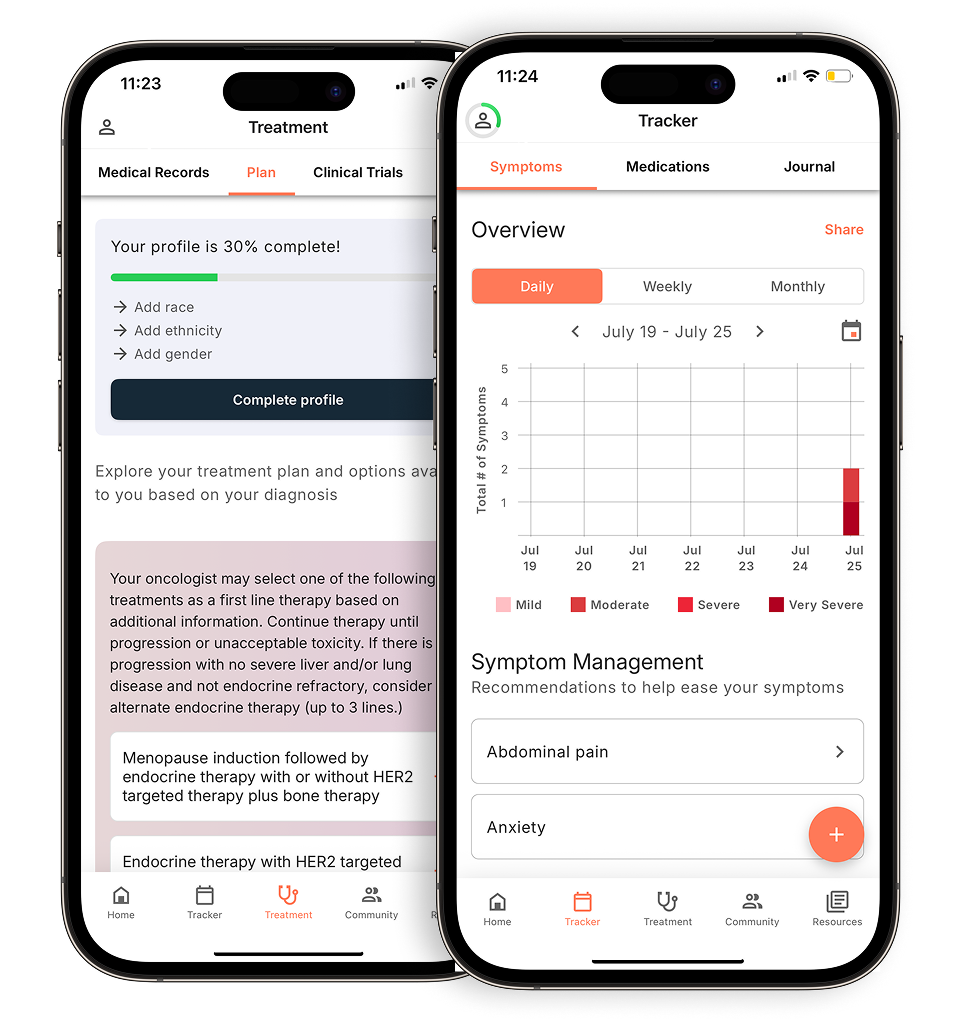
Factors contributing to rising rates
What’s driving the increase in kidney cancer under 50? Researchers point to several interconnected factors that may explain this troubling trend, though the full picture remains complex.
Lifestyle and environmental exposures appear to play significant roles. Research indicates that obesity, a known kidney cancer risk factor, has been climbing steadily in younger populations over the past several decades. Similarly, changes in dietary patterns, reduced physical activity, and exposure to environmental toxins during critical developmental periods may contribute to earlier disease onset.
The timing matters: exposures during childhood and young adulthood may have cumulative effects that manifest as cancer diagnoses years later. This “latency period” means today’s rising rates could reflect environmental and lifestyle patterns established decades ago.
However, improved detection methods also deserve consideration. Advanced imaging technologies like CT scans and ultrasounds now identify smaller, and earlier-stage kidney tumors that might have gone undetected in previous generations. While this explains some of the increase, it doesn’t account for the entire trend—particularly since many younger patients are diagnosed with more advanced disease than their older counterparts.
Risk factors and lifestyle adjustments to consider
While researchers continue investigating why kidney cancer rates are climbing, certain modifiable risk factors offer opportunities for proactive health management. Obesity stands out as a significant concern—excess body weight increases kidney cancer risk and affects younger populations at growing rates. Smoking remains another controllable factor, with tobacco use linked to one of the biggest risk factors for kidney cancer.
High blood pressure presents a more complex challenge. Regular blood pressure monitoring and working with providers to balance cardiovascular health becomes particularly important for younger adults with family histories of kidney disease.
Maintaining a healthy weight through balanced nutrition and regular physical activity, avoiding tobacco products entirely, and managing chronic conditions like hypertension and diabetes effectively can help reduce your risk of kidney cancer. While these measures can’t eliminate all risk, they represent meaningful steps toward reducing individual vulnerability as we await more definitive answers about what’s driving the broader trend.
The underdiscussed factor of being a young adult with cancer
The emotional experience behind these numbers is often just as complex as the physical diagnosis. A cancer diagnosis at a younger age can feel especially disorienting, arriving at a time when many are building careers, starting families, or planning for the future.
Younger patients often face a unique emotional tension: trying to maintain a sense of normalcy while navigating treatment, uncertainty, and major life disruptions. Concerns about fertility, relationships, financial stability, and identity can weigh heavily, sometimes alongside feelings of isolation if peers aren’t going through similar experiences.
Perhaps one of the most profound challenges is the shift in perspective. Instead of seeing cancer as a distant possibility later in life, younger patients are often forced to confront uncertainty much earlier than expected, redefining goals, timelines, and what the future may look like.
Key takeaways
The rise of kidney cancer in younger adults represents a significant public health shift that demands attention, but it also presents opportunities for early intervention and risk reduction. If you’re under 50, don’t dismiss persistent symptoms like blood in urine or unexplained flank pain. Advocate for yourself with healthcare providers, as early detection significantly improves outcomes.
Maintain healthy lifestyle habits, stay informed about emerging research, and discuss your personal risk profile with your medical team.
Outcomes4Me is here to help you better understand your diagnosis and treatment options. You deserve clear, trustworthy information at every step.
Personalized support for real care decisions
Understand your diagnosis, explore clinical trials, and track symptoms--all in one place.
Get started
Compare treatments, prepare for appointments, and track side effects—all in the app
Built for your diagnosis, Outcomes4Me gives you the tools to make confident, informed decisions—right when you need them.
Continue in app