The new era of lung cancer: why ‘targeted’ doesn’t mean ‘side-effect free’
Targeted therapy changed everything — but it didn’t eliminate the need to manage what comes with it. The treatment of NSCLC has undergone a paradigm shift from traditional chemotherapy to personalized medicine using targeted therapies like tyrosine kinase inhibitors, which are generally better tolerated than chemotherapeutics but require awareness of drug-related side effects. Unlike traditional chemotherapy, targeted therapies are designed to block specific genetic mutations that drive tumor growth. These drugs work differently from standard chemotherapy drugs and often have different side effects.
The relief of hearing “no chemo” is real and valid. But it can create a quiet misconception: that targeted therapy is easy to tolerate. In practice, what you’re more likely to experience isn’t the dramatic, acute side effects of chemotherapy — it’s a different category of toxicity entirely. These are low-grade but chronic effects that don’t knock you off your feet in a single week but can quietly accumulate over months. Skin changes, nail issues, diarrhea, and fatigue become the steady background noise of daily life on these medications.
That accumulation matters clinically. When side effects from targeted therapies are actively managed with prompt treatment—such as hormone replacement for endocrine complications—patients are more likely to continue their cancer treatment rather than discontinue it. Whether you’re navigating Tagrisso nail changes and skin irritation on an EGFR inhibitor, or muscle aches on Alectinib, understanding what these drugs target and why side effects occur is the first step toward staying on treatment — and staying well. The sections ahead break down exactly how to do that, starting with the skin and nail toxicities that EGFR inhibitors are most known for. Learn more about Biomarker-Driven Lung Cancer Treatment Options to better understand how your mutation type shapes your therapy.
Managing the EGFR ‘glow’: skin and nail toxicity with Tagrisso
EGFR inhibitor skin toxicity is one of the most visible and misunderstood side effects patients face — and how you respond to it in the first weeks matters.
The rash that looks like acne isn’t acne. The acneiform rash associated with Tagrisso (osimertinib) is actually an inflammatory response triggered by EGFR pathway disruption in skin cells. According to Targeted Oncology, treating it like regular acne — reaching for drying, salicylic acid-based products — makes things significantly worse. The skin needs moisture, not stripping. The recommended approach is to apply a thick, alcohol-free, fragrance-free cream within five minutes of showering, while skin is still slightly damp, to lock in hydration before the barrier has a chance to dry out.
Nail changes are equally common and often underreported. Paronychia — painful inflammation around the nail bed — is among the most frequently noted long-term side effects of Tagrisso, according to GoodRx. Warm salt water soaks for 10–15 minutes, two to three times daily, can reduce swelling and lower infection risk. Avoiding trauma to the cuticles — no cutting, pushing back, or picking — is just as important. Keeping nails trimmed short and wearing protective gloves during household tasks helps reduce friction that worsens the condition. If you’re taking Tagrisso and want a broader picture of how EGFR-targeted treatment works, understanding these skin and nail effects in context can help you ask better questions at your next appointment.
Evidence-based guidance powered by NCCN Guidelines®
Personalized treatment plans shaped by the latest oncology standards—tailored to your diagnosis.
Get started
View your personalized treatment plan in the Outcomes4Me app
Use your diagnosis to unlock personalized NCCN Guidelines®-aligned recommendations.
Continue in app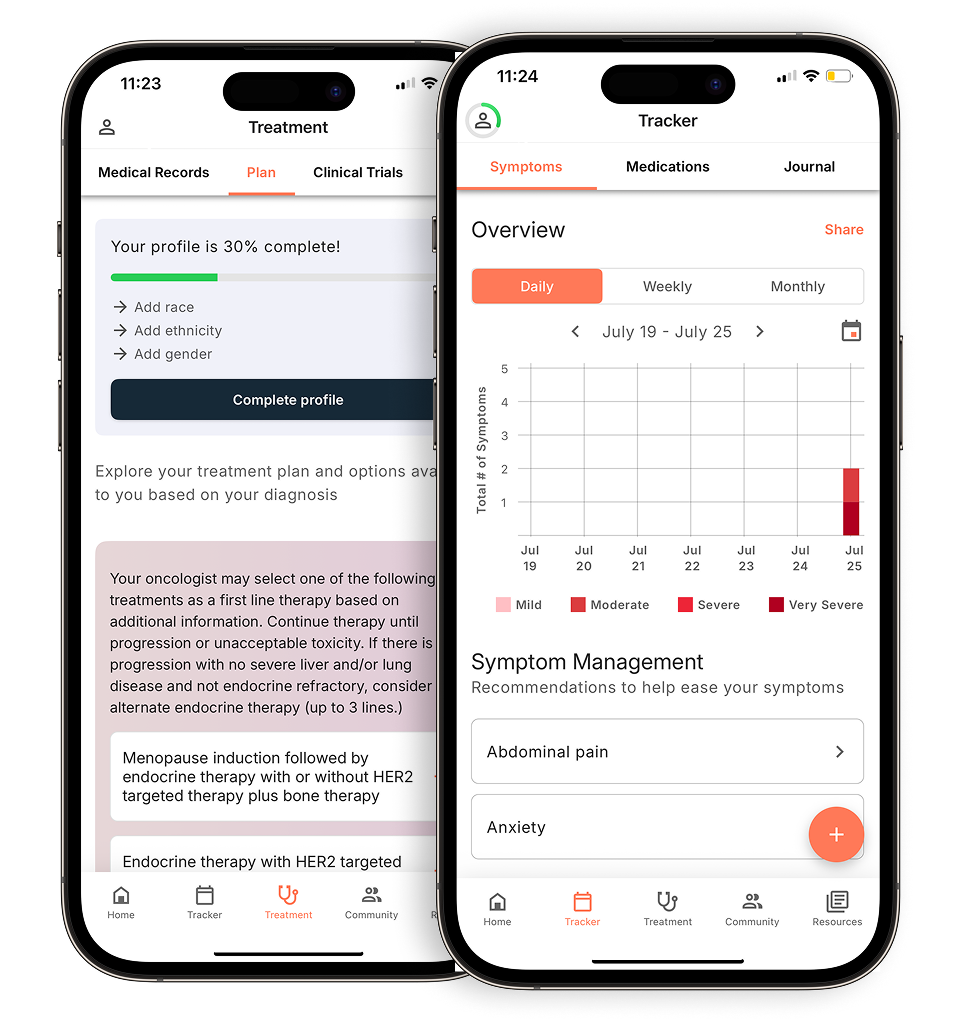
Know when to escalate. If the rash becomes widespread, crusted, or infected — or if paronychia doesn’t improve with home care within a week — it’s time to contact your care team. Topical steroids and topical or oral antibiotics are established options your provider may consider. Don’t wait until symptoms become severe; earlier intervention typically leads to faster relief.
These skin and nail effects are manageable with the right protocol, but each mutation type brings its own set of specific challenges. If you’re on an ALK inhibitor like Alecensa (alectinib), the side effect profile looks quite different — and some of those differences, including muscle enzyme changes and sun sensitivity, require equally targeted responses.
The ALK challenge: Alectinib, muscle aches, and sun sensitivity
ALK-positive NSCLC patients on Alectinib (Alecensa) encounter a distinct set of targeted therapy side effects in lung cancer that differ meaningfully from the EGFR-related skin issues covered earlier. Understanding these specific toxicities — and acting on them early — is what keeps patients on a therapy that’s working.
- Myalgia and CPK elevation. Muscle aches on Alectinib aren’t the ordinary soreness you’d expect after a workout. They can signal a rise in creatine phosphokinase (CPK), an enzyme released when muscle tissue is under stress. Alecensa can cause muscle problems, and doctors monitor creatine phosphokinase (CPK) levels through regular blood tests to detect potential muscle injury. In practice, your care team will monitor CPK levels through routine bloodwork — but between appointments, track any new muscle weakness, pain, or dark-colored urine and report it promptly.
- Photosensitivity. Alectinib can cause increased sensitivity to sunlight as a mild side effect. If you experience this, talk with your doctor about sun protection strategies and whether any precautions are needed during your treatment.
- Bradycardia. A slower-than-normal heart rate is a recognized side effect of Alectinib. Checking your pulse at home — either manually or with a wearable device — gives you and your provider an early-warning signal before symptoms like dizziness or fatigue appear.
Hydration runs through all three of these concerns. Adequate fluid intake supports healthy muscle function, helps regulate heart rhythm, and keeps skin more resilient to photosensitivity reactions. It’s one of the simplest and most overlooked defenses against ALK-related toxicities.
Side effects that involve the gut — another common challenge with tyrosine kinase inhibitors — require their own specific playbook, which we’ll cover next.
Digestive health: navigating TKI-induced diarrhea
GI disruption is one of the most consistently reported side effects across the TKI class, and knowing how to act fast makes all the difference. Diarrhea is a possible side effect of targeted therapies, and managing it early through dietary changes and medication can help reduce symptoms and improve quality of life. Whether you’re focused on Tagrisso side effects management, or navigating life on another targeted agent, the GI playbook is largely the same.
TKIs disrupt the intestinal lining — not just the tumor — because EGFR receptors also play a role in maintaining healthy gut cells. When the drug inhibits those receptors systemically, the result is faster gut motility, loose stools, and an increased risk of dehydration.
Cancer care guidance for every step of your journey
Get treatment options, clinical trials, and support tailored to your diagnosis--all in one place.
Get started
See treatment options, manage symptoms, and stay informed—all in the app
View treatment options and trials personalized to your diagnosis—plus track progress in real time.
Continue in appThe single most important rule is the “First Sign” rule: take Loperamide (Imodium) at the very first loose stool, not after several episodes. Waiting allows the cycle to escalate. Keep it accessible — in your bag, at your desk, on your nightstand.
During a flare, dietary choices matter. Lean into the BRAT framework:
- Bananas — easy to digest, potassium-rich
- Rice — binding, low-fiber
- Applesauce — gentle on the gut
- Toast — plain, low-fat starch
Avoid raw vegetables, dairy, caffeine, and high-fat foods until symptoms settle. You can find evidence-based guidance on treatment standards through NCCN-aligned resources that help contextualize why these supportive care steps are built into clinical practice.
Hydration goes beyond plain water. Diarrhea strips electrolytes — sodium, potassium, magnesium — that your muscles and energy systems depend on. Oral rehydration solutions or electrolyte drinks (low-sugar options) replace what water alone can’t. This distinction matters more than most patients realize — and it connects directly to the fatigue picture that we’ll explore in the next section.
The ‘beyond’ factor: fatigue, liver health, and mental wellness
Targeted therapy affects far more than the tumor — the systemic effects on energy, liver function, and mental health are often the hardest side effects for patients to articulate to their care team.
TKI fatigue isn’t ordinary tiredness. It’s a deep, cellular-level exhaustion that doesn’t resolve with a full night’s sleep. Unlike the fatigue from a long week, targeted therapy fatigue can make basic tasks feel disproportionately draining. In practice, patients benefit most from pacing — a structured approach to activity that spreads energy expenditure across the day rather than pushing hard and crashing. Gentle movement, such as short walks or light stretching, supports circulation and mood without depleting reserves. Think of it as working with your energy, not against it.
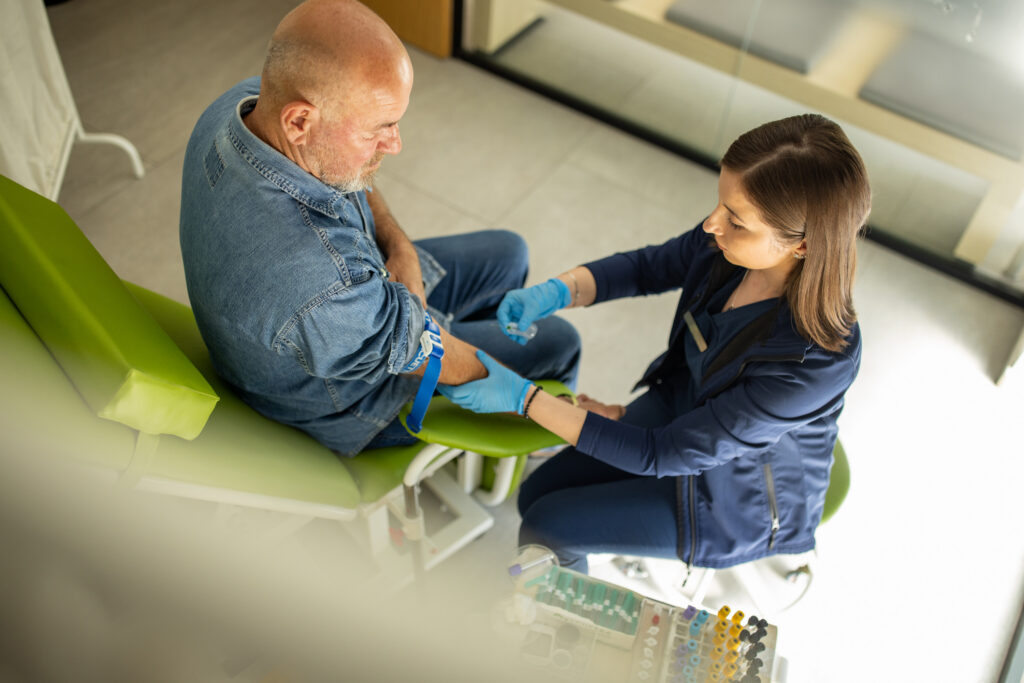
Liver health is a silent priority. Many patients find frequent blood draws frustrating — but regular monitoring of ALT and AST levels is genuinely a safety net, not a procedural formality. Osimertinib can cause changes to liver function, which your oncology care team will monitor through blood tests during treatment. This applies across the class, from Tagrisso to Alecensa side effects, routine labs give your oncologist the data to act before a problem escalates.
The psychological weight is real, and it’s underreported. “Scanxiety” — the anxiety that builds ahead of imaging appointments — is a recognized pattern among patients on long-term oral therapies. Daily pill-taking also serves as a constant, tangible reminder of illness, which can quietly erode mental resilience over time. Connecting with a counselor experienced in oncology, or exploring patient support resources that address the emotional side of treatment, can make a meaningful difference. Naming these experiences with your care team is the first step to getting real support.
Keeping track of these less visible side effects — fatigue patterns, lab trends, mood shifts — is exactly the kind of detail that can sharpen how your oncologist manages your treatment. The next section brings it all together with a practical checklist you can start using today.
The bottom line: your proactive management checklist
Staying on targeted therapy longer is one of the most impactful things you can do — and managing side effects proactively is what makes that possible. Think of these actions as your working toolkit, not a one-time checklist.
- Moisturize early. Don’t wait for an EGFR skin rash to appear before acting. Apply fragrance-free emollients twice daily from day one of treatment — prevention is far easier than recovery.
- Act fast on TKI diarrhea. At the first loose stool, reach for loperamide and increase hydration immediately. Waiting until symptoms are severe can push a manageable Grade 1 issue into a Grade 3 interruption.
- Protect your skin from the sun. If you’re on Alectinib or another ALK inhibitor, photosensitivity is a real concern — SPF 50+ and protective clothing aren’t optional.
- Keep a daily symptom log. Your oncologist needs specific, dated observations to distinguish expected side effects from red flags that warrant a dose adjustment or further testing.
- Know your genetic data. Your EGFR or ALK mutation status isn’t just a diagnosis detail — it opens doors. Understanding how biomarkers shape your options is the first step toward evaluating whether a clinical trial might be right for you.
The most important principle: side effect management is active, not passive. Each of these steps keeps you on therapy longer, which gives the treatment the best possible chance to work. The next section explores how digital tools can help you put all of this into practice — consistently and with your care team’s guidance built in.
Taking control: how Outcomes4Me personalizes your care
Proactive management of targeted therapy side effects is more effective when you have the right tools — and that’s exactly what Outcomes4Me is built to provide. Managing fatigue during targeted therapy, tracking skin changes, or flagging liver enzyme concerns all become more actionable when you can log symptoms in real time and share that data meaningfully with your care team.
The Outcomes4Me app lets you do precisely that. You can track side effects day by day, creating a clear record that helps your provider spot patterns before they become serious problems. Rather than relying on memory during a brief appointment, you walk in with documented, timestamped information your oncologist can actually use.
What makes Outcomes4Me different is the clinical rigor behind the guidance you receive. As the only direct-to-patient digital platform that integrates with National Comprehensive Cancer Network® (NCCN®) treatment guidelines, Outcomes4Me ensures that the advice you see reflects the same evidence-based standards your oncologist follows. Whether you’re navigating an EGFR mutation on osimertinib or an ALK rearrangement on alectinib, you can also explore EGFR and ALK treatment options and find clinical trials matched to your specific mutation profile — because new options may be available to you.
Here’s the most important thing to remember: you are the most important member of your care team. Your observations, your questions, and your willingness to speak up directly shape the quality of care you receive. Targeted therapy success isn’t just about the drug — it’s about you, informed and engaged, every step of the way.
Disclaimer: The information provided in this article is for informational purposes only and is not intended to be a substitute for professional medical advice, diagnosis, or treatment. Outcomes4Me is not acting as your caregiver, and any suggestions or guidance offered should not replace the advice of your healthcare provider or qualified medical professional. Always seek the guidance of your physician or other qualified health provider with any questions you may have regarding a medical condition.
Personalized support for real care decisions
Understand your diagnosis, explore clinical trials, and track symptoms--all in one place.
Get started
Compare treatments, prepare for appointments, and track side effects—all in the app
Built for your diagnosis, Outcomes4Me gives you the tools to make confident, informed decisions—right when you need them.
Continue in app