
Your medical team is essential for treating your cancer, but what about the rest of your life? A diagnosis can touch everything—from your emotional well-being to your finances and family. It’s completely normal to feel like you need more support. The great news is, it’s out there. Many incredible organizations offer help that goes far beyond the hospital. If you’re wondering what services are available for cancer patients, this guide is your starting point. We’ll help you find support programs that provide everything from counseling to help with household chores, making it easier to find the free services for cancer patients you need.
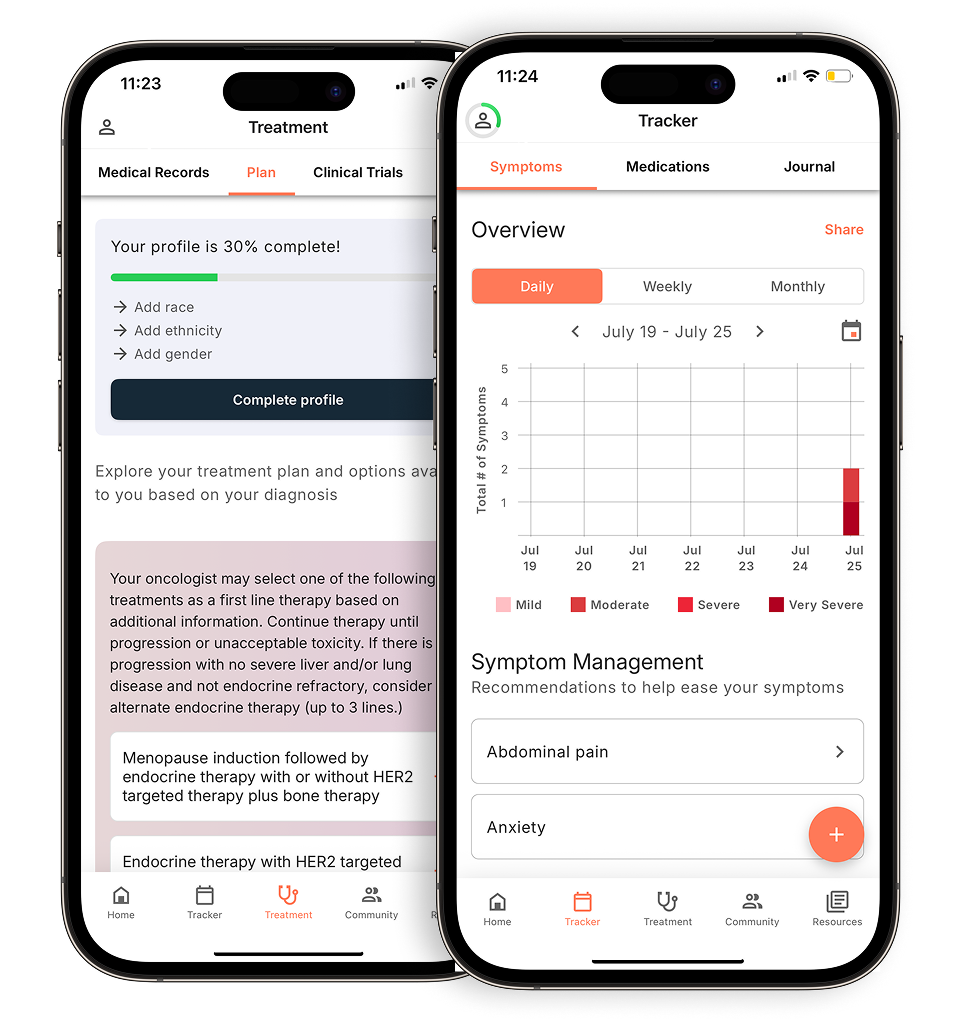
View your personalized treatment plan in the Outcomes4Me app
Use your diagnosis to unlock personalized NCCN Guidelines®-aligned recommendations.
Key Takeaways
- Help extends far beyond medical care: You can find free, practical support for everyday needs like transportation, meals, and childcare, as well as emotional support through counseling and peer groups.
- Your hospital is your first and best resource: Connect with a social worker or financial counselor—they are experts who can guide you to the right financial aid, hospital programs, and other trusted organizations.
- A proactive approach makes a difference: By creating a list of potential resources, gathering necessary documents early, and tracking deadlines, you can make the process of applying for assistance feel much more manageable.
What free services are available for cancer patients?
A cancer diagnosis can feel overwhelming, and it’s completely normal to wonder how you’ll manage everything that comes next. Beyond medical care, many practical, financial, and emotional needs can arise. The good news is you don’t have to face them alone. A wide network of organizations and programs exists specifically to help patients and their families. These services are designed to ease the burden so you can focus more of your energy on your health and well-being.
From financial grants that help with bills to volunteer drivers who can get you to your appointments, this support system covers a lot of ground. You can find help with everyday needs like meals and childcare, as well as specialized assistance for things like legal questions or finding a wig that makes you feel like yourself again. Think of this as your guide to the different kinds of help available. We’ll walk through the main categories of support, so you can see what’s out there and start finding the resources that are right for you.
Finding financial aid and grants
Managing costs during treatment is a major concern for many people. Thankfully, numerous organizations offer direct financial assistance to help lighten the load. This support can come in the form of grants that you don’t have to pay back. Some programs provide smaller amounts to help with everyday expenses like groceries or activities for your children. Other grants for cancer patients can be much larger, offering thousands of dollars to help with rent, mortgage payments, or utility bills. These funds are there to provide some breathing room, allowing you to focus more on your recovery.
Help with travel and a place to stay
Getting to and from appointments can be a challenge, especially if your treatment center is far from home. Several programs are dedicated to solving this problem. In many areas, you can find organizations with volunteer drivers who offer free rides to and from the hospital or clinic. For those who need to travel a longer distance for specialized care, other groups provide free or low-cost places to stay. These lodging programs offer a comfortable and supportive environment, removing the stress and expense of finding a hotel during treatment.
Getting the medical equipment you need
Treatment and recovery often require special equipment that isn’t always covered by insurance. You can find programs that provide necessary medical supplies at no cost. This includes items like walkers or wheelchairs to help with mobility, as well as specialized gear like compression sleeves or bandages for managing lymphedema. Some organizations also help patients access prosthetics. Having the right equipment can make a significant difference in your comfort and quality of life during and after treatment, and these services exist to make sure you have what you need.
Help with meals and nutrition
Good nutrition is an important part of staying strong during treatment, but side effects can sometimes make it hard to cook or eat. There are wonderful resources available to help. Some organizations offer meal delivery services, bringing healthy, ready-to-eat meals right to your door. Others, like the Cancer Nutrition Consortium, provide free care packages by mail that are filled with things like protein shakes and easy-to-prepare foods. They also offer recipes and expert advice tailored to the nutritional needs and challenges that can come with cancer treatment.
Getting legal and insurance advice
A cancer diagnosis can sometimes lead to complex legal or financial questions related to your job, insurance coverage, or disability benefits. You don’t have to figure these things out on your own. There are organizations that provide free legal services to cancer patients to help them understand their rights and options. Groups like the Legal Services Corporation can connect you with professionals who can help you address any issues that arise, ensuring you are treated fairly and can access the benefits you’re entitled to.
Support for your emotional well-being
Taking care of your emotional well-being is just as important as your physical health. Many organizations offer free counseling and therapy services, either in person, online, or over the phone, to help you process your feelings. Another powerful resource is peer support, which connects you one-on-one with a trained volunteer who has been through a similar cancer experience. These support programs provide a safe space to share your concerns, ask questions, and feel understood by someone who truly gets what you’re going through.
Help with appearance-related side effects
The physical changes from treatment, like hair loss, can affect how you see yourself. To help you feel more comfortable and confident, many organizations provide free services and products. You can find programs that offer high-quality wigs, hats, scarves, and other head coverings. There are also services that provide specialized items like mastectomy bras and breast forms. These resources are designed to help you feel more like yourself during a time of great change, offering practical support with compassion and dignity.
Support for caregivers
Caregivers are the unsung heroes of a cancer journey, and it’s so important for them to have their own support system. Taking care of a loved one is a demanding role that can bring its own emotional and physical challenges. Many organizations recognize this and offer free resources specifically for caregivers. You can find dedicated support groups, counseling services, and educational materials designed to help you manage stress and stay well. These services provide a space to connect with others who understand your experience and learn practical ways to handle the responsibilities of caregiving without losing sight of your own needs.
Post-treatment and survivorship support
Life after treatment is a new chapter, and it comes with its own set of adjustments. Survivorship care focuses on your long-term health and well-being once active treatment is complete. This includes managing any lasting side effects, focusing on your emotional health, and making healthy lifestyle choices. Many organizations offer resources to help you with this transition, including support groups for survivors, wellness workshops, and mental health services. A key part of this phase is creating a survivorship care plan with your doctor to outline your follow-up care and address your ongoing health needs.
Where to find free cancer support
Knowing where to look for help can make a world of difference. Many incredible organizations are dedicated to providing free services and support to people with cancer. From personalized digital tools to nationwide programs, these resources are designed to help you with the practical, financial, and emotional aspects of your care. Think of these groups as an extension of your support system, ready to step in with the specific assistance you need. Below are a few key places you can turn to for reliable information and support throughout your cancer experience.
Personalized guidance in the Outcomes4Me app and personalized guidance
It can be overwhelming to sort through information and figure out what applies to you. The Outcomes4Me app acts as a personal guide, offering information and resources based on your specific diagnosis and health records. When you share your medical history, the app provides clear guidance on things like treatment options, potential clinical trials, and genetic testing that might be right for you. It’s a way to get evidence-based information that’s tailored to your unique situation, helping you feel more informed and in control as you make decisions with your care team.
Support from the American Cancer Society
The American Cancer Society (ACS) is a cornerstone of support for the cancer community. They offer a wide range of programs for patients, survivors, and caregivers at every point in the cancer journey. Whether you need a ride to treatment, a place to stay, or just someone to talk to, the ACS likely has a resource that can help. You can use their website to find support programs and services available in your local area, connecting you with everything from emotional support groups to help with day-to-day needs.
One-on-one peer matching with ACS CARES™
Sometimes, the most helpful person to talk to is someone who has walked a similar path. The ACS CARES™ program recognizes this by connecting you with a trained volunteer who has had a similar cancer experience. This one-on-one peer support offers a unique space to ask questions, share your feelings, and get encouragement from someone who truly understands what you’re going through. It’s a way to feel less alone and more connected, providing emotional and practical support from diagnosis through recovery.
Clinical trial navigation with ACS ACTS™
Clinical trials can be a source of hope, but understanding them can feel complicated. The American Cancer Society Clinical Trials (ACS ACTS™) program is designed to help. Through this service, you can connect with specialists who will help you understand what clinical trials are and how they work. They can also help you find trials that might be a good fit for your specific situation. This guidance can make it easier to explore all of your treatment options with your doctor.
Appearance support through the EverYou™ program
Feeling like yourself is important, and treatment-related changes to your appearance can be difficult. The EverYou™ program from the American Cancer Society offers compassionate, practical support to help you manage these changes. This program provides free items like wigs, headwear, mastectomy bras, and breast forms to help you feel more comfortable and confident during and after treatment. It’s a resource dedicated to helping you maintain your sense of self with dignity and care.
How CancerCare provides financial and emotional support
The financial side of cancer treatment can be a major source of stress. CancerCare provides free, professional support services, including counseling and financial aid. Their “Helping Hand” is a practical online tool that lets you search for assistance based on your cancer type and location. It connects you with organizations that can help with co-pays, transportation, housing, medication costs, and more. This resource makes it easier to find the financial and practical support you need so you can focus more on your health and well-being.
Case management with the Patient Advocate Foundation
Sometimes you just need an expert in your corner to help with the complex parts of the healthcare system. The Patient Advocate Foundation (PAF) offers free case management services to do just that. Their professional case managers can help you resolve issues with your insurance, get access to care, and apply for financial assistance programs. Think of them as your personal advocate for dealing with the administrative side of your health. These PAF services are designed to remove barriers to care, ensuring you can get the treatments and medications you need without unnecessary hurdles or delays.
Finding support for your specific cancer type
In addition to large, national organizations, there are many foundations dedicated to specific types of cancer. These groups often provide highly specialized resources, from financial grants to support communities of people with the same diagnosis. They can be an incredible source of both practical help and emotional connection. A quick search for your specific cancer type plus “foundation” or “organization” can open up a new world of support. These groups offer free help to cancer patients and their families, making the journey feel a little less lonely.
Understanding the full cost of cancer
When you’re focused on treatment and recovery, thinking about money can feel like the last thing you want to do. But understanding the full financial picture can help you plan and find the right support, reducing stress down the road. The cost of cancer isn’t just about medical bills; it includes a wide range of expenses that can affect your daily life. Breaking these costs down into different categories can make them feel more manageable and help you see where you might need the most assistance. This awareness is the first step toward finding the resources that can provide financial relief.
Direct medical costs
The most obvious expenses are the ones that come directly from your medical care. These direct medical costs include things like your doctor appointments, hospital stays, lab tests, imaging scans, and the medications you need for treatment. While health insurance is designed to cover a large portion of these bills, it often doesn’t cover everything. You may still be responsible for deductibles, co-pays, and coinsurance, which can add up over time. It’s helpful to get familiar with your insurance plan to understand what is covered and what you might have to pay out-of-pocket, so there are fewer surprises along the way.
Non-medical costs like travel and childcare
Beyond the hospital bills, there are many other expenses that are necessary for your care but aren’t medical in nature. These are often called indirect or non-medical costs, and they can have a significant impact on your budget. This category includes the cost of gas and parking for frequent trips to your treatment center, or even lodging if you have to travel for specialized care. It also covers things like over-the-counter medicines to manage side effects, special dietary foods, and childcare during your appointments. These expenses can become especially challenging if you or a caregiver needs to take time off from work, which can reduce your household income.
Daily living expenses
While you’re going through treatment, your regular household bills don’t stop. These daily living expenses—like your rent or mortgage, utility bills, and groceries—can become a major source of financial strain, particularly if your ability to work is affected. The added pressure of keeping up with these essential costs on top of everything else can be incredibly stressful. Recognizing that these everyday expenses are part of the overall cost of cancer is important. Many financial assistance programs are designed specifically to help with these fundamental needs, providing grants to help you cover your housing and utility payments so you can focus more of your energy on your health.
How to get financial help for cancer care
Managing the cost of care is a real and valid concern for many people. The good news is you don’t have to figure it all out on your own. There are many programs and people dedicated to easing the financial burden of cancer treatment. Taking it one step at a time can make the process feel much more manageable. Let’s walk through where you can start looking for support.
Talk to your hospital’s social workers and financial counselors
Your hospital or cancer center likely has a team of people whose job is to help you with these exact challenges. A social worker or financial counselor is your best first stop. They are experts who can explain your insurance coverage in plain language, estimate out-of-pocket costs, and connect you with financial aid programs you might qualify for. Don’t hesitate to ask for a meeting as soon as you can—the earlier you connect with your care team, the more prepared you’ll be.
What you’ll need for applications
Applying for financial assistance often requires a bit of paperwork, so it helps to get organized. While each program has its own rules, you’ll generally need documents that show your financial situation, like tax returns, pay stubs, and bank statements. You may also need proof of your diagnosis from your doctor. Finding help can take some effort, and assistance from any single organization may be limited. It’s always a good idea to check the specific requirements and deadlines directly with each organization, as their guidelines and funding can change.
Applying for government programs and benefits
You may be eligible for support through federal or state programs. Programs like Medicare and Medicaid can help cover healthcare costs for older adults, people with disabilities, or those with lower incomes. If you’re unable to work due to your treatment, you might also qualify for Social Security Disability Insurance (SSDI) or Supplemental Security Income (SSI). The application processes for these government benefits can take time, so it’s wise to look into them and apply as early as possible if you think you might be eligible. Your hospital’s social worker can often help you understand which programs to explore.
Getting direct aid from cancer organizations
Beyond government programs, many non-profit organizations are dedicated to helping cancer patients with their expenses. These groups offer grants to help with everything from treatment co-pays and prescription costs to everyday living expenses like rent and utilities. Some hospitals also have their own “charity care” programs that can reduce or eliminate your bills if you meet their income guidelines. Organizations like CancerCare provide financial assistance and can also help you find other resources. Don’t be afraid to reach out—these programs exist because they want to help.
Finding co-pay relief and medication assistance programs
The cost of prescription drugs can add up quickly, but there are programs designed specifically to help. Many pharmaceutical companies offer Patient Assistance Programs (PAPs) that provide medications at a lower cost or even for free to those who qualify. Additionally, non-profit organizations offer co-pay relief programs that can help cover the portion of your medication costs that insurance doesn’t. These grants can make a significant difference in your monthly budget. Your doctor’s office or hospital social worker is a great place to start asking about these options, as they are often familiar with the programs available for the specific treatments you need. You can also explore resources like the PhRMA’s Medicine Assistance Tool to search for programs you may be eligible for.
Practical advice for managing bills and finances
When medical bills start arriving, it’s easy to feel overwhelmed. But you don’t have to sort through them alone. Your hospital or cancer center has financial experts on staff whose entire job is to help patients with these challenges. Making an appointment with a financial counselor or social worker should be one of your first steps. They can sit down with you to review your insurance policy in plain language, give you an estimate of your out-of-pocket costs, and connect you with the right financial aid programs. They are your dedicated guides for the financial side of your care, ready to answer your questions and point you toward the support you need.
Contacting creditors and setting up payment plans
It can be tempting to set bills aside when you’re focused on your health, but taking a proactive approach can prevent added stress later on. Don’t hesitate to call your hospital’s billing department to ask about payment plans, which can break a large bill into smaller, more manageable monthly payments. The same goes for your other regular bills, like your mortgage, car payment, or credit cards. Many companies have policies in place to help customers experiencing a medical crisis. By explaining your situation, you may be able to arrange a temporary deferment or a modified payment schedule. When you call, have your account information ready and be prepared to take notes, including the name of the person you speak with and the details of any agreement you make.
Considering fundraising as an option
Your community of friends, family, and neighbors often wants to help, but they may not know how. Sometimes, organizing a fundraiser can be a way to let them show their support in a practical way. Online platforms have made it easier than ever to share your story and collect donations to help cover medical and living expenses. This path isn’t for everyone, and it’s a deeply personal decision. However, for some, it can be an empowering way to ease financial pressures while allowing loved ones to contribute meaningfully. If you decide to explore this, focus on sharing your journey authentically and be clear about how the funds will help you and your family during your treatment.
What free emotional support is available?
Going through cancer treatment is about more than just your physical health. Your emotional and mental well-being are just as important, and you don’t have to manage these feelings alone. Many organizations understand the emotional weight of a cancer diagnosis and offer free support to help you cope. These resources can provide a safe space to talk, connect you with others who understand, and offer professional guidance when you need it most. Whether you prefer one-on-one counseling, a group setting, or the convenience of online communities, there are options available to support you through every step of your journey.
Finding a professional counselor or therapist
Talking with a trained professional can make a significant difference in how you handle the emotional challenges of cancer. Many organizations offer free counseling and therapy services specifically for cancer patients and their families. These sessions, which can happen in person, over the phone, or via video call, give you a confidential space to explore your feelings, develop coping strategies, and receive guidance from someone who understands the complexities of a cancer diagnosis. It’s a dedicated time for you to focus on your mental health without worrying about the cost.
Connecting with others in support groups
Sometimes, the most comforting thing is talking to someone who truly gets it. Peer support groups connect you with other patients and survivors who have walked a similar path. Sharing experiences, advice, and encouragement with people who have firsthand knowledge can help you feel less isolated and more understood. The American Cancer Society’s Cancer Survivors Network is a great example of an online community where you can connect with others, ask questions, and find solidarity. These groups offer a powerful reminder that you are part of a larger community.
Finding support in online communities
If you prefer to connect from the comfort of your home, online communities and virtual support forums can be an incredible resource. These platforms allow you to share your story, read about others’ experiences, and find encouragement whenever you need it. They serve as a central place to find different kinds of assistance and connect with a diverse group of people from all over the world. This kind of virtual connection can be a lifeline, especially on days when you may not feel up to leaving the house but still want to feel connected.
Where to turn for immediate help
There may be moments when you need to talk to someone right away. For immediate support, crisis hotlines are available 24/7. The American Cancer Society provides a 24/7 Cancer Helpline at 1-800-227-2345 where you can speak with a trained specialist at any time of day or night. They can answer questions, provide emotional support, and connect you to local resources. Knowing that immediate, confidential help is just a phone call away can provide peace of mind during particularly difficult times.
How to find help with transportation and housing
Getting to and from treatment can be a major challenge, especially if your cancer center is far from home. The costs of travel and lodging can add up quickly, creating another layer of stress. The good news is that you don’t have to figure this out alone. Many organizations understand these challenges and offer free or low-cost assistance to help you get the care you need, whether it’s a ride across town or a place to stay near the hospital.
Getting help with flights and long-distance travel
Traveling a long distance for specialized treatment can feel overwhelming, but several nonprofit groups are dedicated to easing this burden. Organizations like Mercy Medical Angels arrange free transportation on commercial airline flights for patients who need to get to distant medical facilities. These services are typically for non-emergency situations and are designed for people who are medically stable enough to fly. They can be an incredible resource if the best care for your specific diagnosis is in another state. Applying often involves providing information about your medical needs and financial situation, so it’s a good idea to have your treatment details handy when you reach out.
Finding lodging near treatment centers
If your treatment requires you to stay near the hospital for days or weeks at a time, housing costs can become a serious concern. Fortunately, programs exist to provide a home away from home. For example, organizations like Hospitality Homes connect patients and their families with free or very low-cost temporary housing. These programs are often for those who have to travel a significant distance, usually 50 miles or more, for care. Staying in a comfortable, private space can make a huge difference in your well-being during treatment. Your hospital’s social worker is a great person to ask about local lodging programs and hospitality houses in the area.
Exploring free lodging like the Hope Lodge® program
One of the most well-known resources is the American Cancer Society’s Hope Lodge® program, which offers a free, temporary place to stay for patients and their caregivers. These lodges are designed to be a home away from home, providing a comfortable and supportive environment where you can focus on your health without worrying about hotel bills. More than just a place to sleep, a Hope Lodge offers a community. You’ll find private rooms and bathrooms, along with shared spaces like kitchens and living rooms, where you can connect with other guests who understand what you’re going through. For areas without a lodge, the ACS also partners with hotels to provide free or low-cost rooms, ensuring more people can access this vital support.
Finding local rides to your appointments
Even when treatment is close to home, getting to daily or weekly appointments can be difficult if you don’t feel well enough to drive or don’t have reliable transportation. This is where local ride services can be a lifesaver. The American Cancer Society’s Road To Recovery® program, for instance, uses volunteer drivers to provide rides for patients to and from their cancer treatments. These programs are available in many communities and are completely free. They not only solve a practical problem but also connect you with a friendly face who understands what you’re going through. Check with local cancer support organizations to see what’s available in your area.
Getting help with gas and travel costs
The cost of gas, parking, and tolls for frequent trips to the hospital can add up surprisingly fast. To help with these expenses, some charitable organizations offer financial assistance specifically for transportation. This support often comes in the form of gas cards or direct reimbursement for your travel costs. Programs like CancerCare’s financial assistance may provide grants to help cover these expenses for eligible patients. This type of practical aid can relieve some of the financial pressure, allowing you to focus more on your health and treatment. When applying, you’ll likely need to provide proof of your appointments and related travel expenses.
What practical, day-to-day support can you get?
Managing a cancer diagnosis goes far beyond medical appointments. Daily tasks can feel overwhelming, and it’s completely normal to need a hand with things like household chores, work, or school. Thankfully, many organizations understand this and offer practical support to help lighten your load. These services are designed to give you more time and energy to focus on your well-being.
Help with cleaning and childcare
When you’re not feeling your best, keeping up with housework or childcare can be a major source of stress. Several non-profits offer services to help manage these daily responsibilities. For instance, Cleaning for a Reason is a wonderful organization that partners with local cleaning services to provide free house cleanings for people undergoing cancer treatment. Other groups may offer help with childcare, meal preparation, or running errands. Accepting this kind of help can free up valuable energy for rest and recovery, so don’t hesitate to see what’s available in your community.
Getting support at work and school
Continuing with work or school during treatment is a personal decision, and if it’s the right path for you, support is available to make it more manageable. For students, numerous scholarships exist specifically for cancer patients, survivors, and their family members. These funds can help ease the financial burden of tuition and school-related costs, allowing you to focus on your studies without added financial stress. Your hospital’s social worker or financial navigator can be a great resource for finding these opportunities and helping you with applications.
Help with utility bills and home care
Paying for household bills on top of medical expenses can be a challenge. If you’re worried about covering costs like heating or electricity, you may be able to get help. The Low Income Home Energy Assistance Program (LIHEAP) is a federal program that helps families with lower incomes pay their energy bills. Many utility companies also have their own assistance programs for customers facing medical challenges. It’s always worth calling your service providers to explain your situation and ask if they offer any support or flexible payment plans.
Finding wigs, headwear, and appearance support
Changes to your appearance are a common side effect of treatment, and it’s okay to want to feel like yourself during this time. Many organizations provide free or low-cost wigs, headwear, and other items to help you feel more comfortable. The American Cancer Society, for example, offers programs that provide wigs and other appearance-enhancing products to help you manage the appearance-related side effects of treatment. These resources are there to support your sense of identity and well-being, helping you face each day with confidence.
Recreational opportunities and “wish” programs
A cancer diagnosis doesn’t mean life has to be put on hold. Taking time for joy and creating happy memories is an important part of the journey. Many organizations recognize this and offer incredible recreational opportunities for patients and their families. You can find programs that provide everything from free vacations and day trips to special “wish” grants. These wishes can be anything from attending a major sporting event to having a special wedding or anniversary celebration coordinated. These experiences are designed to give you a much-needed break from the routine of treatment, offering a chance to relax, reconnect with loved ones, and simply have fun.
Free informational resources and entertainment
Staying informed about your health is empowering, and finding ways to relax and entertain yourself is just as crucial for your well-being. There are many free resources available to help with both. You can find complimentary subscriptions to cancer journals, books, and magazines that keep you up-to-date on the latest research and stories from the community. There are also countless inspirational or educational podcasts to listen to during treatment or downtime. Additionally, you can find mobile apps designed to help you manage your care and organize your health information, making it easier to understand your options and feel more in control of your journey.
Free professional photography services
During a time when so much is changing, capturing precious moments with the people you love can feel more important than ever. To help families create lasting keepsakes, some non-profit organizations offer the services of professional photographers at no cost. These photographers volunteer their time and talent to capture beautiful family memories through sensitive and respectful photo sessions. This is a wonderful opportunity to create timeless portraits that celebrate your family’s strength and connection. These photographs become cherished mementos, preserving the love and support that surrounds you during your cancer experience.
Navigating legal and insurance challenges
Understanding your rights at work (FMLA)
A cancer diagnosis can bring up a lot of questions about your job, and it’s completely normal to worry about how treatment will affect your work life. It’s important to know that you have rights and protections. The Family and Medical Leave Act (FMLA), for example, is a federal law that may allow you to take unpaid, job-protected leave for specified family and medical reasons. This can give you the time you need for appointments and recovery without the added stress of losing your job. You don’t have to sort through these complex rules by yourself. Your hospital’s social worker or organizations that offer free legal services can help you understand your options and what you’re entitled to.
Keeping your health insurance (COBRA, HIPAA)
Worrying about health insurance is one of the most common concerns after a diagnosis, especially if you need to reduce your work hours or leave your job. Fortunately, there are laws in place to help you stay covered. COBRA is a federal law that lets you and your family stay on your employer’s health plan for a limited time after your employment ends. Another important law, HIPAA, offers protections that can make it easier to get coverage without a waiting period if you switch to a new plan. Understanding the details can feel like a lot, but you’re not alone. A patient advocate or a financial counselor can walk you through your choices and help you find the best path forward for maintaining your health insurance.
How to appeal an insurance denial
Receiving a letter from your insurance company denying coverage for a treatment or medication can be incredibly disheartening. The first thing to know is that you have the right to appeal that decision. The appeals process can be complicated, but it’s a critical step in getting the care your doctor has recommended. You’ll want to work closely with your medical team to gather the necessary documentation to support your case. If the process feels overwhelming, there are organizations that can help. Groups like the Legal Services Corporation can connect you with free legal aid to help you with your appeal, ensuring your case is as strong as possible.
Getting help with legal documents
A serious diagnosis often prompts us to think about the future and get our affairs in order. This might include preparing legal documents like an advance directive (living will) or designating a healthcare power of attorney. These documents are about making your wishes known and ensuring they are followed, which can provide tremendous peace of mind for both you and your loved ones. If you’re not sure where to start or are concerned about the cost, many organizations offer free legal services to cancer patients. These professionals can help you draft and finalize these important documents, allowing you to focus more on your health and well-being.
Support after treatment and for quality of life
Creating a survivorship care plan
Once active treatment is over, you move into a new phase of your cancer journey: survivorship. A survivorship care plan is a helpful tool to guide you through this transition. Think of it as a personalized roadmap for your health moving forward. It typically includes a summary of your diagnosis and the treatments you received, along with a clear schedule for follow-up appointments and tests. It also provides information on potential long-term side effects and tips for staying healthy. This document is valuable for you and any new doctors you see in the future, ensuring everyone is on the same page about your medical history and ongoing needs. Your oncology team can help you create a care plan that’s right for you.
Understanding palliative care
There’s a common misconception that palliative care is only for the end of life, but that’s not the case at all. Palliative care is specialized medical care focused on providing relief from the symptoms and stress of a serious illness, and it can be beneficial at any stage of treatment. The main goal is to improve your quality of life. A palliative care team works alongside your oncologists to help manage things like pain, nausea, fatigue, and anxiety. This extra layer of support addresses you as a whole person, not just your disease. If you’re experiencing difficult symptoms, ask your doctor about incorporating palliative care into your treatment plan.
Finding end-of-life and grief support
Conversations about end-of-life care can be difficult, but for some, planning ahead can provide a sense of peace and control. Hospice care is a special type of care that focuses on comfort and quality of life when a cure is no longer the goal. It provides compassionate medical, emotional, and spiritual support to patients and their families, often in the comfort of their own home. The support doesn’t end there; these programs also offer grief and bereavement services for loved ones after a loss. Many organizations provide resources to help families with these sensitive discussions and decisions, ensuring that support is available for everyone involved at every step of the way.
Do you qualify for free cancer support services?
Finding and applying for free services can feel like a job in itself, but knowing what to expect can make the process much smoother. Each organization has its own set of rules for who they can help, so eligibility often varies from one program to the next. Think of it like a checklist—before you apply, you’ll want to see if you meet their specific criteria.
Most of the time, eligibility comes down to a few key factors: your financial situation, your specific diagnosis or treatment stage, where you live, and sometimes even your insurance status. It’s not meant to be complicated, but these guidelines help organizations direct their limited resources to the people they are best equipped to serve. Taking a moment to understand these common requirements will help you focus your search on the programs that are the right fit for you, saving you time and energy.
Understanding financial requirements
Many support programs are created to ease the financial burden of a cancer diagnosis, so they often have income requirements. This doesn’t mean you have to be in a difficult situation to qualify; “financial need” is defined differently by each organization. Some groups offer direct financial aid, with grants for cancer patients that can range from a few hundred to several thousand dollars to help with bills and other costs. Don’t assume you won’t be eligible. It’s always worth looking into the specific financial guidelines for any program that interests you, as you may be surprised by what’s available.
How your diagnosis or treatment stage affects eligibility
Some organizations focus on helping people with a specific type of cancer, while others offer support based on where you are in your cancer journey. For example, certain programs might be for people currently undergoing chemotherapy, while others are for survivors or those in palliative care. The American Cancer Society, for instance, provides services that cover the entire experience, from the moment of diagnosis through treatment and beyond. When you’re searching for help, be sure to note if a service is tied to a particular diagnosis or stage of care to make sure it aligns with your current needs.
Does your location or insurance matter?
Where you live can also play a big role in the support you can receive. Many services are community-based, which is why you’ll often see search tools that ask for your zip code. This helps connect you with local chapters of national organizations or smaller, community-focused groups. Your location is especially important for practical support like transportation or lodging if you need to travel for treatment. While many programs are available to everyone regardless of insurance coverage, some are designed to fill gaps for those who are uninsured or underinsured. Always check the location and insurance details when exploring your options.
Keeping track of deadlines and funding
It’s helpful to know that most organizations rely on donations and grants, which means their funding can fluctuate. Because of this, the assistance they offer is often limited, and it’s a good idea to apply as early as you can. Some programs, especially those for housing or significant financial aid, may have specific application periods or deadlines. Planning ahead can make a big difference. Keep an eye on timelines and understand that the amount of help available might change from year to year. Being prepared and timely with your applications gives you the best chance of securing the support you need.
Create your personalized support plan
With so many resources available, it can feel overwhelming to know where to start. Creating a personalized plan helps you focus on what you need most and track your progress. Think of this as building your personal toolkit for support. It’s about gathering the right information, organizing your next steps, and connecting with people who can help you along the way. Breaking it down into smaller, manageable tasks makes the process much easier. Let’s walk through how to build a plan that works for you.
Build your resource list
First, start by making a list of all the potential resources that fit your needs. You can use a simple notebook or a digital document to keep everything in one place. Organizations offer a wide range of help, from free vacations and care packages to medical equipment and wigs. Tools like CancerCare’s “Helping Hand” can help you find financial and practical assistance based on your cancer type and location. As you find organizations, jot down their names, websites, and what they offer. This central list will become your go-to guide as you begin reaching out for support.
Organize your applications and timelines
Once you have your list, the next step is to get organized. For each resource, note the application requirements and deadlines. Some types of aid, like housing assistance, are best applied for as early as possible since they can take time to process. Create a simple calendar or timeline to keep track of when you need to submit paperwork. It’s also a good idea to gather necessary documents, like proof of diagnosis or financial statements, so you have them ready. This bit of planning can make the application process feel much smoother and less stressful.
Using organizational tools like the Cancer Care Toolkit
Keeping all this information straight—from applications to appointments—can feel like a full-time job. This is where organizational tools can be a huge help. Many cancer organizations have created online platforms to make finding support easier. These resources act like a centralized directory, saving you from having to search all over the internet. Beyond finding external help, it’s also important to have your own medical information organized. The Outcomes4Me app provides personalized guidance based on your diagnosis, helping you understand your treatment options and potential clinical trials. Having this information clear and accessible not only empowers you in conversations with your doctor but also makes it easier when applying for services that require details about your care plan.
Create your support network
Practical and financial aid are crucial, but so is emotional support. Building a network of people you can lean on is a key part of your plan. This network can include friends, family, and formal support programs. The American Cancer Society (ACS), for example, offers services that connect you with someone who understands what you’re going through. Programs like these provide one-on-one support and can help you find other local resources. Remember, you don’t have to do this alone, and there are communities ready to welcome you.
Related Articles
- How can I get financial help with bills during cancer treatment? | Outcomes4Me Community
- Is there financial help for middle-class cancer patients? | Outcomes4Me Community
- Help Paying for Treatment Without Insurance | Outcomes4Me Community
- Outcomes4Me – Financial Resources
View your personalized treatment plan in the Outcomes4Me app
Use your diagnosis to unlock personalized NCCN Guidelines®-aligned recommendations.
Frequently Asked Questions
There are so many resources listed. Where is the best place to start? It can definitely feel like a lot to take in at once. Your best first step is to connect with the social worker or financial counselor at your hospital or cancer center. These professionals are experts who can help you make sense of your options. They can assess your specific needs and point you directly to the local and national programs that are the best fit for you, which can save you a lot of time and energy.
Can my family get support, too? Yes, absolutely. Many organizations understand that a cancer diagnosis affects the entire family. Support services are often available for caregivers and loved ones as well. This can include things like counseling, support groups specifically for family members, and lodging programs that provide a place for a loved one to stay with you during treatment.
What if I don’t think I’ll qualify for financial aid based on my income? It’s always worth checking the specific guidelines for any program that interests you. Each organization defines “financial need” differently, and the income thresholds can vary quite a bit. You might be surprised to find you are eligible for assistance. Even if you don’t qualify for income-based grants, many other services like transportation, peer matching, and emotional support are available to everyone, regardless of their financial situation.
How can I get help with everyday tasks that aren’t medical, like cooking or cleaning? There is a lot of practical support available to help with the demands of daily life. Many non-profits focus specifically on these needs so you can conserve your energy for your health. You can find organizations that offer free house cleaning services, meal delivery, or help with childcare and running errands. These services are designed to give you more breathing room during treatment.
Is it better to look for help from large national organizations or smaller local ones? It’s a great idea to explore both. Large, national organizations often have a wide range of well-established programs, from ride services to 24/7 helplines. At the same time, smaller community groups or foundations dedicated to a specific cancer type can offer more personalized aid and a strong local connection. Using a mix of both national and local resources can help you build the most comprehensive support system possible.