
That nagging left shoulder blade pain can be a real puzzle. You feel the ache right there, but the actual problem might be starting somewhere else entirely. This kind of back shoulder blade pain could be a muscle you strained without realizing it, a side effect of poor posture, or even a signal from a nerve in your neck. Understanding these different possibilities is the first step toward finding relief. This article will help you connect the dots, recognize the symptoms of an aching shoulder blade, and figure out the best left shoulder blade pain treatment for you—whether it’s a simple stretch or a call to your doctor.
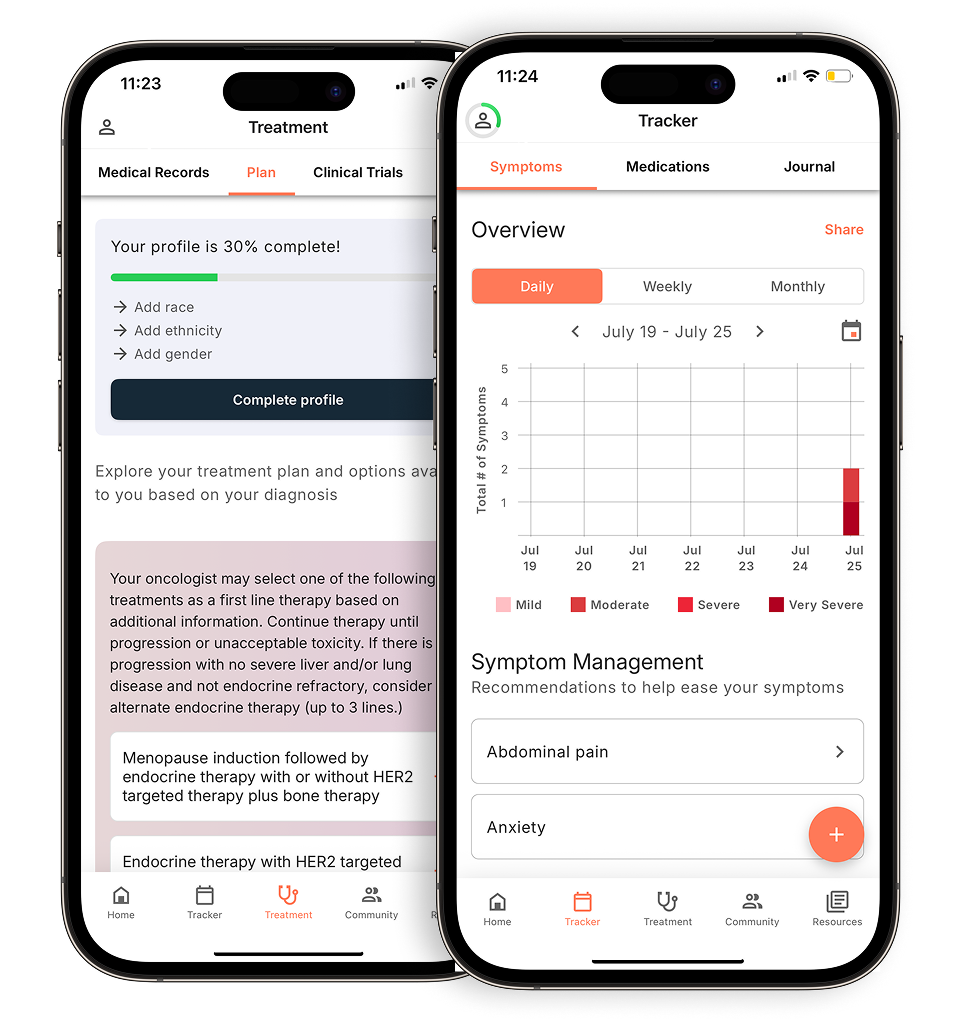
View your personalized treatment plan in the Outcomes4Me app
Use your diagnosis to unlock personalized NCCN Guidelines®-aligned recommendations.
Key Takeaways
- Look beyond the ache: While muscle strain and poor posture are common culprits, your shoulder blade pain could also be a sign of a pinched nerve or an issue elsewhere in your body. Understanding the type of pain you feel is key to figuring out the next steps.
- Listen to the warning signs: Simple home care can often resolve minor pain, but don’t ignore persistent or worsening discomfort. Seek immediate medical help for severe pain accompanied by chest pressure or difficulty breathing, as these can be signs of a serious condition.
- Build a pain-free routine: Preventing future flare-ups involves simple, proactive habits. Focus on improving your posture, strengthening your back and shoulder muscles, and incorporating regular movement and stretching into your day to maintain mobility and support.
Why Does My Shoulder Blade Hurt?
That nagging ache or sharp jab between your shoulders can be a real mystery. Shoulder blade pain is incredibly common and can stem from a wide range of issues—from something as simple as how you slept last night to more complex medical conditions. The first step to finding relief is figuring out the root cause. Most of the time, the culprit is musculoskeletal, meaning it’s related to your muscles, bones, and connecting tissues. However, sometimes the pain isn’t coming from your shoulder at all. Let’s walk through some of the most common reasons you might be feeling that pain.
How Common is Shoulder Pain?
If you’re dealing with an ache in your shoulder, you’re in good company. Shoulder pain is a widespread issue, affecting roughly 1 in 4 adults at some point in their lives. This discomfort can show up in many ways—a dull throb, a sharp pinch, or a constant ache that makes it hard to get comfortable. The reasons are just as varied, ranging from a simple muscle strain after a workout to the way you sit at your desk every day. Because the shoulder is such a complex and mobile part of your body, it’s susceptible to a lot of different problems. Knowing how common it is can be reassuring, but it also highlights the importance of paying attention to what your body is telling you.
Shoulder Joint vs. Shoulder Blade Pain: What’s the Difference?
It’s important to pinpoint exactly where your pain is coming from, as “shoulder pain” can mean a few different things. Pain in your shoulder blade, or scapula, is felt in the large, triangular bone in your upper back. This is distinct from pain in the shoulder joint itself—the ball-and-socket mechanism that connects your arm to your body. Shoulder blade pain often feels like it’s in the muscles surrounding the bone and can be caused by things like muscle strains from lifting something heavy, poor posture, or even a problem in your neck, like a slipped disc. The good news is that this type of pain often resolves on its own within a few days with rest and gentle care.
Is Muscle Strain the Culprit?
If your shoulder blade pain feels like a dull, persistent ache, muscle strain is a likely cause. Think about your recent activities. Did you spend the weekend gardening, lift a heavy box, or try a new workout? Overusing the muscles in your upper back and shoulders can lead to inflammation and pain. According to the Cleveland Clinic, many shoulder pain causes are due to overuse or injury, which can result in aches that get worse when you move a certain way. Even something as simple as sleeping in an awkward position can be enough to strain these muscles, leaving you feeling stiff and sore the next day.
How Your Posture Triggers Back Shoulder Blade Pain
Take a moment to check in with your posture right now. Are you slouching over a keyboard or looking down at your phone? Poor posture is one of the biggest contributors to shoulder blade pain. When you consistently slump forward, you put extra stress on the muscles in your upper back, forcing them to work overtime to keep your head upright and your shoulders stable. Over time, this leads to muscle fatigue and tightness. As experts at OrthoInfo note, this kind of chronic strain is a primary factor in many scapular disorders. Correcting your posture can make a huge difference in preventing this discomfort from becoming a regular issue.
Could a Pinched Nerve Be the Problem?
Sometimes, the source of your pain isn’t where you feel it. If you’re experiencing a sharp, burning, or shooting pain around your shoulder blade, it could be coming from a pinched nerve in your neck, a condition known as cervical radiculopathy. When a nerve in your cervical spine gets compressed or irritated, it can radiate pain to the shoulder blade, which is why a neck problem can often be mistaken for a shoulder issue. You might also feel tingling, numbness, or weakness in your arm or hand, which are classic signs that a nerve is involved.
Other Musculoskeletal Causes
Beyond the usual suspects like muscle strain and poor posture, a few other musculoskeletal issues can be the source of that persistent pain in your shoulder blade. These conditions often involve inflammation, injury, or structural problems in the shoulder area. While they might sound complicated, understanding them is the first step toward getting the right kind of care. Pinpointing the exact cause can help you and your doctor create a plan that targets the problem directly, rather than just managing the symptoms. Let’s look at some of these less common, but still important, causes.
Arthritis, Bursitis, and Tendinitis
Inflammation is your body’s response to injury or irritation, and it’s at the heart of several conditions that can cause shoulder blade pain. Arthritis, for instance, involves inflammation within the shoulder joint itself, which can radiate pain to the surrounding muscles and your scapula. Similarly, bursitis is the inflammation of the small, fluid-filled sacs called bursae that cushion your joints, while tendinitis is the inflammation of the tendons connecting muscle to bone. According to the Cleveland Clinic, these inflammatory issues are common sources of shoulder discomfort that can easily be felt in the shoulder blade area, making movement painful and stiff.
Frozen Shoulder or Fractures
Sometimes, the problem is less about inflammation and more about a loss of mobility or a direct injury. Frozen shoulder, also known as adhesive capsulitis, is a condition where the shoulder joint becomes incredibly stiff and painful, severely limiting your range of motion. While the issue is centered in the joint, the resulting pain and stiffness often spread to the shoulder blade. On the other hand, a fracture to the scapula, clavicle, or a nearby rib can cause intense, localized pain. These injuries are usually the result of a significant impact, like a fall or accident, and require immediate medical attention to ensure proper healing.
Snapping Scapula Syndrome
If you hear or feel a popping, grinding, or snapping sound when you move your arm, you might be experiencing snapping scapula syndrome. This condition occurs when the muscles and bones around your shoulder blade don’t move smoothly against your rib cage. It can be caused by repetitive overhead motions, muscle weakness, or changes in the shape of the bones. While it sounds alarming, the pain is often described as a dull ache at the back or top of the shoulder blade. As experts at New York Bone & Joint Specialists explain, this pain is distinct from issues within the shoulder joint itself and is tied directly to the movement of the scapula.
Is Your Shoulder Pain Coming From Somewhere Else?
In some cases, shoulder blade pain can be a signal from an entirely different part of your body. This is called referred pain, and it happens when an issue with an internal organ sends pain signals that your brain interprets as coming from your shoulder. For example, certain heart or lung conditions can manifest as pain in the left shoulder blade, while gallbladder issues can cause pain on the right. While less common, it’s important to be aware of these possibilities. If your pain is sudden, severe, and accompanied by other symptoms like shortness of breath or chest pain, you should seek medical attention right away.
Serious Heart and Lung Conditions
While it’s not the most common cause, shoulder blade pain can sometimes be a warning sign from your heart or lungs. This is a classic example of referred pain, where a problem in one area of your body causes you to feel pain somewhere else. For instance, a heart attack can sometimes present as sudden pain in the left shoulder blade, not just the chest. Similarly, conditions like a pulmonary embolism (a blood clot in the lung) can also trigger sharp pain in your shoulder. If your shoulder blade pain comes on suddenly, is severe, and is paired with symptoms like chest pain, pressure, or shortness of breath, it’s critical to seek emergency medical care immediately.
Referred Pain from Internal Organs
Your heart and lungs aren’t the only internal organs that can send pain signals to your shoulder area. Issues with abdominal organs can also be the culprit. A common example is the gallbladder. If you have gallstones or gallbladder inflammation, you might feel a sharp, intense pain in your right shoulder blade. This happens because the gallbladder is located in the upper right part of your abdomen, and it shares nerve pathways with your right shoulder. Pay attention to other clues your body might be giving you, such as nausea, fever, or pain after eating a fatty meal. Mentioning these related symptoms to your doctor can help them pinpoint the true source of the discomfort.
Herniated Discs and Other Bone Issues
The structure of your spine plays a huge role in how your upper body feels and functions. A herniated disc in your neck (cervical spine) is a frequent cause of shoulder blade pain. This occurs when one of the soft, cushion-like discs between your vertebrae pushes out and presses on a nearby nerve. That pressure can send shooting or burning pain signals down the nerve’s path, often ending right in your shoulder blade. You might also experience tingling, numbness, or weakness in your arm or hand. This isn’t just a muscle ache; it’s a sign that a nerve is being irritated by a structural issue in your spine, which requires a proper medical evaluation.
Decoding Your Shoulder Blade Pain Symptoms
Shoulder blade pain can feel different for everyone. It might be a dull ache, a sharp twinge, or a burning sensation. Figuring out exactly what you’re feeling and where it’s coming from is the first step toward finding relief. Sometimes the pain is right where you’d expect, but other times it can be a bit more mysterious, showing up with other symptoms like weakness or spreading to nearby areas. Paying close attention to these details can help you and your doctor understand the root cause.
Pinpointing Exactly Where It Hurts
Take a moment to pinpoint where the pain is most intense. Is it a general ache across your upper back, or can you trace it to a specific spot? Often, pain related to the shoulder blade, or scapula, is felt along its inner edge, closest to your spine. You might also notice tenderness at the very top of the shoulder blade. In some cases of scapular disorders, the inner border of the shoulder blade might stick out noticeably, a sign sometimes referred to as a “winged” scapula. This can happen when the muscles holding the scapula in place aren’t working correctly.
What Does the Pain Feel Like?
The sensation of your shoulder blade pain can offer important clues about its origin. Is it a dull, constant ache that feels deep within the muscle, or is it a sharp, burning pain that seems to travel? A persistent, sore feeling often points toward muscle strain, perhaps from overdoing it at the gym or spending too much time hunched over a laptop. On the other hand, if the pain is sharp, electric, or feels like it’s shooting from your neck down toward your shoulder, it could be related to a nerve issue. Describing the specific character of your pain is one of the most helpful things you can do to help your doctor identify the root cause and find the right path to relief.
Throbbing, Soreness, or Popping Sensations
Beyond a simple ache, you might notice other distinct sensations. A throbbing pain, for instance, often signals inflammation, where the tissues around your shoulder blade are irritated. General soreness is typically a sign of muscle fatigue, similar to what you’d feel after a tough workout. Some people also experience a popping, clicking, or grinding feeling when they move their arm or shoulder. This sensation, called crepitus, can occur when the muscles and bones aren’t moving smoothly together. While occasional popping isn’t always a cause for concern, if it’s accompanied by pain, it could indicate an underlying issue that needs attention.
Visual Clues: A Misshapen or “Winged” Shoulder Blade
Sometimes, the most telling sign of a shoulder blade issue is one you can see. Take a look at your back in a mirror or ask someone to look for you. Does one shoulder blade seem to stick out more than the other, especially when you push against a wall? This is often called a “winged” scapula, and it happens when the muscles that are supposed to hold your shoulder blade flat against your rib cage are weak or not firing correctly. This can be caused by an injury to a specific nerve. A winged scapula is a clear signal that the problem is more than just a simple muscle strain, and it’s a good reason to schedule an appointment with your doctor for a full evaluation.
Is Your Arm Weak or Hard to Move?
Shoulder blade pain isn’t just about what you feel—it’s also about what you can (or can’t) do. You might notice that the arm on the affected side feels weak or gets tired much faster than usual, especially with repetitive motions. Activities that once felt easy, like brushing your hair, reaching for something on a high shelf, or carrying groceries, might suddenly feel difficult. A key sign is having trouble lifting your arm above shoulder height. This weakness or fatigue is a clue that the muscles supporting your shoulder blade and arm movement are struggling.
Does the Pain Travel or Spread?
Sometimes, the pain you feel in your shoulder blade didn’t actually start there. This is known as referred pain. Because our nerves are so interconnected, a problem in your neck or even your chest can send pain signals to your shoulder blade area. For example, a pinched nerve in your neck can cause a sharp, shooting pain down into your scapula. It’s also important to know that pain from internal conditions affecting the heart or lungs can sometimes manifest as shoulder blade pain, which is why it’s crucial to consider all your symptoms together.
Red Flags: Don’t Ignore These Symptoms
While most shoulder blade pain is related to muscles or posture, some symptoms require immediate medical attention. If your pain is sudden, severe, and feels debilitating, don’t wait it out. You should seek emergency care if your shoulder blade pain is accompanied by chest pain, shortness of breath, dizziness, or sudden weakness in your arm. These can be signs of a serious medical event. Even if the pain isn’t as dramatic, you should see a doctor if it lasts for more than a few days without improvement or continues to get worse.
When Should You Call a Doctor for Shoulder Pain?
Most of the time, a sore shoulder blade is just that—a sore muscle that will feel better with a little rest. But it’s important to know when the pain is signaling something more serious. Your body is great at sending you messages, and learning to read them is key to staying on top of your health. If your shoulder blade pain is accompanied by other concerning symptoms or just refuses to let up, it’s time to stop guessing and get a professional opinion. Here are the specific signs that mean you should call your doctor.
Call 911 for Chest Pain or Trouble Breathing
Pay close attention if you feel a sudden, intense left shoulder pain that comes with chest pain or pressure, shortness of breath, dizziness, or sweating. These are classic warning signs of a heart attack and require immediate medical help. Don’t wait to see if the feeling passes or try to “tough it out.” This is a situation where every second counts, so please call 911 right away. It’s always better to be safe and get checked out by a professional.
Pain Spreading to the Arm, Jaw, or Neck
When shoulder blade pain starts to wander—creeping into your arm, jaw, or neck—your body is sending you an important message. This isn’t just a simple muscle ache. Often, this kind of traveling pain points to an irritated nerve in your neck, a condition called cervical radiculopathy. When a nerve in your spine is compressed, it can send sharp, shooting pain signals that travel down to your shoulder and arm. Pain that moves toward your jaw or neck can also be a sign of a heart issue. Since these symptoms can point to a more serious underlying problem, please don’t brush them off. A doctor can help figure out where the pain is really coming from and get you on the right track.
Is the Pain Severe or Worsening?
If your shoulder pain is severe, especially if you also notice swelling, it’s a good idea to get it checked out. Another red flag is pain that isn’t getting better after a couple of days of rest—or worse, is actively getting more intense. This could mean there’s an underlying issue, like a tear or significant inflammation, that won’t resolve on its own. Trust your gut; if the pain feels like more than a simple muscle ache and is getting worse, a visit to your doctor can help you get an accurate diagnosis and the right treatment plan.
When the Pain Just Won’t Go Away
Sometimes the pain isn’t severe, but it’s incredibly stubborn. If your shoulder blade has been aching for more than a week or two without any sign of improvement, it’s time to make an appointment. This kind of persistent discomfort can be a sign of chronic inflammation, a repetitive strain injury, or other scapular disorders that need specific treatment. Ignoring a nagging pain can sometimes allow a minor issue to become a more complicated one, so getting it evaluated sooner rather than later is always a smart move.
Are You Feeling Dizzy or Is Your Arm Weak?
Shoulder blade pain that appears alongside other strange symptoms like dizziness or a noticeable weakness in your arm or hand is another reason to seek medical care promptly. These symptoms could point to a nerve issue, like a pinched nerve in your neck or shoulder, or something else that requires a doctor’s evaluation. Don’t dismiss this combination of feelings. When your pain is part of a larger pattern of symptoms, it gives your doctor important clues to figure out what’s really going on and how to best help you.
Sweating and Lightheadedness
Shoulder blade pain that shows up with sweating or lightheadedness is a major red flag, especially if the pain is sudden and intense. These symptoms, particularly when combined with chest pressure or shortness of breath, are classic warning signs of a heart attack. It’s a combination that should never be ignored or dismissed as simple muscle strain. Your body is sending a clear signal that it needs immediate medical help. If you experience this cluster of symptoms, the most important thing you can do is call 911 without delay. Getting a fast and accurate diagnosis is critical in this situation, so don’t hesitate to seek emergency care.
Numbness or Tingling in Your Arm or Hand
If your shoulder blade pain is accompanied by a pins-and-needles sensation, numbness, or weakness that travels down your arm or into your hand, a nerve is likely involved. This is a classic sign of a pinched nerve in your neck, also known as cervical radiculopathy. The pain itself might feel sharp, burning, or like an electric shock. While it can be alarming, it provides a valuable clue about the source of your discomfort. A doctor can perform tests to confirm if a nerve is being compressed and recommend treatments like physical therapy or medication to relieve the pressure and resolve your symptoms.
Other Reasons to Schedule a Doctor’s Visit
Sometimes, shoulder blade pain isn’t an isolated issue but part of a larger pattern of symptoms that point to a systemic problem. Your body often works as a whole, and a symptom in one area can be connected to an underlying condition that affects your entire system. It’s important to pay attention to how you feel overall, not just where it hurts. If you notice other changes in your health that seem unrelated but started around the same time as your shoulder pain, they could be important clues for your doctor. These broader symptoms can help guide a more accurate diagnosis and ensure you get the comprehensive care you need.
Fever or Unexplained Weight Loss
Shoulder blade pain that occurs with a fever or unexplained weight loss should always be evaluated by a doctor. A fever is your body’s natural response to fighting off an infection, and when it appears with localized pain, it could signal an underlying infection that requires treatment. Similarly, losing weight without changing your diet or exercise habits is a significant symptom that warrants a medical investigation. When paired with persistent pain, these signs suggest that something more than a simple muscle strain is going on. Your doctor can run the necessary tests to figure out the cause and create a plan to address it.
Simple Ways to Soothe Shoulder Blade Pain at Home
When shoulder blade pain strikes, your first instinct is likely to find comfort right away. The good news is that many effective strategies can be done from the comfort of your own home. These simple, at-home remedies can help manage your discomfort, reduce inflammation, and ease muscle tension while you recover. Remember to listen to your body and stop any activity that makes the pain worse.
Know When to Rest and Adjust Your Routine
Giving your shoulder a break is one of the most important first steps. Try to avoid activities that clearly aggravate the pain, whether it’s lifting heavy objects or reaching overhead. However, complete inactivity isn’t the answer either, as it can lead to stiffness and make things worse in the long run. The key is to find a balance. You can find more information on managing shoulder pain and its causes from trusted medical sources. Focus on gentle movements throughout the day to keep the joint mobile without causing further strain. Think of it as active rest—protecting the injured area while encouraging light, pain-free motion.
Should You Use Ice or Heat?
Alternating between ice and heat can be a game-changer for shoulder blade pain. Applying an ice pack for 15-20 minutes can help reduce inflammation and numb sharp pain, which is especially helpful in the first couple of days after an injury. On the other hand, a heating pad or warm compress can work wonders for relieving muscle tightness and improving blood flow to the area, which promotes healing. You can use heat before gentle stretching to help loosen up the muscles. Many scapular disorders respond well to this combination, so feel free to experiment to see what gives you the most relief.
The RICE Method: Rest, Ice, Compression, and Elevation
When you first feel that ache in your shoulder blade, the RICE method is a reliable approach to manage the discomfort. This strategy stands for Rest, Ice, Compression, and Elevation, and it’s a go-to for many minor injuries. Rest is about giving your shoulder a break from any activity that causes pain, but it’s not about complete immobility. Think of it as “active rest”—you’re protecting the area while still encouraging gentle, pain-free motion to prevent stiffness. For Ice, apply a cold pack wrapped in a towel for 15-20 minutes every few hours to reduce inflammation and numb the pain. While Compression can be tricky for the shoulder blade, a light elastic wrap can offer support and help control swelling. Lastly, Elevation means using pillows to prop up your shoulder and arm while resting, which can also help reduce swelling. Following these steps can be an effective way to manage pain at home and start the healing process.
Finding Relief with Over-the-Counter Medicine
For many people, over-the-counter (OTC) medications like ibuprofen (Advil, Motrin) or acetaminophen (Tylenol) can effectively manage pain and reduce swelling. These are readily available and can provide temporary relief, making it easier to rest and perform gentle movements. However, it’s incredibly important to talk to your doctor before taking any new medication, even an OTC one. This is especially true if you are undergoing cancer treatment or have other health conditions, as some pain relievers can interfere with your treatment plan or other medications. Your care team can give you the safest recommendation for your specific situation.
Try These Gentle Stretches for Quick Relief
Tight muscles around your shoulder blades are often a major source of discomfort. Incorporating gentle stretches into your daily routine can provide significant relief by loosening up that tension. Simple movements like the doorway stretch—where you place your arms on a doorframe and lean forward—can open up your chest and shoulders. Neck tilts, where you gently bring your ear toward your shoulder, can also help release tightness that radiates into your upper back. The goal is to feel a light, comfortable stretch, not pain. These exercises can improve flexibility and help restore your range of motion over time.
Shoulder Blade Squeeze
This is a fantastic exercise you can do almost anywhere—at your desk, in the car, or while waiting for the kettle to boil. The shoulder blade squeeze directly targets the rhomboid muscles located between your scapulae, which often become tight and sore from slouching. To do it, sit or stand with a straight spine and let your arms relax at your sides. Gently draw your shoulder blades together, imagining you’re trying to hold a small grape between them. Hold this gentle squeeze for about five seconds, then release. Aim to repeat this movement about 10 times, focusing on the smooth, controlled motion rather than forcing it.
Wall Angels
Wall angels are a great way to improve your posture and increase mobility in your shoulders. Start by standing with your back flat against a wall, with your feet about six inches away from it. Try to keep your head, upper back, and tailbone touching the wall. Bend your elbows and raise your arms to shoulder height, pressing your forearms and the backs of your hands against the wall so they form a “W” shape. Slowly slide your arms upward, straightening them as much as you can without letting your back or arms lift off the wall. Then, slowly lower them back down. This exercise can be challenging, so only go as far as you comfortably can. Repeat 10 times.
Pendulum Stretch
If your shoulder feels particularly stiff or sore, the pendulum stretch is a very gentle way to create space in the joint and ease tension. Stand next to a sturdy table or the back of a chair and place one hand on it for support. Lean forward slightly and let your other arm hang straight down toward the floor. Relax your shoulder and use the momentum from your body to gently swing the hanging arm in small circles, as if you were stirring a pot. Continue for about 30 seconds, then switch directions. The key is to let your arm hang like a dead weight and allow your body to initiate the movement, rather than using your shoulder muscles.
Easy Self-Massage for an Aching Shoulder Blade
You don’t need a professional masseuse to work out knots in your shoulder muscles. Simple self-massage techniques can be surprisingly effective. One popular method is to use a tennis ball or a foam roller. Just place the ball between your shoulder blade and a wall, then gently roll your body over it, applying light pressure to any tight spots. This helps release trigger points and relax tense muscles. You can find more tips to relieve pain and detailed techniques online. Spending just a few minutes on this each day can make a noticeable difference in your pain levels and muscle mobility.
How to Sleep with Shoulder Blade Pain
A throbbing shoulder blade can make finding a comfortable sleeping position feel impossible. Tossing and turning only seems to make it worse, and you wake up feeling more tired and sore than when you went to bed. The key to getting better rest is to support your shoulder in a neutral, relaxed position, which takes the strain off the irritated muscles and nerves. You don’t need a fancy new mattress or expensive gear; often, a few well-placed pillows are all it takes. Finding the right setup might require a little experimentation, but making these small changes can have a huge impact on your pain levels and sleep quality.
If you’re a side sleeper, the best approach is to lie on your non-painful side. To prevent your sore shoulder from slumping forward and straining overnight, try hugging a pillow to your chest. This simple trick props up your arm and keeps your shoulder joint in a more stable and open position. This can reduce strain and make side sleeping much more comfortable. You can also try placing a pillow between your knees to help keep your spine aligned, which can further reduce tension in your upper back and shoulders.
For those who prefer sleeping on their back, the height of your head pillow is crucial. A pillow that is too high or too flat can force your neck into an awkward angle, which can irritate the nerves that run down to your shoulder blade. Your goal is to maintain a neutral spine, where your head and neck are aligned with the rest of your back. You might also find relief by placing a thin pillow under your painful arm or shoulder, providing a little extra support and preventing it from dropping back into a strained position while you sleep.
When At-Home Care Isn’t Enough: Professional Treatments
If you’ve tried at-home remedies and the pain in your shoulder blade is still sticking around, it’s time to talk to a professional. Chronic pain can be frustrating, but a doctor can help you get to the root of the problem and create a targeted treatment plan. This usually starts with conservative approaches and moves to more advanced options only if needed. Your healthcare team will work with you to find the right combination of therapies to manage your pain and improve your mobility, helping you get back to feeling more like yourself.
Getting a Diagnosis: What to Expect
When you see your doctor about shoulder blade pain, their main goal is to play detective and uncover the root cause. The diagnostic process usually involves a few key steps, starting with a conversation about your symptoms and medical history, followed by a hands-on examination. Your doctor will want to know when the pain started, what it feels like, and what activities make it better or worse. Based on what they find, they might recommend further tests to get a more detailed look at what’s going on inside your shoulder. This systematic approach helps them rule out different possibilities and pinpoint the exact source of your discomfort so they can create the right treatment plan for you.
Physical Exam
The first step in your appointment will likely be a physical exam. Your doctor will assess your shoulder blade area to check for tenderness, swelling, or any visible issues. They’ll ask you to move your arm, shoulder, and neck to evaluate your range of motion and see which movements trigger the pain. They will also test your strength to check for any weakness. It’s important to mention any other symptoms you’re experiencing, even if they seem unrelated. If your shoulder blade pain is accompanied by dizziness or weakness in your arm or hand, it could point to a nerve issue, like a pinched nerve in your neck, which requires a different approach than a simple muscle strain.
Imaging Tests (X-ray and MRI)
If your physical exam doesn’t provide a clear answer or if your doctor suspects a more serious issue, they may order imaging tests. These tests are often used if your pain is severe, doesn’t improve after a few days of rest, or is getting worse. An X-ray is great for looking at bones and can help rule out fractures or arthritis. If a soft tissue injury like a torn muscle or tendon is suspected, your doctor might recommend an MRI (magnetic resonance imaging). An MRI provides a highly detailed picture of the muscles, ligaments, and tendons in your shoulder area, helping to confirm a diagnosis and guide the next steps in your treatment.
How Physical Therapy Can Help
Physical therapy is one of the most common and effective treatments for persistent shoulder blade pain. A physical therapist is like a detective for your body’s movements. They’ll assess your posture, strength, and range of motion to pinpoint exactly what’s causing the discomfort. From there, they will design a personalized program just for you. This plan typically includes exercises to strengthen the weak muscles around your shoulder blades and stretches to release any tightness. They can also use hands-on techniques to relieve pain and teach you how to move in ways that prevent the pain from returning. This approach is all about fixing the underlying mechanical issues for long-term relief from scapular disorders.
When to Consider Prescription Meds or Injections
When over-the-counter options aren’t cutting it, your doctor may recommend prescription medications to help manage your shoulder blade pain. This could include stronger nonsteroidal anti-inflammatory drugs (NSAIDs) or other types of pain relievers to reduce both pain and swelling. For more targeted relief, your doctor might suggest a corticosteroid injection. This shot delivers powerful anti-inflammatory medicine directly to the painful area, which can provide significant, though sometimes temporary, relief. These treatments are often used to calm down severe pain, making it easier for you to engage in other therapies, like physical therapy, which address the root cause of the shoulder pain.
What Are the Advanced Treatment Options?
In the rare instances where shoulder blade pain is severe and doesn’t respond to other treatments, your doctor might discuss more advanced options. It’s important to know that surgery is rarely needed for pain caused by muscle issues alone. An operation is typically only considered if there’s a clear structural problem, like a severe injury to the shoulder joint or damaged tissues that need to be repaired. Before recommending surgery, your doctor will conduct a thorough evaluation, which may include imaging tests like an MRI. They will walk you through all the potential risks and benefits to help you make an informed decision about what’s best for your long-term health and well-being.
Platelet-Rich Plasma (PRP) Therapy
Another treatment your doctor might mention is Platelet-Rich Plasma (PRP) therapy. It’s a newer approach that uses your body’s own healing abilities to help repair damaged tissues. The process involves drawing a small amount of your blood, spinning it in a machine to concentrate the platelets—which are packed with growth factors—and then injecting this powerful plasma directly into the injured area of your shoulder. The idea is that this super-concentrated dose of healing components can help speed up recovery and reduce pain, especially for injuries that are slow to heal on their own.
PRP has shown promise for several types of shoulder issues, from rotator cuff injuries to osteoarthritis. While some studies suggest it can offer better long-term relief than other treatments, it’s still an evolving therapy and isn’t the right fit for everyone. Because it’s a specialized procedure, it’s important to have a thorough conversation with your doctor to see if you’re a good candidate and to understand the potential benefits and limitations. This is especially crucial if you have other health conditions, so be sure to discuss any new treatment with your entire care team.
How to Keep Shoulder Blade Pain from Coming Back
Once you’ve found some relief, the next step is to keep the pain from returning. Building a few simple habits into your daily routine can make a huge difference in preventing future flare-ups. By focusing on posture, strength, and mindful movement, you can support your shoulders and keep them feeling their best.
Simple Tweaks for Your Posture and Workspace
So much of our day is spent sitting—at a desk, in a car, or on the couch. This can lead to slouching, which puts a lot of strain on the muscles around your shoulder blades. Making a conscious effort to maintain good posture is one of the most effective ways to prevent pain. Try to sit and stand tall, gently pulling your shoulder blades back and down. If you work at a computer, create an ergonomic setup. Use a supportive chair that helps you keep your spine straight, and adjust your screen so it’s directly at eye level. These small changes reduce the daily stress on your back and shoulder muscles.
Exercises to Strengthen Your Shoulders
While stretching can feel good, building strength in the muscles that support your shoulder blades is key for long-term prevention. When these muscles are strong, they can better handle daily activities without getting strained. A physical therapist can be an incredible resource, guiding you through exercises tailored to your specific needs. They can show you how to properly perform scapular stabilization exercises that focus on strengthening the muscles around your shoulder blades while also stretching any surrounding tight spots. Consistently working on these muscles helps create a stable foundation for your shoulders, making pain less likely to return.
Small Lifestyle Changes for Big Relief
Your daily habits play a big role in managing and preventing shoulder blade pain. It’s important to find a balance between rest and activity. If a specific activity is causing pain, it’s okay to take a break from it for a day or two. However, try to avoid being inactive for long periods. Gentle movement is your friend. Make a point to get up, walk around, and change positions frequently throughout the day. Incorporating a few minutes of regular stretching into your morning or evening routine can also help keep your muscles loose and flexible, preventing the tightness that often leads to discomfort.
Related Articles
- Is Shoulder Blade Pain a Sign of Lung Cancer? What It Feels Like
- Experiencing Pain After Breast Cancer Treatment: Seeking Insights | Outcomes4Me Community
- Is shoulder pain related to breast cancer? | Outcomes4Me Community
- Is My Shoulder Stiffness Related to Shingles or Something Else? | Outcomes4Me Community
- How long does shoulder pain last after double mastectomy reconstruction? | Outcomes4Me Community
View your personalized treatment plan in the Outcomes4Me app
Use your diagnosis to unlock personalized NCCN Guidelines®-aligned recommendations.
Frequently Asked Questions
How do I know if my shoulder blade pain is a simple muscle ache or a sign of something more serious? A typical muscle strain often feels like a dull ache or tightness that gets worse with certain movements and usually improves with rest. The real red flags are pain that is sudden, severe, and doesn’t change with movement. If your shoulder blade pain comes with chest pain, shortness of breath, dizziness, or sudden weakness in your arm, you should seek emergency medical care immediately, as these can be signs of a serious condition.
My job requires me to sit at a desk all day. What can I do to prevent this pain? Creating an ergonomic workspace is a great first step. Make sure your computer screen is at eye level so you aren’t constantly looking down, and use a chair that supports the natural curve of your spine. Beyond the setup, movement is key. Set a reminder to get up, walk around, and do a few simple stretches every hour. Consistently breaking up long periods of sitting can prevent the muscle strain and fatigue that lead to that nagging back and shoulder pain.
Should I use ice or heat for my shoulder blade pain? A good rule of thumb is to use ice for the first 48 hours after a new injury or when the pain feels sharp and inflamed. Ice helps reduce swelling and numbs the area. Heat is best for chronic muscle tightness and stiffness because it helps relax the muscles and increases blood flow. You can use a heating pad before gentle stretching to help loosen everything up. Sometimes, alternating between the two can also provide relief.
Can I really fix this pain with just exercises and stretches? For many people, yes. Most shoulder blade pain is caused by muscle imbalances—some muscles are too tight while others are too weak. A consistent routine of gentle stretching and targeted strengthening exercises can correct these imbalances over time. This approach addresses the root cause of the pain rather than just temporarily masking it. Working with a physical therapist can be especially helpful, as they can create a personalized plan for you.
What’s the difference between pain from a muscle and “referred pain”? Think of it this way: muscle pain is straightforward. If you strain a muscle in your shoulder, you feel the pain right there in your shoulder. Referred pain is more like a mix-up in your body’s wiring. An issue with an internal organ, like your gallbladder or heart, can send out a pain signal that travels along a shared nerve pathway and makes your brain think the pain is coming from your shoulder blade. That’s why it’s so important to pay attention to other symptoms that accompany the pain.