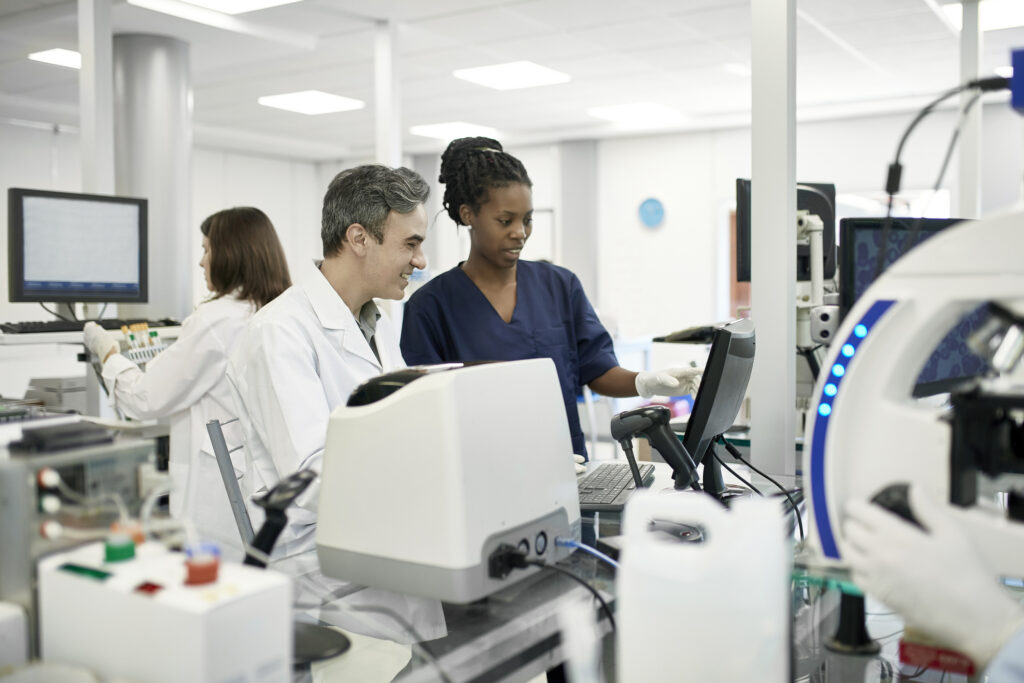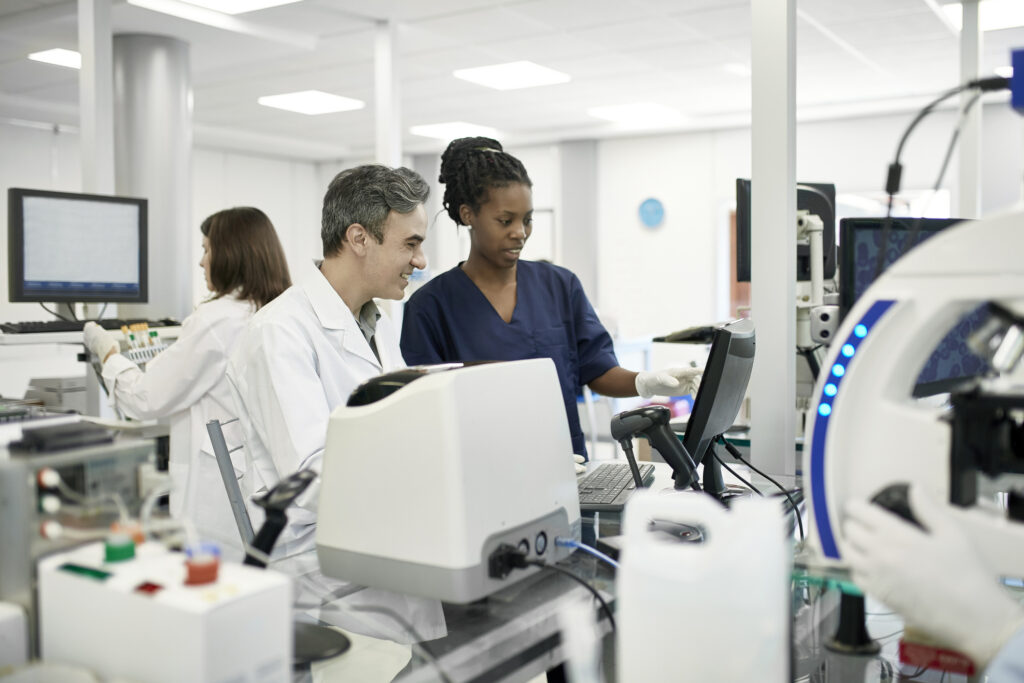
Multiple myeloma is often treated with combinations of therapies, including targeted drugs, chemotherapy, stem cell transplant, and immunotherapy. Treating multiple myeloma will look different based on the individual because the disease can return or become resistant, which is why researchers are constantly looking for better approaches.
Clinical trials serve as a foundation for advancing more effective therapies and treatment options. With a multiple myeloma diagnosis, participating in a clinical trial may open the door to treatment options that aren’t yet widely available.
What is a clinical trial?
Clinical trials are research studies that test new drugs, combinations, or procedures. They move through several phases, each with a specific goal. Early phase trials (Phase I) focus on testing the safety and dosage of a treatment. Phase II studies explore how well the treatment works for a particular cancer. By Phase III, the treatment is compared against the current standard of care to confirm its effectiveness and safety in larger groups of patients. Some treatments may continue into Phase IV, which gathers more information after a therapy has been approved and is in widespread use.
Together, these steps ensure that new therapies are studied thoroughly before becoming part of routine cancer care.
Are clinical trials safe?
Clinical trials follow strict regulations to protect participants. Oversight from ethics committees, the FDA, and research teams ensures safety is the top priority. Patients are monitored closely with labs, imaging, and office visits to check response and manage side effects. Many of today’s therapies for multiple myeloma, like CAR T-cell therapy, became approved only after being rigorously tested in trials.
How can I find a clinical trial?
Ask your oncologist whether there are trials available for your situation, whether you’re newly diagnosed, in remission, or experiencing relapse. The national registry ClinicalTrials.gov is a useful place to search, and many cancer centers have patient navigators who can help identify options. They can also guide you through the logistics, like whether the trial requires frequent hospital visits, how far you may need to travel, and what additional support is available.
How can I benefit from a clinical trial?
Joining a trial may give you access to breakthrough therapies before they become widely available. Trials often involve close medical follow-up, which can give you extra peace of mind and additional care. While outcomes can’t be guaranteed, your participation not only supports your own care but also contributes to discoveries that may improve survival and quality of life for future multiple myeloma patients.
Questions to ask your doctor
Here are some questions you can bring to your next appointment:
- Are there clinical trials available for my stage and treatment history of multiple myeloma?
- How does the trial treatment compare with the standard therapies I’m currently eligible for?
- What kinds of tests, visits, or travel will be required?
- What support is available for expenses related to the trial, such as transportation or lodging?
- What happens if I develop treatment resistance?
Choosing whether or not to join a clinical trial is a personal decision. Even if you decide against it, learning about available options ensures you have the fullest picture when planning your care.
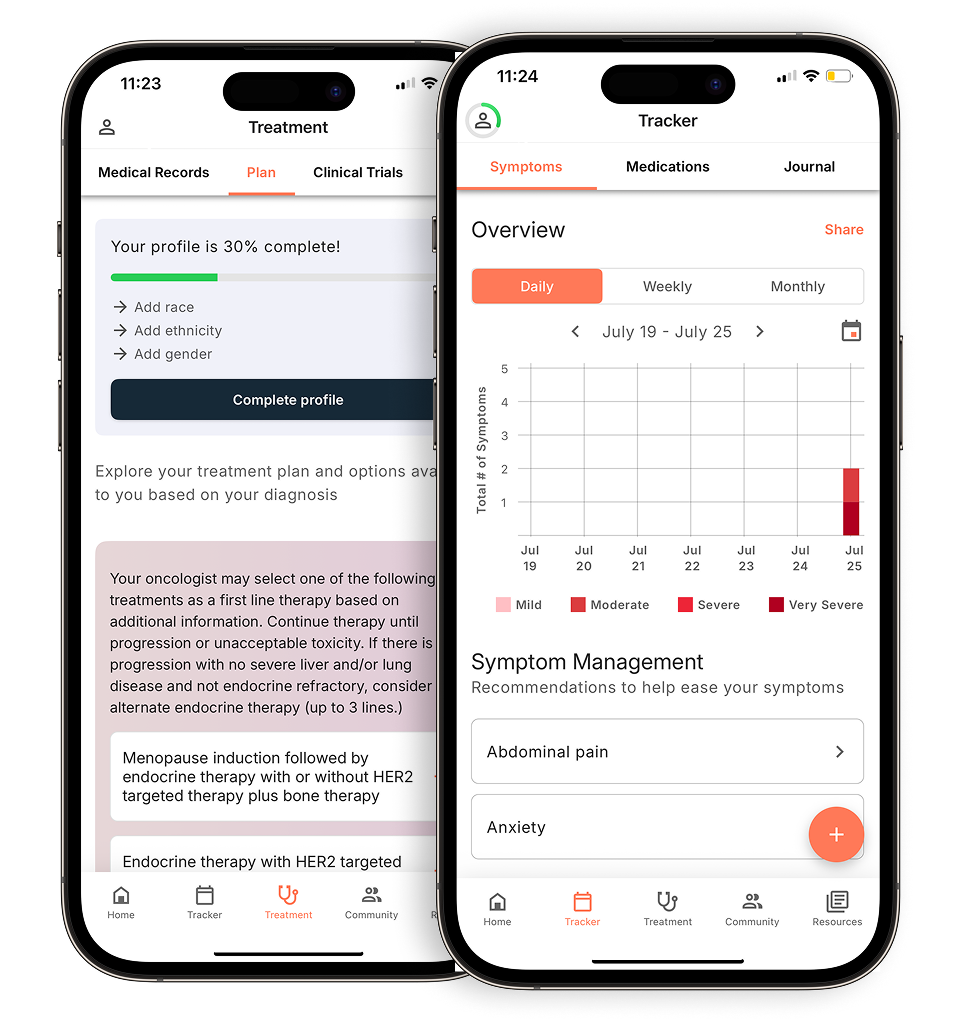
As always, if you would like to connect with an Outcomes4Me oncology nurse practitioner at no charge through the Outcomes4Me app, just use the “Ask Outcomes4Me” button.
Personalized support for real care decisions
Understand your diagnosis, explore clinical trials, and track symptoms--all in one place.
Get started
Compare treatments, prepare for appointments, and track side effects—all in the app
Built for your diagnosis, Outcomes4Me gives you the tools to make confident, informed decisions—right when you need them.
Continue in app