Funding for the Lung Health Hub is provided by AstraZeneca. All content is developed independently by Outcomes4Me; AstraZeneca has no influence on the content of the site.
If your doctor has recommended regular follow-up scans to keep an eye on a suspicious lung nodule, you may find yourself living with a lot of uncertainty. Not knowing whether the nodule will change can feel heavy at times.
You might experience a sense of worry that lingers between scans or notice that anxiety builds as each appointment approaches. If this sounds familiar, know that these feelings are completely normal and you don’t have to face them alone. Whether it’s waiting for biomarker results, imaging results, or follow-up appointments with your care team, know that there are effective ways to cope with the emotions you’re feeling.
Is watchful waiting a safe approach?
When your doctor recommends simply monitoring a lung nodule instead of treating it right away, you may wonder, “What if my nodule grows between scans? What if I’m diagnosed too late?” These concerns are valid, but know that your doctor takes into consideration several factors when determining the frequency of your appointments, including your risk factors, nodule characteristics, and overall health. This strategy allows your care team to keep a close eye on any changes while avoiding unnecessary procedures or treatments.
Evidence-based guidance powered by NCCN Guidelines®
Personalized treatment plans shaped by the latest oncology standards—tailored to your diagnosis.
Get started
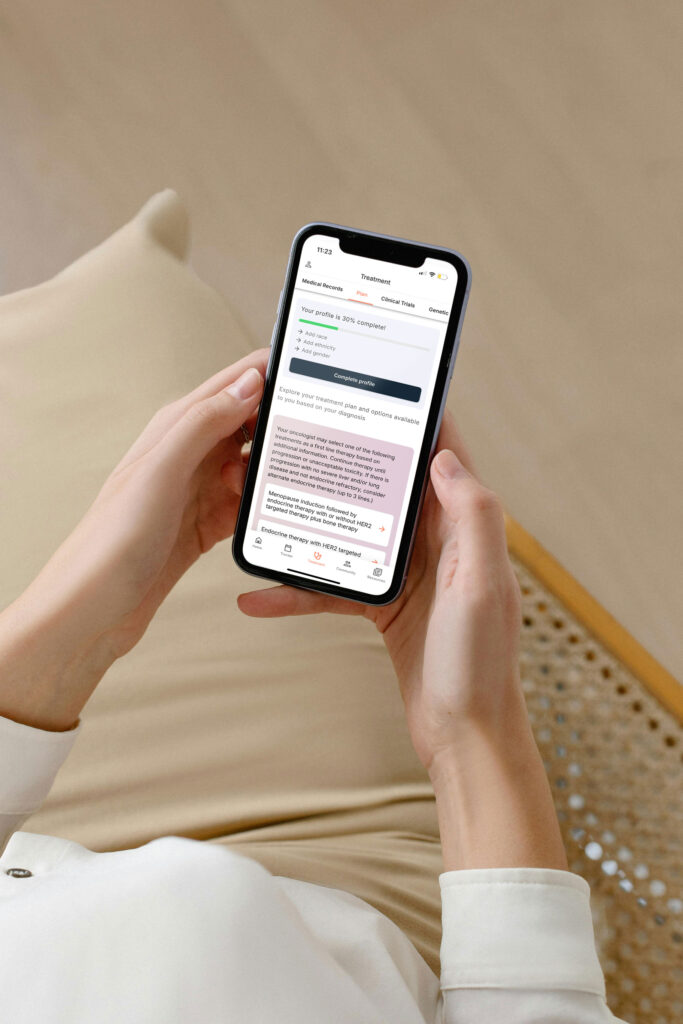
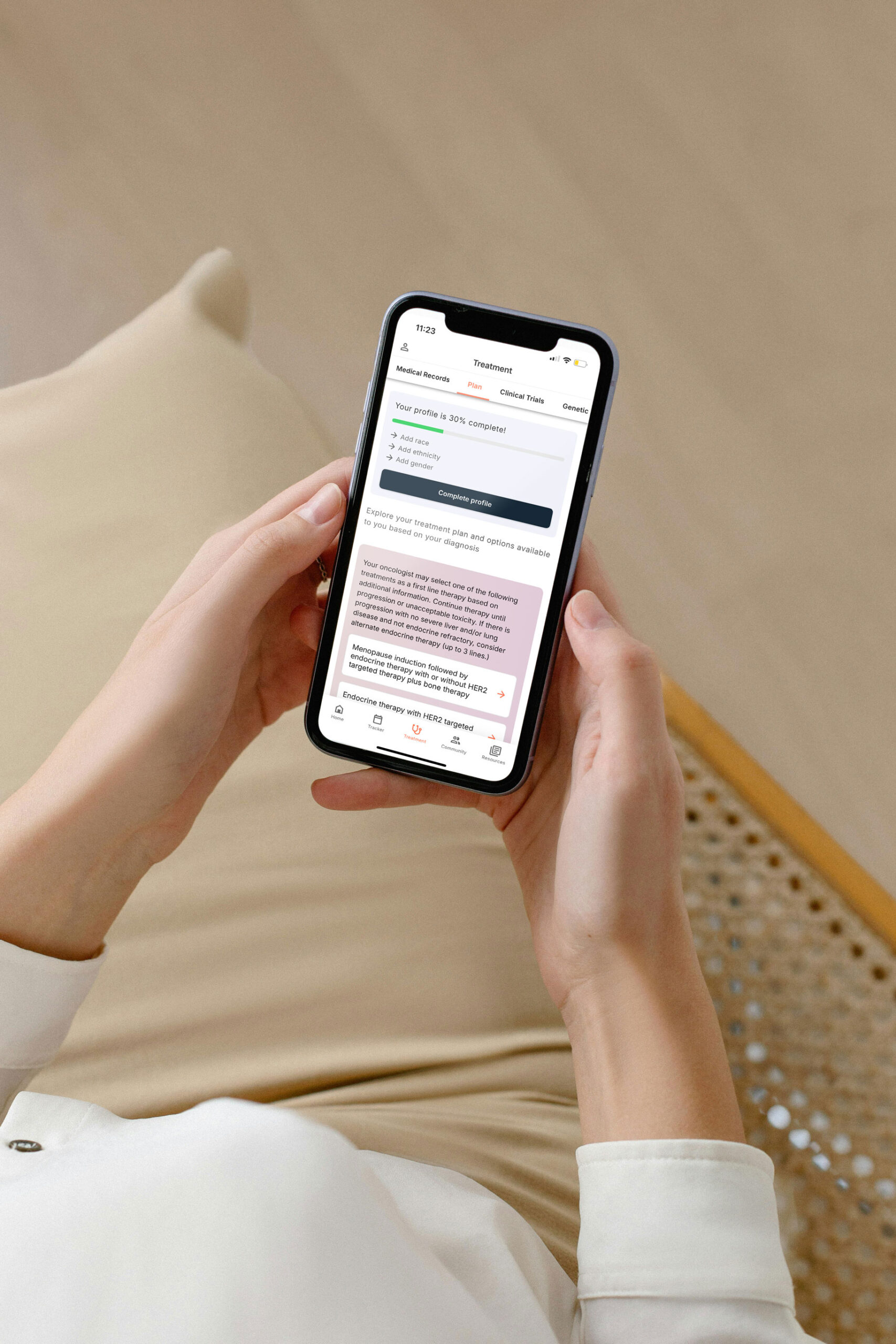
View your personalized treatment plan in the Outcomes4Me app
Use your diagnosis to unlock personalized NCCN Guidelines®-aligned recommendations.
Continue in app
Even with some early non-small cell lung cancer (NSCLC) diagnoses, the best approach is sometimes watchful waiting. Massachusetts General Hospital’s Dr. Catherine Meador explains, “For NSCLC, if it’s super early stage, often our recommendation is another CT scan in six months. In that case, it’s not as urgent. It’s important for somebody to take a look at the data, take a look at the scans, and say, ‘Is this urgent or not?’” She says, “Some of the lung cancers in the NSCLC categories grow over years, not weeks or months.”
If the scans show any changes, additional tests can provide more insights. If you ever feel uneasy, you can always seek a second opinion for extra reassurance.
What is “scanxiety”?
“Scanxiety” describes the heightened anxiety patients with cancer feel around medical imaging, either before, during, or after scans. Although the term commonly refers to those navigating a diagnosis or survivorship, it also applies to people in a “watchful waiting” phase who face repeated follow-up scans while living with uncertainty about their lung nodules.
With scanxiety, you may experience:
- Dread or worry building before the scan
- Feeling consumed by thoughts of potential results
- Lingering unease while waiting for outcomes
- Loss of appetite
- Restlessness or sleep troubles
These feelings can also surface while waiting for other important results, such as biomarker testing, which can bring uncertainty and anticipation.
How to cope with anxiety
Don’t hesitate to share what you’re feeling with your doctor and imaging team. They’re likely familiar with scanxiety and can provide ways to make you more comfortable during the scans. If you feel most anxious after the scans while you’re waiting for results, there are tools and interventions that can help you feel more grounded.
Mindfulness and relaxation
Mindfulness can be a powerful tool for managing stress and anxiety. Integrative oncologist and hematologist Dr. Krisstina Gowin says, “When we’re stressed, we’re pumping out all of these interesting hormones and chemicals like cortisol, epinephrine, and norepinephrine. Mindfulness has been shown to change that landscape.” She explains that mindfulness is a type of meditation, breathing technique, or mind-body practice that focuses on non-judgmental awareness. Techniques including yoga, Tai Chi, and progressive muscle relaxation, can all be incorporated into mindfulness practices.
Creative expression
Art, writing, music, or any form of creative expression can help you navigate your emotions and redirect your focus onto something else. This can be a great opportunity to try something new while supporting your emotional well-being.
Stay active
Physical movement has also been shown to lower stress and anxiety. Whether it be walking, stretching, or dancing, moving your body can help ease muscle tension and release feel-good neurochemicals that can boost your mood. Be sure to consult your doctor before starting any new exercise program.
Seek support
Leaning on others during this time can serve as a great reminder that you’re not alone. Your family, friends, and loved ones are here to support you and sharing what you’re feeling can provide a sense of release. You can also find professional guidance through a licensed therapist, either in-person or online.
Many health insurances provide some coverage for mental health support. Check your plan to see your specific coverage.
Personalized support for real care decisions
Understand your diagnosis, explore clinical trials, and track symptoms--all in one place.
Get started
Compare treatments, prepare for appointments, and track side effects—all in the app
Built for your diagnosis, Outcomes4Me gives you the tools to make confident, informed decisions—right when you need them.
Continue in app