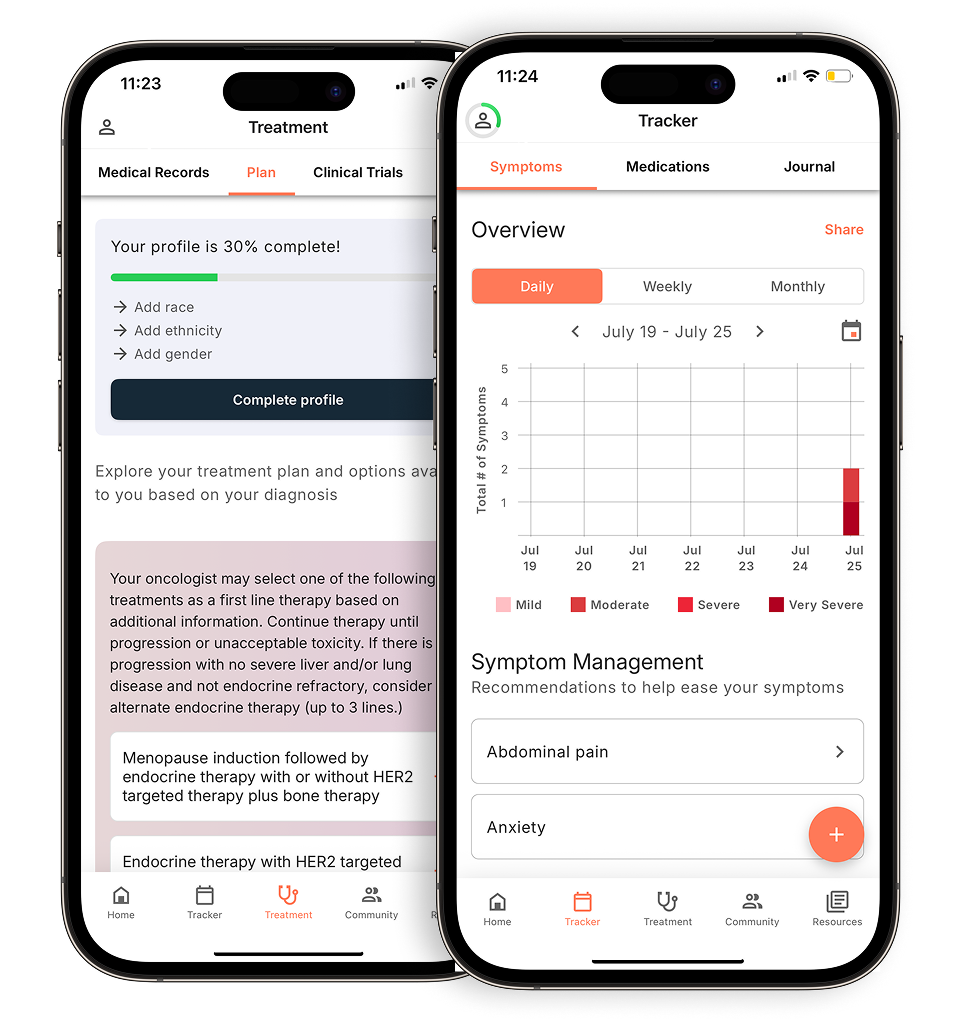
Treatment for ovarian cancer often includes surgery, chemotherapy, targeted therapy, or a combination of these approaches, depending on your specific stage and type of cancer. After an ovarian cancer diagnosis, be sure to ask your care team about clinical trials. Clinical trials can provide you with additional treatment options, offering new possibilities that aren’t widely available yet.
Clinical trials can be confusing to navigate, so we’re providing an overview of what they are and how you can benefit from one after an ovarian cancer diagnosis.
What is a clinical trial?
A clinical trial is a carefully designed research study that tests new therapies or enhances existing ones. These studies are conducted in phases. Early phases may focus on safety and dosage, while later phases compare how well the new treatment works against standard care. Every phase plays a role in bringing better therapies to patients. Many of today’s ovarian cancer treatments, including targeted therapies like PARP inhibitors, were first proven effective through clinical trials.
Joining a clinical trial may provide earlier access to cutting-edge treatments while contributing to advancements that could benefit others in the future.
Are clinical trials safe?
It’s natural to have concerns about safety. Clinical trials are regulated by strict guidelines and overseen by ethics boards, the FDA, and research teams to protect participants. Patients are closely monitored throughout the process, with regular check-ins, labs, or imaging to track progress and quickly address side effects. Before joining a clinical trial, you’ll be given clear details on the study, and you can withdraw at any time.
How can I find a clinical trial?
If you’re interested, start by asking your oncologist whether trials are available that match your cancer type and stage. You can also search ClinicalTrials.gov, a public database that lists trials worldwide. Cancer centers often have research coordinators who can explain eligibility, walk you through logistics like transportation, and connect you with support services such as financial assistance or lodging if travel is required.
How can I benefit from a clinical trial?
Participating in a trial may mean access to promising therapies not yet widely available. It can also provide more frequent follow-up, since trial patients are usually monitored closely. While outcomes aren’t guaranteed, being part of a clinical trial allows you to play an active role in your treatment journey and contribute to discoveries that shape the future of ovarian cancer care.
Questions to ask your doctor
To help guide your discussion, here are some questions you might bring up with your doctor:
- Are there clinical trials available for my type and stage of ovarian cancer?
- How does the trial treatment differ from my current options?
- What will the schedule look like? Will I need to travel frequently for monitoring or treatment?
- What resources are available to help with my additional expenses?
Joining a trial is always a personal decision. Even if you choose not to participate, learning about them ensures you’re making the most informed treatment plan possible.
As always, if you would like to connect with an Outcomes4Me oncology nurse practitioner at no charge through the Outcomes4Me app, just use the “Ask Outcomes4Me” button.
Personalized support for real care decisions
Understand your diagnosis, explore clinical trials, and track symptoms--all in one place.
Get started
Compare treatments, prepare for appointments, and track side effects—all in the app
Built for your diagnosis, Outcomes4Me gives you the tools to make confident, informed decisions—right when you need them.
Continue in app