
When you read different breast cancer stories pain is often a confusing and unpredictable topic. Some people feel it, others don’t, which can make it hard to know what your own symptoms mean. It’s a common myth that breast cancer always hurts. In fact, many are diagnosed from a painless lump or a routine mammogram. Pain can also be a side effect of treatment. Getting the right information is key to effective breast cancer pain management. This guide will help you understand what you’re feeling and talk to your care team about finding real breast cancer pain relief.
View your personalized treatment plan in the Outcomes4Me app
Use your diagnosis to unlock personalized NCCN Guidelines®-aligned recommendations.
Key Takeaways
- Look beyond pain for other symptoms: Pain isn’t always the first or most common sign of breast cancer. Pay close attention to other physical changes like new lumps, skin dimpling, or swelling, as these are often more reliable early indicators.
- Combine strategies for effective relief: The best pain management plan often involves a mix of approaches. Talk to your doctor about using a combination of medication, gentle physical therapy, and mind-body practices to find what works best for you.
- Advocate for your own comfort: You are the expert on what you’re feeling. Keep a simple log of your symptoms and communicate openly with your care team to ensure your pain is taken seriously and your treatment plan is adjusted when needed.
What does breast cancer pain feel like?
When you think about breast cancer symptoms, pain might be one of the first things that comes to mind. While it can be a sign, it’s often not the most common one, and many people diagnosed with breast cancer never experience pain as an early symptom. Understanding the full picture of potential signs can help you know what to look for and when to talk to your doctor. Pain related to breast cancer can stem from the tumor itself, but it can also be a side effect of treatments like surgery, radiation, or chemotherapy. The good news is that there are many ways to manage breast cancer pain, from medication to physical therapy. The key is to pay attention to your body and communicate openly with your care team about what you’re feeling.
How to recognize pain and other warning signs
If pain is a symptom of breast cancer, it often feels different from the temporary soreness you might get from your menstrual cycle or a pulled muscle. It’s typically a sharp or persistent pain that doesn’t go away and is located in a specific spot. You might also feel tenderness or an ache that is new and unrelated to any injury. It’s important to remember that pain can also be a side effect of treatment. For example, you might experience nerve pain after surgery or radiation. Working with your healthcare team to identify the source of the pain is the first step toward finding relief through strategies like medicine, nerve blocks, or physical therapy.
Looking beyond pain: other symptoms to know
More often than not, breast pain by itself is not a sign of cancer. It’s frequently a benign symptom tied to hormonal shifts. Instead, doctors point to other physical changes as more reliable warning signs. Some of the most common findings include a new lump or mass in the breast or underarm, which is often painless. You should also watch for swelling in all or part of a breast, skin irritation or dimpling, and any redness or flaky skin in the nipple area. Changes in the size or shape of the breast or nipple, including a nipple that turns inward, are also important signs to discuss with a provider.
Changes in the nipple or areola
It’s a good idea to pay attention to the appearance of your nipples and the surrounding skin, known as the areola. Any new or unusual changes in this area are worth noting and discussing with your doctor. This could include redness, scaliness, or a feeling of thickness that wasn’t there before. According to MD Anderson Cancer Center, another key sign to watch for is “a nipple that suddenly shifts to one side or turns inward (inverts).” While some people naturally have inverted nipples, a sudden change in one nipple is something that should be evaluated by a healthcare professional.
Unusual skin texture
The skin on your breast can also provide important clues about your health. One of the most talked-about signs is skin dimpling, where the skin on your breast might look pitted, similar to the texture of an orange peel. This happens when a tumor deep inside the breast pulls the skin inward. Beyond dimpling, other textural changes can also be a warning sign. As noted by Medical News Today, “The skin on your breast or around the nipple might become scaly, dry, or thick. It might also itch.” These symptoms can sometimes be mistaken for a simple rash or skin condition, so if they persist, it’s best to get them checked out.
Swelling in the armpit or collarbone
Sometimes, the first sign of breast cancer isn’t in the breast itself but in the surrounding areas. You might notice swelling or feel a firm lump in your armpit or around your collarbone. These areas contain lymph nodes, which are small glands that are part of your immune system. When breast cancer begins to spread, it often travels to these nearby lymph nodes first. This can cause them to swell even before a lump in the breast is large enough to be felt. If you notice any new or persistent swelling in these areas, it’s an important symptom to bring to your doctor’s attention.
Systemic symptoms to be aware of
While many early breast cancer symptoms are localized to the breast and surrounding tissue, it’s helpful to be aware of your body as a whole. For some people, the first sign is a lump that is already quite large or causes a noticeable amount of pain or discomfort. Although less common, other general symptoms like unexplained fatigue, sudden weight loss, or persistent aches can sometimes be associated with cancer that has spread. The most important thing is to trust your instincts. If you feel that something is off with your body, even if you can’t pinpoint a specific lump, it’s always a good idea to schedule a conversation with your provider.
A note on breast cancer in men
It’s a common misconception that breast cancer only affects women. While it is much more common in women, men can and do get breast cancer, and it’s crucial for them to be aware of the signs, too. The symptoms in men are very similar to those in women. They include a painless lump or thickening in the breast tissue, changes to the skin covering the breast like dimpling or puckering, and changes in the nipple, such as redness or turning inward. Because awareness is lower, men are often diagnosed at a later stage, making it even more important to know what to look for and to seek medical advice for any changes.
When breast symptoms aren’t cancer
Discovering a new lump or feeling an unusual pain in your breast can be unsettling, but it’s helpful to know that most breast changes are not cancer. Many common, benign breast conditions can cause symptoms like pain, swelling, or tenderness. While it’s always best to have any new or persistent changes checked out by a doctor, understanding these possibilities can provide some peace of mind. From hormonal fluctuations to simple infections, there are many reasons why you might notice a change in your breast tissue. Getting familiar with these conditions can help you feel more informed and prepared when you speak with your healthcare provider about your concerns.
Fibrocystic changes and simple cysts
If your breasts feel lumpy, tender, or swollen, especially around your period, you might be experiencing fibrocystic changes. This is an extremely common and harmless condition where breast tissue becomes more fibrous and may develop fluid-filled sacs called cysts. While the discomfort can be frustrating, these changes are benign and not linked to cancer. Many people find that the symptoms come and go with their monthly cycle. If you notice any of these changes, a doctor can confirm the cause. According to Columbia Surgery, many non-cancerous breast conditions share symptoms with breast cancer, so it’s always important to get a professional opinion.
Fibroadenomas
A fibroadenoma is a solid, non-cancerous breast tumor that feels firm, smooth, and round, a bit like a marble under the skin. These are most common in younger women, often in their 20s and 30s. Fibroadenomas are made of fibrous and glandular tissue and are completely harmless. They are typically small and may even shrink or disappear on their own over time, so they often don’t require any treatment. If you find a lump that feels like this, your doctor can perform an exam or imaging tests to confirm that it’s a fibroadenoma and not something more serious. This can help you avoid unnecessary worry about a very common benign finding.
Mastitis and other infections
If you experience sudden breast pain, swelling, redness, and warmth, you could have mastitis, which is a breast infection. This condition is most common in women who are breastfeeding, but it can occur at other times as well. Mastitis happens when bacteria enter the breast tissue, leading to inflammation and infection that can sometimes be accompanied by a fever or flu-like symptoms. The good news is that it’s easily treatable. A course of antibiotics prescribed by your doctor is usually all that’s needed to clear up the infection and relieve the discomfort, allowing you to get back to feeling like yourself quickly.
Conditions that may increase future risk
Some benign breast conditions, while not cancerous themselves, can indicate a slightly higher risk of developing breast cancer later on. One example is Lobular Carcinoma in Situ (LCIS), where cells that look like cancer cells grow inside the milk glands but don’t spread into the surrounding breast tissue. LCIS doesn’t typically cause any symptoms and is often discovered by chance during a biopsy for another breast issue. While it isn’t cancer, having LCIS is considered a risk factor. Knowing you have this condition allows you and your doctor to create a more personalized screening plan to monitor your breast health closely over time.
What do changes in your pain mean?
If you are living with breast cancer, your relationship with pain might change over time. It’s essential to keep track of how you feel and notice any shifts. If you experience a sudden change in pain, or if new symptoms appear, it’s important to consult your healthcare provider. These changes could indicate that the cancer is progressing or that a complication has developed. Your pain management plan isn’t set in stone; it can and should be adjusted as your needs evolve. Your doctor might suggest different medications or introduce other techniques, such as radiotherapy or nerve blocks, to provide more effective relief and improve your quality of life.
Why is every breast cancer pain story unique?
If you’ve ever wondered why your friend’s experience with breast cancer pain sounds so different from your own, you’re not alone. Pain is deeply personal, and there’s no one-size-fits-all description for how it feels. Your journey is unique, shaped by a combination of physical, medical, and emotional factors that are specific to you.
The type of cancer you have, its stage, the treatments you’re undergoing, and even your own personal pain thresholds all play a significant role in what you experience. Understanding these influences can help you and your care team find the most effective ways to manage your symptoms and improve your quality of life. It’s all about finding what works for your body and your circumstances.
What factors can influence your pain levels?
Several key factors determine the kind and intensity of pain you might feel. The specifics of your diagnosis—whether it’s the type of breast cancer or its stage—are a major influence. Beyond that, the treatments themselves, like surgery, chemotherapy, or radiation, can cause their own distinct types of discomfort. Because of this, there are many ways to manage breast cancer pain, and most people use a combination of strategies. This could include medications, physical therapy, or even nerve blocks for more targeted relief. Research also shows that combined training involving aerobic and resistance exercises can help reduce pain intensity and improve overall well-being.
It’s not just physical: the emotional side of pain
Pain isn’t just a physical sensation; it has a powerful emotional component, too. After a diagnosis, it’s common to feel numb, tense, or overwhelmed. Many people share stories of feeling a deep sadness or profound worry for their families, and these feelings can make the physical experience of pain feel much more intense. When your mind is carrying a heavy emotional burden, your body often feels it, too. Acknowledging this connection is the first step toward addressing both the physical and emotional aspects of pain, allowing for more holistic and compassionate self-care.
How to find your personal coping strategies
Creating a pain management plan that feels right for you is essential. For some, relief might come from mild pain relievers like ibuprofen or acetaminophen. For others, a more comprehensive approach is needed. This could involve working with a physical therapist on gentle exercises or exploring specialized procedures like nerve blocks with your oncology team. Don’t underestimate the power of your environment, either. Having a strong support system and finding good cancer care close to home can make a huge difference by reducing the stress of frequent appointments. The goal is to build a toolkit of strategies that help you feel more in control.
Does pain change with different cancer types and stages?
Pain related to breast cancer isn’t a single experience—it’s a spectrum. How it feels, where it shows up, and when it appears can depend heavily on the specific type of cancer you have and its stage. For some, pain is an early warning sign, while for others, it develops later or is a side effect of treatment. Understanding these differences can help you make sense of what you’re feeling and have more informed conversations with your care team.
Understanding pain in early-stage breast cancer
In the early stages, you might not feel any pain at all. Many people are diagnosed through routine screenings like mammograms before noticing symptoms. For others, pain is an early clue, like a persistent tenderness or a sharp ache. Some also find a lump, feel unusually tired, or lose their appetite. These varied breast cancer stories show it’s important to report any new feelings to your doctor.
Pain symptoms in advanced-stage breast cancer
When breast cancer advances, or metastasizes, it can cause new pain in other parts of the body. If cancer spreads to the bones, you might feel a deep ache in your back, hips, or ribs. As one woman shared in Crystal’s Story, her journey began with hip pain she thought was a running injury. Pain in a new location that doesn’t go away should always be discussed with your oncologist.
What makes inflammatory breast cancer pain different?
Inflammatory breast cancer (IBC) is a rare type with sudden, distinct symptoms. Instead of a lump, a common sign is swelling in one breast, which may feel tender, warm, or painful. The skin can also look red or bruised and may thicken or appear pitted, like an orange peel. Learning about these survivors’ symptoms can help you recognize the unique signs of IBC, which are sometimes mistaken for an infection.
Rapid onset and unique symptoms
Unlike other types of breast cancer that can develop slowly, the symptoms of inflammatory breast cancer can appear very quickly. As survivors have shared, these changes can happen almost overnight or within just a few days or weeks. One breast might suddenly become red, feel warm, and look puffy or swollen. A common experience is the feeling that a bra that fit perfectly yesterday is suddenly too tight on one side. This rapid change is a key feature of IBC and a signal to seek medical attention right away to understand what’s happening.
The risk of misdiagnosis
Because IBC doesn’t typically form a distinct lump, it is often mistaken for something less serious. It’s frequently misdiagnosed as a breast infection like mastitis, a clogged milk duct, or even a simple skin irritation. Since breast pain on its own is often tied to benign causes like hormonal shifts, it can be easy to dismiss these symptoms at first. This is why it’s so important to trust your instincts. If you’re treated for an infection but your symptoms don’t improve, it’s crucial to follow up with your doctor and advocate for further evaluation to get the right diagnosis.
How to manage pain from treatment side effects
Sometimes, pain comes from the treatments themselves. Surgery can cause soreness, while chemotherapy can lead to nerve pain (neuropathy) in your hands and feet. The good news is that you don’t have to just live with it. There are many effective ways of managing pain, often using a combination of strategies. This can include medications, physical therapy, and specialized procedures like nerve blocks that provide significant relief.
Understanding side effects beyond pain
While pain is a significant concern, cancer treatment often brings a range of other side effects that can affect your daily life. You might experience overwhelming fatigue that rest doesn’t seem to fix, waves of nausea, or cognitive changes often called “chemo brain.” It’s important to remember these symptoms are just as valid as physical pain and deserve the same attention. Keeping a simple log of how you’re feeling can be incredibly helpful—just note when symptoms occur and how intense they are. Sharing this information with your care team gives them a full picture of your experience and is key to finding the right supportive care, whether that means adjusting medications, suggesting dietary changes, or connecting you with resources to help you feel more like yourself again.
What happens after you find a symptom?
Finding a new lump or noticing a change in your breast can be unsettling, but it’s important to remember there’s a clear and established process for getting answers. The first and most important step is to schedule an appointment with your healthcare provider. They will listen to your concerns and guide you through the next steps. While it’s natural to feel anxious, try to focus on the fact that you are taking control of your health by seeking information. Many breast changes are benign, meaning they aren’t cancerous, but getting a professional evaluation is the only way to know for sure. Your doctor is your partner in this process, and they are there to help you understand what’s happening and what to do next.
The diagnostic process
After you discuss your symptoms with a doctor, the diagnostic process usually begins with a physical exam, followed by imaging tests like a mammogram or an ultrasound. These tests help your doctor get a closer look at the breast tissue. If an area looks suspicious, the next step is often a biopsy, where a small sample of tissue is removed and examined under a microscope. This is the only definitive way to determine if cancer cells are present. The American Cancer Society notes that while the most common symptom is a new lump, many lumps are benign. The goal of this process is simply to gather information so you and your doctor can make informed decisions.
Understanding your diagnosis and options
If a diagnosis is confirmed, the next step is to understand the specifics. Your care team will determine the type of breast cancer you have and its stage, which describes how much cancer is in the body. This information is essential because it helps create a personalized treatment plan tailored to your unique situation. Your plan might include a combination of treatments, such as surgery, radiation, chemotherapy, or targeted therapies. This is where having clear, reliable information becomes so important. Once you have your diagnosis, the Outcomes4Me app can help you understand your personalized treatment options based on NCCN Guidelines®, giving you a clear path forward.
The role of genetic testing
For some people, especially those with a family history of breast cancer, genetic testing can be an important part of understanding the diagnosis. These genetic tests can identify mutations in genes like BRCA1 and BRCA2, which can increase the risk of developing breast and other cancers. Knowing your genetic status can influence your treatment plan and provide valuable information for your family members about their own potential risk. The Outcomes4Me app can also help you learn if genetic testing might be an option for you based on your personal and family history, making it easier to have that conversation with your doctor.
How can I find breast cancer pain relief during treatment?
Finding what works to manage your pain is a crucial part of your treatment plan, and it’s just as important as the treatments targeting the cancer itself. The good news is you have so many options, and you don’t have to rely on just one. Many people find that the most effective breast cancer pain relief comes from a combination of strategies tailored specifically to their needs, symptoms, and lifestyle.
Your experience with pain is unique, so your approach to managing it should be, too. This might involve a mix of medications, physical therapies that get you moving gently, and mind-body techniques that help you cope with the emotional side of pain. The goal is to build a toolkit of strategies that help you feel more comfortable and in control. Always keep an open line of communication with your care team; they are your best resource for creating a pain management plan that works for you and can be adjusted as your needs change throughout your treatment journey.
Medical treatments that can help with pain
When you’re dealing with pain, medication is often one of the first and most effective tools. For milder pain, your doctor might suggest over-the-counter pain relievers like ibuprofen (Advil) or acetaminophen (Tylenol). It’s important to follow the dosage instructions and let your care team know what you’re taking.
For more persistent or severe pain, your doctor may prescribe stronger medications. There are many different types, and finding the right one might take some trial and error. Don’t be discouraged if the first one isn’t a perfect fit. Openly discussing how you feel with your doctor will help them find the best pain management medication and dosage for your specific situation, ensuring you get the relief you need.
How physical therapy and gentle movement can help
It might seem counterintuitive, but sometimes the best thing for pain is gentle movement. Staying active can prevent stiffness, improve your range of motion, and even release your body’s natural pain-fighting chemicals. Research shows that for breast cancer patients, a combination of aerobic and resistance exercises can successfully reduce pain intensity and improve overall physical function.
This doesn’t mean you need to run a marathon. Simple activities like walking, stretching, or gentle yoga can make a huge difference. A physical therapist who specializes in oncology can create a safe and effective exercise plan just for you. Before starting any new routine, make sure to talk it over with your doctor to ensure it’s appropriate for your stage of treatment.
Mind-body therapies that may offer comfort
Your mind is a powerful tool in managing pain. Mind-body therapies focus on the connection between your emotional and physical well-being, and they can be a wonderful addition to your pain management plan. Techniques like mindfulness, meditation, and yoga can help reduce the perception of pain and improve your overall mood. These practices teach you to observe your pain without judgment, which can lessen its control over you.
Other complementary therapies like acupuncture and massage may also provide relief for some people. The key is to find what makes you feel better. Always talk with your oncologist before trying a new therapy to make sure it’s safe to incorporate into your treatment plan.
When to consider nerve blocks and other procedures
For certain types of sharp, shooting, or burning pain—often called nerve pain or neuropathy—your doctor might suggest more specialized treatments. Nerve blocks, for example, are injections that can interrupt pain signals before they reach your brain, providing temporary but significant relief to a specific area.
Another simple yet effective option can be a lidocaine patch, which you can place directly over a painful area to numb it. According to the Susan G. Komen Foundation, up to three patches can be used for 12 to 24 hours a day to ease nerve pain. These procedures are typically for specific situations and are administered by a pain specialist, so ask your care team if you might be a good candidate.
How to advocate for your breast cancer pain management
Feeling heard and getting the right care for your pain is a critical part of your treatment journey. You are the leading expert on your own body, and learning how to communicate your needs effectively can make a significant difference in your quality of life. Advocating for yourself means being an active partner in your care, asking questions, and ensuring your pain is taken seriously. It’s about working with your team to find a pain management approach that fits your life, both during and after treatment.
How to talk to your care team about your pain
Open and honest communication with your healthcare team is the first step toward better pain management. Don’t ever feel like you’re complaining or that your pain isn’t important enough to mention. Your doctors and nurses need to know exactly what you’re feeling to help you. Many people use a combination of strategies to manage breast cancer pain, including medicine, nerve blocks, and physical therapy. Be specific about where your pain is, what it feels like (sharp, dull, burning), and how it impacts your daily activities. This information helps your team find the most effective relief for you.
Why tracking your symptoms leads to better care
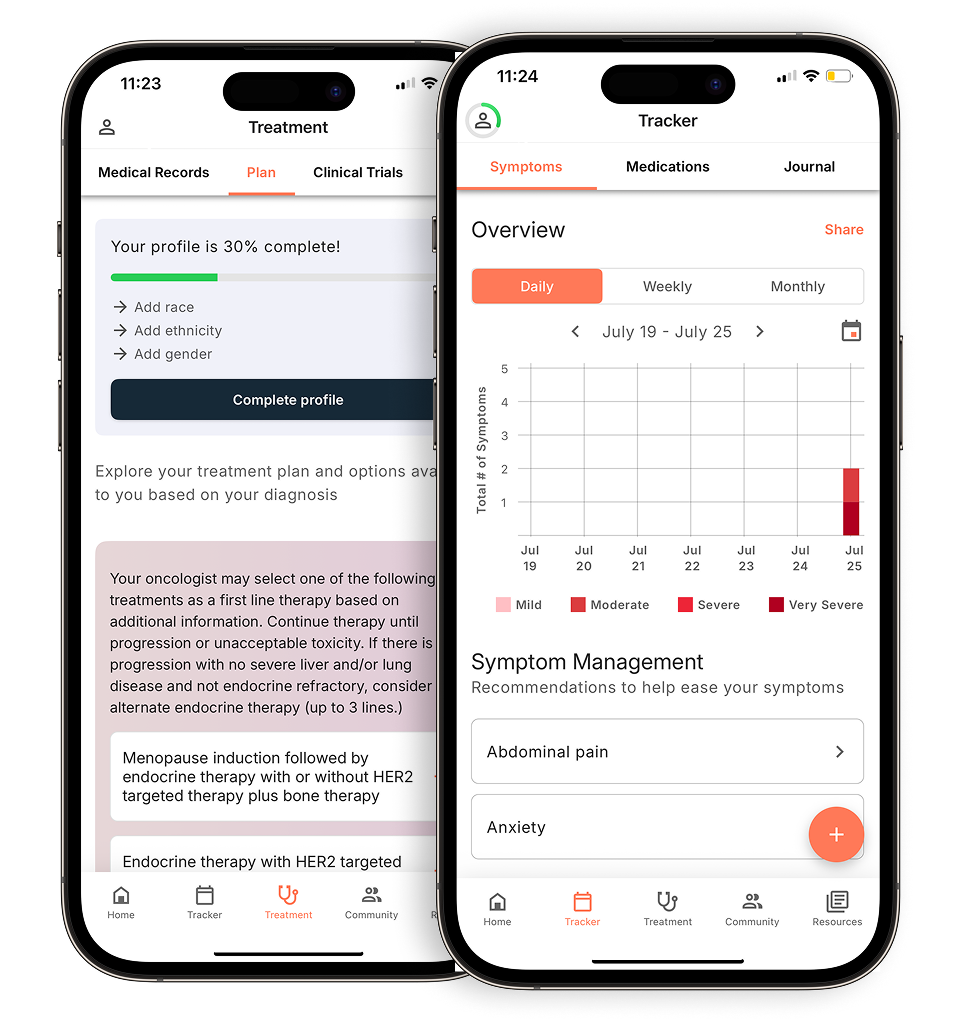
Keeping a simple log of your pain can be an incredibly powerful tool. When you can show your doctor a record of your symptoms over time, it gives them a clearer picture than a single conversation can. Note the time of day your pain is worse, what you were doing when it started, and what, if anything, made it feel better. Keeping a detailed record of your pain symptoms can help your healthcare providers tailor your treatment plan more effectively. You can use a notebook or a health-tracking app to jot down these details. This data helps your team identify patterns and adjust your care with precision.
Building your support system for the road ahead
You don’t have to manage pain all on your own. Leaning on others is a sign of strength. Your support system can include your medical team, but it also extends to therapists, social workers, friends, family, and other people living with breast cancer. Building a strong support system is crucial for getting through the physical and emotional challenges of your diagnosis. These are the people who can offer a listening ear, provide practical help on tough days, and remind you that you’re not alone. Don’t hesitate to ask for help or seek out support groups—connecting with others who understand can be incredibly validating.
Creating your long-term pain management plan
Pain can sometimes continue after treatment ends, becoming a part of life in survivorship. It’s important to work with your care team to create a sustainable, long-term plan for managing any lingering pain. This might involve physical therapy to regain strength, medications for nerve pain, or complementary therapies like acupuncture or massage. For example, a simple lidocaine patch can often ease localized nerve pain. Having a plan for long-term pain management empowers you to live more comfortably and fully. This plan should be flexible and reviewed regularly with your doctor to ensure it continues to meet your needs as you heal and recover.
What long-term monitoring looks like
Long-term monitoring is all about staying connected with your care team and paying close attention to your body after active treatment ends. It involves regular check-ins where you can discuss any new or changing pain, which is crucial because your needs can evolve over time. Keeping a simple log of your symptoms, whether in a notebook or a health-tracking app like Outcomes4Me, can make these conversations much more productive. When you can point to specific changes over weeks or months, it helps your doctor see the full picture and make necessary adjustments to your plan. This ongoing partnership ensures that your pain management strategy continues to work for you, helping you maintain your quality of life in survivorship.
Related Articles
- How to Manage Pain from Breast Cancer | Outcomes4Me Community
- Why Does Breast Cancer Cause Pain? | Outcomes4Me Community
- Is Chest Pain Normal During Breast Cancer Treatment? | Outcomes4Me Community
- Severe Breast Pain: Seeking Relief and Treatment Options | Outcomes4Me Community
- Is Breast Pain During Treatment a Sign of No Response? | Outcomes4Me Community
View your personalized treatment plan in the Outcomes4Me app
Use your diagnosis to unlock personalized NCCN Guidelines®-aligned recommendations.
Frequently Asked Questions
I have breast pain. Does this mean I have cancer? While it’s easy to jump to that conclusion, breast pain on its own is rarely the first sign of cancer. More often, it’s related to hormonal cycles, a benign cyst, or even a pulled muscle. The more common warning signs for breast cancer are things like a new, often painless lump, swelling in the breast or underarm, or changes to the skin or nipple. That said, you should always discuss any new or persistent pain with your doctor to get a clear answer and peace of mind.
How can I tell if my pain is from the cancer itself or from my treatment? This can be tricky to figure out on your own, which is why talking to your care team is so important. Pain from a tumor might feel like a constant, localized ache, while treatment-related pain can show up differently. For example, you might feel soreness and tenderness near a surgical site, or a tingling, burning nerve pain in your hands and feet from chemotherapy. Describing the specific sensation and location of your pain will help your doctor identify the source and find the right way to manage it.
What are some pain management options that don’t involve strong medications? You have many options beyond medication. Gentle movement through physical therapy, walking, or stretching can be incredibly effective at reducing stiffness and pain intensity. Mind-body practices like meditation and yoga can also help you cope with the emotional weight of pain, which often makes the physical sensation feel less overwhelming. Some people also find relief from complementary therapies like acupuncture or massage, but be sure to clear any new approach with your oncologist first.
My pain has suddenly gotten worse or moved to a new spot. What should I do? Any significant change in your pain—whether it’s a new location, a different sensation, or a sudden increase in intensity—is something you should report to your healthcare team right away. This could be a sign that your treatment plan needs adjusting or that something else is going on. Don’t wait for your next scheduled appointment. A quick call to your doctor’s office can help you get the care you need and address the issue promptly.
What’s the best way to talk to my doctor about my pain so they’ll listen? Being specific is your best strategy. Instead of just saying “I’m in pain,” try to describe what it feels like (sharp, dull, burning), where it is, and how it affects your daily life. Keeping a simple log for a few days can be a powerful tool. Note when the pain occurs, how long it lasts, and what you were doing. This gives your doctor concrete information to work with and helps them see the full impact the pain is having on you, making it easier to create an effective management plan together.