Fatigue is one of the most common side effects of cancer and its treatment. Cancer-related fatigue is different from simply feeling tired after a busy day. It can affect your energy, concentration, emotions, and ability to do everyday activities, and rest doesn’t always make it go away.
For people being treated for diffuse large B-cell lymphoma (DLBCL), fatigue can be especially challenging. DLBCL is an aggressive form of non-Hodgkin lymphoma that often requires intensive treatment, including chemotherapy. While treatment can be highly effective, managing side effects remains an important part of care.
A study of people with DLBCL receiving chemotherapy explored the factors associated with cancer-related fatigue. The findings suggest that fatigue may be connected not only to the cancer and treatment itself, but also to emotional health, confidence in managing cancer, and other aspects of the treatment experience.
Cancer-related fatigue can affect more than your physical energy
The study included 62 people with DLBCL who were receiving chemotherapy. Researchers measured cancer-related fatigue along with anxiety, depression, sleep quality, mindfulness, and other factors.
Overall, participants reported a moderate level of cancer-related fatigue, with an average score of 5.74 out of the scale used in the study.
Importantly, fatigue wasn’t limited to physical exhaustion.
The researchers looked at several dimensions of fatigue, including:
Evidence-based guidance powered by NCCN Guidelines®
Personalized treatment plans shaped by the latest oncology standards—tailored to your diagnosis.
Get started
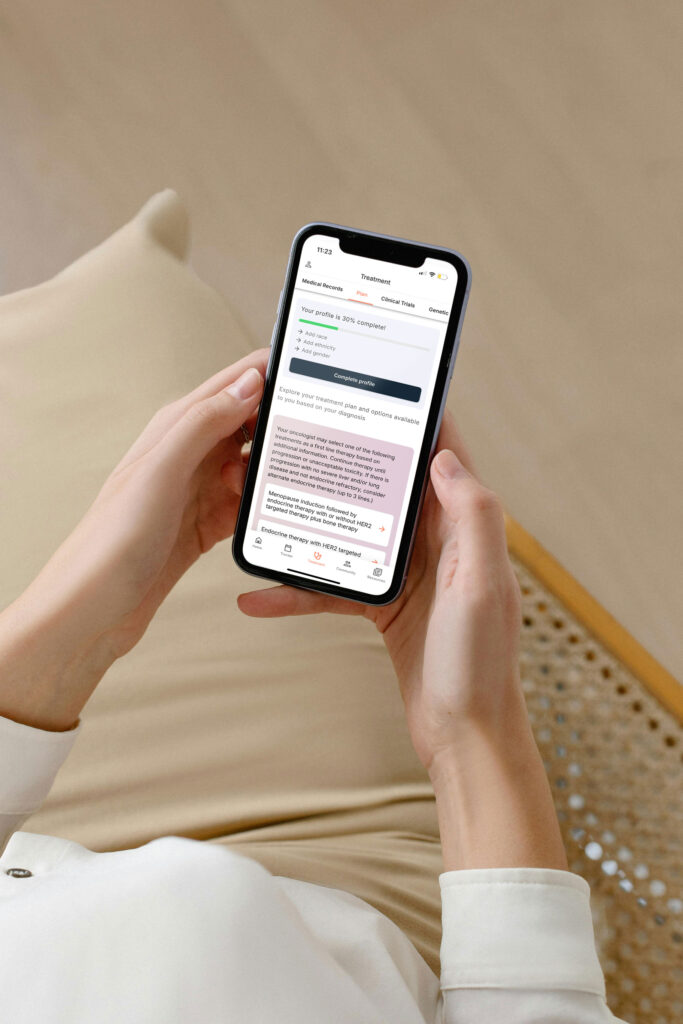
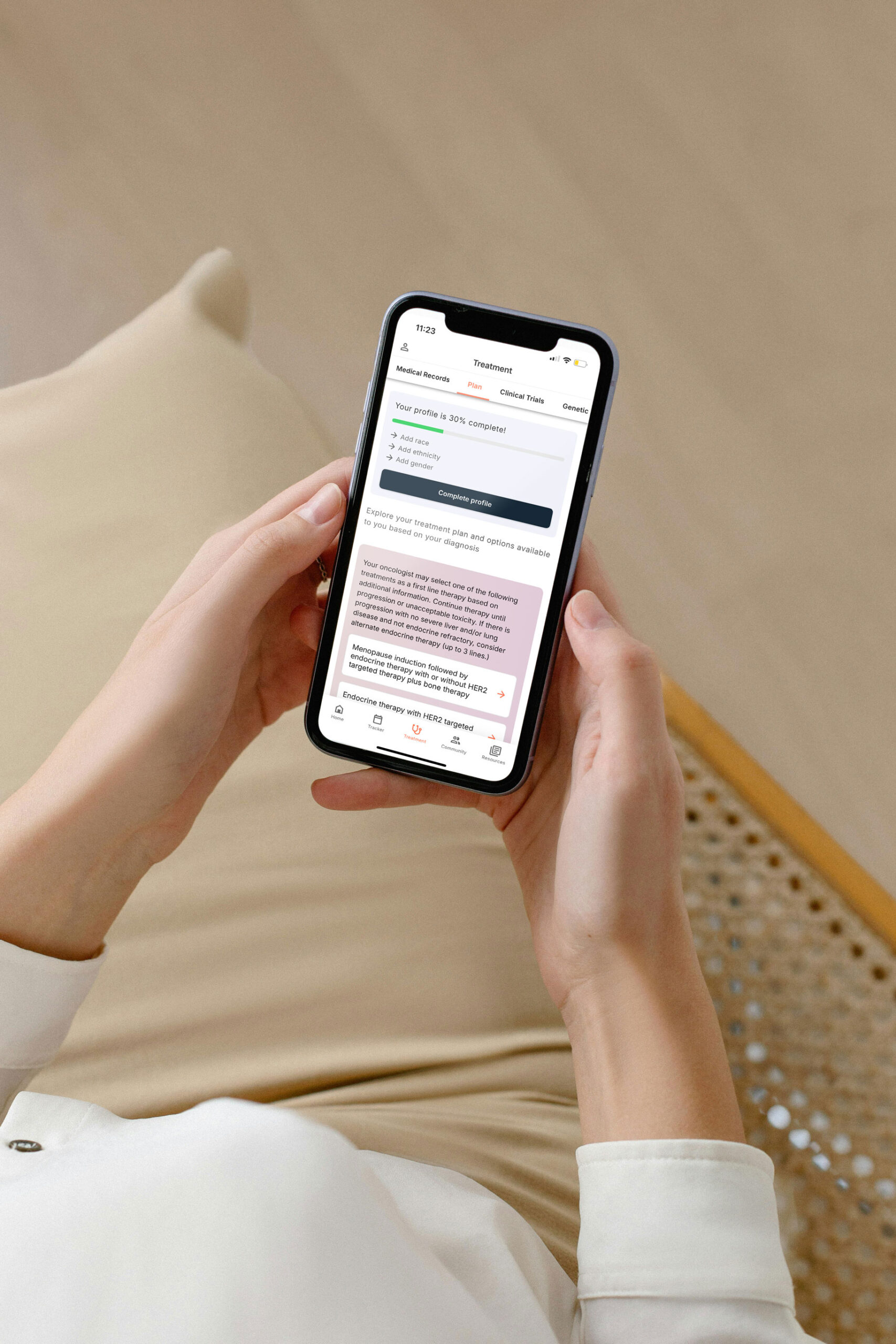
View your personalized treatment plan in the Outcomes4Me app
Use your diagnosis to unlock personalized NCCN Guidelines®-aligned recommendations.
Continue in app
- Cognitive fatigue, such as difficulty concentrating or thinking clearly
- Behavioral fatigue, which can make it harder to carry out usual activities
- Emotional fatigue, including the emotional impact of feeling persistently exhausted
Emotional fatigue had the highest rate of severe fatigue among the dimensions studied. This is an important reminder that cancer-related fatigue can affect how you feel emotionally as well as physically.
If you are experiencing exhaustion alongside difficulty concentrating, loss of motivation, frustration, or emotional distress, these symptoms may all be part of your experience with cancer-related fatigue.
Where you are in treatment may matter
Several factors were associated with cancer-related fatigue in the study.
These included:
- Cancer stage
- Chemotherapy cycle
- Self-efficacy, or a person’s confidence in their ability to manage challenges
- Anxiety and depression levels
The study also found that greater fatigue was associated with a person’s cancer experience and perceptions of their condition, while better treatment effectiveness was associated with lower fatigue scores.
This doesn’t mean that fatigue is something patients can simply control through positive thinking. Cancer-related fatigue is a complex symptom with physical, emotional, and treatment-related causes.
However, the findings suggest that helping patients feel more informed, supported, and confident in managing their care may be one part of addressing fatigue.
Mental health and fatigue may be closely connected
The relationship between fatigue, anxiety, and depression was one of the key findings of the study.
Cancer treatment can bring uncertainty about the future, changes in daily routines, financial concerns, and worries about treatment results. At the same time, persistent fatigue can make it more difficult to participate in activities that normally support emotional well-being.
This can create a difficult cycle: emotional distress may contribute to fatigue, while fatigue can also make anxiety or depression harder to manage.
That is why it’s important to tell your cancer care team about changes in your mood, not just physical side effects.
Support may include counseling, support groups, medication when appropriate, or other strategies recommended by your healthcare team.
Don’t assume fatigue is just something you have to live with
Don’t dismiss fatigue as an unavoidable part of chemotherapy. While fatigue is common, that doesn’t mean you should suffer through it without support.
Talk with your oncology team if fatigue is:
- Making it difficult to get out of bed or complete everyday activities
- Affecting your ability to think or concentrate
- Becoming progressively worse
- Interfering with your emotional well-being
- Accompanied by symptoms such as shortness of breath, dizziness, pain, or sleep problems
Your care team can help look for factors that may be contributing to your fatigue. Depending on your situation, this could include treatment side effects, sleep problems, emotional distress, nutritional concerns, anemia, or other medical issues.
What these findings mean for people with DLBCL
This study reinforces an important message: cancer-related fatigue isn’t always just about physical weakness.
For people with DLBCL receiving chemotherapy, fatigue may be influenced by multiple factors, including where they are in treatment and how they are coping emotionally.
The findings also highlight the value of looking at the whole person when managing side effects. Monitoring fatigue alongside mood, sleep, and other symptoms may help patients and their healthcare teams better understand what support is needed.
If you are experiencing fatigue during DLBCL treatment, bringing it up with your care team is an important first step. Keeping track of when fatigue occurs, how severe it is, and how it affects your daily life can also help guide those conversations.
Disclaimer: The information provided in this article is for informational purposes only and is not intended to be a substitute for professional medical advice, diagnosis, or treatment. Outcomes4Me is not acting as your caregiver, and any suggestions or guidance offered should not replace the advice of your healthcare provider or qualified medical professional. Always seek the guidance of your physician or other qualified health provider with any questions you may have regarding a medical condition.
Personalized support for real care decisions
Understand your diagnosis, explore clinical trials, and track symptoms--all in one place.
Get started
Compare treatments, prepare for appointments, and track side effects—all in the app
Built for your diagnosis, Outcomes4Me gives you the tools to make confident, informed decisions—right when you need them.
Continue in app