Traditional chemotherapy works by attacking rapidly dividing cells broadly across the body. Targeted therapies like cabozantinib work differently. As a tyrosine kinase inhibitor (TKI), cabozantinib is designed to interrupt the specific molecular signals that renal cell carcinoma cells depend on to grow and spread, a fundamentally more precise approach.
One of the primary ways cabozantinib acts is by blocking angiogenesis, the process cancer tumors use to build new blood vessels. Without that blood supply, tumors are cut off from the oxygen and nutrients they need to grow. Cabozantinib also inhibits two critical pathways, MET and AXL, that cancer cells use to become resistant to other treatments. This dual-pathway inhibition is central to the drug’s design. When cancer cells can no longer activate MET and AXL signaling, they lose a key mechanism for evading treatment and continuing to spread.
The practical goal of all this targeted action is to slow tumor progression and, in many cases, shrink existing tumors. As you explore what cabozantinib means for your personalized care plan, understanding how it’s dosed and taken daily is equally important.
Always take with an empty stomach
What to expect during cabozantinib treatment starts with one non-negotiable habit. Taking your tablet on an empty stomach, every single day. Following the empty stomach rule as directed may help your body absorb the drug as intended. The rule is straightforward but strict. You must avoid eating for at least two hours before you take your dose and for at least one hour after. That window protects the drug’s absorption rate, keeping blood concentration at the level your care team has targeted for you.
Dietary restrictions to follow:
- Avoid grapefruit and grapefruit juice entirely because it interferes with the enzyme your body uses to break down cabozantinib
- Avoid any food or drink, other than water, within the two-hour pre-dose and one-hour post-dose window
Pro-Tip: Many patients find that dosing in the middle of the night or first thing in the morning, before breakfast, makes the fasting window easiest to manage consistently. Pick a time you can realistically stick to every day; consistency matters as much as the fast itself.
Swallow the tablet whole and do not crush, split, or chew it, as altering the tablet’s form can change how quickly the drug enters your bloodstream.
Evidence-based guidance powered by NCCN Guidelines®
Personalized treatment plans shaped by the latest oncology standards—tailored to your diagnosis.
Get started
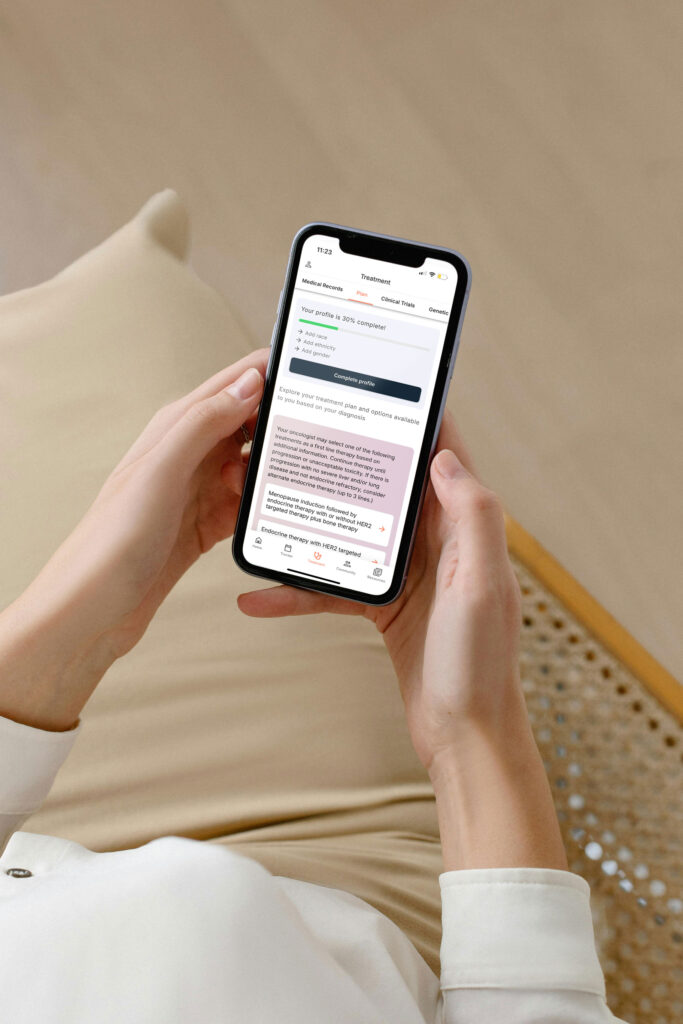
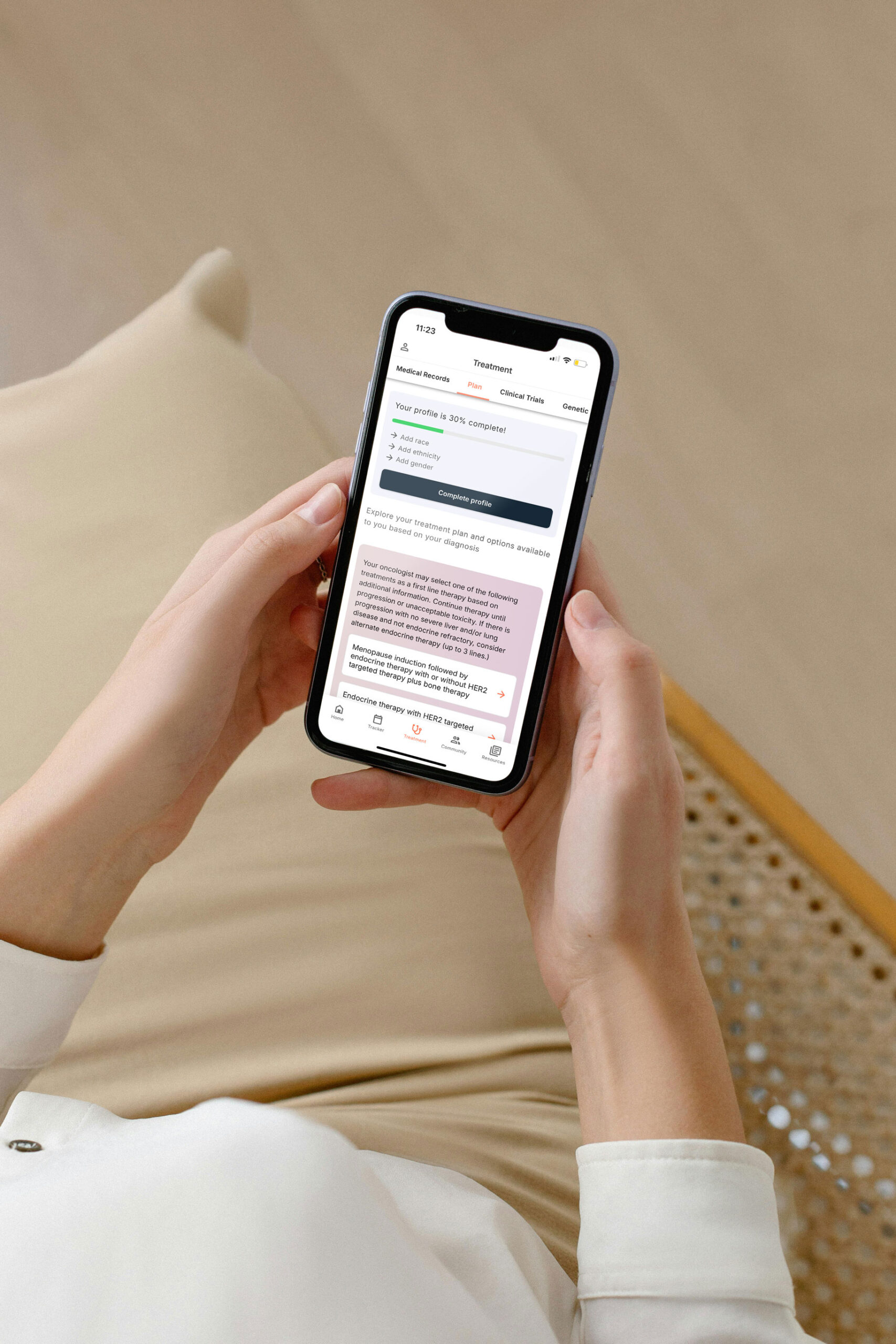
View your personalized treatment plan in the Outcomes4Me app
Use your diagnosis to unlock personalized NCCN Guidelines®-aligned recommendations.
Continue in app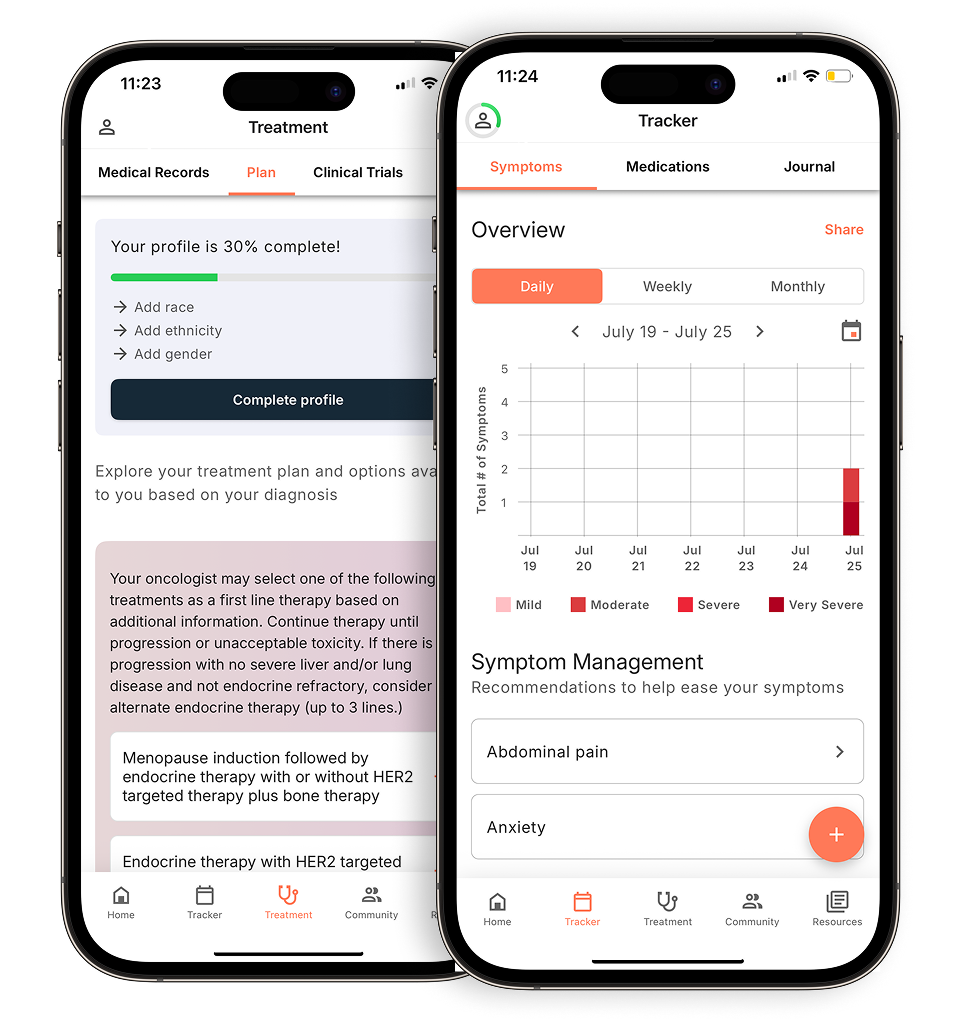
Navigating the first 30 days: common side effects
Cabozantinib side effects management for patients is most effective when you know what’s coming, and the first month tends to be the most revealing.
Diarrhea is the most frequently reported side effect among patients on cabozantinib. It can arrive early and catch you off guard. Keep loperamide (Imodium) on hand before your first dose, stay well-hydrated, and flag any persistent episodes to your care team promptly. Dose adjustments are a standard, well-established tool.
Fatigue on a TKI is a heaviness that doesn’t lift with a good night’s sleep. Pacing yourself matters here. Short rest periods during the day, gentle movement when energy allows, and honest conversations with your care team about what you’re experiencing can all make a meaningful difference.
Daily home blood pressure monitoring is essential. Hypertension is a known effect of cabozantinib’s mechanism, and it can develop without noticeable symptoms. A basic home monitor and a simple log shared with your care team give them what they need to intervene early, before the issue escalates.
Appetite changes and a persistent metallic taste are common and can quietly contribute to weight loss if left unaddressed. Small, frequent meals, prioritizing calorie-dense, easy-to-tolerate foods, tend to work better than forcing three full meals a day. Experimenting with cold or room-temperature foods can help reduce the metallic flavor.
Managing hand-foot skin reaction proactively
Hand-foot skin reaction is one of the most common and most manageable side effects of cabozantinib, and catching it early makes all the difference in staying on your personalized care plan.
Hand-foot skin reactions can cause redness, swelling, or blistering on the palms of your hands and the soles of your feet. It can range from mild discomfort to painful blisters that interfere with walking or daily tasks. The key is recognizing those first warning signs before they escalate, because the earlier you act, the easier it is to control.
To help proactively manage side effects, start applying a thick, urea-based or salicylic acid moisturizer to your palms and soles before your first dose. Don’t wait for symptoms to appear. In practice, patients who build this into their daily routine, morning and night, experience milder skin changes overall. Pair this with thoughtful footwear choices. Cushioned, well-fitting shoes that minimize friction can significantly reduce pressure on vulnerable areas; tight shoes or sandals with thin soles are worth setting aside for now.
Cancer care guidance for every step of your journey
Get treatment options, clinical trials, and support tailored to your diagnosis--all in one place.
Get started
See treatment options, manage symptoms, and stay informed—all in the app
View treatment options and trials personalized to your diagnosis—plus track progress in real time.
Continue in appPerhaps the most important mindset shift is understanding the Grade 1 vs. Grade 3 rule. Report a tingle or patch of redness to your care team immediately, while it’s still Grade 1. Early reporting gives your care team room to adjust without disrupting your treatment. And speaking of adjustments, if you’ve been wondering how long does it take for cabozantinib to work, the next section walks through the real timelines, including what your first scans will reveal.
When will you know it’s working?
Waiting for proof that a treatment is working can feel like one of the hardest parts of starting cabozantinib, but understanding the timeline helps you stay grounded.
The early weeks are about monitoring, not measuring response. In weeks two through four, your care team will typically order blood work and blood pressure checks every two to four weeks. These appointments catch emerging issues early, adjust supportive care, and confirm your body is tolerating the drug. Staying on top of cabozantinib diet restrictions during this period, such as avoiding grapefruit and high-fat meals around your dose, also supports consistent drug absorption.
Your care team may schedule a CT or MRI scan around the eight- to twelve-week mark to help evaluate how you’re responding to cabozantinib, though the timing can vary based on your individual situation. This deliberate window gives the medication enough time to show measurable effects on tumor activity. In the meantime, subtle signals like stable energy levels or manageable side effects can be quiet indicators that treatment is on track.
A dose reduction is a calibration. If you experience certain side effects, your doctor may reduce your cabozantinib dose, and most patients who receive a dose reduction are able to continue treatment.
One often-overlooked concern is dental health. Cabozantinib can affect bone healing, particularly in the jaw, a condition known as osteonecrosis. Routine dental checkups and prompt reporting of jaw pain or swelling to your care team are essential precautions throughout treatment. With all these moving pieces in mind, a clear personal checklist can make each stage feel more manageable, which is exactly what comes next.
Your cabozantinib checklist
Staying consistent with a few core habits, from your morning dose to your nightly moisturizing routine, can make a measurable difference in how well you tolerate cabozantinib.
Adherence to the fasting rule is non-negotiable. Take your dose on an empty stomach. No food for two hours before and at least one hour after. Eating around your dose can alter how the medication is absorbed, which may affect how well it works.
Daily blood pressure monitoring is equally essential. Keep a simple log your care team can review at each visit; what looks like a minor uptick on one day may reveal a pattern over two weeks. Managing hand-foot skin reaction follows the same logic. Apply a petroleum based moisturizer to your hands and feet twice daily, starting on day one, before any symptoms appear. Proactive skin care measures such as moisturizing, avoiding friction, and wearing protective clothing can help manage hand-foot skin reaction when started early during treatment with cabozantinib.
Dose adjustments are a sign the system is working. Your personalized care plan may evolve as your care team calibrates efficacy against your quality of life, and that’s entirely expected. If a new symptom appears, report it immediately. Working with your care team to discuss side effects and communicate how they affect your daily life can help you manage them more effectively during treatment.
The data you collect between appointments is important to your treatment. When you track specific side effects, blood pressure readings, when fatigue peaks, how your skin is responding, your care team gets a clearer, more accurate picture than a 15-minute office visit can provide on its own. Logging the details that help your care team fine-tune your personalized care plan in real time, rather than reacting to problems after they’ve escalated, can make a meaningful difference.
You are the most important member of your care team. The questions you ask, the symptoms you track, and the decisions you make with your providers all shape your outcomes. Don’t navigate this alone and download the Outcomes4Me app for personalized insights.
Disclaimer: The information provided in this article is for informational purposes only and is not intended to be a substitute for professional medical advice, diagnosis, or treatment. Outcomes4Me is not acting as your caregiver, and any suggestions or guidance offered should not replace the advice of your healthcare provider or qualified medical professional. Always seek the guidance of your physician or other qualified health provider with any questions you may have regarding a medical condition.
Personalized support for real care decisions
Understand your diagnosis, explore clinical trials, and track symptoms--all in one place.
Get started
Compare treatments, prepare for appointments, and track side effects—all in the app
Built for your diagnosis, Outcomes4Me gives you the tools to make confident, informed decisions—right when you need them.
Continue in app