
An endometrial cancer diagnosis can feel like the ground has shifted beneath you. Suddenly, you’re facing a flood of medical terminology, treatment decisions, and unknowns all at once. Knowing which questions to ask your care team (and even other patients) can be the difference between passively receiving care and actively shaping it.
According to the National Cancer Institute, treatment options vary significantly based on endometrial cancer stage, tumor characteristics, and overall health, which means the right questions aren’t just helpful, they’re essential.
The sections ahead walk you through exactly what to ask, starting with the most critical first step: understanding your diagnosis.
1. Understanding your diagnosis and prognosis
Before you can ask the right questions, you need to understand what you’re actually dealing with. A clear picture of your diagnosis lays the foundation for every decision ahead, including which endometrial cancer treatment path makes the most sense for you.
Here are the key questions to start with:
- What stage and grade is my cancer? Stage and grade directly influence treatment intensity and outcomes.
- What does my pathology report mean? Ask your provider to walk you through it in plain language.
- What are my biomarkers? Certain molecular markers such as MSI status or POLE mutations can shape personalized treatment decisions in meaningful ways.
- What is my prognosis? According to the National Cancer Institute, prognosis varies significantly based on histologic type and stage at diagnosis.
The right questions lead to the right answers and understanding your diagnosis thoroughly is the clearest first step toward an informed treatment conversation with your care team.
2. Exploring treatment options
Once you understand your diagnosis, the next step is figuring out what comes next and that means asking pointed questions for your doctor visits focused on your specific plan for treatment. Endometrial cancer treatment typically involves a combination of surgery, radiation, chemotherapy, hormone therapy, or targeted therapy, depending on your stage and tumor biology.
Key questions to bring to your provider:
Evidence-based guidance powered by NCCN Guidelines®
Personalized treatment plans shaped by the latest oncology standards—tailored to your diagnosis.
Get started
View your personalized treatment plan in the Outcomes4Me app
Use your diagnosis to unlock personalized NCCN Guidelines®-aligned recommendations.
Continue in app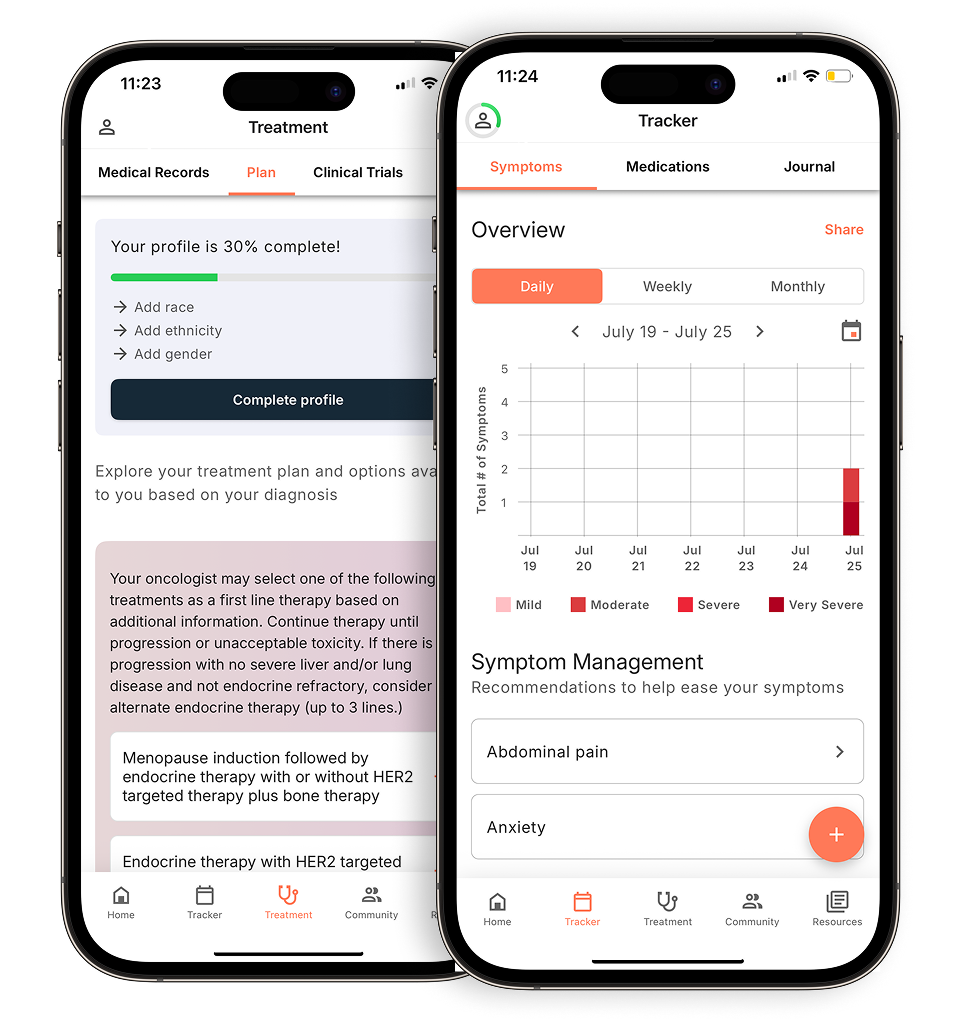
- What treatment approach do you recommend, and why?
- Am I a candidate for minimally invasive surgery?
- Are there clinical trials I should consider?
- What does the treatment sequence look like, and how long will it last?
Asking about second opinions is highly encouraged and something that any good provider will support. Getting another perspective before committing to a plan is a smart move, not a slight.
Asking the right questions helps you evaluate options rather than passively accept a default path. Understanding why a specific treatment fits your case puts you in the driver’s seat. Up next, we’ll cover what to expect once treatment begins, including how to manage the side effects that come with it.
3. Managing treatment side effects
Your questions about cancer treatment shouldn’t stop at “what’s the plan?” — side effect management is just as critical as the treatment itself. Knowing what to expect, and how to respond, can make a real difference in your quality of life.
Ask your care team:
- What side effects are most common with my specific treatment protocol?
- When should I call vs. wait it out? Know the red flags that require immediate attention.
- What medications or strategies can help manage nausea, fatigue, or pain?
- Will side effects affect my daily routine including my work, exercise, or diet?
Managing symptoms proactively can help you stay on track with treatment and avoid unnecessary complications. Patients who actively communicate side effects with their providers are better positioned to adjust plans for treatments before problems escalate.
Side effect management is a conversation, not a complaint. Your care team genuinely needs this information to support you well. As treatment progresses, those effects can also intersect with deeply personal aspects of your health.
4. Impact on fertility and sexual health
For many patients, especially younger women diagnosed with a gynecologic cancer, questions about fertility and sexual health are deeply personal and often go unasked. Don’t let that happen. Bring these up directly with your care team:
Cancer care guidance for every step of your journey
Get treatment options, clinical trials, and support tailored to your diagnosis--all in one place.
Get started
See treatment options, manage symptoms, and stay informed—all in the app
View treatment options and trials personalized to your diagnosis—plus track progress in real time.
Continue in app- Can fertility-sparing treatment options work for my stage? Not all patients are candidates, but it’s worth exploring early.
- How will a hysterectomy affect my hormonal health and sexual function?
- What support resources exist for intimacy concerns during and after treatment?
Proactive conversations about sexual health aren’t optional; they’re essential to your overall quality of life. Addressing these concerns early leads to better long-term outcomes. Your providers have heard these questions before — ask them openly.
Beyond talking to your medical team, connecting with others navigating similar side effects during treatment can offer real, practical perspective that clinical conversations sometimes miss.
5. Daily life during treatment
Treatment for endometrial cancer touches every corner of your daily routine, including your energy levels, appetite, work schedule, and emotional bandwidth. Good education for patients makes a real difference here. When you know what to expect, you can plan ahead instead of getting caught off guard.
Key questions worth asking your care team:
- What side effects are most common with my specific plan for treatment, and how do I manage them at home?
- Are there activity restrictions I should follow? Can I exercise, travel, or work?
- What dietary changes, if any, should I make during treatment?
- When should a symptom prompt a call to the clinic versus a trip to the ER?
Knowing which symptoms warrant immediate attention is one of the most practical things patients can clarify upfront.
It’s also worth asking other patients what helped them stay functional day-to-day, whether that’s meal prepping, pacing activity, or managing treatment side effects as they come. Real-world strategies often fill the gaps that clinical conversations miss.
Understanding your daily reality sets the stage for another critical piece of the puzzle: the people around you.
6. Building a support network
No plan for treatment gets easier in isolation. One of the most practical questions to ask whether directed at your care team or other patients is simply: Who can help me through this?
Here are key questions to start building your network:
- Ask your oncologist: Can you connect me with a social worker or patient navigator?
- Ask other patients: What support groups either in-person or online have actually helped you?
- Ask your care team: Are there financial assistance programs for treatment-related costs?
A strong support network isn’t just emotional comfort; it’s logistical infrastructure. Other patients can offer candid insight that providers sometimes can’t, from managing caregiver fatigue to navigating insurance hurdles. That peer-level honesty can be invaluable, especially when treatment stretches across months.
As you shore up your network now, it’s equally worth thinking ahead because the questions you ask during treatment will shape how prepared you feel once it ends.
7. Preparing for survivorship
Active treatment eventually ends and that transition brings its own set of questions worth raising before you reach that phase of your cancer experience. Planning ahead keeps you from scrambling when treatment wraps up.
Key questions to ask your care team now:
- What does follow-up monitoring look like? Ask about the schedule for check-ins, imaging, and lab work.
- What symptoms should prompt an immediate call? Knowing in advance what might raise concern reduces anxiety and speeds response time.
- How might treatment affect my fertility or hormonal health? If this matters to you, explore options for protecting fertility before treatment concludes.
- What lifestyle changes support long-term health? Ongoing conversations about weight management and physical activity remain relevant well after treatment ends.
Asking other patients what surprised them most about post-treatment life is equally valuable. Their lived perspective often fills gaps that clinical guidelines don’t cover. That said, every patient’s path looks different, which means some answers won’t translate neatly from one experience to another. This is worth keeping in mind as you gather input.
Outcomes4Me is here to help you better understand your diagnosis and treatment options. You deserve clear, trustworthy information at every step.
Personalized support for real care decisions
Understand your diagnosis, explore clinical trials, and track symptoms--all in one place.
Get started
Compare treatments, prepare for appointments, and track side effects—all in the app
Built for your diagnosis, Outcomes4Me gives you the tools to make confident, informed decisions—right when you need them.
Continue in app