Finishing active treatment doesn’t mean the hard part is over for many people, it’s where a new and disorienting chapter begins.
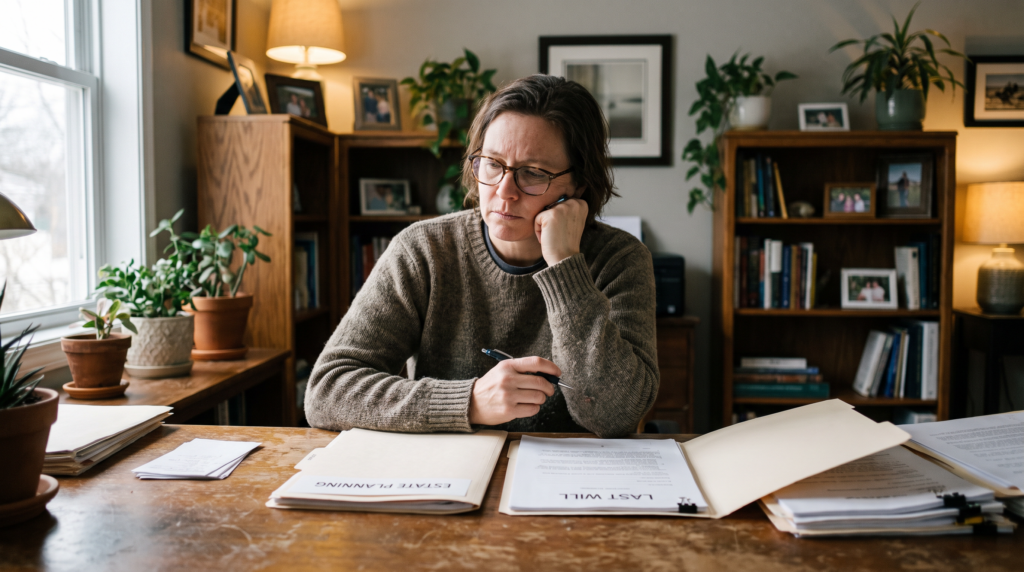
The moment chemotherapy ends, radiation wraps up, or surgery heals, there’s often an unexpected emotional drop. The appointments that structured your weeks fall away, and the medical team that felt like a lifeline steps back into a monitoring role. What fills that space is frequently anxiety, uncertainty, and a very reasonable question: what do I do now?
Cancer survivorship extends throughout the lifetime after diagnosis, and numerous organizations including the American Cancer Society provide resources to support survivors during this ongoing journey. That framing matters, because it shifts the conversation from “getting through treatment” to actively shaping what comes next. You’re not waiting for life to resume — you’re already living it.
This is where evidence-based lifestyle changes after cancer become genuinely powerful. Rather than vague reassurances to “eat well and reduce stress,” the research now points to specific, measurable habits that influence recurrence risk, treatment side effects, and long-term quality of life. Regaining agency through those habits, grounded in your clinical picture, not a generic wellness checklist, is exactly what this article unpacks.
Generic advice fails here because it isn’t calibrated to your diagnosis, your treatment history, or your body’s specific recovery needs. A blanket recommendation to “exercise more” looks very different for someone recovering from breast cancer surgery than for someone finishing hormone therapy for prostate cancer. Personalization isn’t optional; it’s the difference between information and actionable guidance. Nature-based interventions such as spending intentional time outdoors can complement your medical treatment by supporting your emotional well-being and helping ease stress, anxiety, and fatigue during cancer care.
The evidence is clear and it emphasizes the importance of physical activity.
Movement as medicine: why muscle mass is a survival metric
One of the most evidence-backed answers to what to do after cancer treatment is deceptively simple: move more, and move with intention.
Research consistently shows that regular physical activity reduces recurrence risk in breast, colon, and prostate cancers, positioning exercise as a clinical intervention. Yet many survivors feel caught in a frustrating loop: treatment leaves them exhausted, but rest alone won’t resolve that exhaustion. This is the fatigue paradox, cancer-related fatigue is best treated not by doing less, but by doing more, and structured, moderate movement has been shown to reduce fatigue symptoms more effectively than rest, which can feel counterintuitive when you’re running on empty. If you’ve been wondering whether persistent tiredness is normal, you’re not alone. Many survivors experience this long after treatment ends.
The American Cancer Society recommends regular aerobic physical activity as part of survivorship care, with guidelines suggesting moderate-intensity exercise as a key component of cancer recovery. That breaks down to roughly 30 minutes most days, and brisk walking, cycling, or swimming all count. In practice, starting well below that target and building gradually is entirely appropriate.
Evidence-based guidance powered by NCCN Guidelines®
Personalized treatment plans shaped by the latest oncology standards—tailored to your diagnosis.
Get started
View your personalized treatment plan in the Outcomes4Me app
Use your diagnosis to unlock personalized NCCN Guidelines®-aligned recommendations.
Continue in app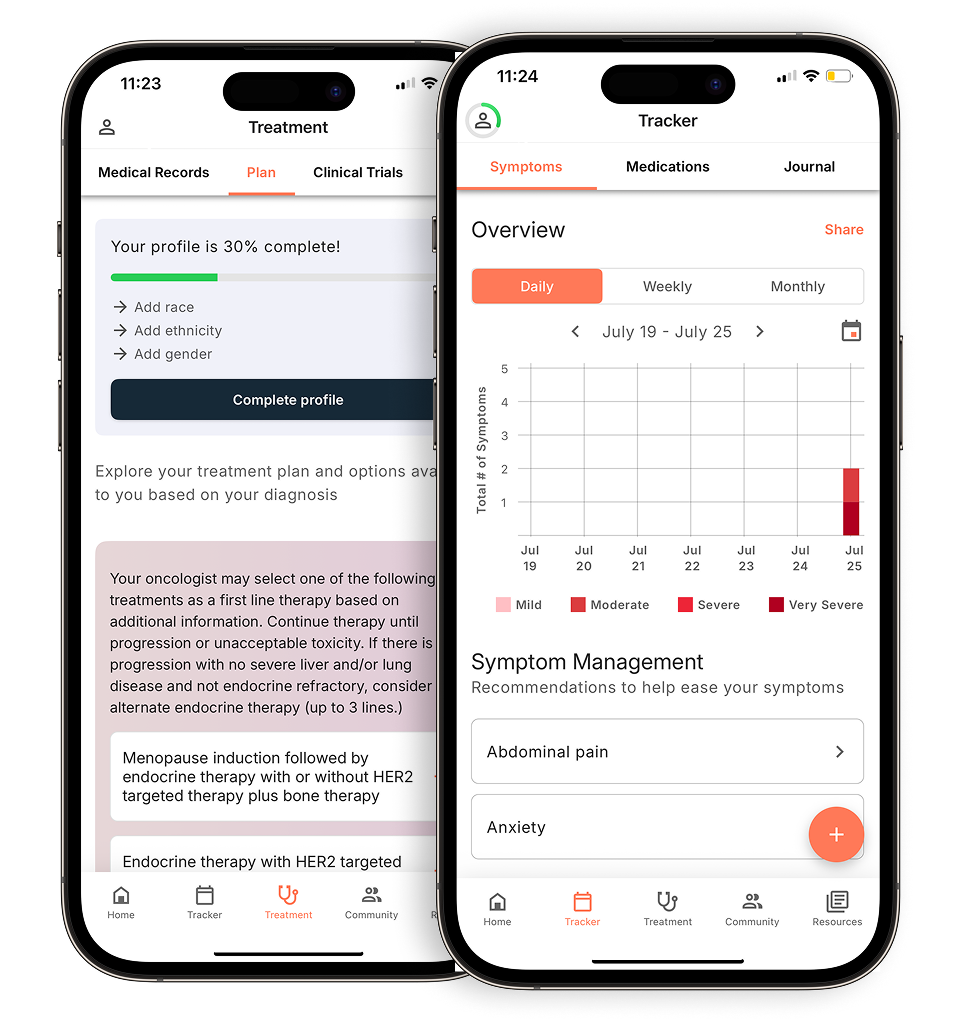
Resistance training is the other non-negotiable component, and it deserves equal weight. Cancer treatment, particularly chemotherapy and hormone therapy, accelerates muscle loss, a condition called sarcopenia. Loss of muscle mass is directly linked to poorer outcomes, slower recovery, and reduced tolerance for future treatments. Lifting weights or using resistance bands at least twice a week helps preserve lean mass and supports metabolic health in ways aerobic exercise alone can’t replicate.
Choosing the right movement pattern matters, as does supporting it with proper nutrition.
The ‘plant-forward’ pattern: moving beyond dietary myths
What you eat after treatment can meaningfully shape your quality of life after cancer treatment, but the conversation is often derailed by myths and marketing. Before covering what the evidence actually supports, it’s worth clearing up one of the most persistent misconceptions: the idea that “sugar feeds cancer.”
However, the reality is more nuanced. All cells, both healthy and cancerous, use glucose for fuel. Cutting sugar entirely doesn’t starve tumors, but chronically elevated blood sugar can drive insulin resistance, which raises circulating insulin and growth factors that may promote cell proliferation. The goal isn’t eliminating carbohydrates; it’s choosing fiber-rich, low-glycemic sources that keep blood sugar stable.
That fiber focus matters beyond blood sugar. The American Institute for Cancer Research links high fiber intake (30g or more daily) to lower systemic inflammation, a key driver of both recurrence risk and persistent post-treatment symptoms. Getting there is achievable through whole grains, legumes, vegetables, and fruit.
Dietary priorities worth building into daily habits include:
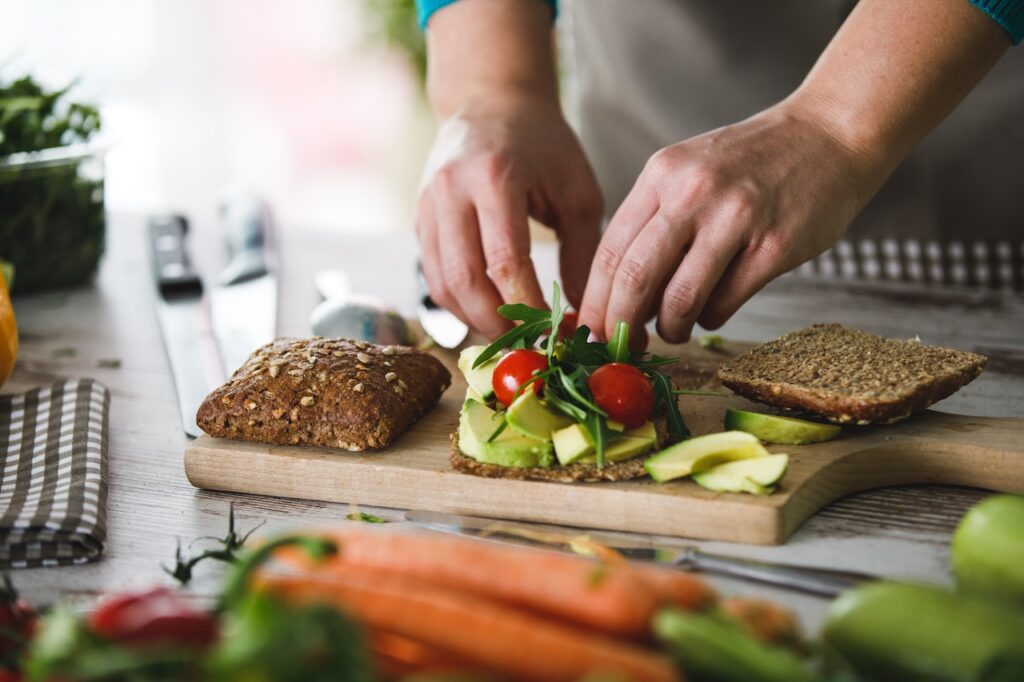
- Whole, plant-forward foods: vegetables, legumes, nuts, seeds, and whole grains at the center of most meals
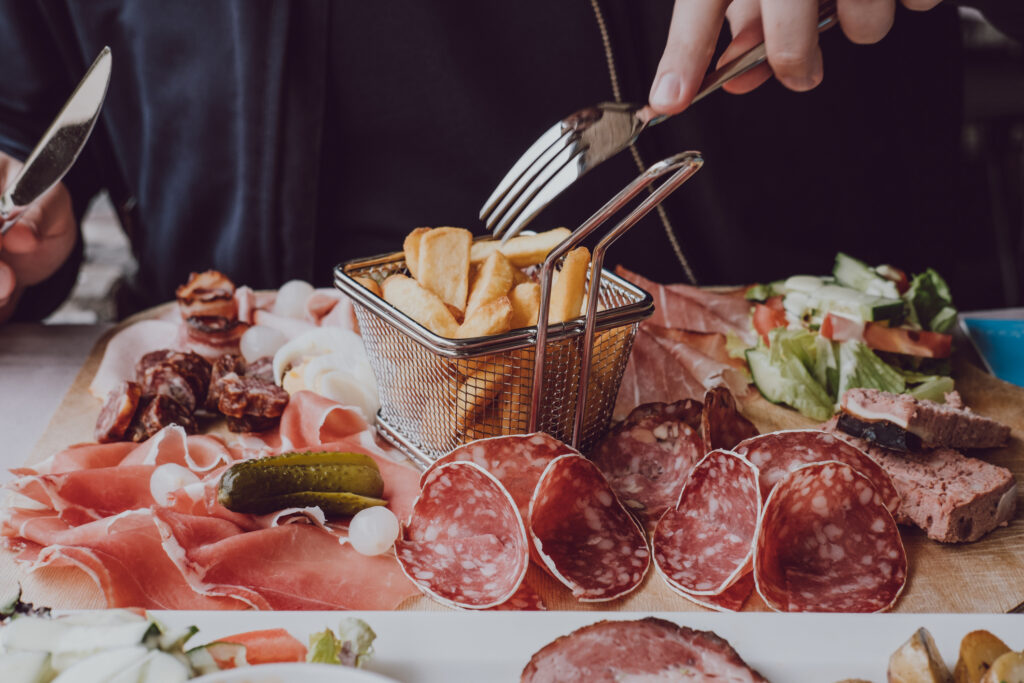
- Limited red and processed meats: the World Health Organization classifies processed meats as Group 1 carcinogens; red meat sits in Group 2A
- Healthy fats: olive oil, avocado, and fatty fish over saturated and trans fats
The American Cancer Society’s guidelines for cancer survivors emphasize plant-based foods, vegetables, fruits, whole grains, legumes, and healthy unsaturated fats while limiting red and processed meats, principles that overlap with other evidence-based healthy eating patterns. Neither requires eliminating entire food groups. Both are associated with reduced inflammation, improved cardiovascular health, and better long-term outcomes.
No single food is a cure, and no single food is the enemy. The overall dietary pattern across meals, days, and weeks is what drives results. That pattern also intersects with body composition in ways that go well beyond the number on a scale.
Metabolic health: the link between body composition and recurrence
Body composition is a meaningful clinical variable that shapes your biological environment for years to come.
Cancer care guidance for every step of your journey
Get treatment options, clinical trials, and support tailored to your diagnosis--all in one place.
Get started
See treatment options, manage symptoms, and stay informed—all in the app
View treatment options and trials personalized to your diagnosis—plus track progress in real time.
Continue in appExcess body fat, particularly visceral fat stored around the abdomen, drives chronic low-grade inflammation and elevated insulin-like growth factor 1 (IGF-1). Both create conditions that can encourage cell proliferation and suppress the immune response that keeps abnormal cells in check. The practical implication is that managing body fat is less about appearance and more about regulating the hormonal and inflammatory signals circulating through your body every day.
Waist-to-hip ratio is often a more clinically useful marker than BMI alone, because it captures where fat is stored, not just how much. Someone with a “normal” BMI can still carry significant visceral fat, while BMI may overestimate risk in people with high muscle mass. Tracking this ratio alongside weight gives a clearer picture of metabolic risk.
On alcohol, the evidence is unambiguous. The American Cancer Society recommends that cancer survivors limit alcohol intake as part of its updated guidelines for reducing mortality risk after diagnosis. Even moderate consumption can disrupt estrogen metabolism, elevate inflammation, and interfere with the protective effects of an otherwise healthy diet.
These metabolic factors don’t operate in isolation. Alongside food choices and physical activity, how well you sleep and how effectively you manage chronic stress also shape your body’s inflammatory environment.
The invisible pillars: sleep, stress, and immune regulation
Sleep and stress management are among the most underestimated recurrence prevention habits and the science behind them is harder to ignore than ever.
Quality sleep is a direct input to immune function. During deep sleep, your body produces and deploys T-cells, the immune cells responsible for identifying and destroying abnormal cells before they can establish themselves. Research consistently links seven to nine hours of sleep per night to stronger immune surveillance, while chronic short sleep suppresses T-cell activity and elevates inflammatory markers. If you’ve been managing exhaustion after treatment, know that protecting your sleep is active biology.
Chronic stress operates through a similar pathway, as sustained elevation of cortisol and other stress hormones suppresses immune activity and feeds the same pro-inflammatory environment that researchers link to cancer progression and reduced treatment efficacy. The body doesn’t distinguish between psychological and physical threat: both drive the same systemic response.
Stress management practices are clinically validated options not wellness trends. Structured programs typically run eight weeks and combine meditation, body awareness, and breathing techniques specifically adapted for survivorship anxiety. Studies show measurable reductions in cortisol levels, improved sleep quality, and lower perceived stress in participants.
Mental health, in this context, is a clinical variable, one that shapes your inflammatory environment, your sleep architecture, and ultimately your biology. The habits covered throughout this article only work as well as the foundation beneath them.
The bottom line: what you need to know
The evidence is consistent: small, evidence-based changes in diet and exercise can significantly improve survival outcomes for many cancer types, according to the Outcomes4Me Clinical Team. What matters now is translating that evidence into a clear set of priorities.
The habits with the strongest research backing come down to five core areas:
- Movement: Aim for 150–300 minutes of moderate aerobic activity per week, plus twice-weekly strength training. Even starting with short, manageable walks during recovery can build the foundation for a more consistent routine.
- Diet: A plant-forward pattern — rich in fiber, whole grains, legumes, and vegetables — is linked to reduced recurrence risk and improved overall health markers.
- Metabolic health: Maintaining a healthy body composition reduces systemic inflammation and suppresses elevated IGF-1 levels, both of which can fuel cancer cell activity.
- Alcohol: Minimizing or eliminating consumption meaningfully lowers the risk of new primary cancers across multiple sites.
- Personalization: Your diagnosis, treatment history, and current health profile all shape how these habits apply to you specifically.
No single behavior change works in isolation and none replaces clinical oversight. The real opportunity lies in combining these lifestyle factors with your clinical data to build a prevention strategy that reflects your actual biology, not just general population guidelines. That’s where the conversation with your care team and the right tools to support it becomes essential.
Personalizing your path with Outcomes4Me
Evidence-based guidelines give you a solid foundation but translating them into your daily life requires personalization that accounts for your specific diagnosis, treatment history, and health goals.
No two cancer survivorship experiences look the same. The research on diet, exercise, sleep, and stress management points to clear population-level benefits, but what that means for you depends on factors like your cancer type, the side effects you’re managing, and where you are in treatment or recovery. Navigating fatigue after cancer treatment requires both knowledge and a concrete action plan. Evidence-based strategies from energy conservation and sleep optimization to gentle movement and psychological support can help you move from understanding what might help to actually implementing changes that address your specific fatigue patterns.
Multiple reputable organizations, including the National Cancer Institute and the American Cancer Society, provide evidence-based information on nutrition and exercise for cancer survivors. By connecting your medical records with evidence-based resources, these platforms help you see your full picture not just isolated lifestyle tips, but how those habits interact with your specific treatment plan and survivorship goals. You can track your lifestyle changes alongside your clinical data, making it easier to spot patterns, ask better questions at appointments, and stay actively involved in your care.
The lifestyle habits covered in this article (nutrition, physical activity, sleep, and stress management) are meaningful changes you can start implementing today. But they work best as part of an ongoing conversation with your care team. Please consult your oncologist or a qualified healthcare provider before making significant changes to your diet, exercise routine, or supplement use. What’s right for your neighbor’s diagnosis may not be right for yours, and your providers are your most important partners in building a survivorship plan that’s truly built around you.
Personalized support for real care decisions
Understand your diagnosis, explore clinical trials, and track symptoms--all in one place.
Get started
Compare treatments, prepare for appointments, and track side effects—all in the app
Built for your diagnosis, Outcomes4Me gives you the tools to make confident, informed decisions—right when you need them.
Continue in app